


















































































































































































































































































































































































































































































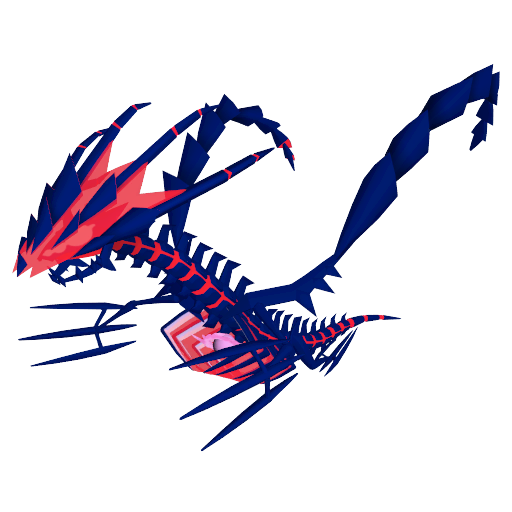

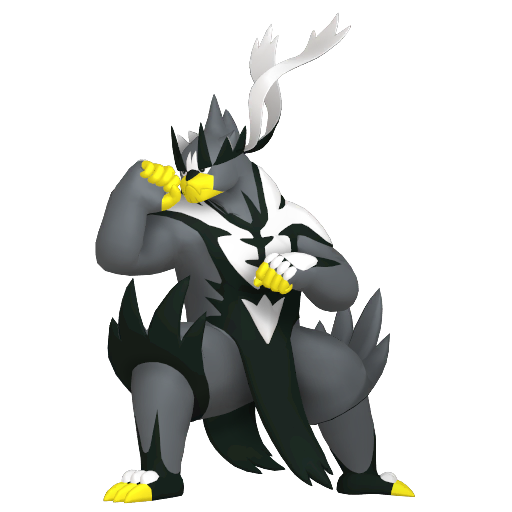
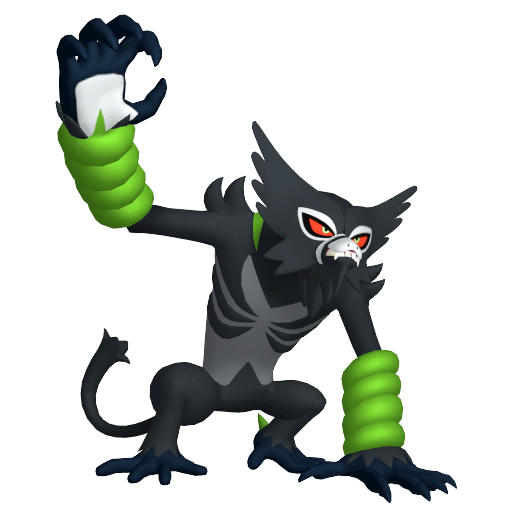
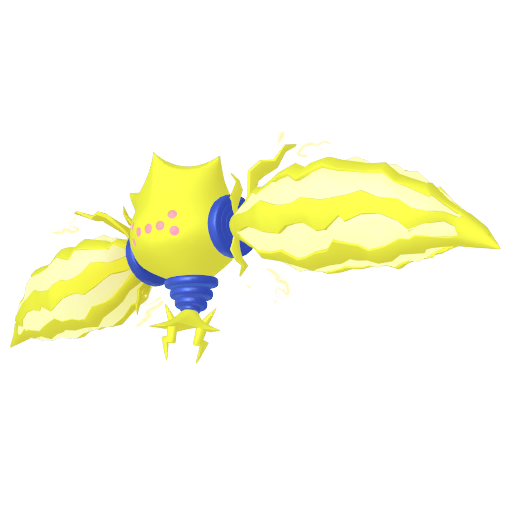































































































What it does
Protect makes your Pokémon completely immune to moves this turn — damage, secondary effects, and most status. priority is +4, so it resolves before virtually everything including most priority moves. Use it on consecutive turns and the success rate collapses exponentially: 100% first use, 50% second, 25% third. Experienced opponents will read the pattern and gamble on your failure.
Here's where the numbers start mattering.
In doubles, the most common scenario: your partner is Flutter Mane, base Speed 135, sitting around 167 Speed at full Stat Points. This turn you genuinely can't tell who moves first in the Speed tier. Instead of gambling on a Speed tie or eating a hit, you Protect and let your partner clear one side. Next turn Flutter Mane faces a single target with no uncertainty. One "wasted" turn traded for a confirmed KO — the math favors that trade almost every time.
Tailwind timing is the clearest worked example: Tailwind lasts 4 turns, doubles all Speed. If Tailwind has one turn left, using Protect burns that last turn away without you taking damage, and next turn Speed comparisons reset to base. The opponent spent resources establishing Tailwind; you spent one Protect to neutralize the final payoff. Burn chip follows similar logic — burn deals 1/16 max HP per turn; Toxic scales as N/16 on turn N. An extra Protect turn at the right moment can push a borderline KO past a threshold the opponent couldn't see coming.
Who runs it
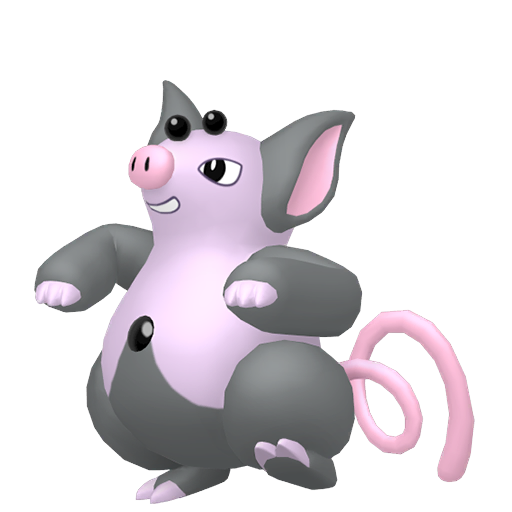
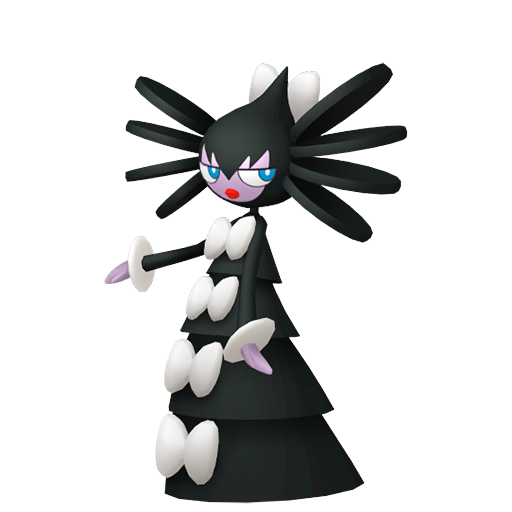
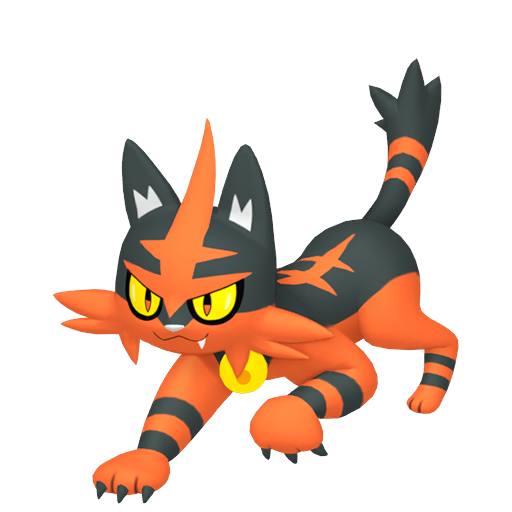
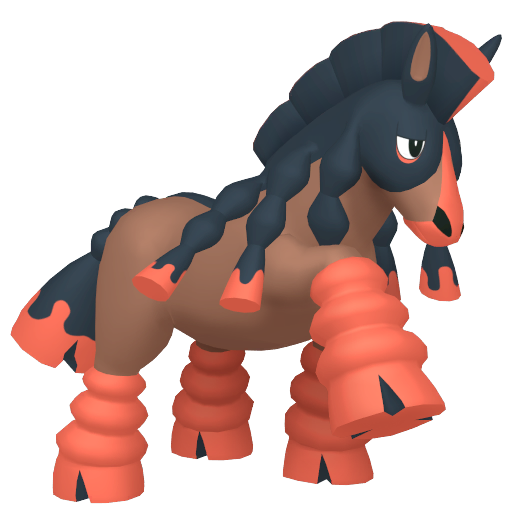
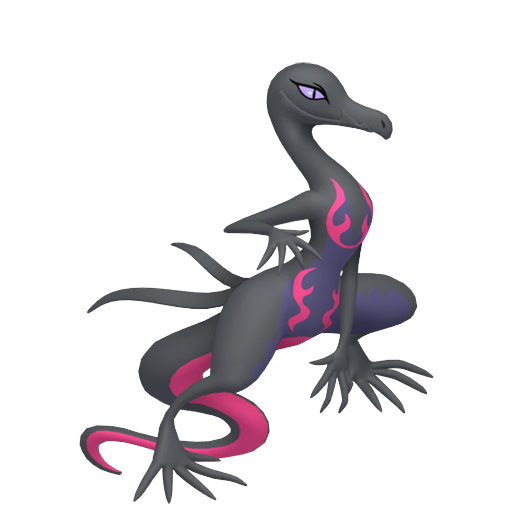
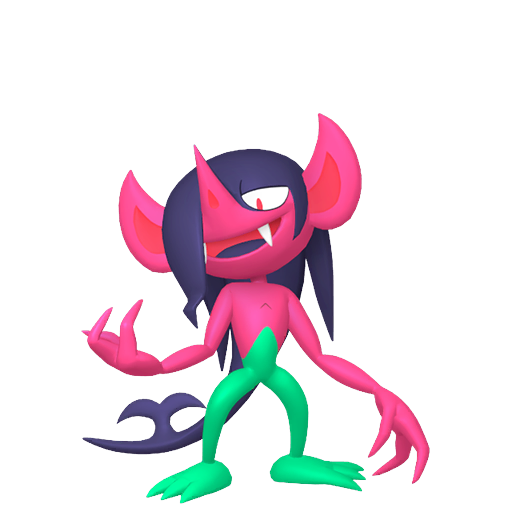
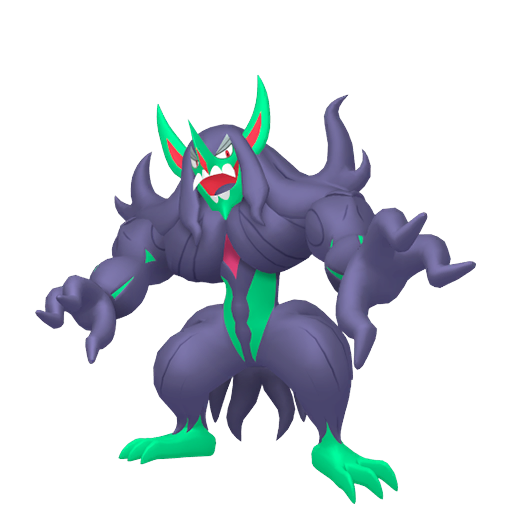
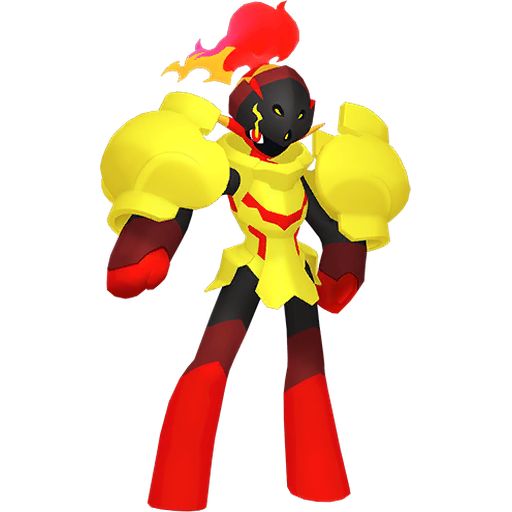
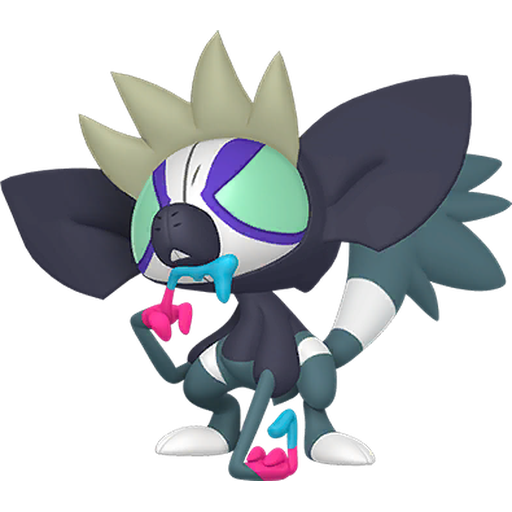
Control-oriented support: Incineroar runs Protect on nearly every doubles set and for a specific reason: its value is triggering Intimidate on entry, not dealing damage. When opponents focus fire to remove the Intimidate threat, Protect absorbs the concentrated turn, lets the partner operate freely, and Incineroar cycles back out to trigger Intimidate again. Grimmsnarl follows the same logic — screen setter that becomes a target once screens are up, uses Protect to survive long enough for screens to pay off.
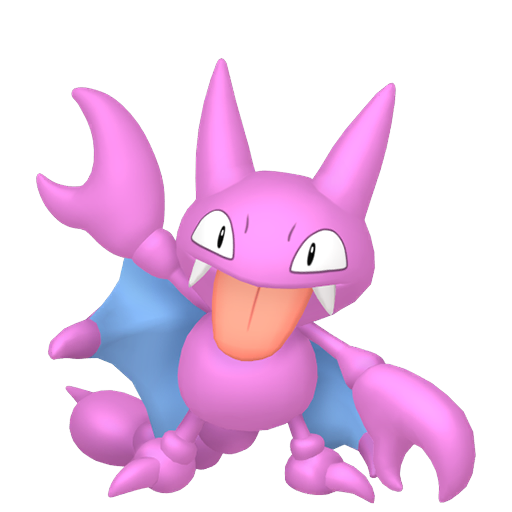
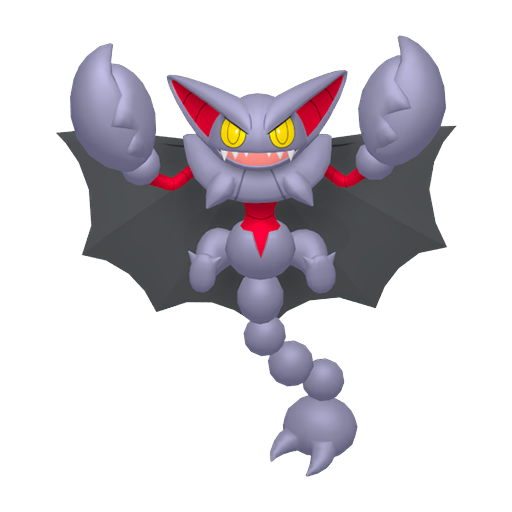
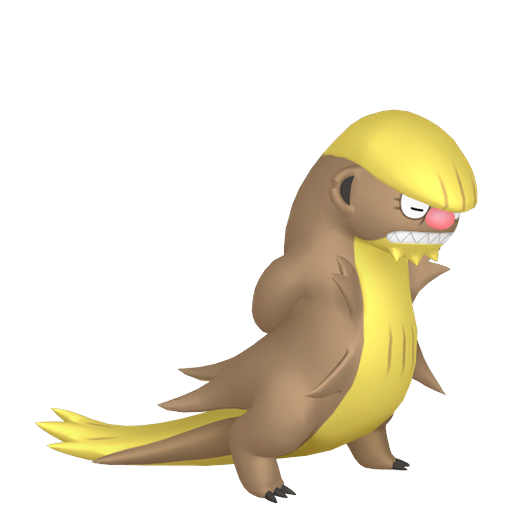
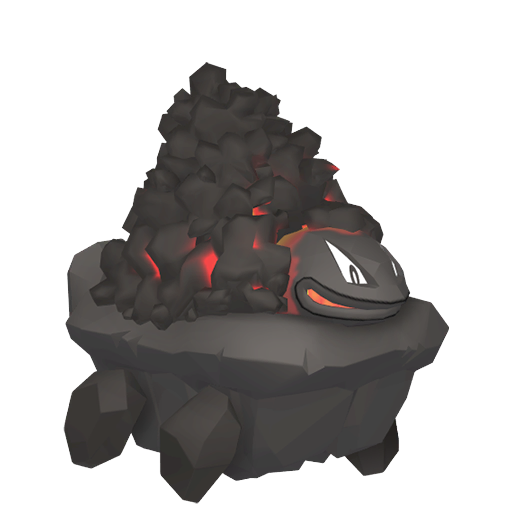
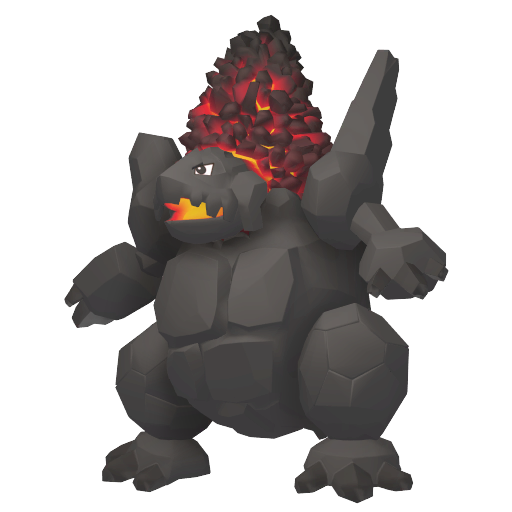
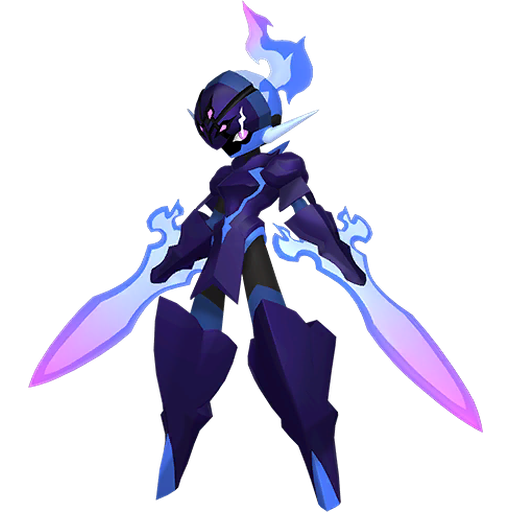
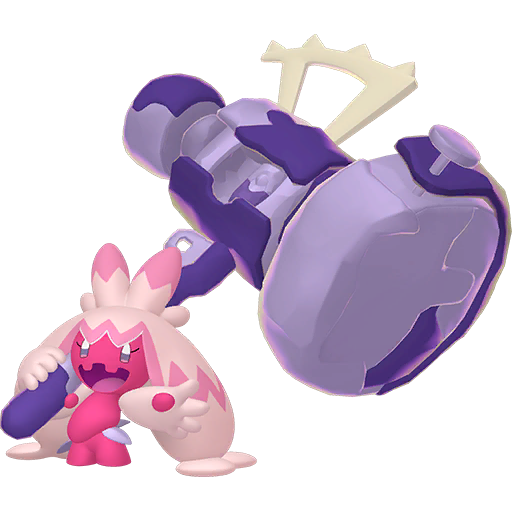
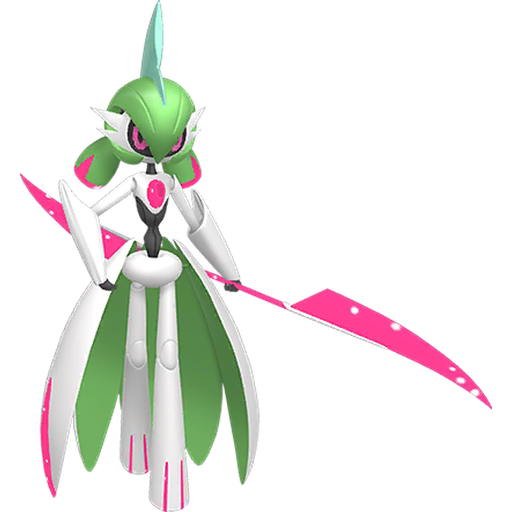
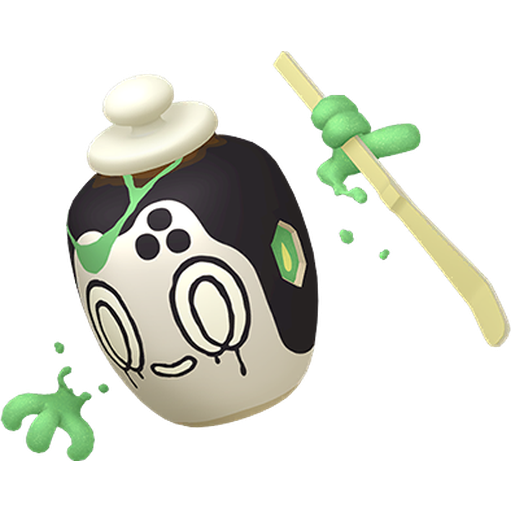
Slow sweepers: Gholdengo sits at base 84 Speed, frequently moving after threats in doubles. Its standard doubles pattern: Turn 1, Gholdengo uses Protect while the partner removes a blocker. Turn 2, Gholdengo fires freely with no interference. Note that Make It Rain hits both opponents at ×0.75 per target in doubles — clearing one first before attacking is often higher damage than hitting both at reduced power. Porygon-Z uses the same setup.
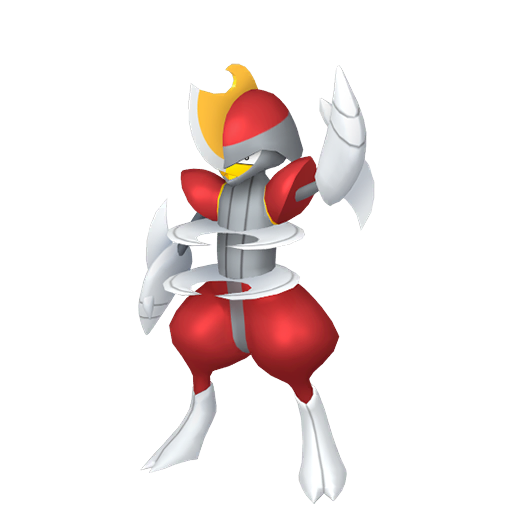
Mega Evolution timing: A Pokémon holding a Mega Stone transforms via the Omni Ring at the start of the turn it acts. Opponents often front-load pressure on the Mega turn specifically because the transformation is confirmed and they know what's coming. Using Protect on the Mega turn costs you nothing — the transformation still completes, your partner covers that action, and next turn the fully transformed Pokémon moves at its new stats.
Singles stall: Leftovers returns 1/16 max HP per turn. A bulky pivot using Protect gets a free recovery tick, scoutes the opponent's move, and pays no damage for either benefit. On Leech Seed or Toxic builds, each extra turn compounds the residual damage stack.
How to use it
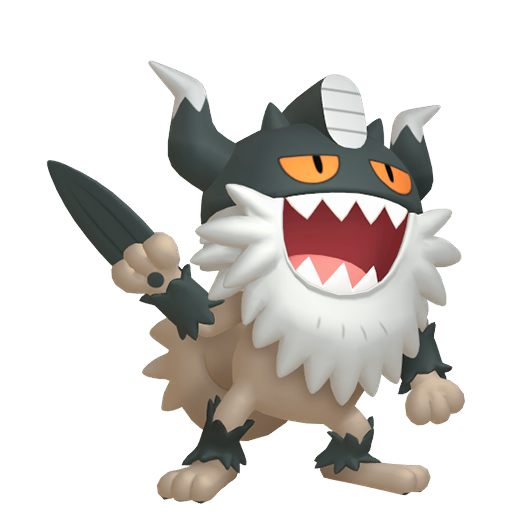
The Fake Out read: Their lead has Fake Out — Incineroar, Persian, etc. Your slower core would get flinched and lose its action. Solution: the slower Pokémon uses Protect, the other acts freely. Their Fake Out hits Protect, they wasted a turn and stopped nothing. This is the foundational doubles Protect use case; build it into muscle memory for any matchup where Fake Out is possible.
Partner clean-up window: You want to fire a move next turn, but one of their Pokémon blocks the play — a Fairy type walling your attack, a faster threat that would move first, whatever. This turn: Protect while your partner removes that Pokémon. Next turn you execute clean. The decision tree is: "Can I act effectively right now?" If no, Protect and let the partner fix the condition. If yes, attack.
Surviving Tailwind's last turn: Their Tailwind is expiring. Your lead is slower this turn. You can't meaningfully attack into their faster Pokémon without eating a hit first. Protect through it — Tailwind expires, next turn Speed resets, and you're no longer under pressure to act through a Speed disadvantage you can't overcome.
Scouting in singles: You don't know what they just switched in or what move they're about to use. A blind guess here can cost you a Pokémon. Protect sees their move and costs you at most one recovery tick of Leftovers on their side. The information gained almost always justifies the turn, especially in the early game before both teams are read.
Never chain it by default: A second consecutive Protect succeeds 50% of the time. Against a skilled opponent who reads your pattern, they throw a strong move and call your bluff. You're then taking a full-power hit with no defensive action — worst of both worlds. After every Protect, actively decide whether to attack, switch, or use it again. Don't let it become reflexive filler.
Tips & strategy
The beginner mistake: protecting through your own Tailwind
New doubles players often build Tailwind and then use Protect on the turns immediately after "to see what happens." The problem: Tailwind only lasts 4 turns. If you spend turn 1 setting it up and turns 2–3 protecting while you observe, you have one payoff turn left. The correct pattern is aggressive — Tailwind goes up, your faster Pokémon starts applying immediate pressure, and Protect is reserved for the specific turns where Fake Out or a blocker forces the stall. Protect during your own Tailwind is giving the opponent a free Tailwind neutralization.
Feint is the direct counter
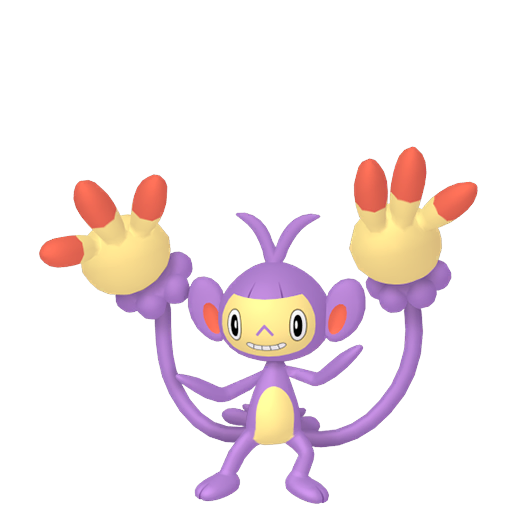
Feint carries +2 priority and ignores Protect entirely. In doubles it also lifts the protection for the rest of that turn, meaning other moves can connect immediately after. If the opponent has a Feint user on their roster — Ambipom, Weavile — your Protect read becomes a liability. Check team sheets before deciding whether Protect is safe.
Pre-targeted moves bypass protection
Future Sight and Doom Desire are locked in on a prior turn and aren't counted as that turn's action — they land even through Protect. Shadow Force and Phantom Force also break through. These aren't matchups where Protect saves you; they need to be handled in teambuilding or by keeping the user off the field.
Weather chip still lands
Sandstorm and hail deal residual damage regardless of Protect. If you're using Protect to stall in adverse weather, each protected turn is a net HP loss — recovery turn from Leftovers minus weather chip, usually negative. Count the real delta before deciding whether stalling behind Protect in weather is actually profitable.
Status odds in Champions
Paralysis full-stop chance is 12.5% in Champions, not the 25% of older games. Sleep caps at 3 turns. Freeze thaws at 25% per turn. Building your Protect sequencing around "wait for paralysis to trigger" or "outlast the sleep counter" is unreliable at these rates. The passive strategy of sitting behind Protect waiting for statuses to do work doesn't hold up the way it might have in Scarlet/Violet — play more aggressively and use Protect on specific reads, not as a default stall loop.