
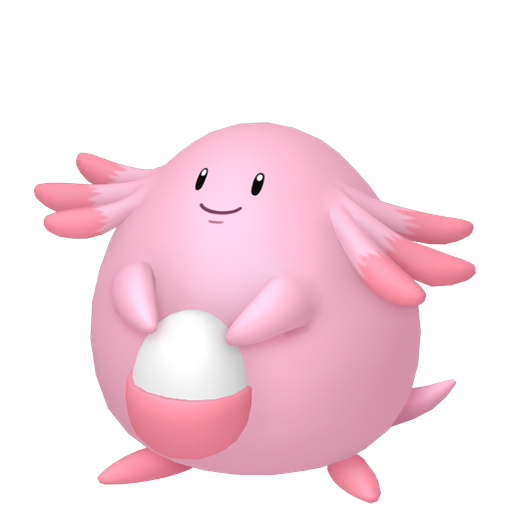





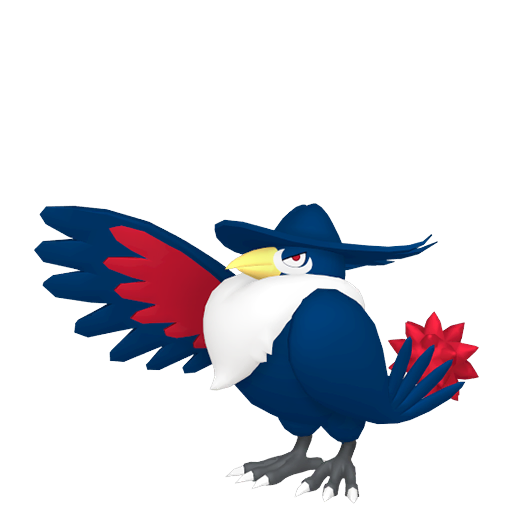
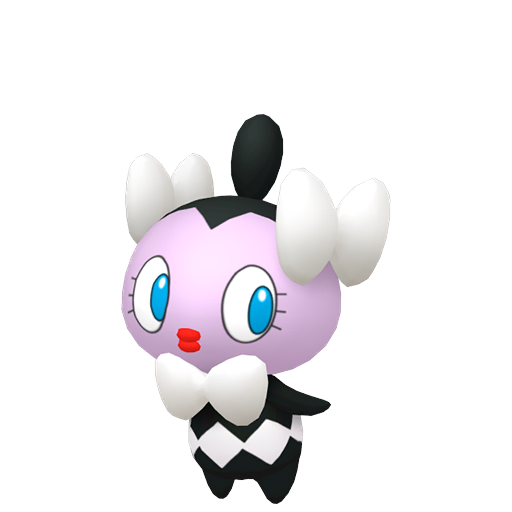
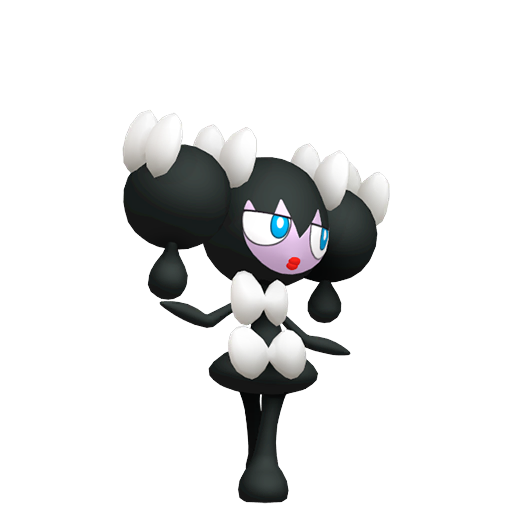
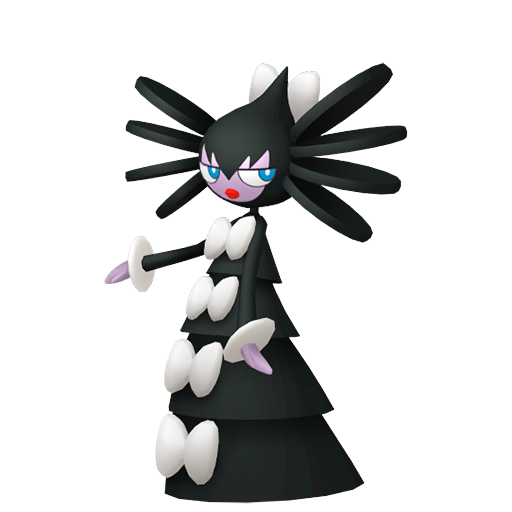
What it does
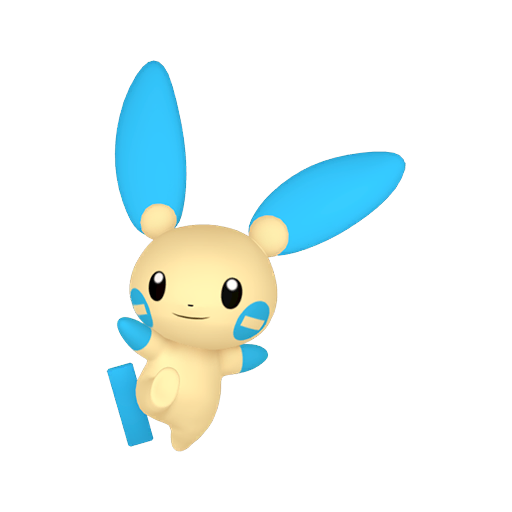
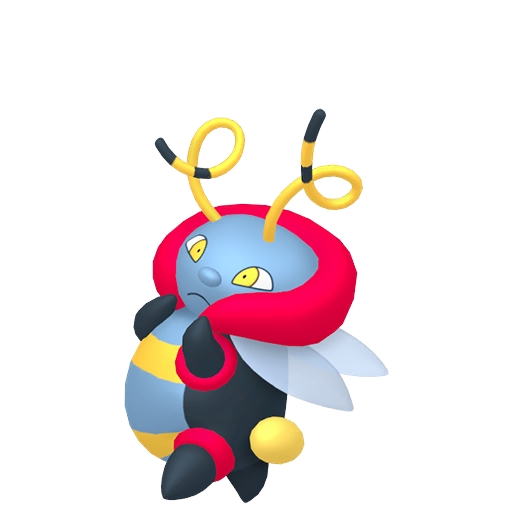
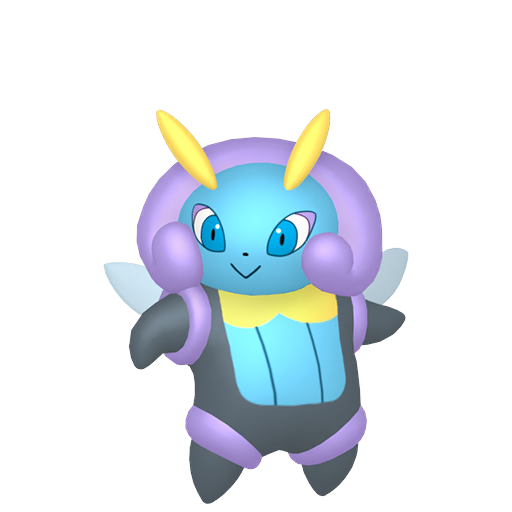
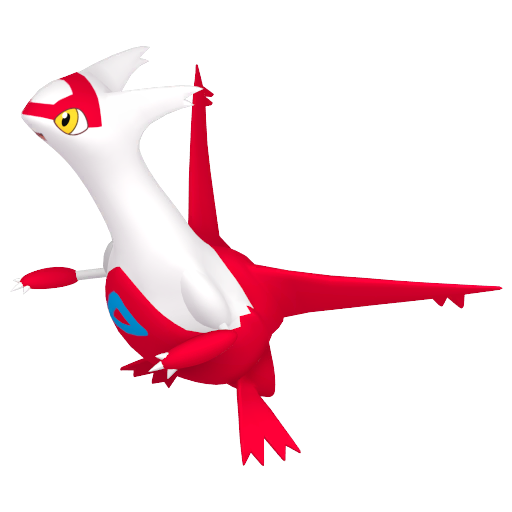
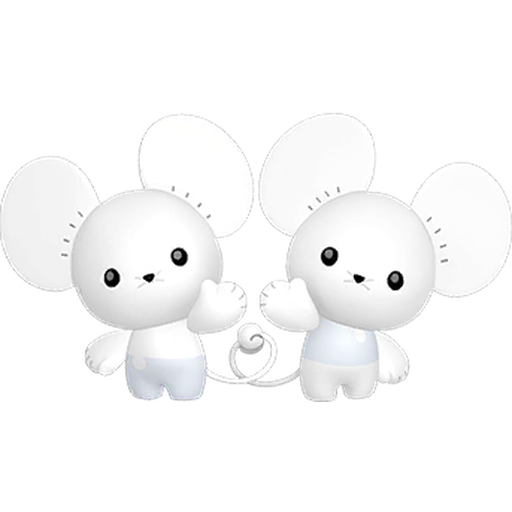
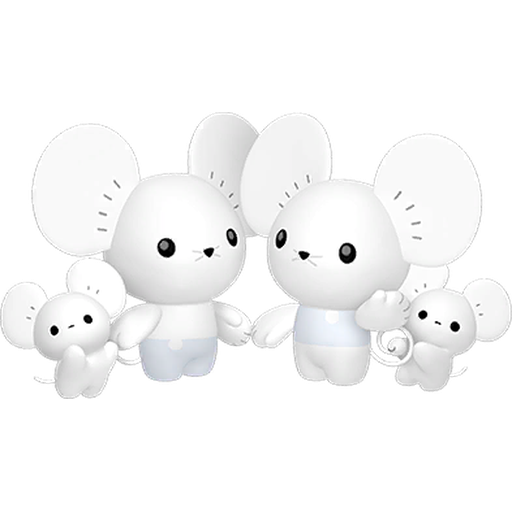
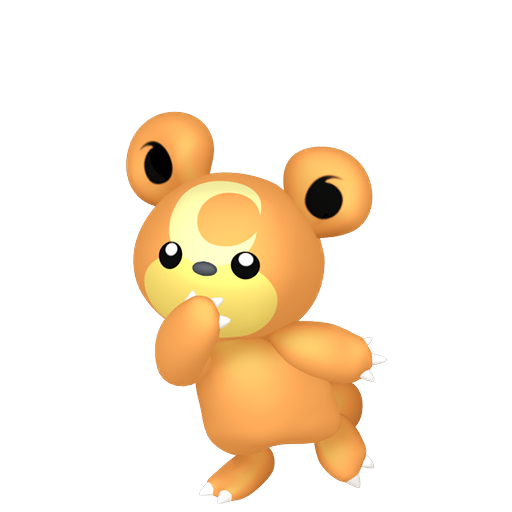
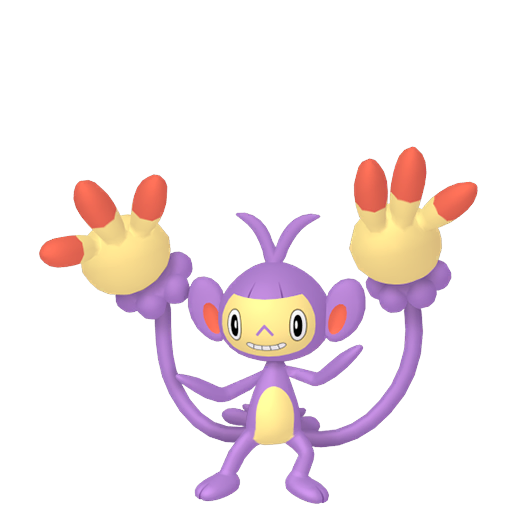
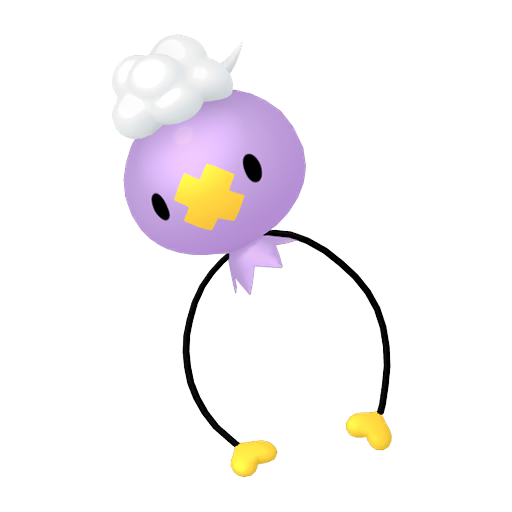
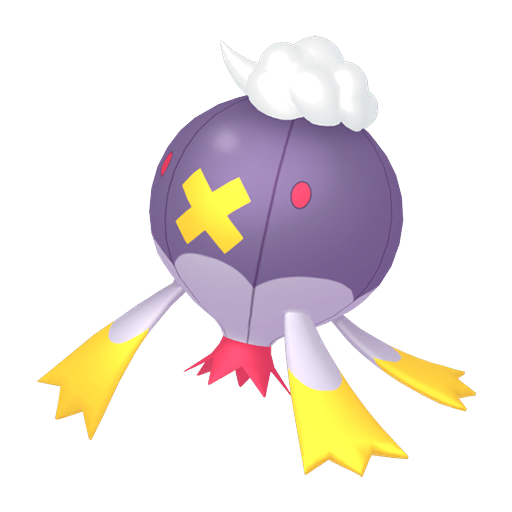
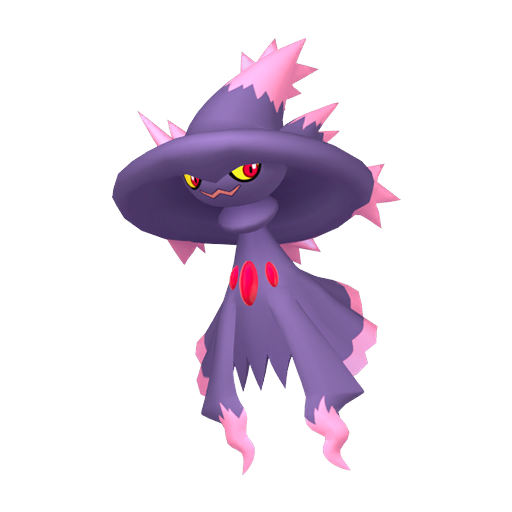
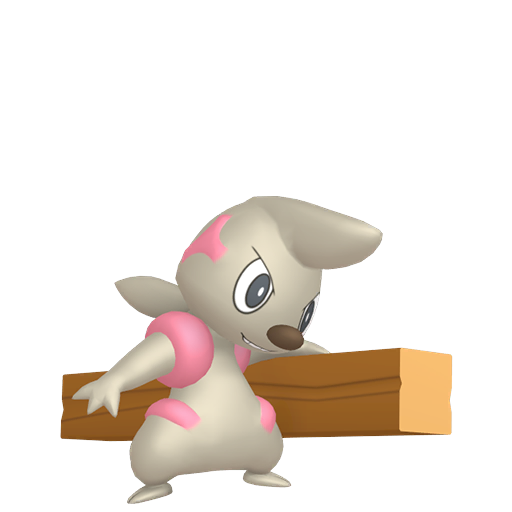
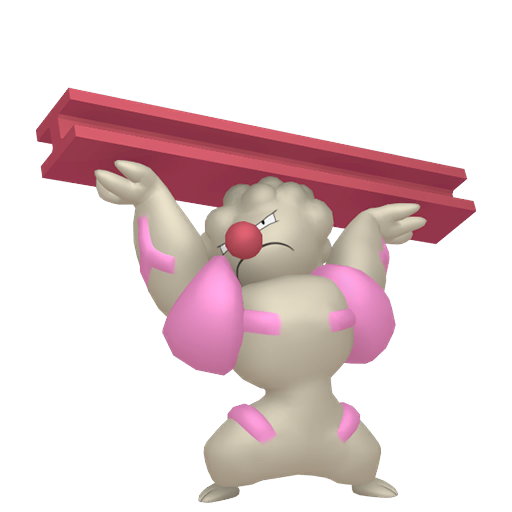
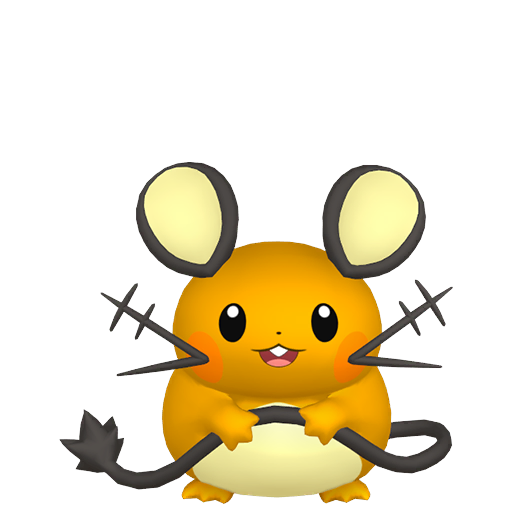
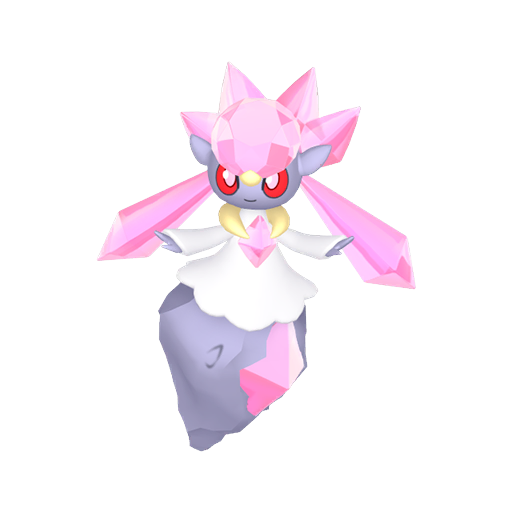
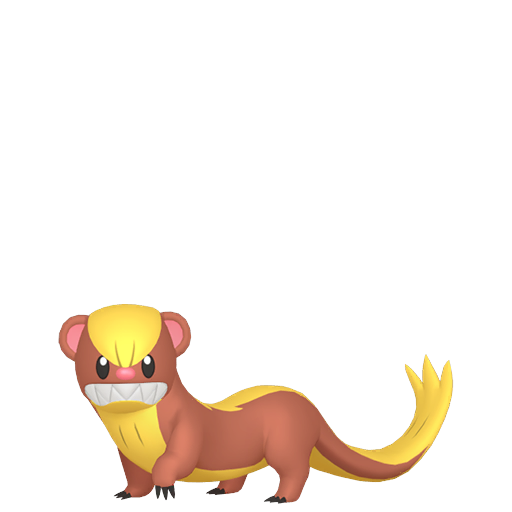
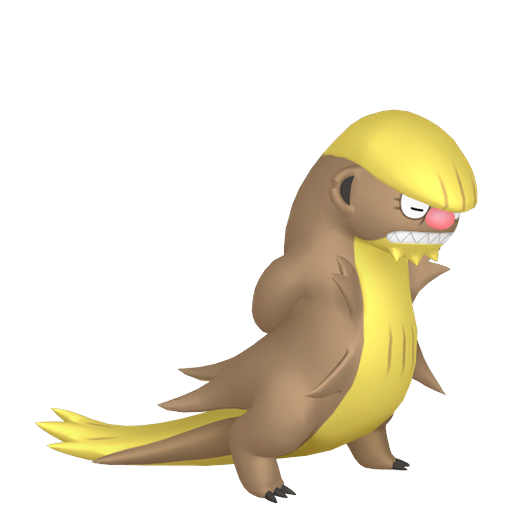
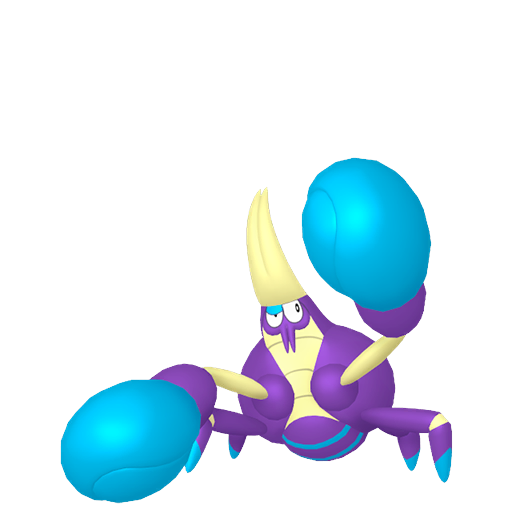
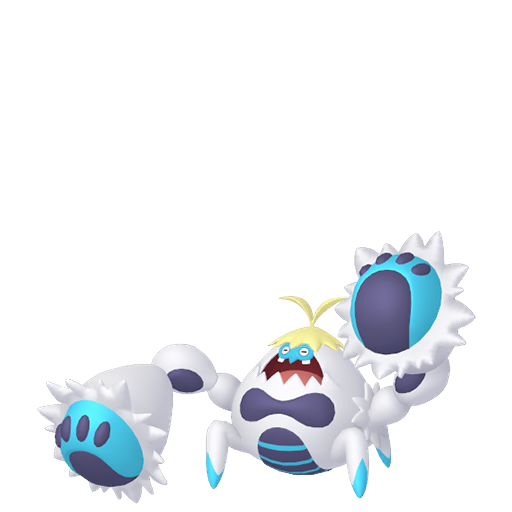
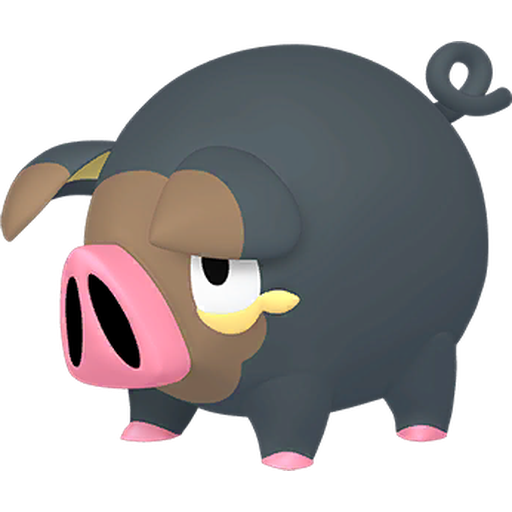
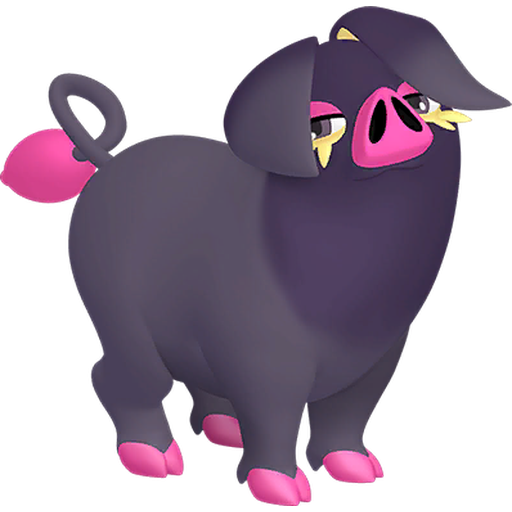
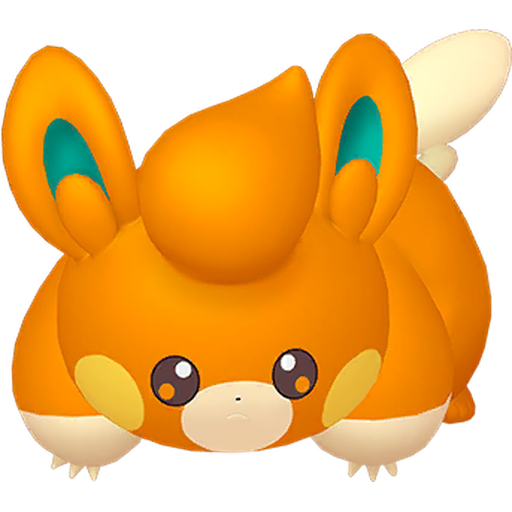
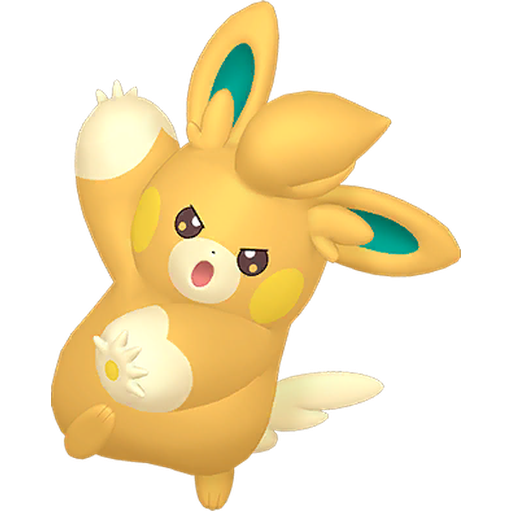
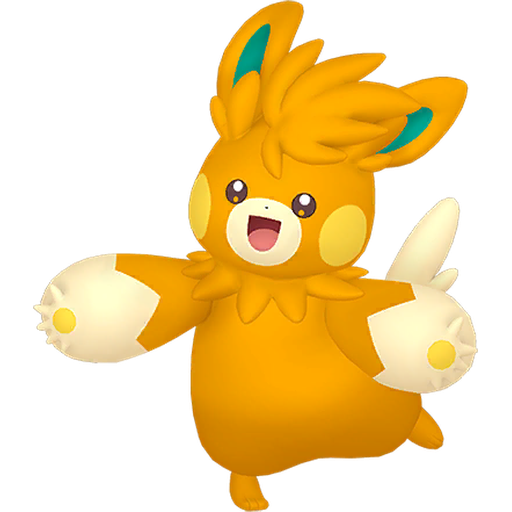
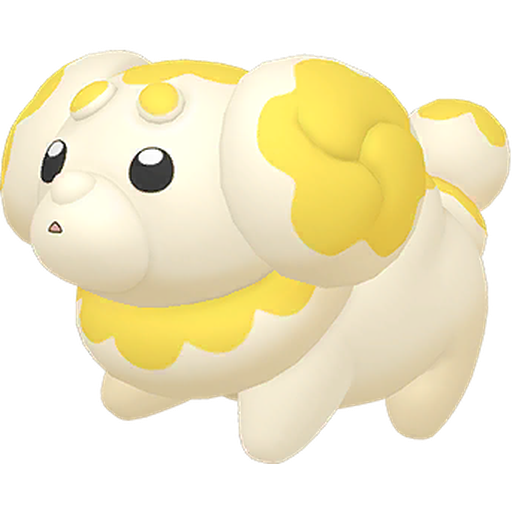
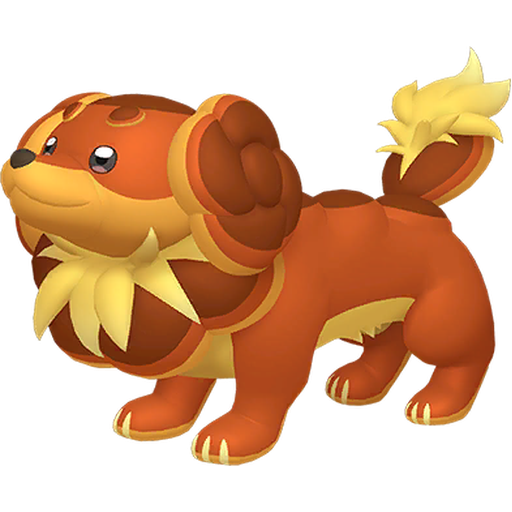
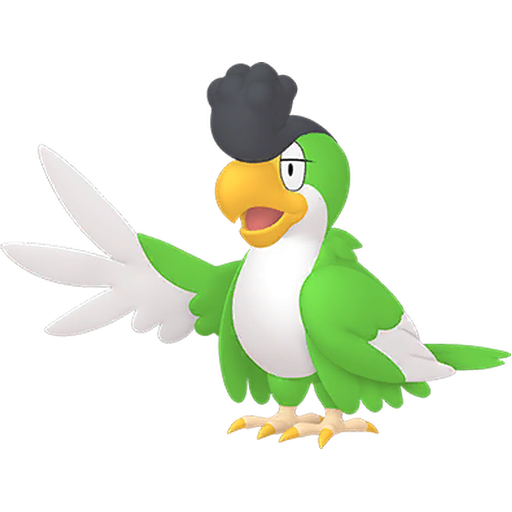
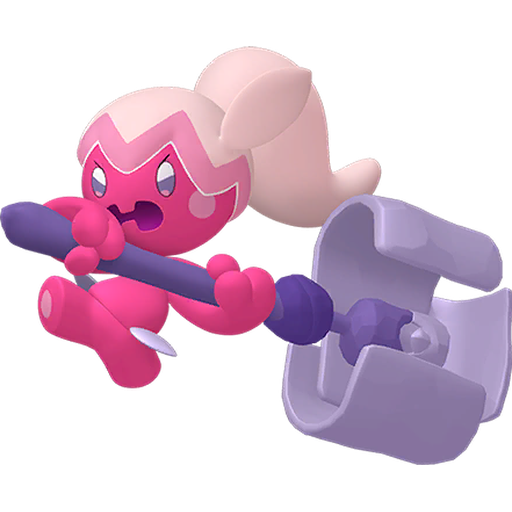
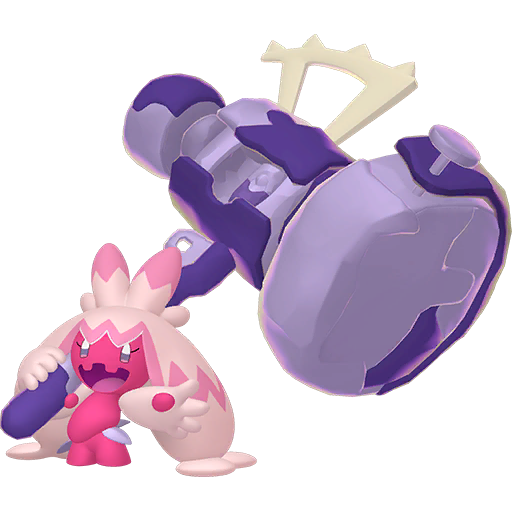
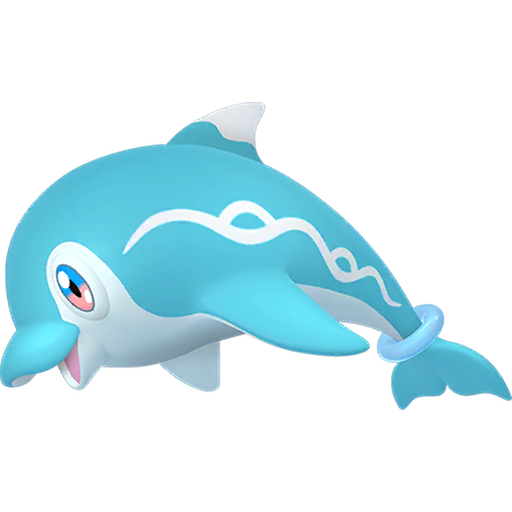
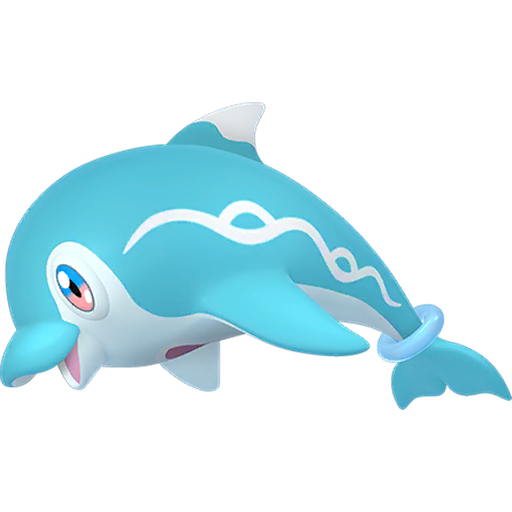
Helping Hand is a status move with a single function: target your own ally in doubles and multiply the power of their move this turn by ×1.5. Priority is +5, which means it resolves before almost every attacking move in the game.
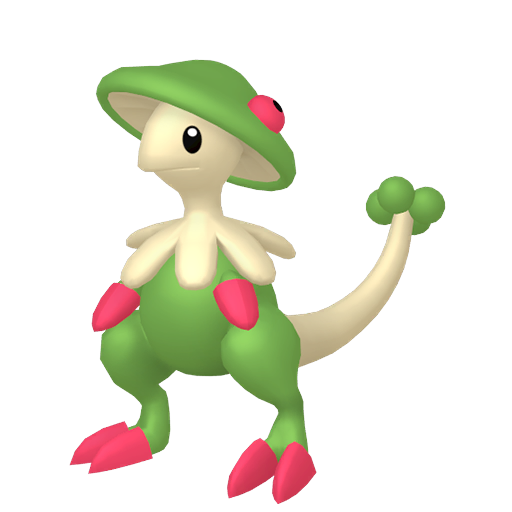
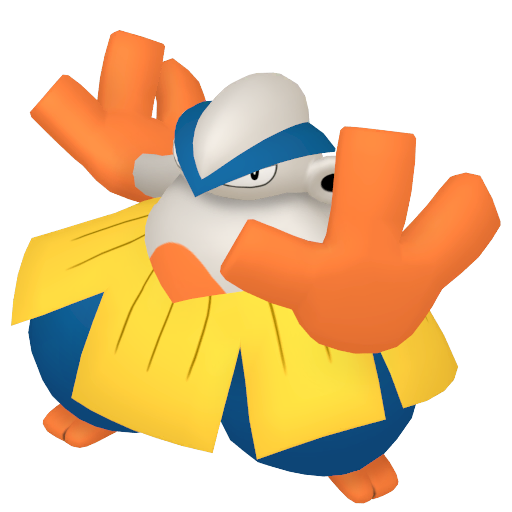
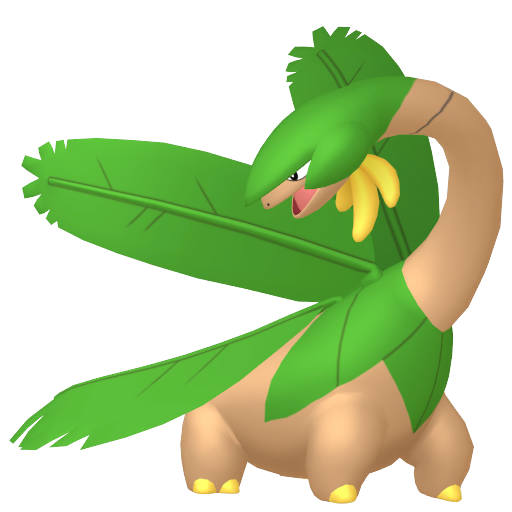
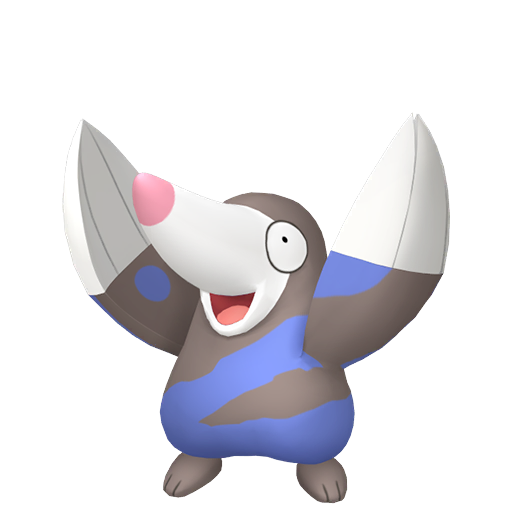
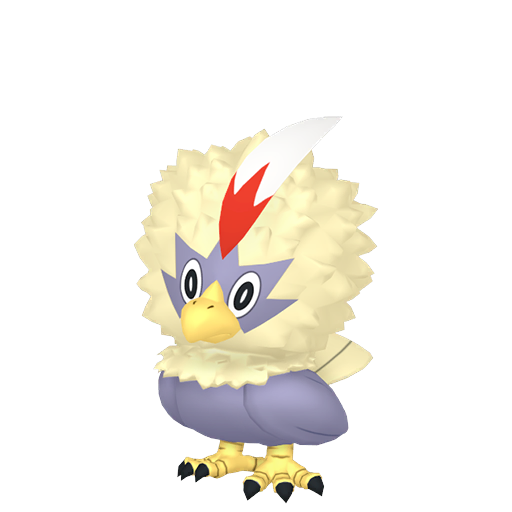
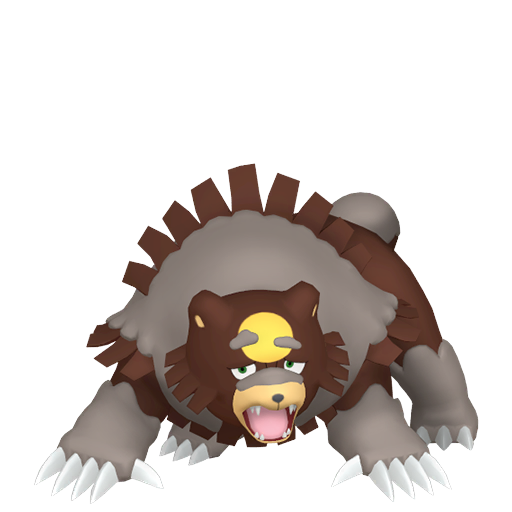
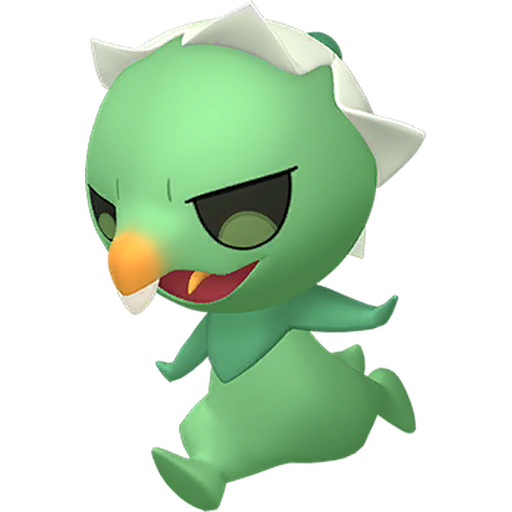
That ×1.5 sits in its own independent damage bracket. It stacks multiplicatively with STAB (×1.5), type-boosting items, terrain, and weather — nothing replaces it. A concrete worked example: Earthquake in doubles already carries a ×0.75 spread penalty. Add Helping Hand and the net coefficient becomes ×0.75 × ×1.5 = ×1.125 — the spread penalty is fully cancelled and you come out 12.5% ahead of unboosted single-target damage, while hitting both opponents. A Rillaboom that normally lands 65% HP damage on a target hits 97.5% with Helping Hand, which at the low end of the 85–100% damage roll still secures a KO that otherwise required a high roll or follow-up.
In Champions, Tera, Z-Move, and Dynamax are all absent from Ranked Battles, which strips away many single-turn damage escalation tools. Helping Hand fills that gap more cleanly than in formats where those gimmicks are present.
In singles there is no ally slot — the move has no legal target and should be cut from every singles build.
Who runs it
Tier 1: Prankster users. Prankster grants +1 priority to all status moves, so Helping Hand resolves at +6. At that level it is essentially unchallengeable.
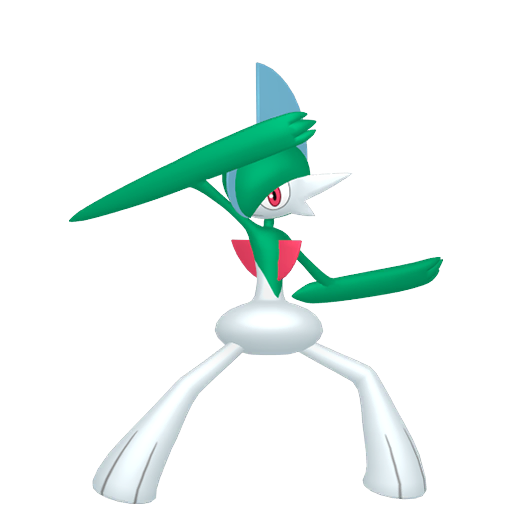
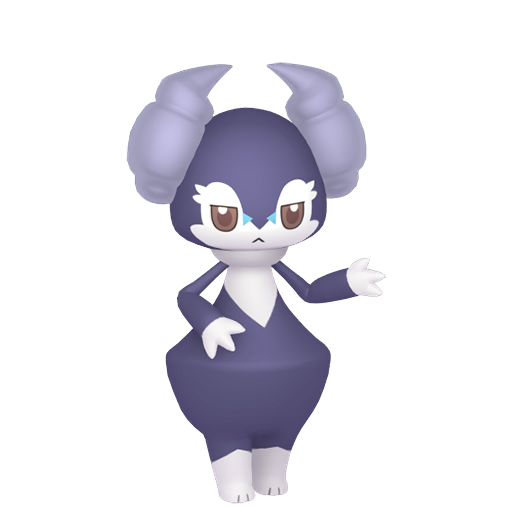
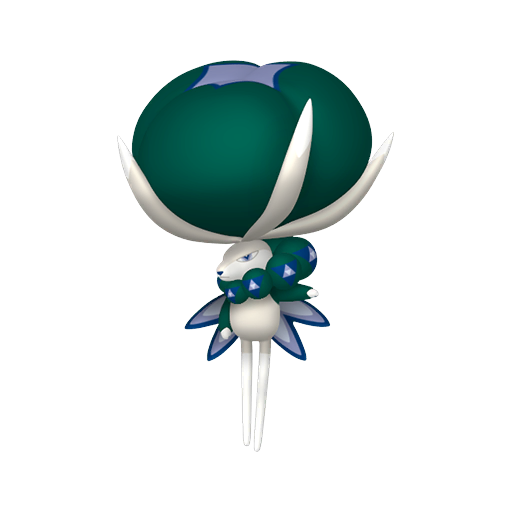
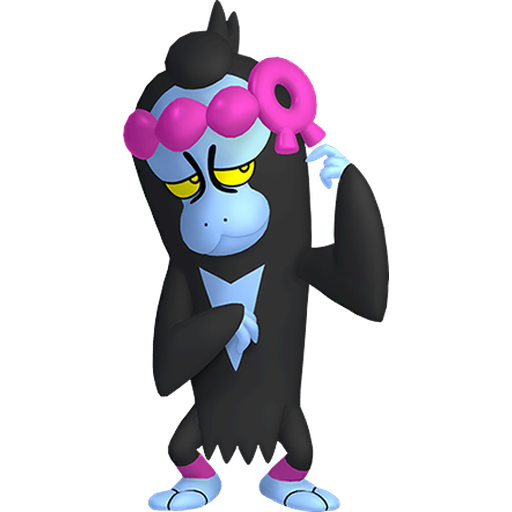
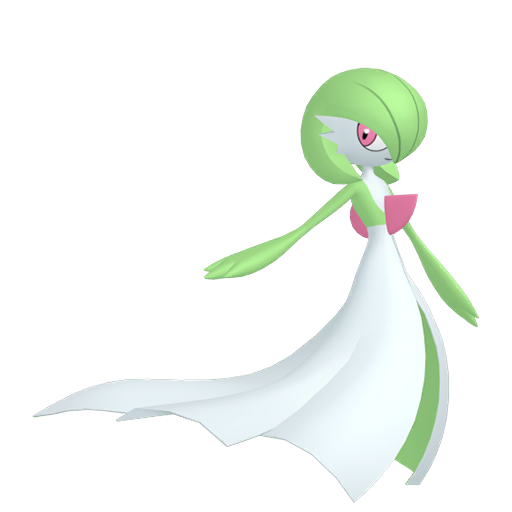
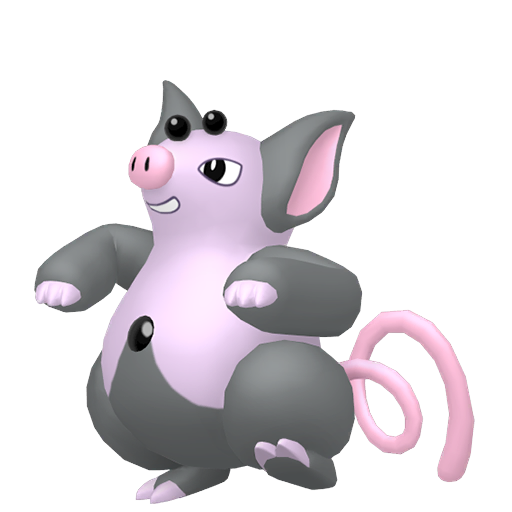
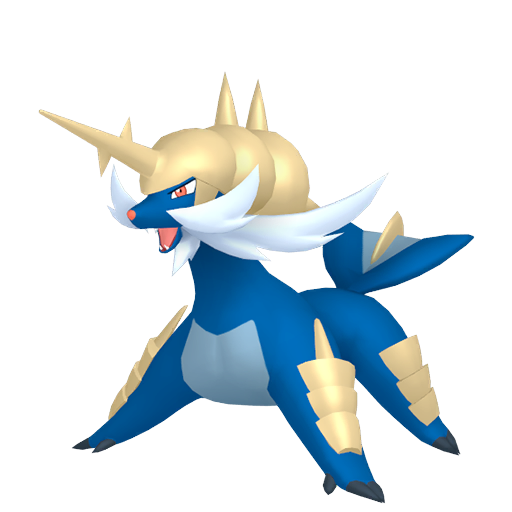
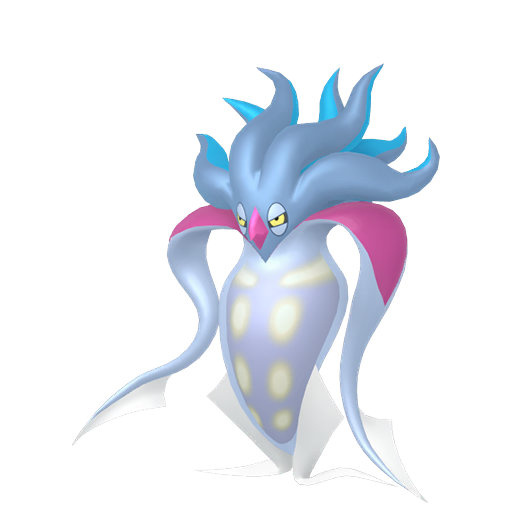
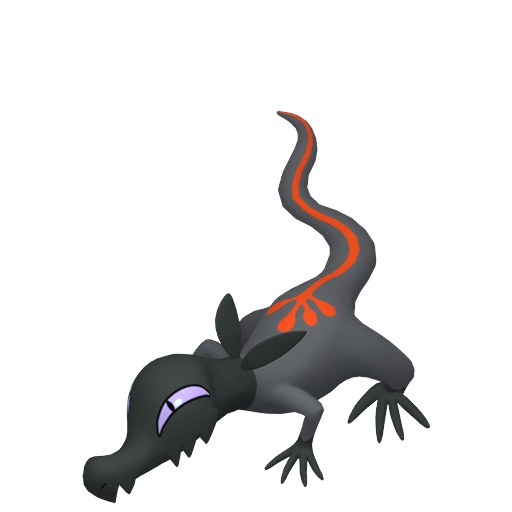
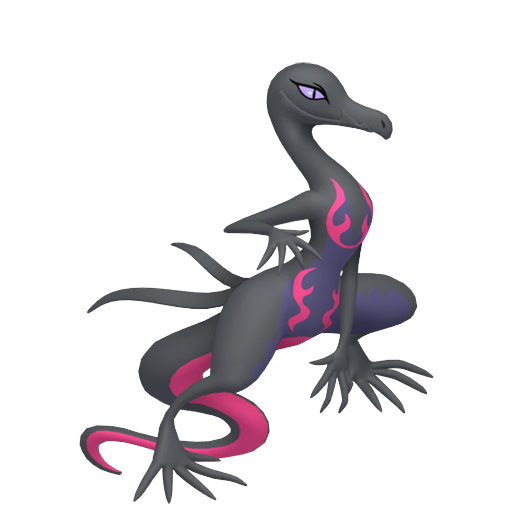
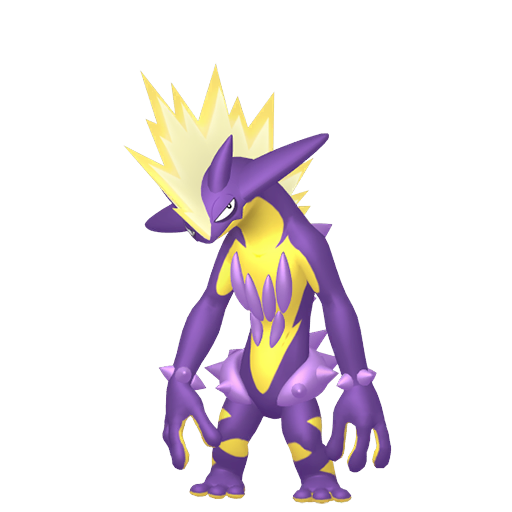
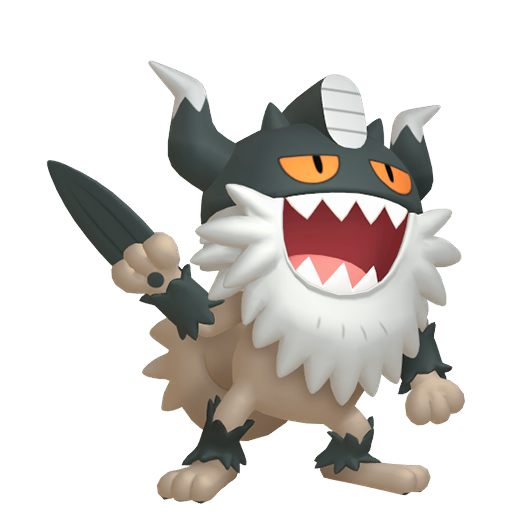
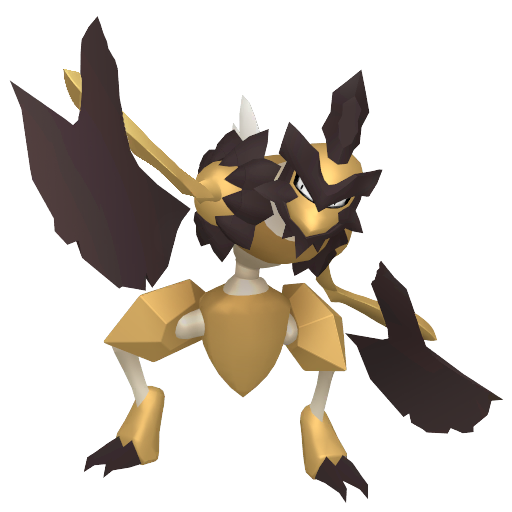
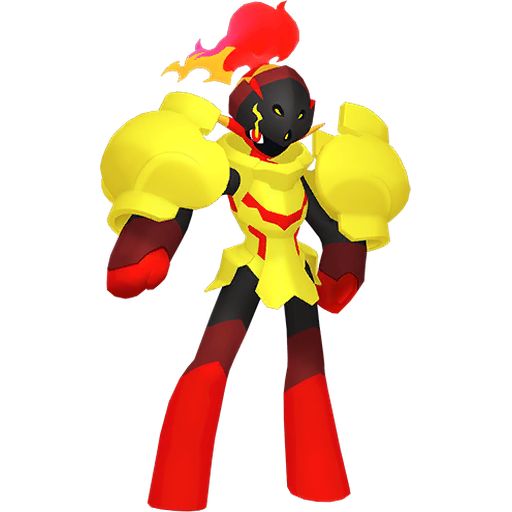
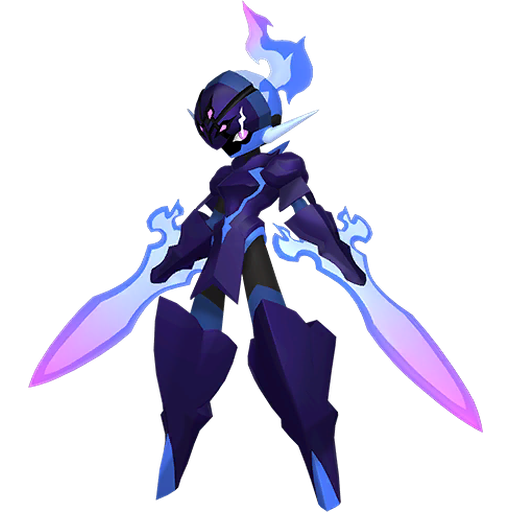
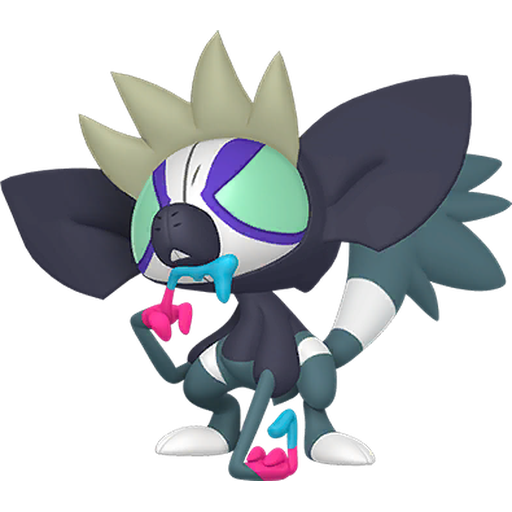
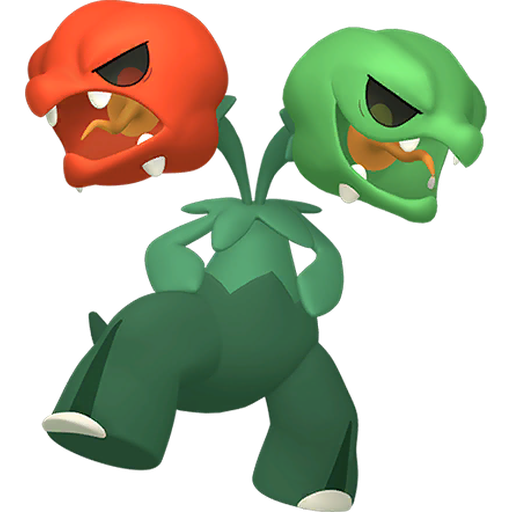
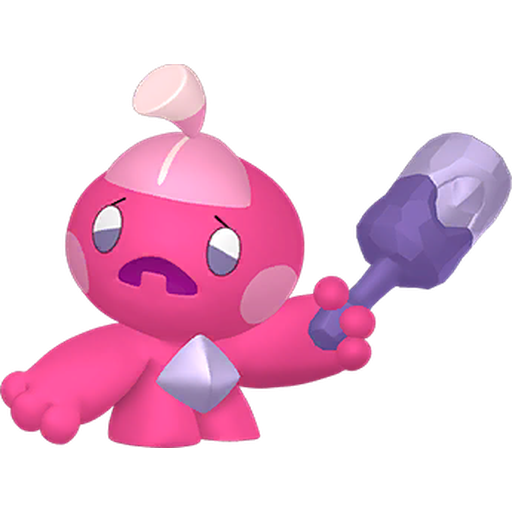
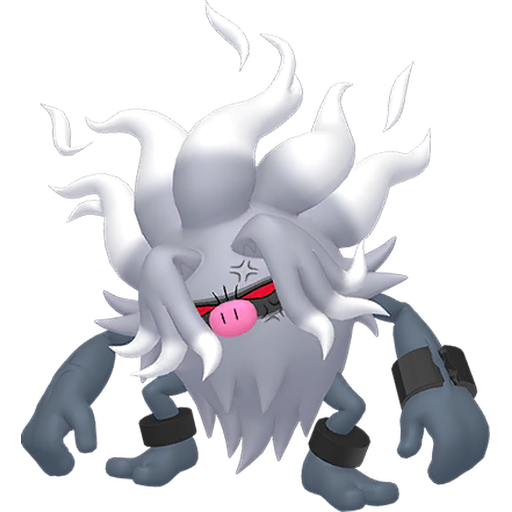
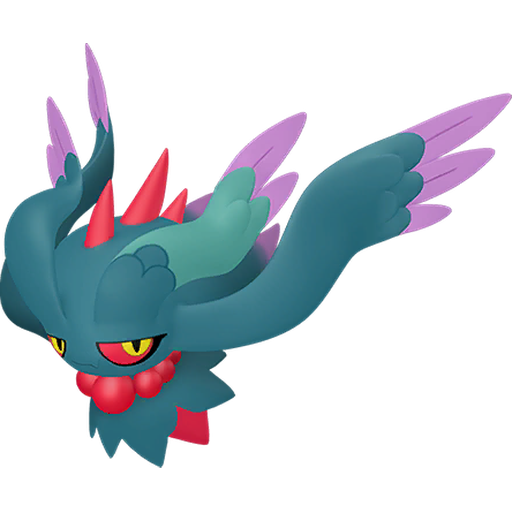
- Grimmsnarl: the textbook Prankster support. Helping Hand, Reflect, and Light Screen all fit the same slot, giving it flexibility to address what the matchup needs. When the team has a Mega win condition, Grimmsnarl pairs with it naturally — screens reduce the damage the Mega takes while Helping Hand inflates what it outputs.
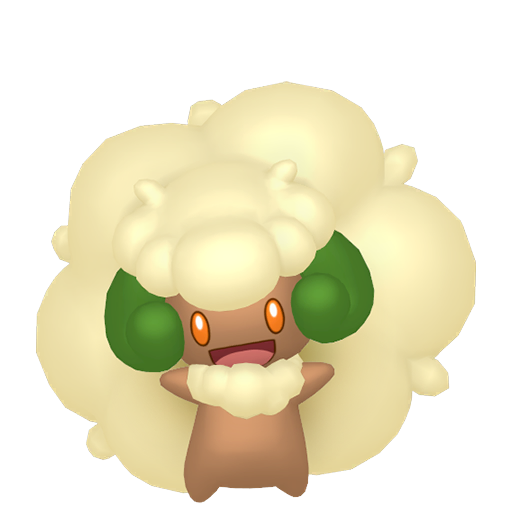
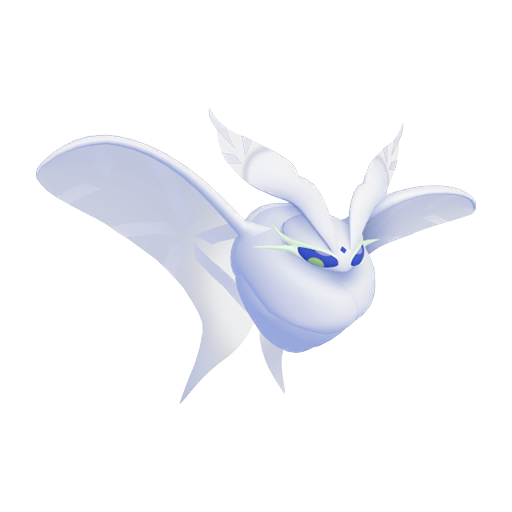
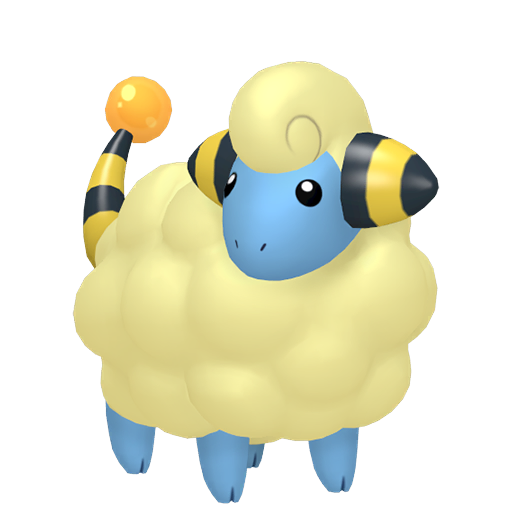
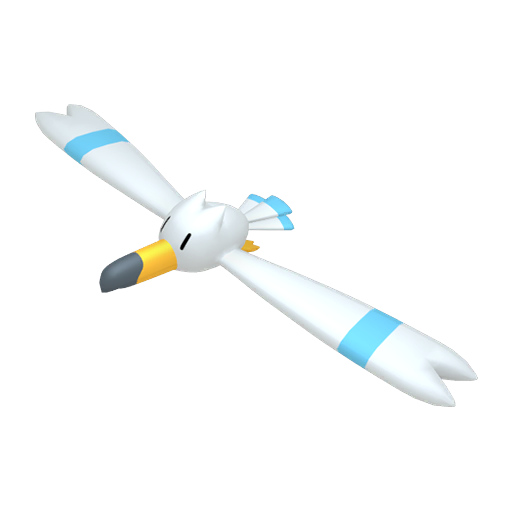
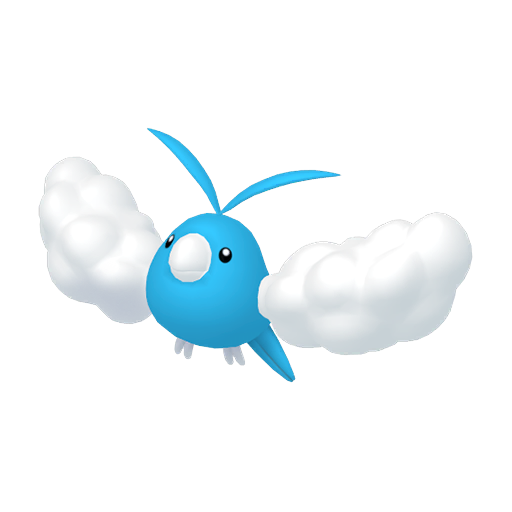
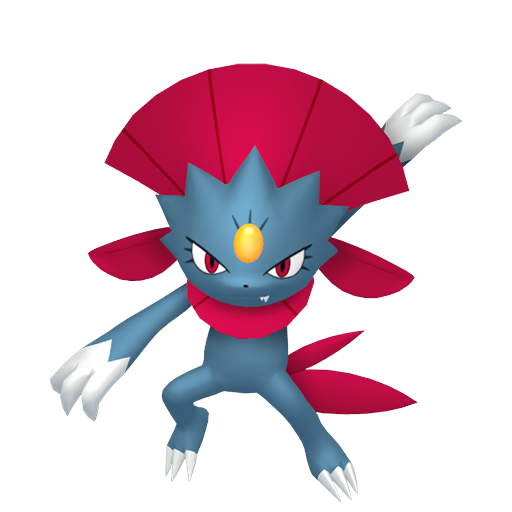
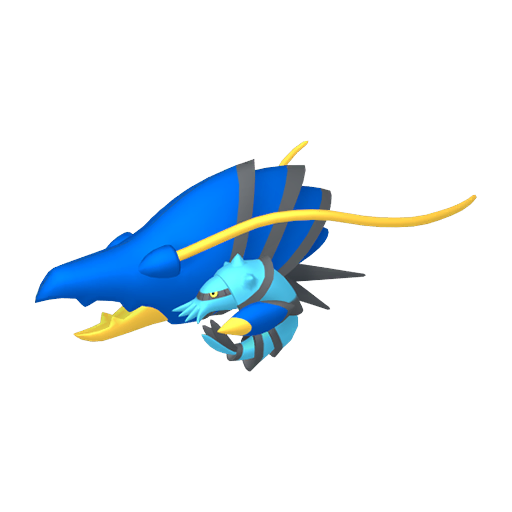
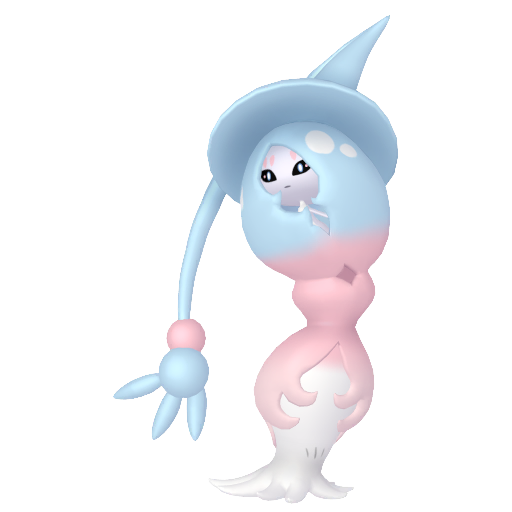
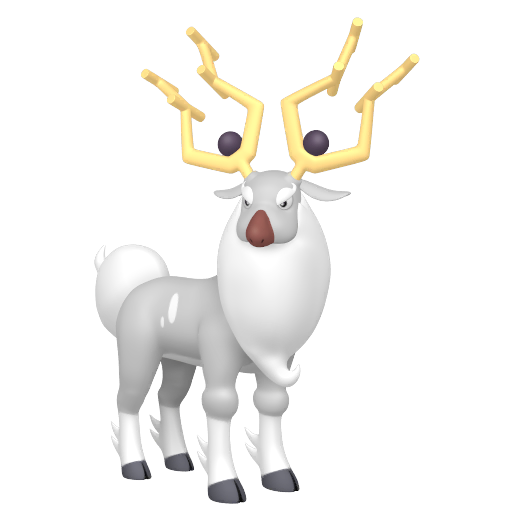
- Whimsicott: Prankster, and the choice between Tailwind and Helping Hand is matchup-dependent. Tailwind when Speed difference is the game's deciding factor; Helping Hand when a single burst of amplified damage ends a specific threat immediately.
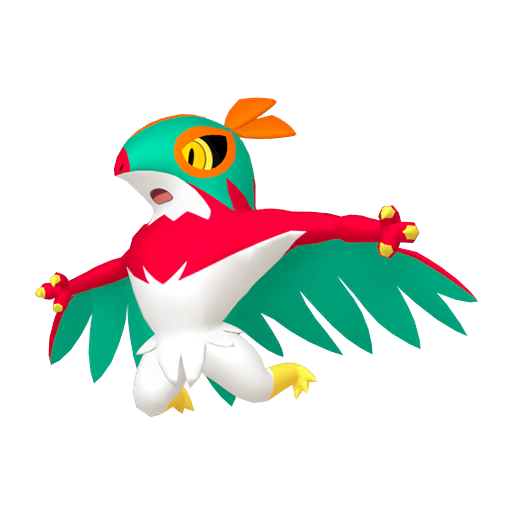
- Tornadus (Prankster forme): similar role, with slightly different move access. Rain Dance and Tailwind give it more tempo options, Helping Hand is one flex slot.
Tier 2: fast but low-damage generalist supports.
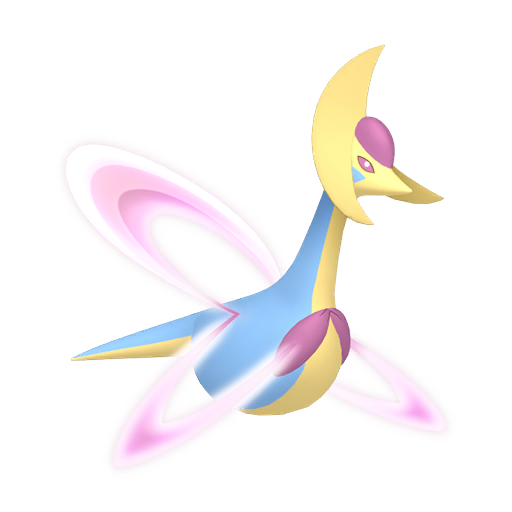
- Togekiss: mid-range Speed, Serene Grace Air Slash creates flinch pressure that forces opponent caution. Helping Hand covers the turns where flinch is less relevant and you need to spike damage instead. Follow Me and Helping Hand compete for the same role depending on whether you want to redirect or amplify.
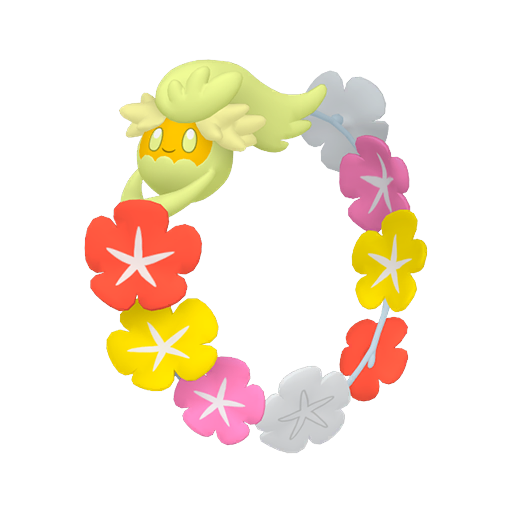
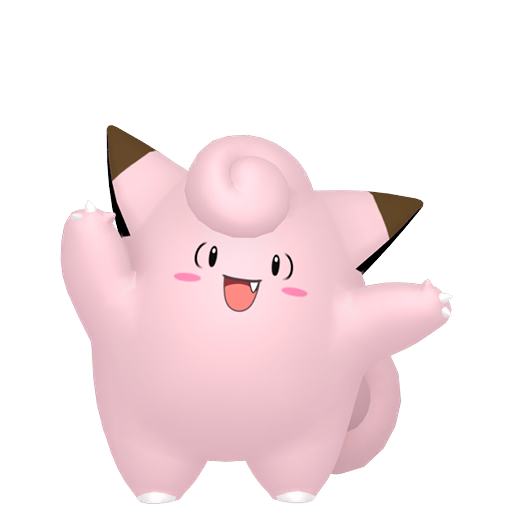
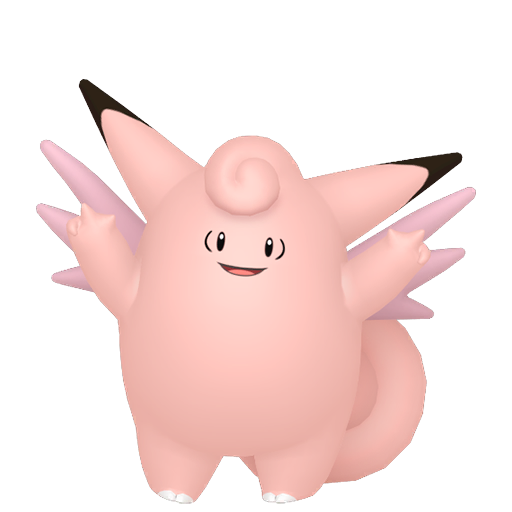
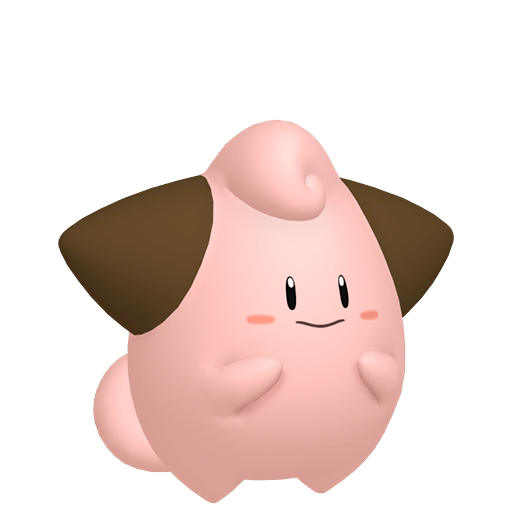
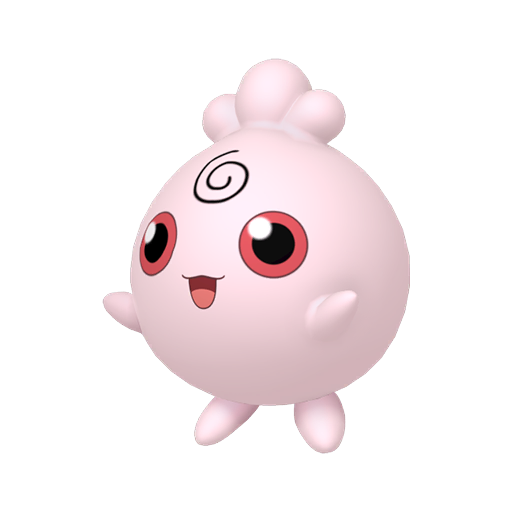
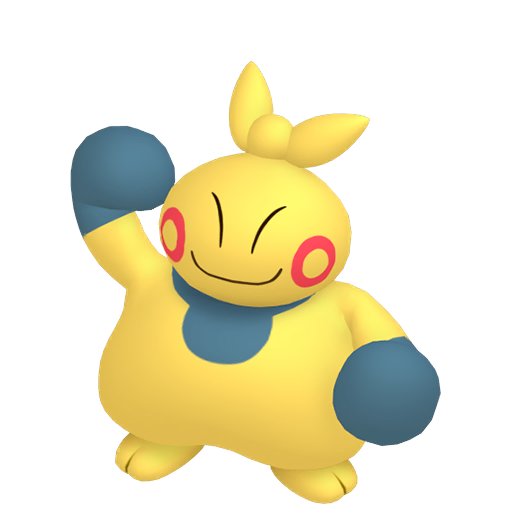
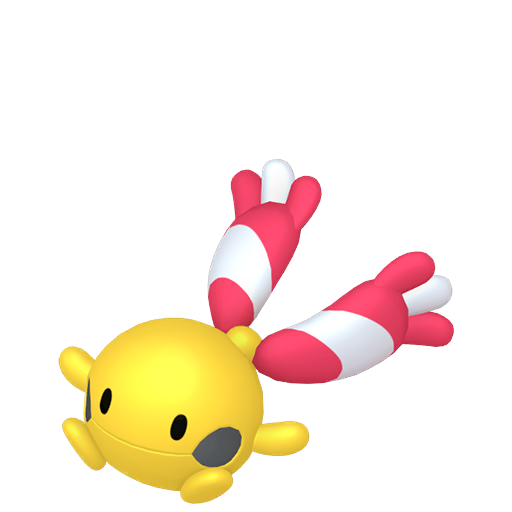
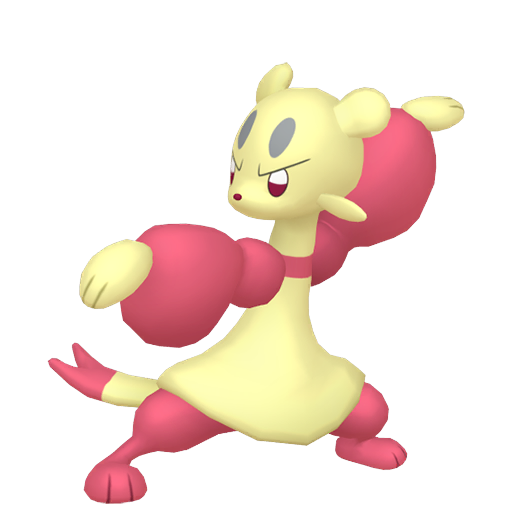
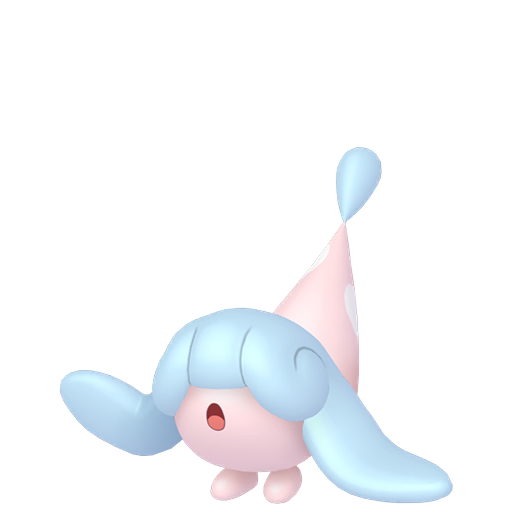
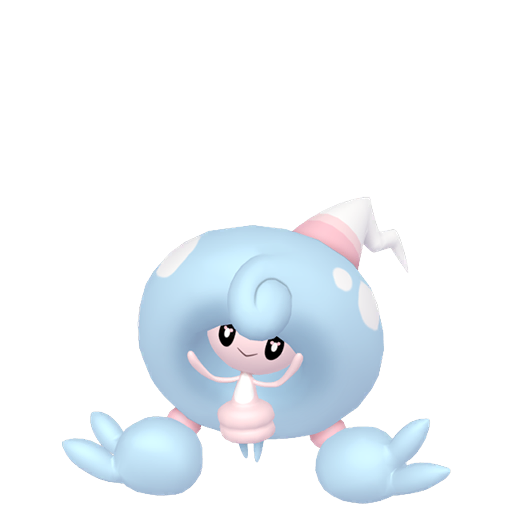
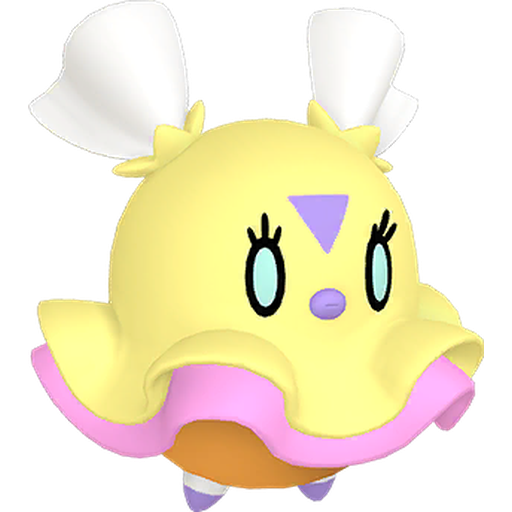
- Clefairy: Friend Guard passively reduces damage dealt to adjacent allies by 25%. Pair it with Helping Hand and you simultaneously lower the damage your attacker takes while raising the damage they deal. That dual-support role in one Pokémon is unusual and often underestimated. All Stat Points go into HP and defenses (cap 32 per stat) — offensive allocation is irrelevant.
Who should skip it: your main damage dealer (wastes an attack slot), and Pokémon significantly slower than the field whose turn order disadvantage creates problems even at +5 priority.
How to use it
Standard doubles turn pattern: support slot uses Helping Hand on the turn the damage dealer uses their best attacking move. Helping Hand at +5 resolves first, then the attack fires with ×1.5 already applied. The opponent's counterplay options are: Protect the target (burning the attacker's turn), or attack the support before Helping Hand goes out (which is faster than +5, essentially impossible for attacks). Both outcomes are readable one turn in advance.
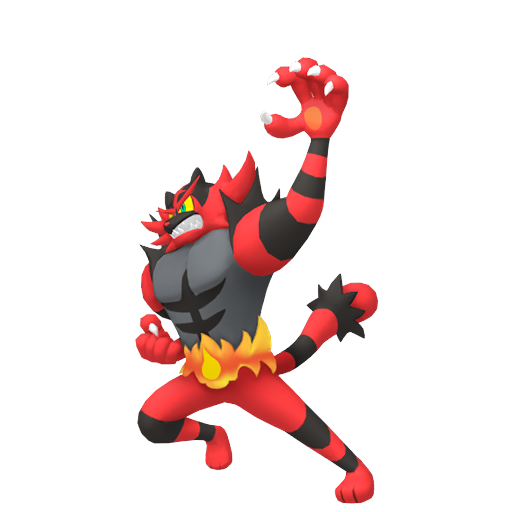
Fake Out stacking — the strongest T1 combination: T1, Incineroar uses Fake Out on whichever opponent is the bigger threat that turn, causing a flinch. The support simultaneously uses Helping Hand on your attacker. Result: the flinched opponent does nothing, your attacker deals ×1.5 damage with zero opposition. When this spike achieves a KO or drops the target low enough to finish next turn, it generates a two-on-one position before the opponent can react.
Coordinate the target: before committing to Helping Hand, confirm what your partner is actually doing that turn. Helping Hand does nothing for status moves — it only boosts a move with a Base Power. If your partner is using Spore or Will-O-Wisp, the boost is wasted. If your partner is using a spread move, check which target is the priority before deciding whether to redirect attention elsewhere.
Singles: cut entirely. No ally, no target, no use.
Tips & strategy
Two hard counters to Prankster Helping Hand:
- Taunt shuts off all status moves for 3 turns, Prankster included. A Taunted Grimmsnarl cannot use Helping Hand at all. The correct response when you predict a Taunt is to Protect or switch rather than walking into the shutdown. Opponents who recognise Grimmsnarl's role will often prioritise Taunt over an attacking move — read the pattern.
- Psychic Surge (Psychic Terrain) blocks priority moves targeting grounded Pokémon. The critical detail: what matters is whether the receiver of Helping Hand is grounded, not the user. If your support is airborne but your attacker is on the ground, the Prankster Helping Hand is still blocked. If your support is grounded but the attacker is Levitating, it goes through. Misreading this direction has cost games — sort out the correct target before assuming Helping Hand resolves.
Spread move math in full: ×0.75 (spread) × ×1.5 (Helping Hand) = ×1.125 net. This is 12.5% stronger than an unboosted move hitting a single target, and it hits both opponents simultaneously. Against teams that require chipping both sides before a win condition can close, this is among the most efficient outputs available in doubles.
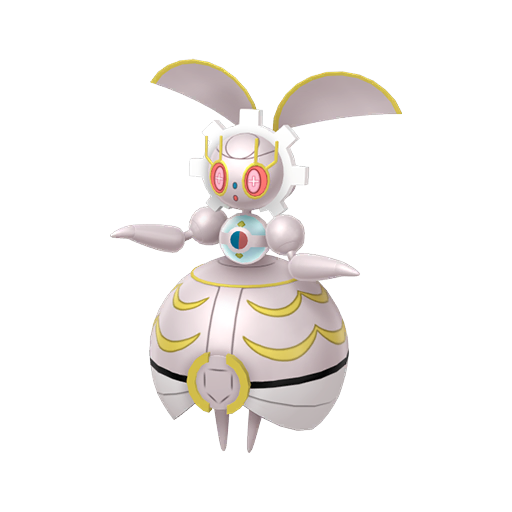
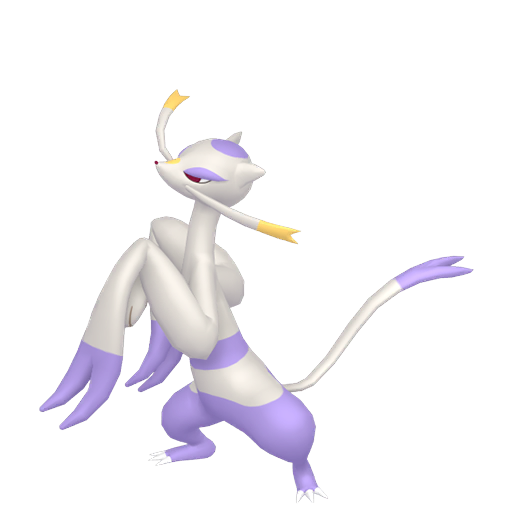
Mega Evolution pairing: under the Omni Ring rule each team runs exactly one Mega (holding its Mega Stone). The Mega is almost always the team's primary damage output. Dedicating a support slot to Helping Hand specifically to amplify the Mega's key attack turn creates a damage spike opponents must prepare for even when you don't execute it — the threat alone shapes how they target.
Stat Points for the support: the Helping Hand user needs no offensive allocation whatsoever. Put everything into HP and physical/special defense (hard cap 32 each), then invest Speed only to the minimum threshold needed to outpace whatever threats the support needs to move before. The move's own +5 priority handles almost all timing questions — the support's raw Speed is rarely the constraint.
Common-mistake autopsy: Helping Hand on the turn your partner Protects — the boost evaporates. This happens when the player is simultaneously thinking "the opponent will attack my damage dealer so my dealer should Protect" and "I should use Helping Hand to amplify my dealer." Those two reads are mutually exclusive. If you believe your attacker needs to Protect, do something else instead of Helping Hand. If you're using Helping Hand, you're committing to the read that your attacker will be firing a move that turn. Keep these two decisions separate and the wasted-boost rate drops sharply.