

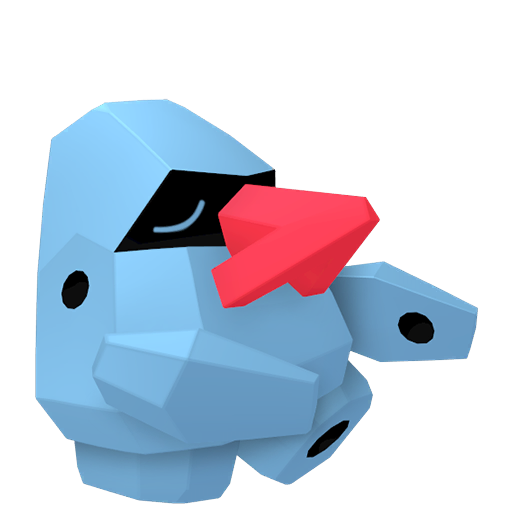

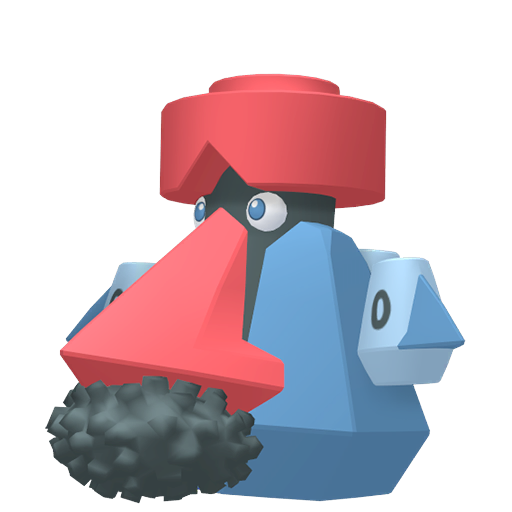



















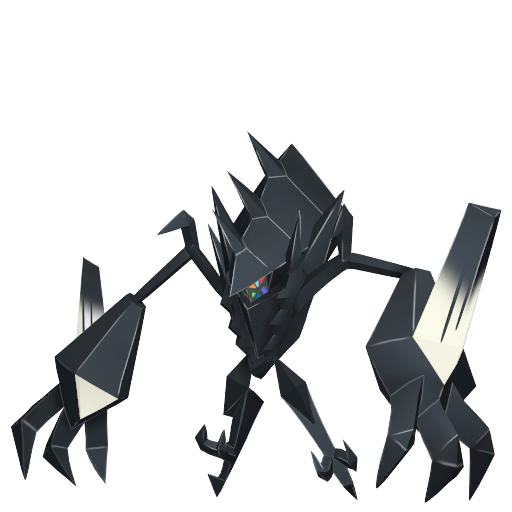
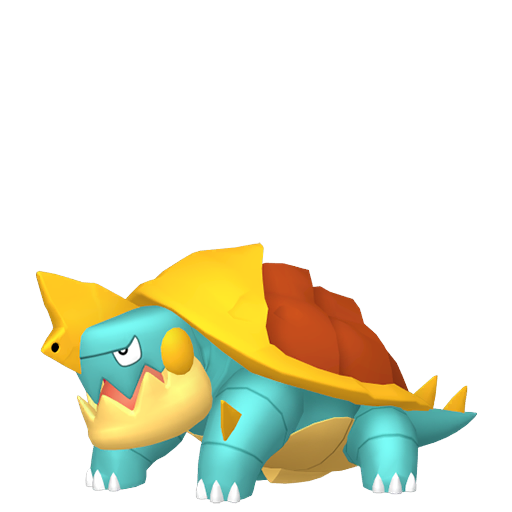
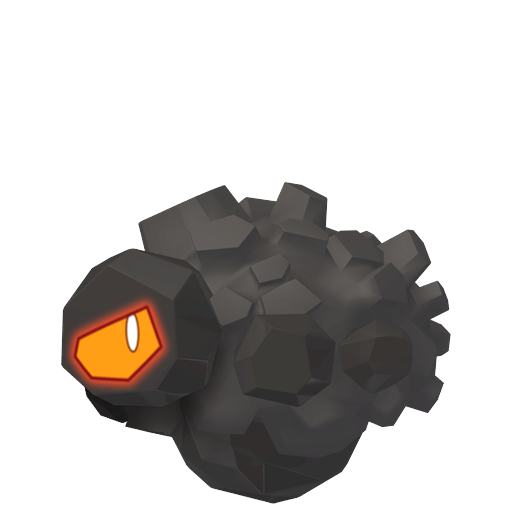
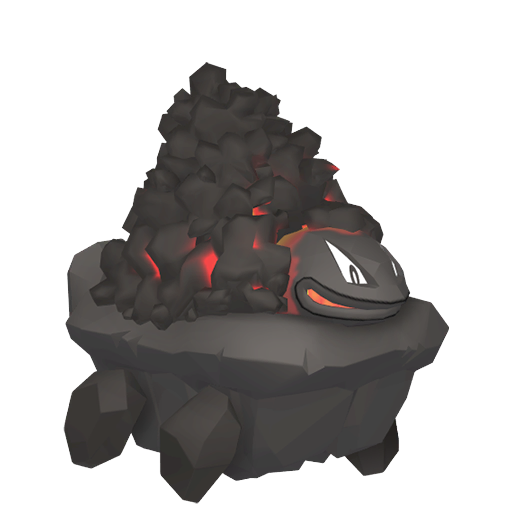
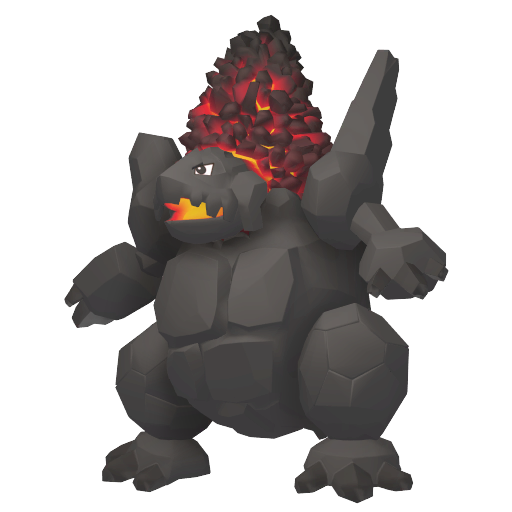


What it does
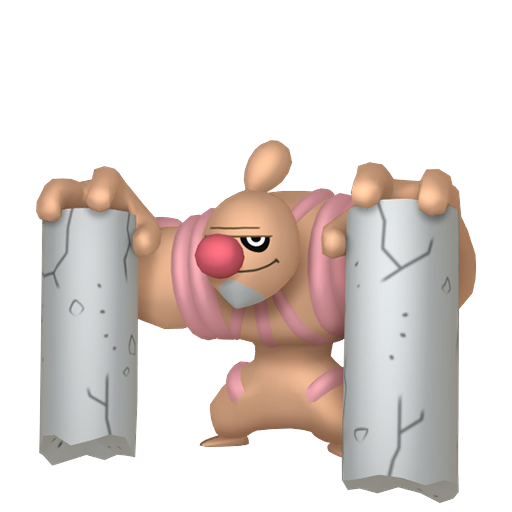
Rock Slide is a Rock-type physical move: 75 base power, 90% accuracy, 10 PP. In doubles it hits both opposing Pokémon simultaneously, each taking ×0.75 damage. Every hit carries a 30% flinch chance, cancelling the target's queued move for that turn.
The flinch math is the whole point. Single-turn flinch rate per target: 30%. Over three turns against one target (no Protect), the probability of landing at least one flinch is 1−0.7³ ≈ 65.7%. In doubles, the chance that at least one of two targets flinches in a given turn is 1−0.7² ≈ 51%. That's not variance — that's a reliable engine for disruption when you go first.
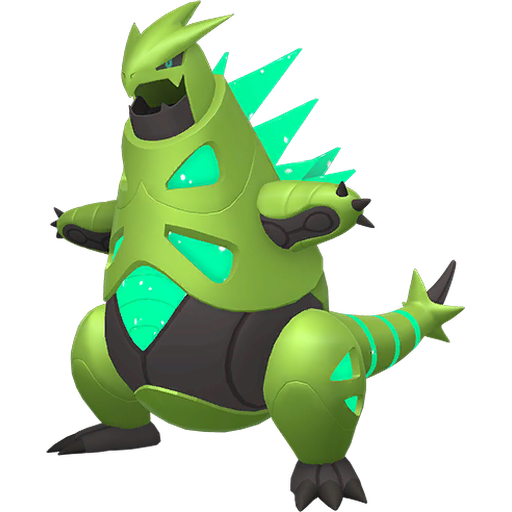
The spread damage in real terms. 75 power ×0.75 spread reduction = effectively 56.25 base power per target. On its own that's modest. Layer in STAB ×1.5 (net 112.5 modifier), a Choice Band (×1.5 Attack), and maxed Stat Points in Attack (cap 32 points in Champions, worth roughly +64 Attack at Lv50): a Tyranitar with base 134 Attack pushing ~195 after investment will deal meaningful damage to both targets every turn, dropping Flying/Fire/Ice types into KO range frequently. The move's value is the combination — two targets, potential flinch, solid coverage typing — not the per-hit number alone.
Coverage lands on exactly what doubles needs. Rock hits Flying, Fire, Bug, Ice, and Grass for super-effective damage. Flying-type speed controllers (Pelipper, Tornadus) and Fire-type attackers are among the most common Pokémon in doubles. One action catching two of them is high-efficiency resource use. No stat changes in Champions — power, accuracy, and flinch rate are standard.
Who runs it
The 99% club — dedicated Rock-type attackers with STAB:
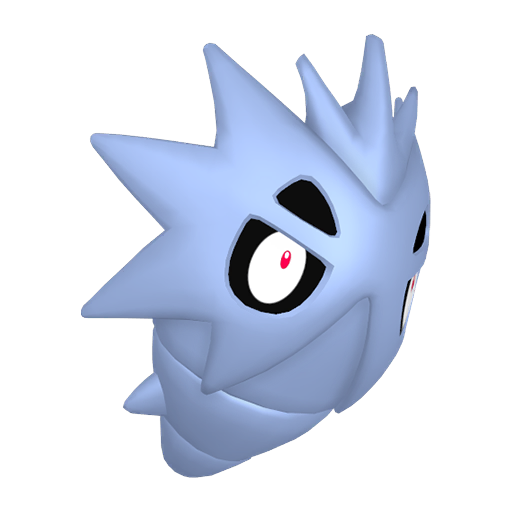
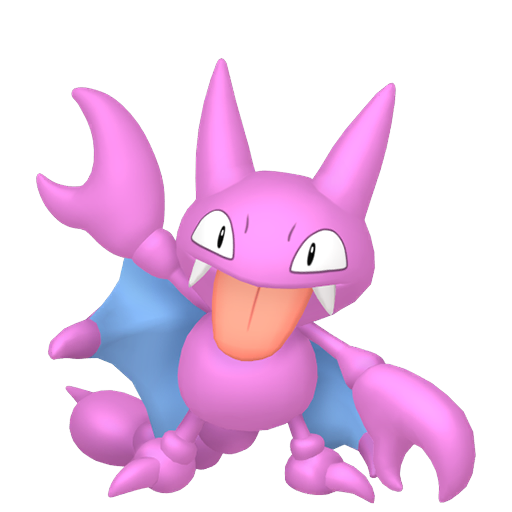
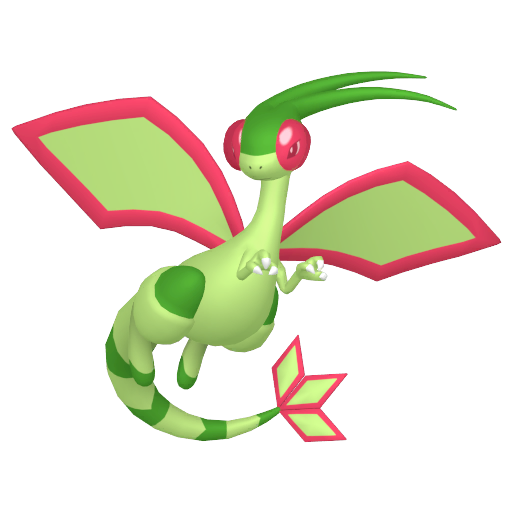
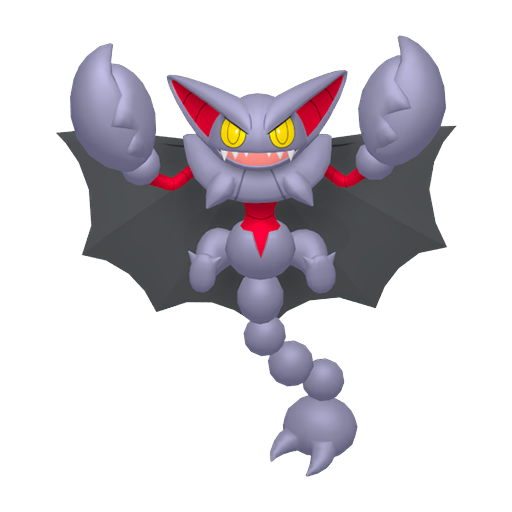
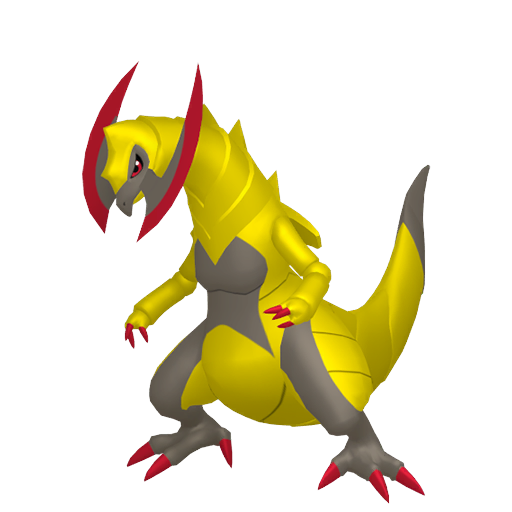
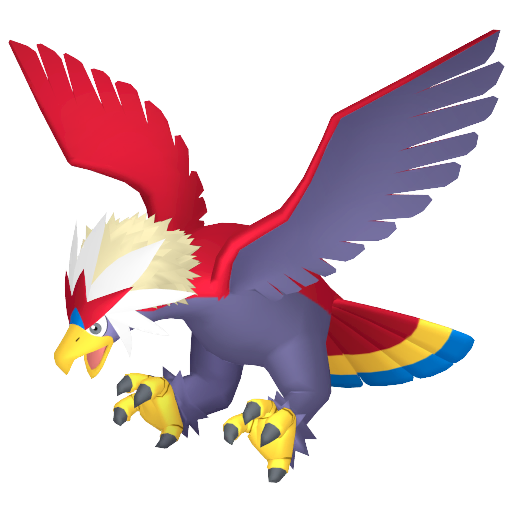
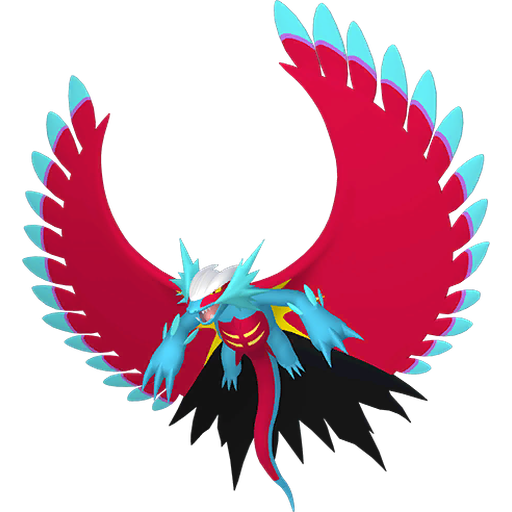
Aerodactyl is the definitive user. Base 130 Speed outspeeds almost everything without a Choice Scarf. It opens with Tailwind, then from turn two onward its effective Speed doubles to 260 — nothing on the opposing side moves before it. That means every flinch check happens after Aerodactyl's turn is already banked, so a 30% roll genuinely translates to 30% "that Pokémon did nothing this turn." Its Unnerve ability also suppresses Sitrus Berry triggers, shutting off passive HP recovery the same turn Rock Slide is landing. The speed + ability combination is why Aerodactyl runs Rock Slide at near-100% rates.
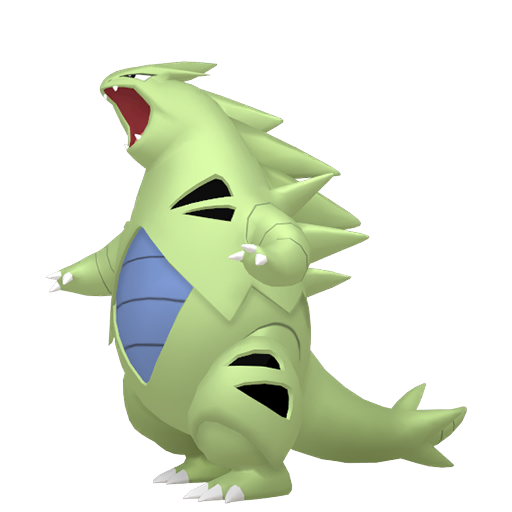
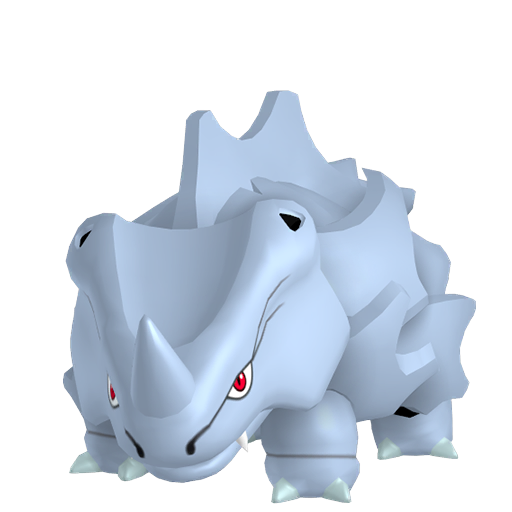
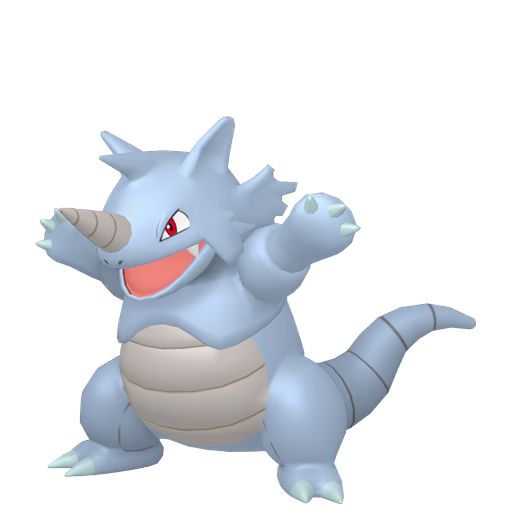
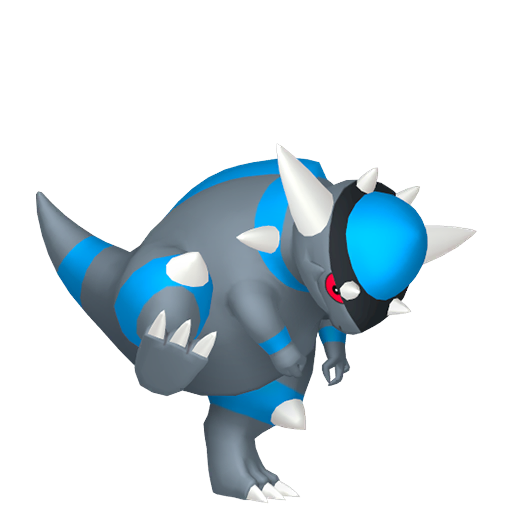
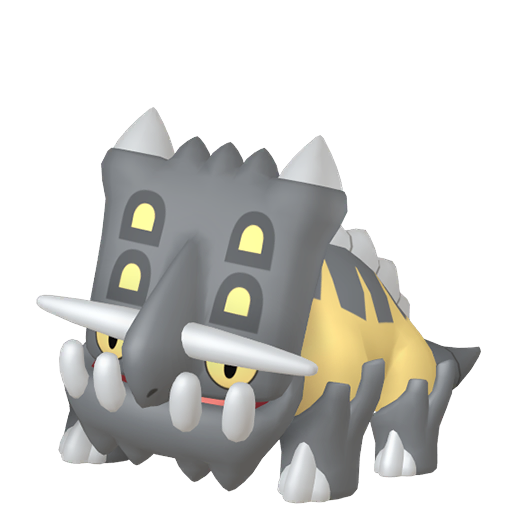
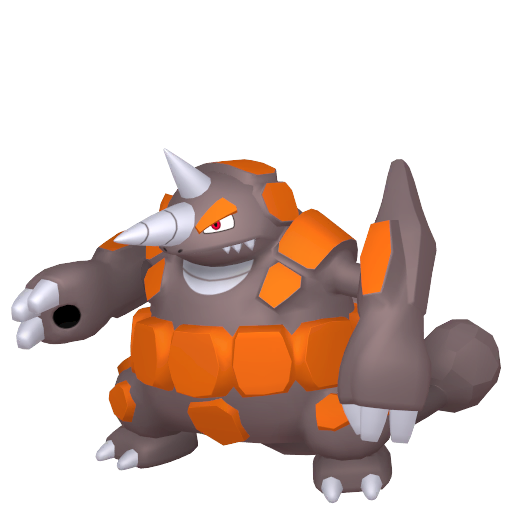
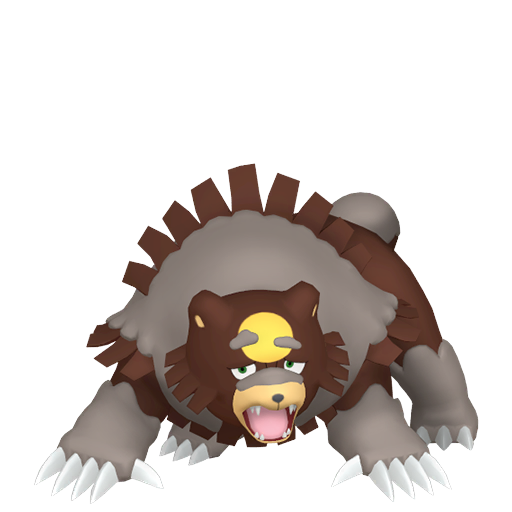
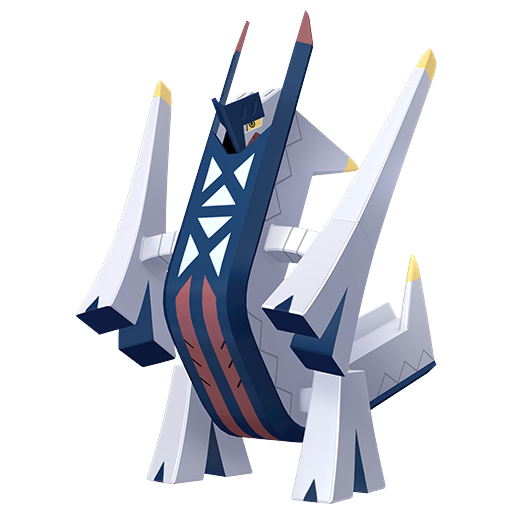
Tyranitar opens with Sandstorm via Sand Stream, then follows up with Rock Slide as a STAB spread move. STAB ×1.5 effectively brings the per-target power to 56.25×1.5 = 84.4, still spread-reduced but now threatening. The sand also fuels Sand Rush partners (Excadrill) doubling their Speed, so Rock Slide hits under a speed umbrella even without Tailwind. Rhyperior runs the same STAB script with base 140 Attack — slower, but paired with its own speed control or a Trick Room support, the damage output is severe.
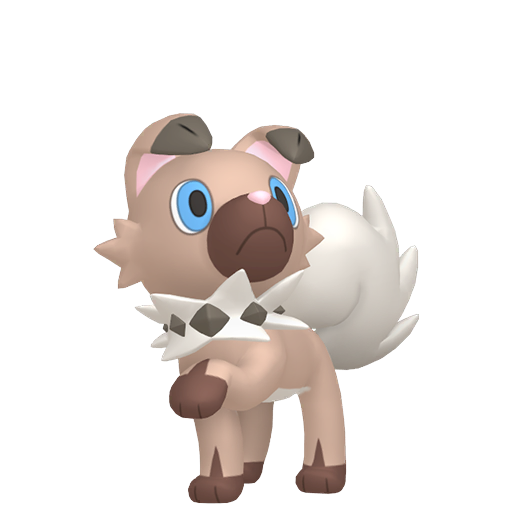
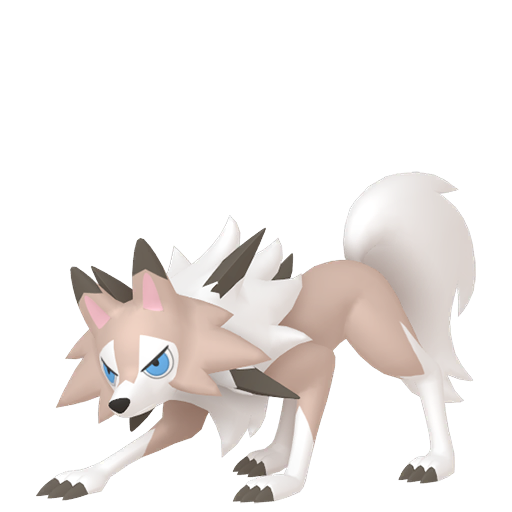
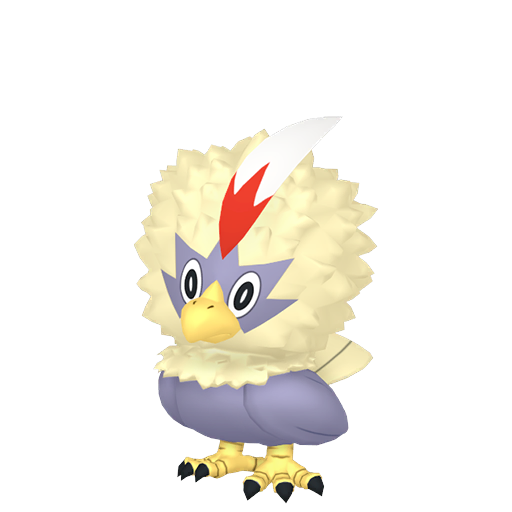
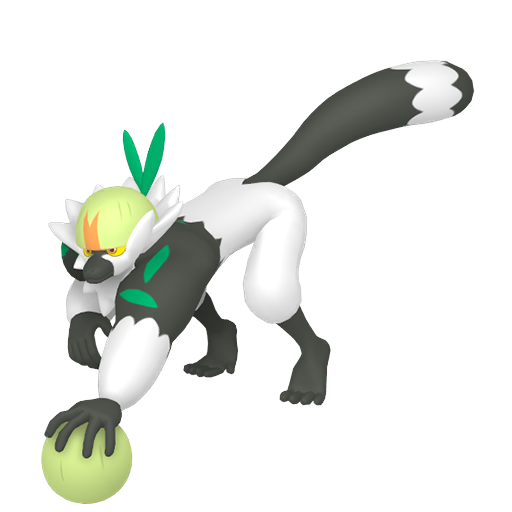
Lycanroc uses Rock Slide alongside Sand Rush on sand teams, or leans on its naturally decent Speed (base 112 in Midday form) to fire off flinch-relevant turns.
The coverage users — physical attackers buying a second spread slot:
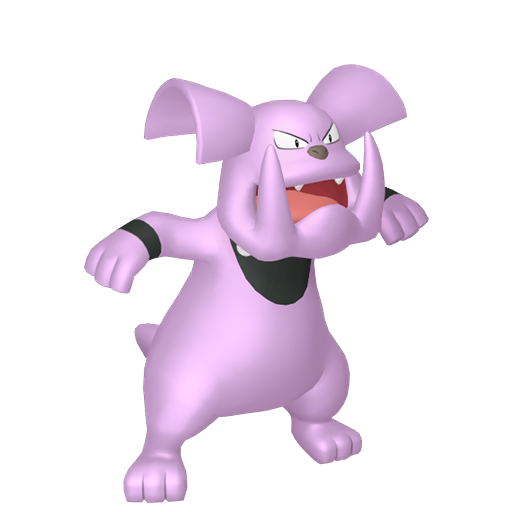
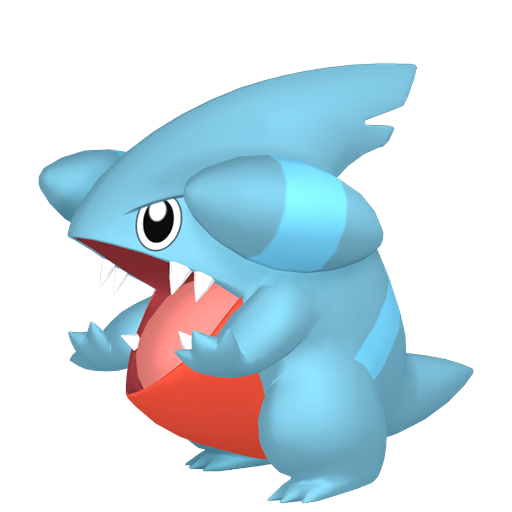
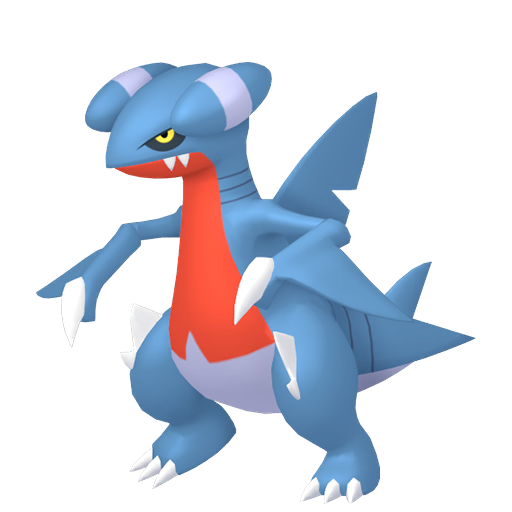
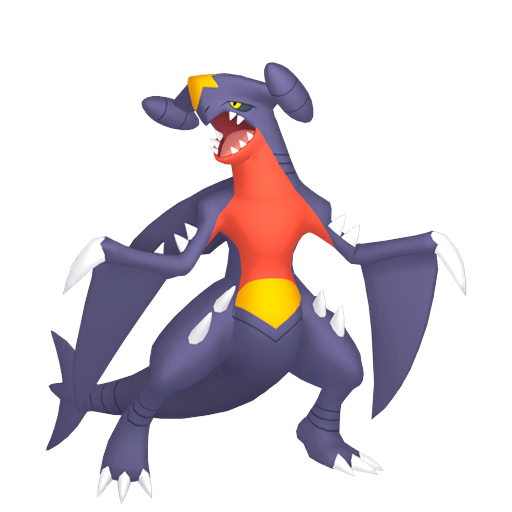
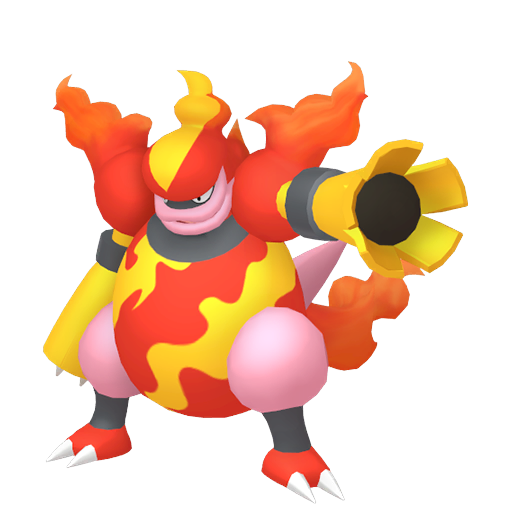
Garchomp (high usage, Rock Slide 80%+) pairs it with Earthquake. EQ is stronger but hits the ally; Rock Slide handles Flying/Fire/Ice targets with zero ally risk. These two moves together cover nearly every physical target without a gap. This is the cleanest dual-spread structure in the format.
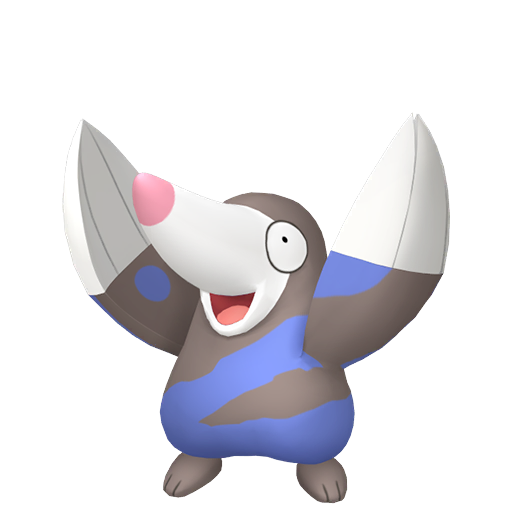
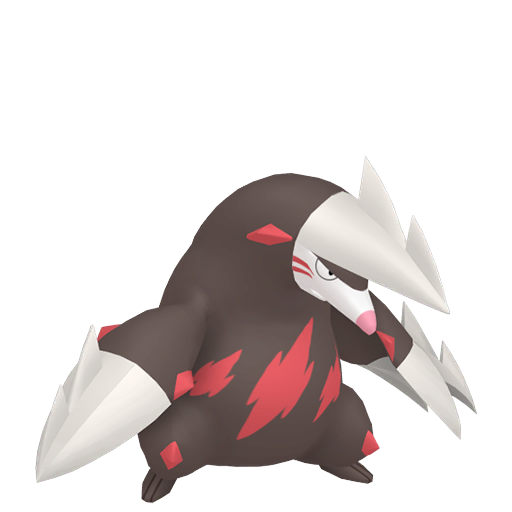
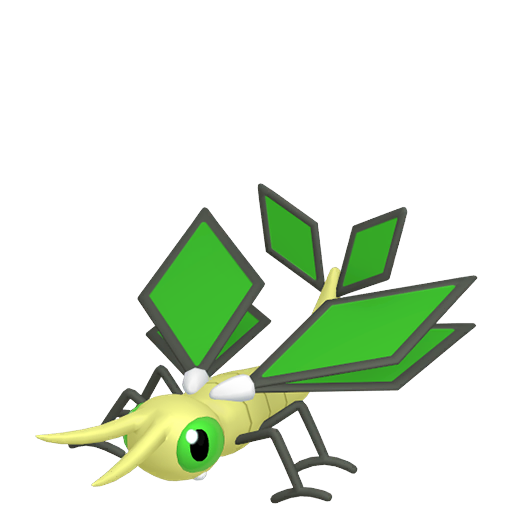
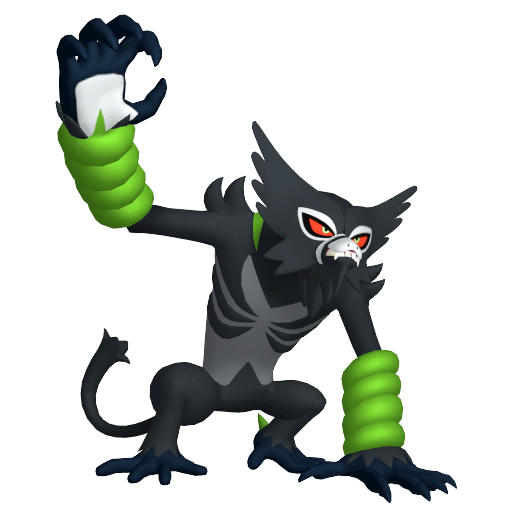
Excadrill on sand uses Rock Slide to cover the Flying types that are immune to EQ entirely, and Bug/Fire/Ice threats it can't otherwise reach. It's a coverage pick, not a primary damage move.
Singles: Stone Edge usually wins. The spread property means nothing 1v1, and Stone Edge's 100 power vs Rock Slide's 75 is a 33% gap. Rock Slide beats Stone Edge in singles only when the accuracy difference is decisive — close speed tiers where a miss means death, or PP conservation situations.
How to use it
The core doubles sequence:
Turn 1 — Establish speed priority: Tailwind, sand + Sand Rush activate, or a Choice Scarf to outpace specific threats. Identify the most dangerous target.
Turn 2+ — Drop Rock Slide while you're faster. Both targets take damage; each has a 30% flinch check that lands before they can move. The effect is: deal damage AND roll to cancel their turn simultaneously. That's the full value package.
Pairing with Fake Out (Champions note: Fake Out is restricted to the switch-in turn): One partner uses Fake Out to guarantee-flinch the bigger threat; your Rock Slide user hits the remaining target (plus still targeting the Faked-out Pokémon if it's on the spread). Best-case result: both opposing Pokémon do nothing turn one — you're immediately up in resources. This is one of the strongest opening sequences in doubles precisely because Rock Slide's 30% flinch rate on the second target can extend what Fake Out starts.
The Protect read: When one target Protects, Rock Slide still lands on the other. Don't cancel the move — you still get one damage hit and one flinch roll. The correct adjustment is switching which target you prioritize for the next turn, not abandoning Rock Slide entirely. The only time Protect makes you reconsider the move entirely: you're confident both targets are Protecting, or the unprotected target is Steel-type and you have a better option.
Trick Room decision tree: Under Trick Room, Speed priority inverts — your fast attacker moves last. Flinch becomes completely irrelevant because the opponent already acted before your move lands. Switch strategy immediately: use single-target high-power moves to break the Trick Room setter, not Rock Slide. Reading this correctly is often the difference between winning and losing the TR matchup.
Tips & strategy
Common mistake autopsy: Using Rock Slide when you've lost speed priority. The beginner error: Tailwind runs out on turn 4, or the opponent switches in a Choice Scarf user and suddenly moves first, or Trick Room goes up — and you keep throwing Rock Slide out of habit. Result: opponent acts first, your flinch roll fires on a target that already moved (meaningless), and you're dealing 56-power spread damage with no upside. The fix: actively track priority each turn. If you're slower, either Protect to reassess or use a single-target move with actual damage upside. Rock Slide under speed disadvantage is just a weak spread move.
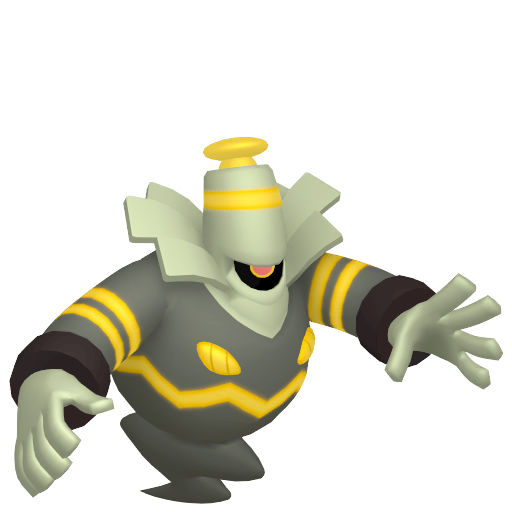
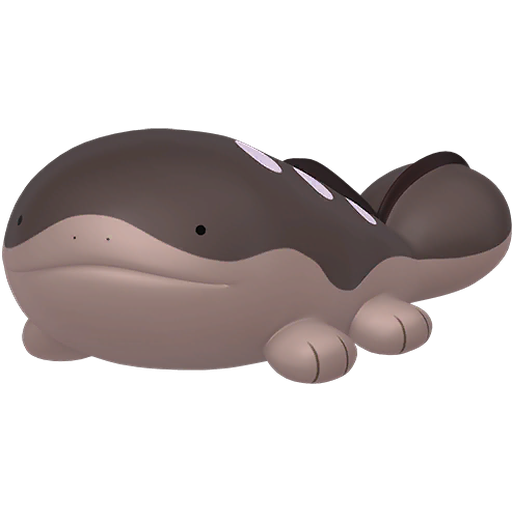
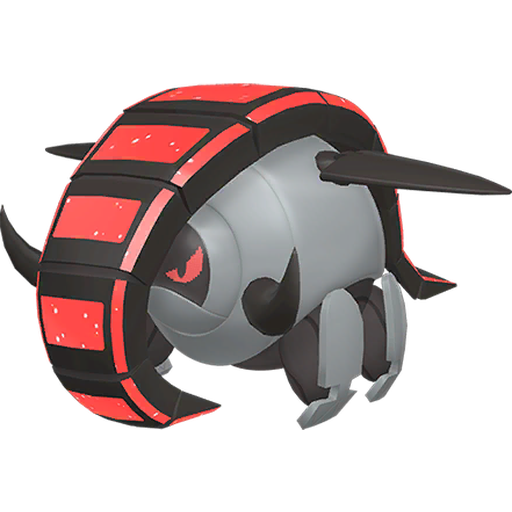
Wide Guard is the hardest counter in the format. Wide Guard blocks all spread moves — both Rock Slide hits connect with nothing. This isn't a rare tech: Steelix carries it ~85% of the time, Pelipper ~44%, Aegislash ~23%. If any of those are on the opposing team, plan around Wide Guard appearing at the worst moment. The counter: carry a single-target option (Stone Edge, Crunch) as a fallback, and consider using Taunt on known Wide Guard users before you commit the Rock Slide turn. Wide Guard does have an accuracy of 100%, but it also fails if used consecutively — a patient player can bait it on turn one and punish on turn two.
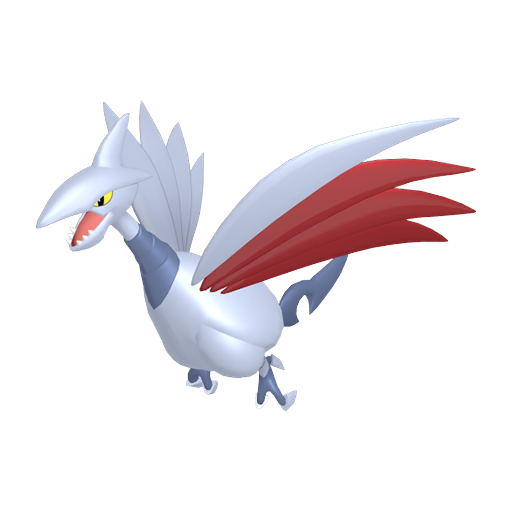
Steel types wall the move by default. Aegislash, Corviknight, Skarmory all take 0.5× from Rock. Even STAB ×1.5 barely dents them. When the opposing field is Steel-heavy, Rock Slide is not your damage tool — route around with Fire/Ground/Fighting coverage from teammates.
Why Rock Slide's disruption value is higher in Champions specifically. Paralysis full-stop dropped from 25% to 12.5%. Sleep caps at 3 turns. Freeze carries a 25% per-turn thaw and a 3-turn hard cap. The reliable action-denial options all got nerfed relative to standard formats. Rock Slide's 30% flinch applied across two targets per turn is now one of the strongest disruption tools remaining — especially on speed-control teams where flinch is always live. It functions as a probability-weighted soft-paralysis with no accuracy cost and no counterplay except Protect and Wide Guard.