





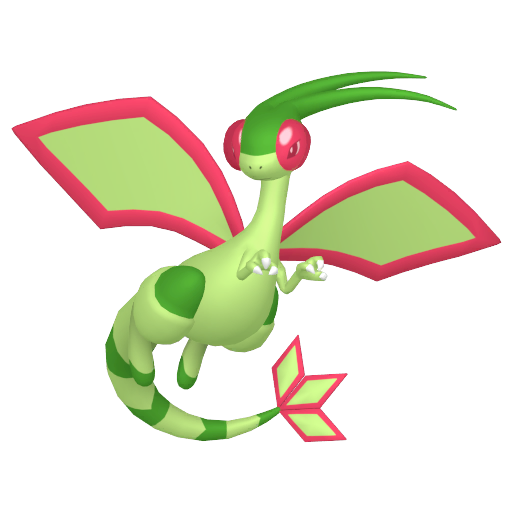
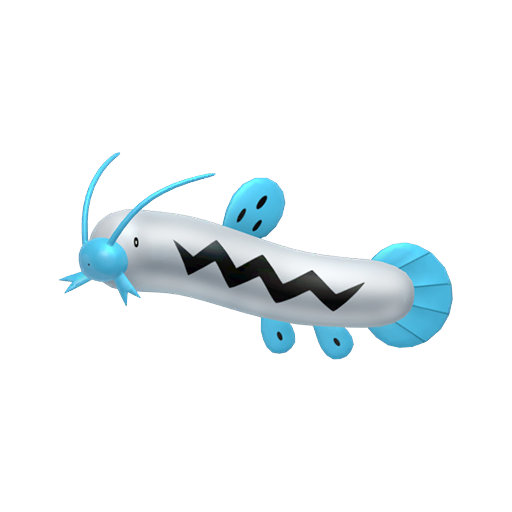

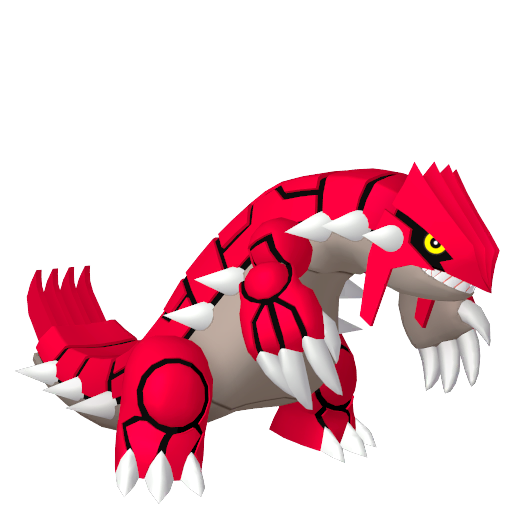
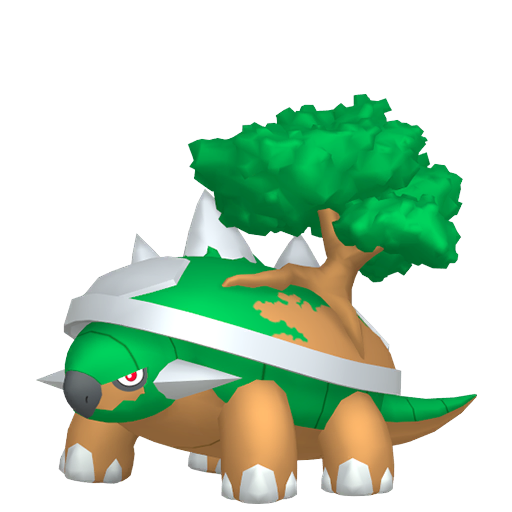






















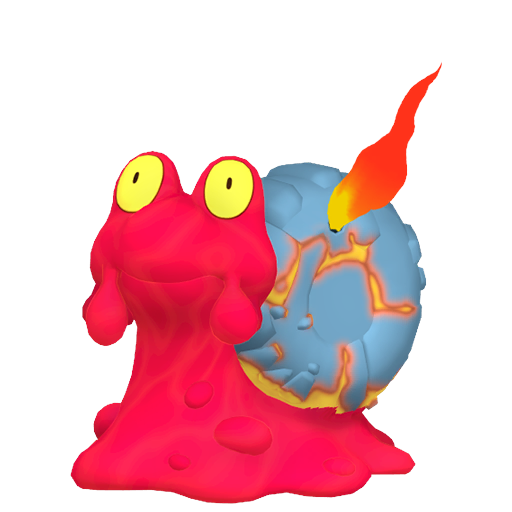
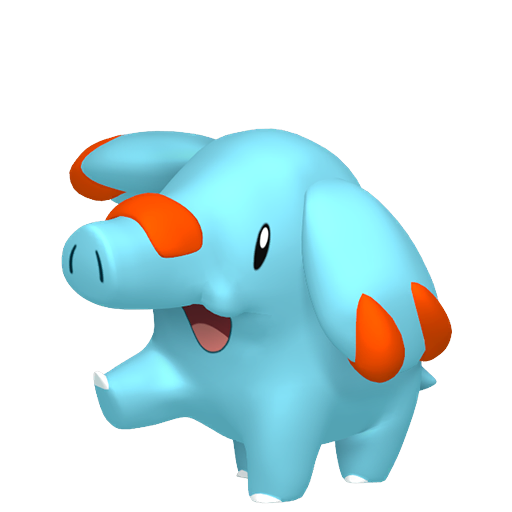

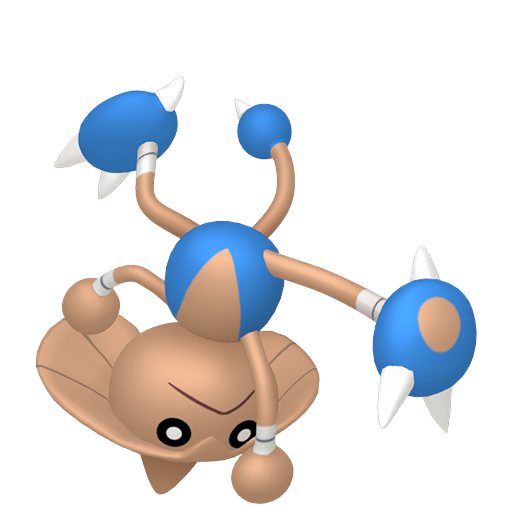
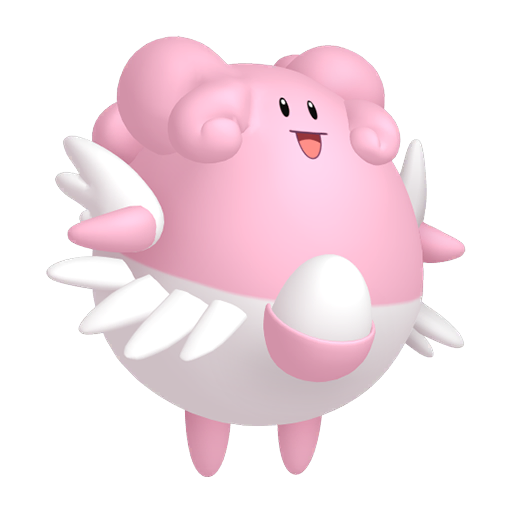






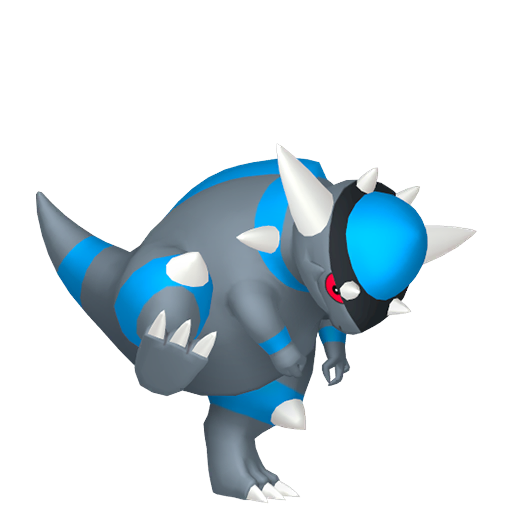

















What it does
Earthquake is a physical Ground-type move: 100 power, 100 accuracy, no secondary effect. In singles it hits the one target. In doubles it's a spread move that hits both opponents and your own ally simultaneously, with each target taking ×0.75 — effective power 75 per target.
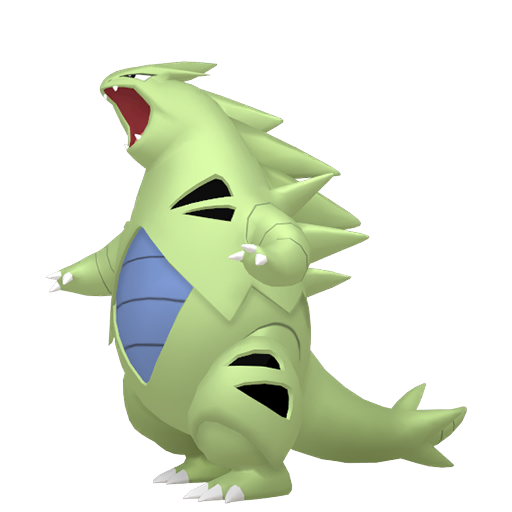
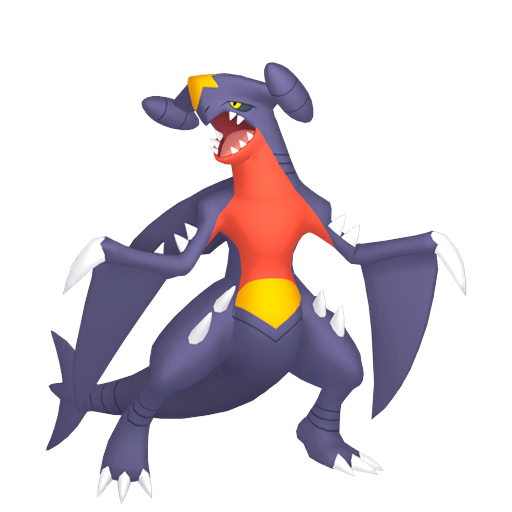
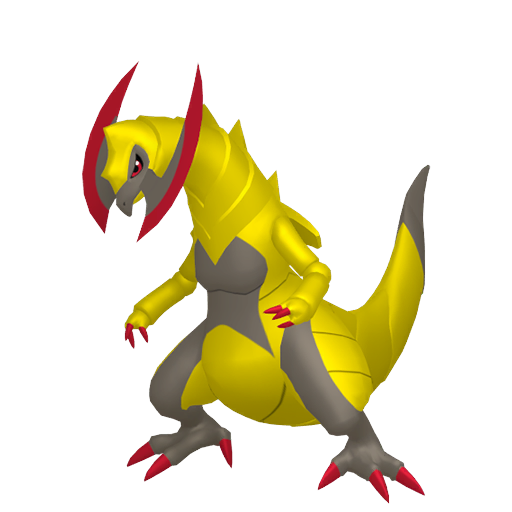
The single most important number: Ground STAB turns 100 base power into 150 effective power. Take a Lv50 Garchomp with 50 Stat Points in Attack (roughly 155 Attack at Lv50 on a neutral nature) — Earthquake against a neutral-bulk target lands well over 150 damage. Slap a Life Orb on top (×1.3 multiplier, 1/10 max HP recoil each use) and effective power climbs near 195, at the cost of roughly 19 HP per use. That trade is worth it when the opponent has one or two turns left; across a longer game the recoil stacks into a liability.
The coverage case writes itself: Ground hits Steel, Fire, Electric, Rock, and Poison — five types that account for a huge chunk of every competitive team. Steel-types especially are everywhere, and a physical attacker with no Ground coverage gets hard-walled by them repeatedly. Earthquake removes that problem with a single move slot.
In doubles, ×0.75 per target means each opponent takes 75-power damage. If both opponents are weak to Ground, combined effective output equals a 150-power single-target hit distributed across two bodies — extremely high field value per turn.
Who runs it
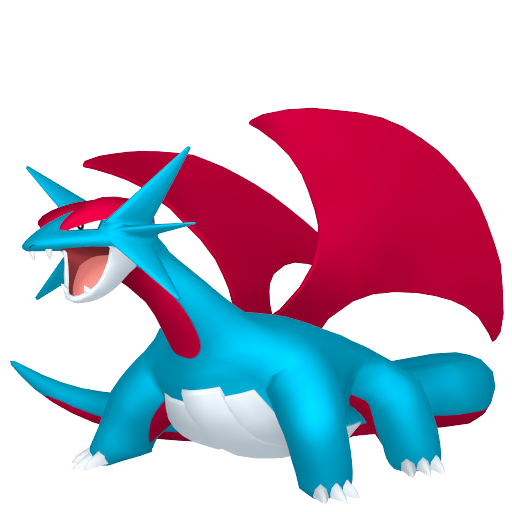
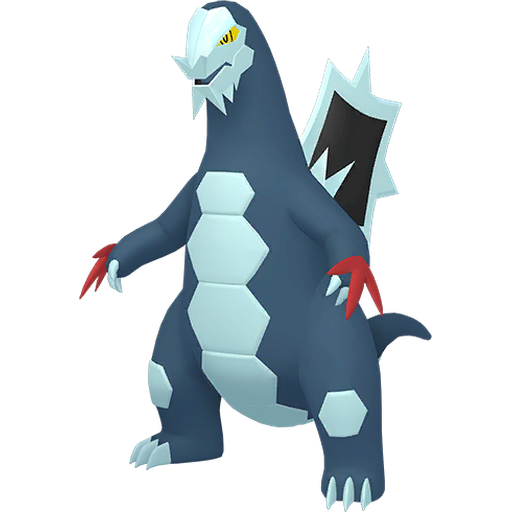
Garchomp is the template: Ground STAB, base 130 Attack, effective 150-power Earthquake. This isn't coverage for Garchomp — it's the primary win condition. Everything on the team is built around letting it land this move.
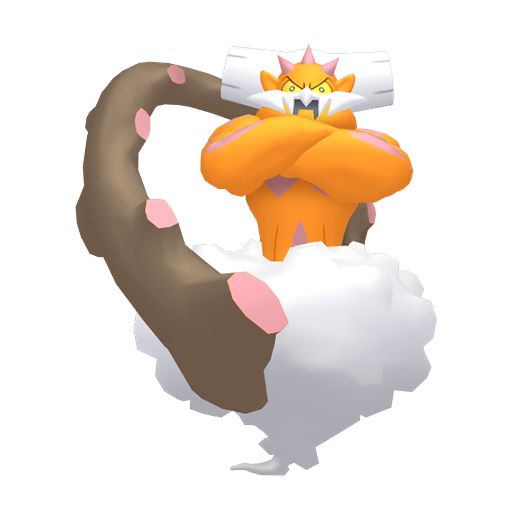
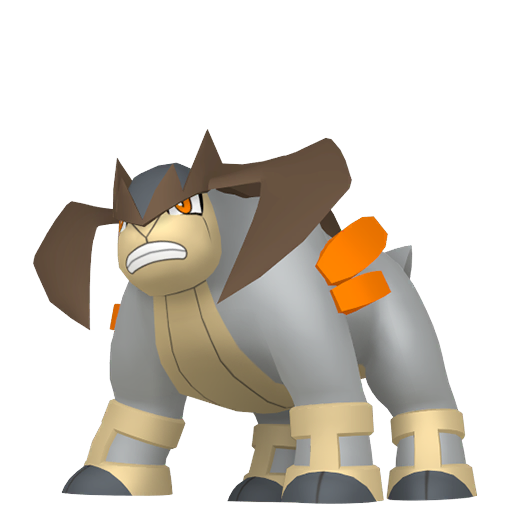
Landorus (Therian Forme): base 145 Attack, Ground STAB, and Flying typing means it's immune to its own Earthquake in doubles — one of the rare cases where the user sidesteps the ally-hit problem entirely by existing.
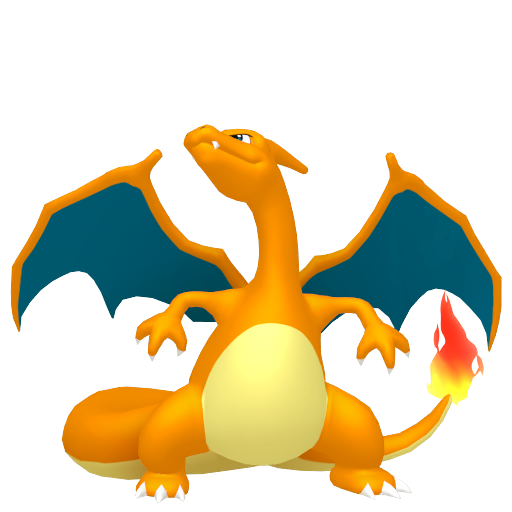
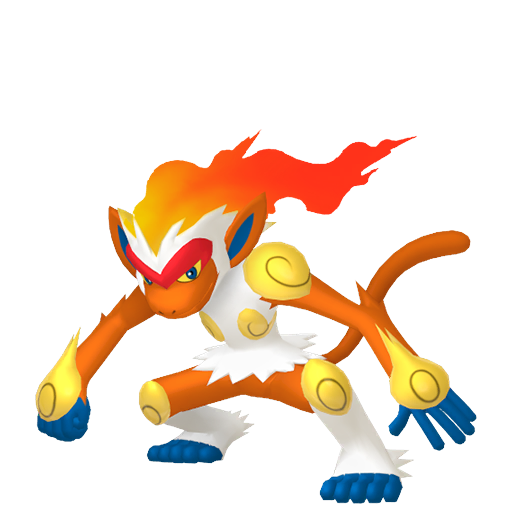
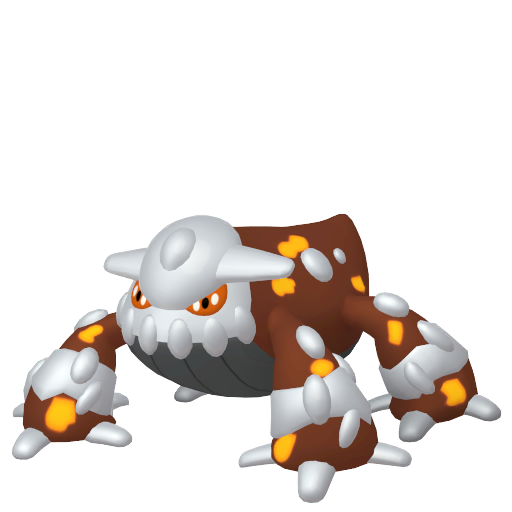
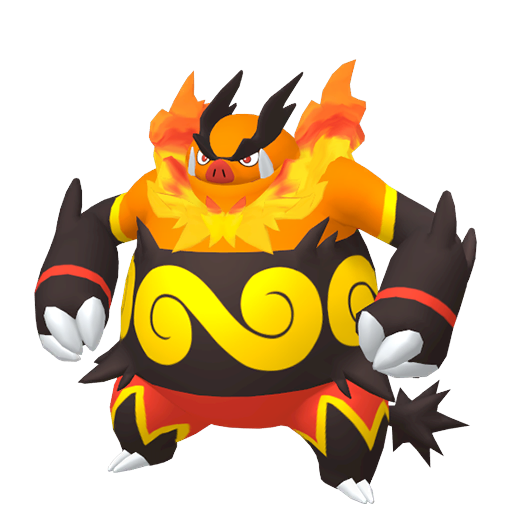
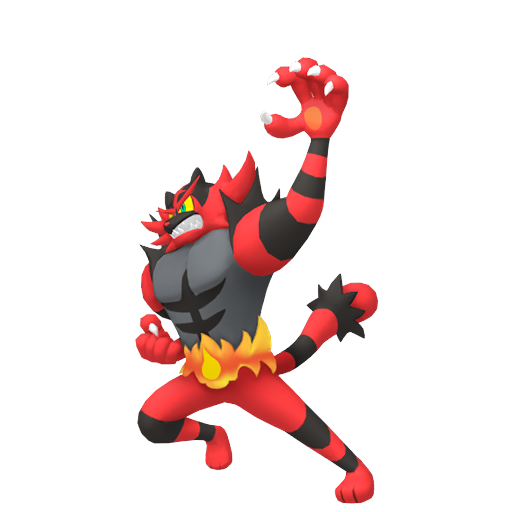
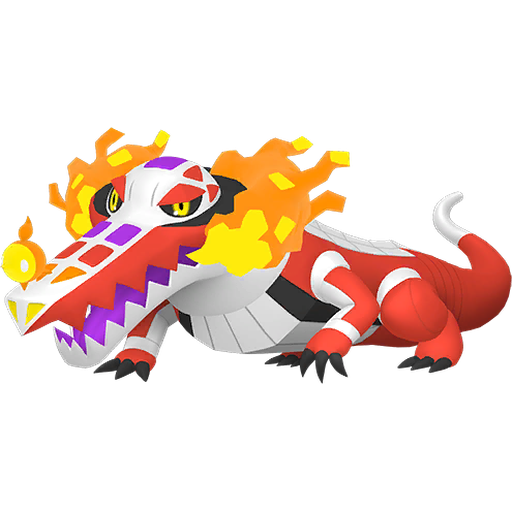
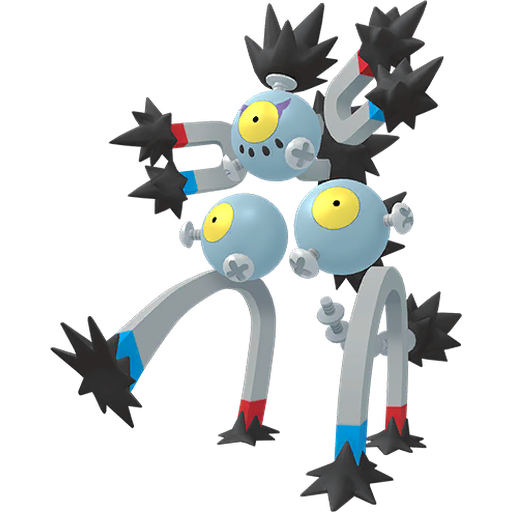
Incineroar: no Ground typing, carries Earthquake purely as coverage. Without it, opposing Magnezone or Heatran just sit there and take everything else Incineroar throws. With it, those matchups flip into kill opportunities. Base 115 Attack handles the math fine; the move fills the gap its STAB moves can't reach.
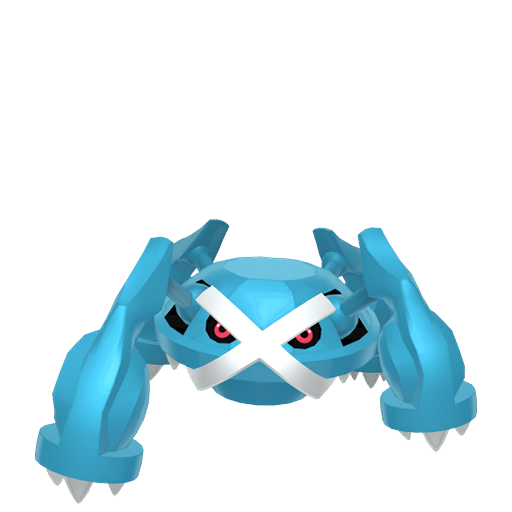
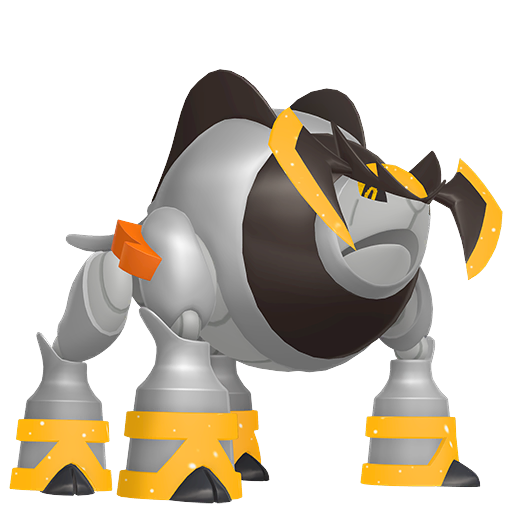
Metagross after Mega Evolution: using Metagrossite through Omni Ring, Attack rises from base 135 to 145. Targets that pre-Mega Earthquake could only chip now start getting KO'd with meaningful probability. The play pattern is often: spend turn one or two doing other things, trigger the Mega, then the first Earthquake post-Mega is the turning-point hit you planned for.
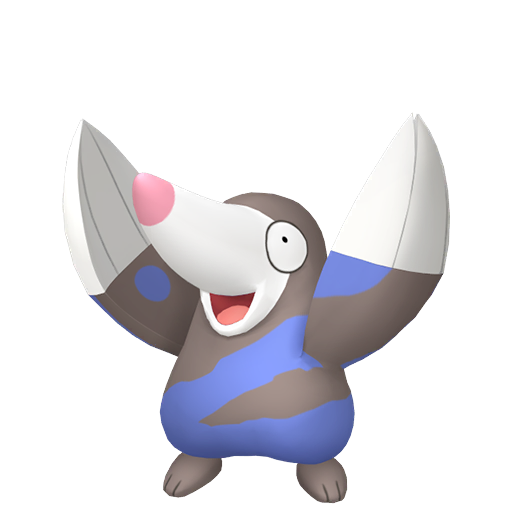
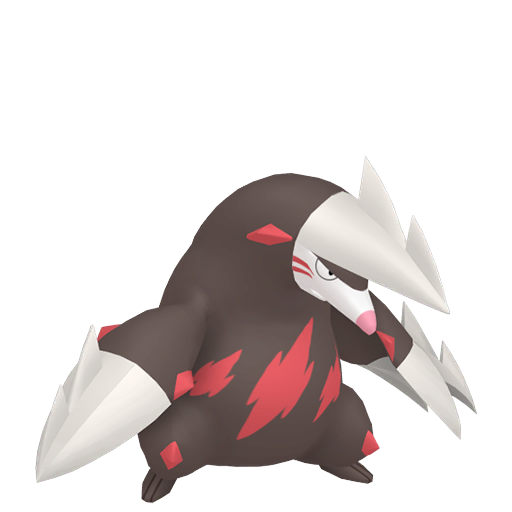
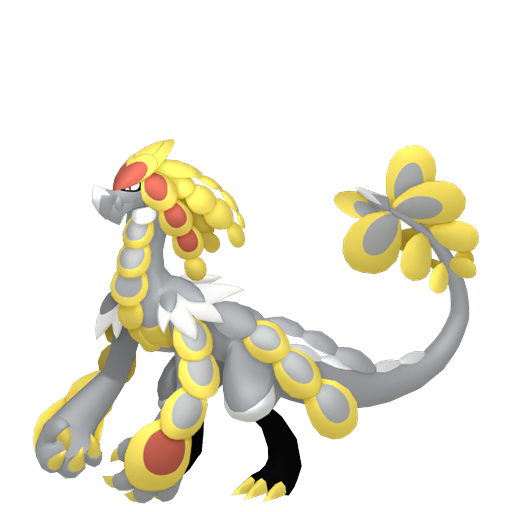
Excadrill: base 135 Attack, Steel/Ground STAB on both types, and inside sand the Speed doubles — a Lv50 Excadrill with 50 Stat Points in Speed sits at roughly 88 base Speed, which doubles to 176 in Sand Rush, outspeeding virtually the entire unboosted tier. Earthquake under those conditions becomes a first-strike KO tool, not a trading move.
In doubles: only run Earthquake if your team has a Ground-immune partner built in. Otherwise the ally damage cancels out the gain.
How to use it
Singles: straightforward. Opponent is Steel, Electric, Fire, Rock, or Poison — if you're faster, fire it. If you're slower, judge whether you survive the opponent's move first. If yes, move on the following turn. Don't sit on Earthquake waiting for a "perfect" turn against a setup sweeper — you'll give away free boosts.
Doubles decision tree:
Step one: is your ally Ground-immune? (Flying type, Levitate, or carrying Air Balloon.) If yes, fire freely. If no, proceed.
Step two: how many opponents are weak to Ground? Both weak — the spread hit is worth the ally damage, fire it. Only one weak — a single-target move aimed at that one opponent does more total damage, and spares your ally.
Step three: does either opponent have Air Balloon? Pop it with a different move first. The common execution is: lead partner uses Fake Out or any contact move to burst the balloon on turn one, attacker drops Earthquake turn two on the now-vulnerable target.
Fly/Bounce sync: a partner executing Fly or Bounce is absent from the field during the move's charging turn. Earthquake fired that same turn doesn't hit them. This takes pre-planned timing — "partner jumps, attacker quakes" — but it's the cleanest no-cost solution when you have the move slots.
Tips & strategy
Grassy Terrain halves it — and players forget this: Grassy Terrain reduces Earthquake power by half, dropping effective power from 100 to 50 (75 with STAB). Against a Grassy Terrain team, your flagship Ground move turns into a 50-power attack. Many players only notice this mid-battle when they fail to KO targets they expected to drop. Fix this at teambuilding: include a secondary coverage option that doesn't depend on Ground, or plan to use Earthquake only after the terrain expires.
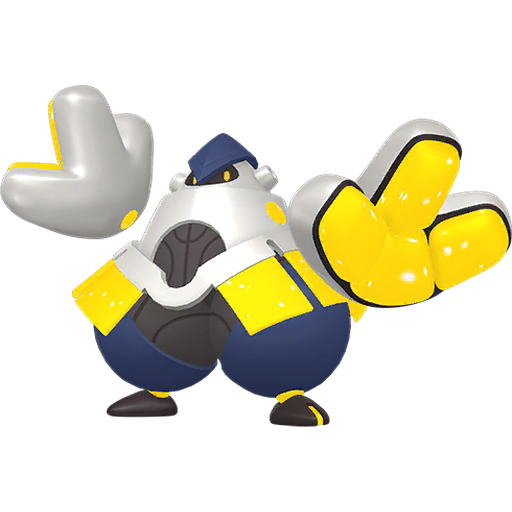
Common mistake autopsy: in doubles, a player sees two Steel-type opponents and fires Earthquake, forgetting their own Incineroar is standing right there. Incineroar eats 75-power Ground damage, survives on low HP, and gets cleaned up the next turn. The root error isn't the decision to use Earthquake — it's not having a Ground-immune partner on the team at all. The fix is a roster decision, not an in-battle one. If you're already in that situation mid-game, consider having the ally Protect while you aim a single-target move at one opponent — sometimes skipping the spread is better than the self-damage.
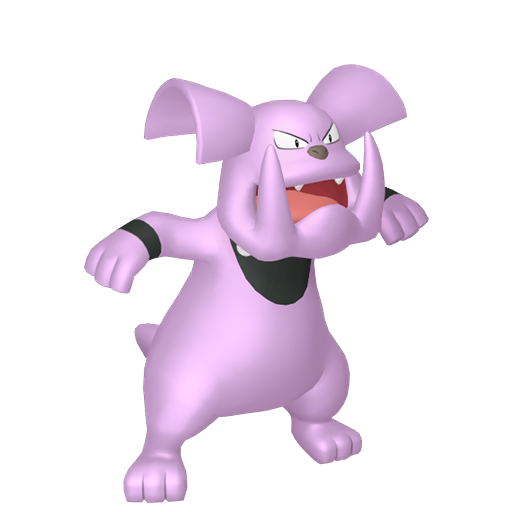
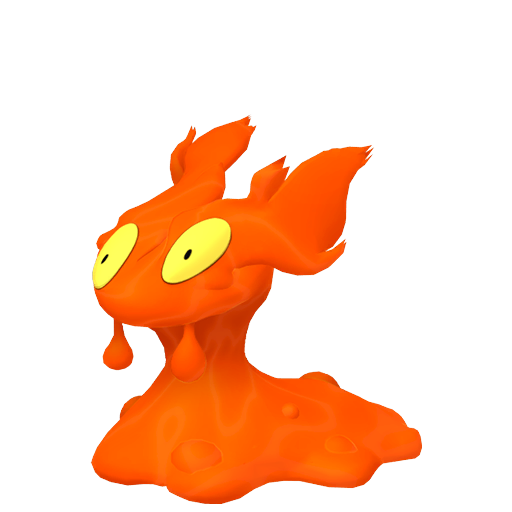
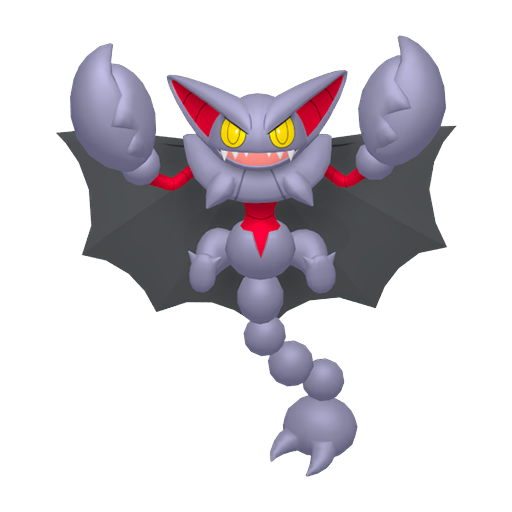
Earth Eater is a hard counter, not a soft answer: a Pokémon with Earth Eater doesn't just take zero damage from Earthquake — it heals HP instead. Clodsire, Glimmora, and others with this ability turn your best move into a recovery tool for the opponent. Spot this ability at Team Preview and route around it. There's no way to force it through.
Dig double damage: when an opponent uses Dig, they're underground and vulnerable to Earthquake at double power during that charging turn — effective 200 base power, which KOs almost any target without defensive Stat Points. Fire Earthquake the moment you see Dig. Conversely, your own Pokémon charging Dig avoids the opponent's Earthquake that same turn — situational, but worth knowing.
Track the balloon: in doubles, whether an opposing Air Balloon has already been popped determines whether Earthquake lands on that target. Don't guess — keep track of every hit that could have burst it. Firing Earthquake into an intact balloon and watching it do nothing is a wasted turn you cannot take back.