









































































































































































































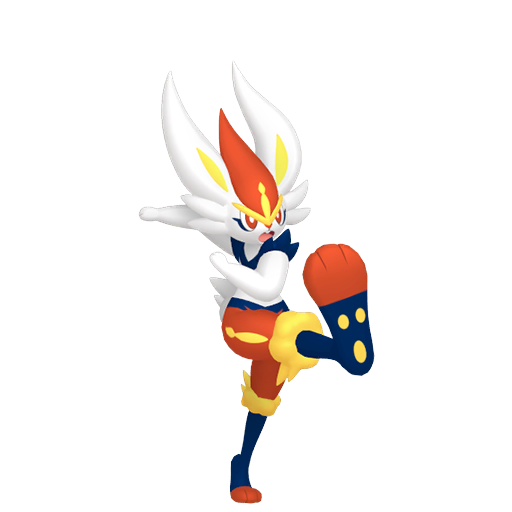


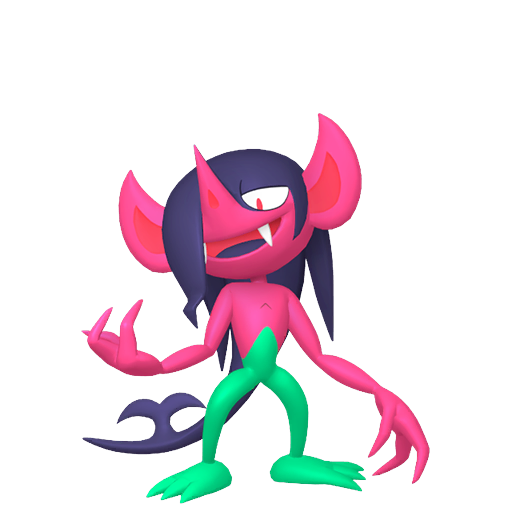
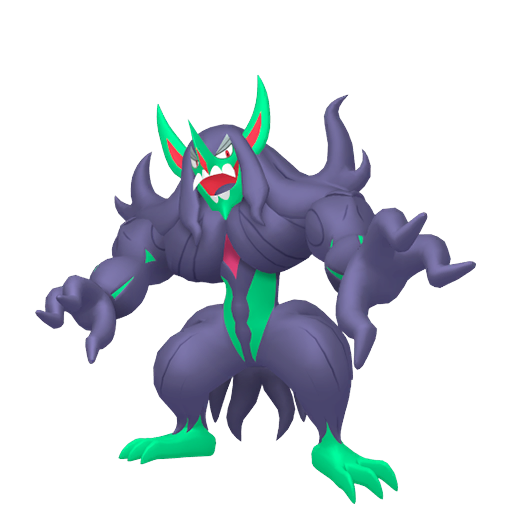



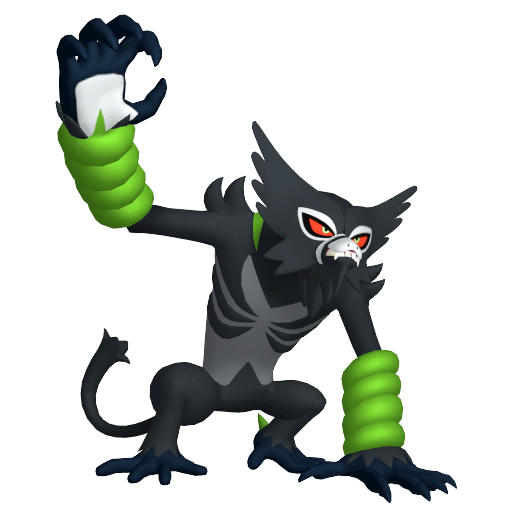



































What it does
Taunt forces the target to use only attacking moves for the next 3 turns. It takes effect immediately — the turn you use it, the target is locked starting the following turn. A move that was already queued on Taunt's activation turn still executes; there's no canceling mid-flight.
The list of what gets shut off is longer than most players remember:
- Recovery (Recover, Moonlight, Roost)
- Status spreading (Toxic, Will-O-Wisp)
- Boosting (Swords Dance, Nasty Plot, Dragon Dance)
- Speed control (Trick Room, Tailwind)
- Stall moves (Protect, Detect)
Why Taunt is specifically strong in Champions
Champions nerfs status across the board: Thunder Wave's full paralysis rate dropped from 25% to 12.5%, Sleep Powder is capped at 3 turns, Freeze has a 3-turn limit too. Taunt's "hard lockout" is a separate mechanic — entirely untouched by those nerfs. That means Taunt's value relative to other disruption tools went up. While you're gambling on a 12.5% full-stop with Thunder Wave, Taunt just works.
The numbers that make it matter
Take Umbreon in singles as the concrete case. Suppose your attacker deals roughly 30% HP per turn, and Umbreon recovers 50% HP each turn with Moonlight in full moon. With recovery on, you will never break through; every hit you land is erased. Taunt for 3 turns means Umbreon can't use Moonlight, can't stack Toxic — it's dealing damage only. Sustain against pressure that nets 90% damage across three turns is a knockout window. In doubles, Trick Room flips turn order entirely: a Pokémon with base Speed 60 goes before your Speed 130 attacker under TR. Taunt prevents that reversal from happening in the first place — the math goes from "you go last every turn" to "you go first every turn."
Who runs it
Doubles: field-denial anchors
Gyarados is one of the highest-frequency Taunt users in the format. Intimidate drops the opponent's Attack on entry, and Taunt on the same Pokémon extends that disruption by blocking the opponent's recovery, Protect stalling, or speed-control setup. Two layers of disruption from one team slot. Add Thunder Wave and even without a lucky full-stop proc, the Speed halving plus the locked-out status moves creates a situation where most Pokémon simply run out of options.
Whimsicott is the premier anti-Trick-Room Taunt user because of Prankster, which bumps Taunt to +1 priority. Against a Hatterene that's about to set Trick Room, Whimsicott just goes first — speed is irrelevant. The TR setter is Taunted before it can move, the entire reverse-speed strategy collapses. One hard caveat: Prankster has zero effect on Dark-type targets (more on this below).
Maushold uses Taunt alongside Follow Me to create a genuine dilemma. Follow Me pulls all targeting onto Maushold while Taunt shuts down the opposing support's status options. The opponent can either dump attacks into the redirect bait or watch their support get neutered — neither is a good choice. Around 31% of Maushold builds include Taunt.
Liepard is the faster Prankster option (Speed 110 vs Whimsicott's 116 — actually Liepard is slower, but its role skews more aggressive). It's good for specific lead matchups where you need the Prankster Taunt to land before setup begins.
Singles: stallbreakers
Umbreon running Taunt on a stall build is one of the more interesting self-referential configurations. It's a stall anchor itself, but it runs Taunt to win the mirror against opposing stall. When both walls are Taunted and forced to attack, Foul Play — which uses the target's Attack stat — tends to favor the Umbreon user when the opposing Pokémon relies on a high Attack stat for coverage. It turns the mirror from a passive war of attrition into a damage race.
Fast attackers like Gengar (Speed 110) and Serperior (Speed 113) carry Taunt as a tech move for specific matchups: hitting it on a stall lead before they can cycle, or blocking an opposing setup sweeper from getting their first Dragon Dance off.
How to use it
Doubles: the turn-one decision
When Team Preview shows Farigiraf, Hatterene, or Oranguru, your opening turn needs a plan to stop TR. Two main routes:
- Prankster route (Whimsicott / Liepard): Lead into them, use +1 priority Taunt on the TR setter. Partner uses Fake Out or an attacking move on the other side. Both opposing slots are neutralized turn one.
- Speed route (no Prankster): Lead your fastest Taunt user and hope your Speed is higher than the setter's. If not, you're racing against TR going up and might lose the speed check. In that case, switching your game plan to apply enough pressure that TR isn't worth setting is sometimes better than a contested Taunt race.
The Fake Out + Prankster Taunt two-for-one is the highest-ceiling option: Fake Out seals one target, +1 Taunt locks the other's status moves on the same turn. Both opposing support slots go offline simultaneously. Maushold and Whimsicott run this double-core structure in many team archetypes.
Singles: timing the entry
The moment an opposing stall or setup Pokémon switches in is the best Taunt window — not after it gets a free Toxic or a Swords Dance. Taunt's value is entirely in prevention, not recovery. If you Taunt after Dragon Dance +1 is already up, the boosts remain; you only stop additional boosts, which may not matter.
The secondary use case: a losing matchup where you still need to buy time. Forcing the opponent to attack-only for 3 turns might be the margin your team's win condition needs to reach the right position.
Track the countdown
3 turns goes by fast. The turn Taunt expires, the opponent immediately goes back to their full toolkit — Recover, Toxic, whatever it is. If you haven't created a decisive lead within those 3 turns, Taunt just delayed the problem, didn't solve it.
Tips & strategy
The most common beginner mistake: Taunting too late
The single most frequent Taunt misuse is using it after the setup already happened. Opponent uses Dragon Dance and gets +1 Attack and Speed, then you Taunt. Now they can't boost further — but they don't need to. They already have the stats to run through your team. The same error in doubles: if Trick Room is already on the field, Taunting the setter is useless. Speed reversal is already in effect. Taunt must come before setup, not as a reaction to it.
The fix is to read the team before the battle: if they have an obvious TR anchor or a setup sweeper with key coverage, Taunt that Pokémon on the turn it comes in, not the turn after it moves.
Taunting without follow-up pressure
Taunt locks Protect, which feels powerful. But if your attacks can't actually threaten the Taunted target, they just absorb hits for 3 turns, then go right back to their strategy the moment Taunt expires. Taunt doesn't deal damage — it creates a window where your offense should be able to close the gap. If your offense isn't there, Taunt is noise. Always pair Taunt with real attacking pressure; otherwise you're trading one of your turns for effectively nothing.
Three hard counters you need to know
First: Prankster Taunt does absolutely nothing to Dark-type targets. The Prankster immunity is total — Incineroar, Hydreigon, and any other Dark-type simply absorb the Taunt attempt with no effect. If your Taunt user is Prankster-based and the opponent's key support happens to be Dark-type, you need a completely different answer for that slot.
Second: Magic Bounce reflects Taunt back onto the user. Espeon and Hatterene both commonly run this ability. Trying to Taunt either of them results in you being Taunted instead — a catastrophic misplay in a matchup where you needed your status moves. The counter is to attack them into KO range before using any status moves, or send in a Pokémon whose status moves bypass reflection (there aren't many — usually just attacking is correct).
Third: Mental Herb auto-cures Taunt on the turn it lands. Trick Room teams frequently equip their setter with a Mental Herb specifically to eat one Taunt and still go through with setting TR. If your only disruption window is a single Taunt, a Mental Herb setter burns that window and proceeds with the plan anyway. The answer is to pair Taunt with enough damage that they can't safely spend a turn setting TR even after curing the Taunt — pressure and disruption together, not disruption alone.