






























What it does
Low Kick is a Fighting-type physical contact move with base power that scales directly from the target's weight:
- Under 10 kg: 20 power
- 10–25 kg: 40 power
- 25–50 kg: 60 power
- 50–100 kg: 80 power
- 100–200 kg: 100 power
- Over 200 kg: 120 power
At 120 power against heavy targets, it matches Close Combat without the Defense and Special Defense drops. That is the entire reason to run it over a fixed-power Fighting move — no self-debuff while hitting just as hard.
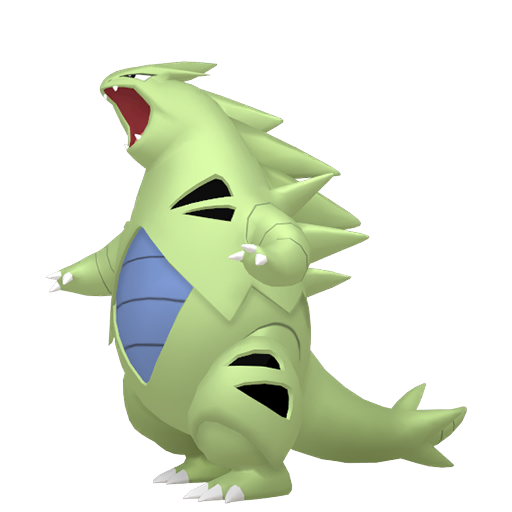
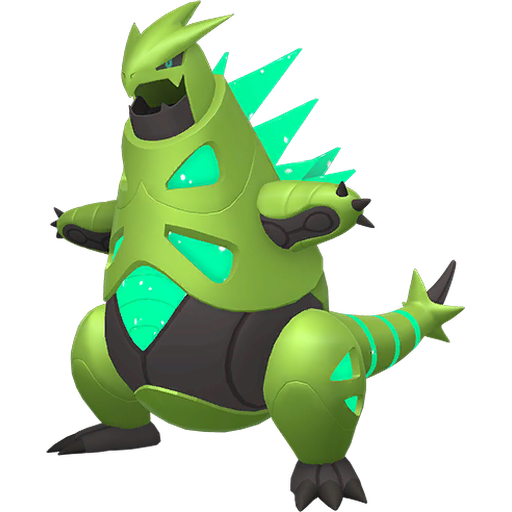
The flip side is that the payoff depends entirely on the target. Tyranitar at 202 kg and Snorlax at 460 kg both trigger the 120 cap. Gengar at 40.5 kg only gives you 60 power — at that point, almost any other coverage move is a better choice.
In doubles, Low Kick is a single-target move not subject to the ×0.75 spread penalty. Fighting typing covers a broad range of common threats: Ice, Rock, Steel, Dark, and Normal-types all take super effective damage from Fighting-type moves.
Who runs it
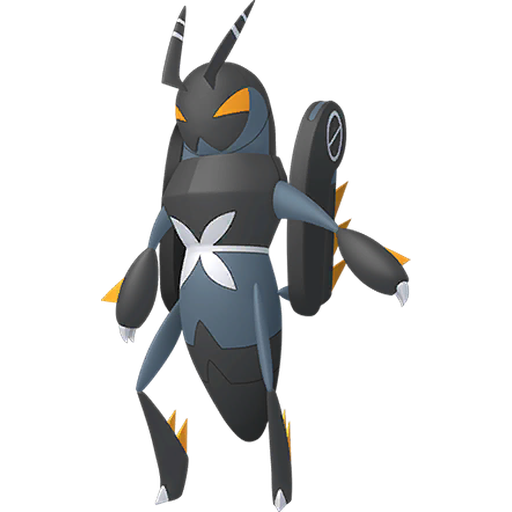
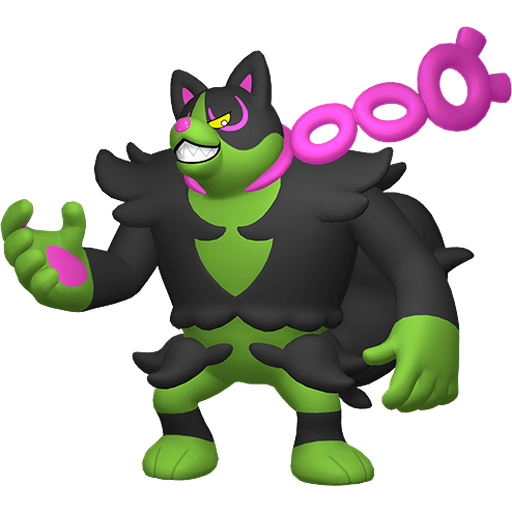
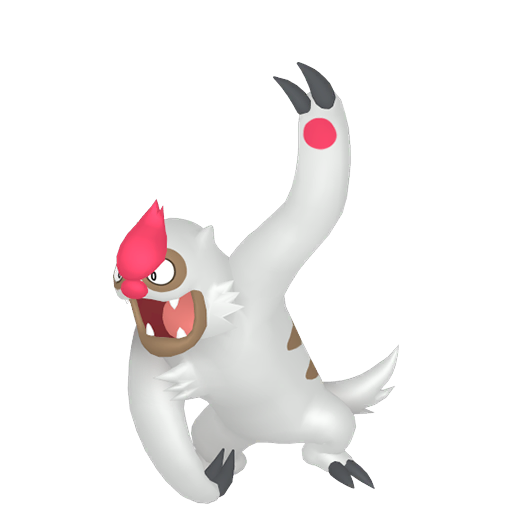
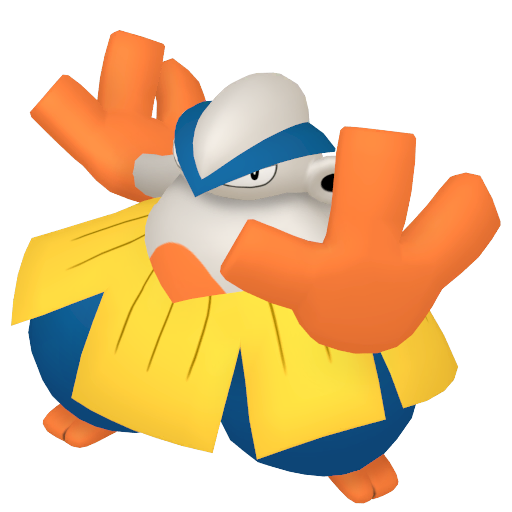
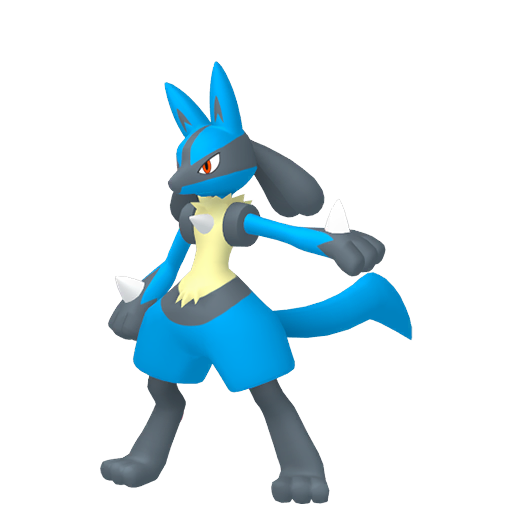
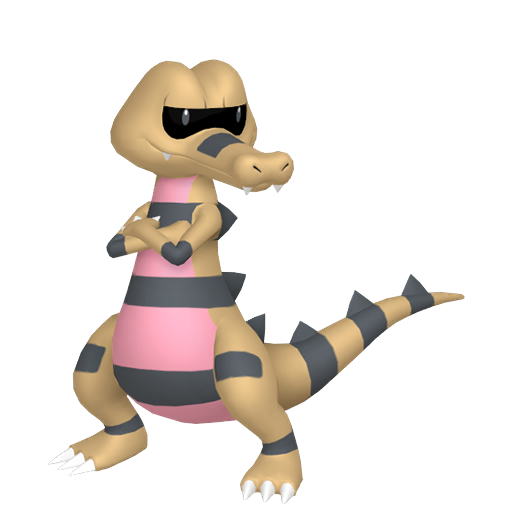
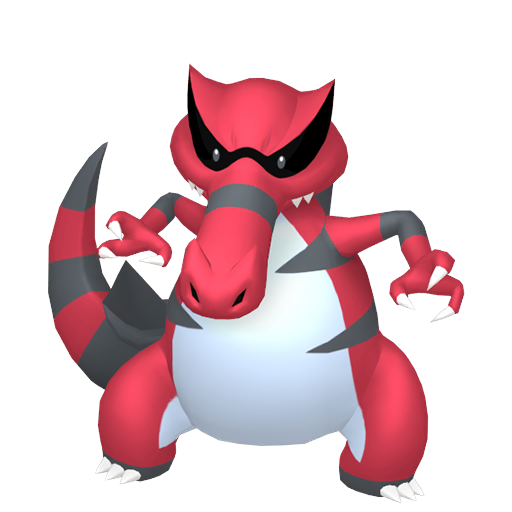
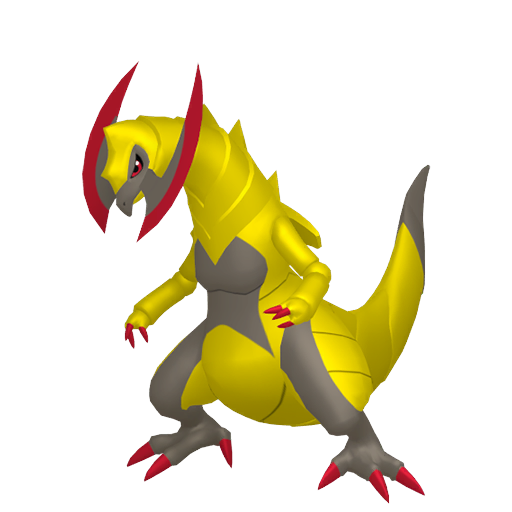
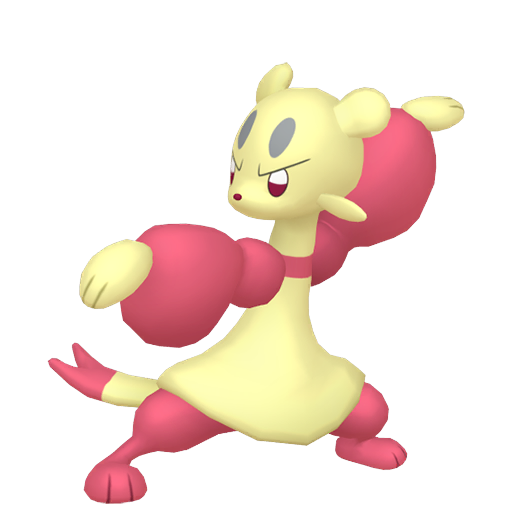
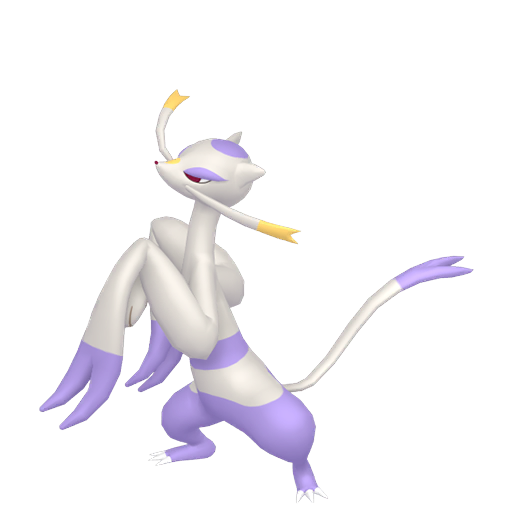
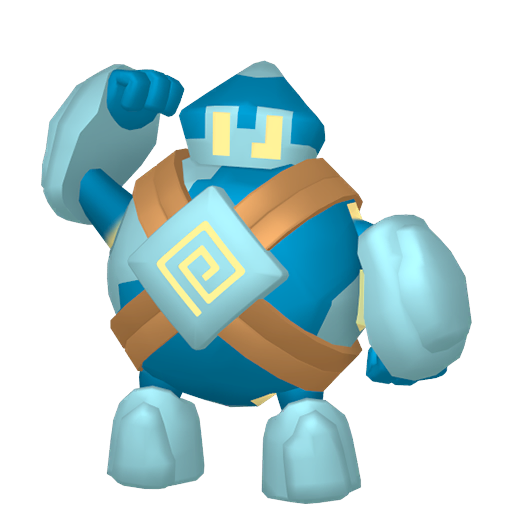
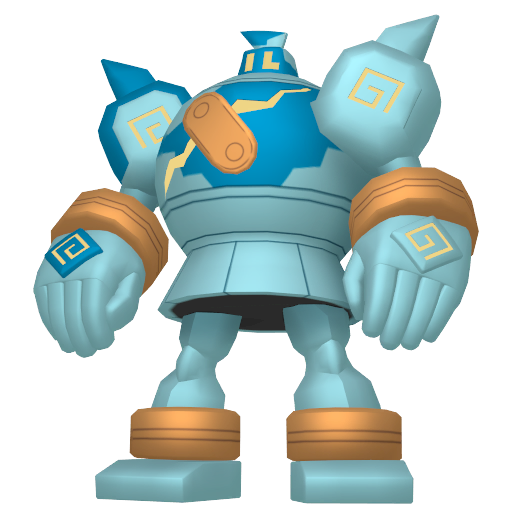
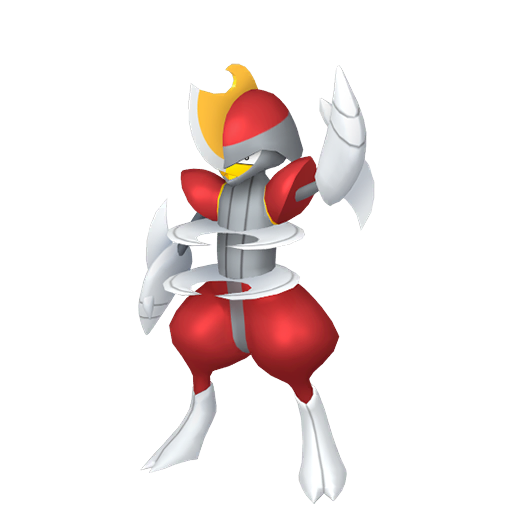
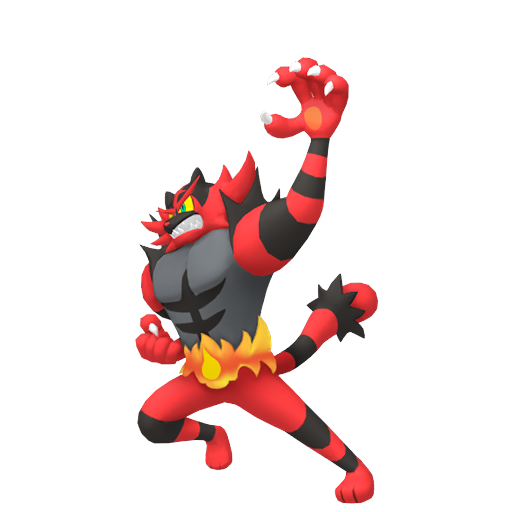
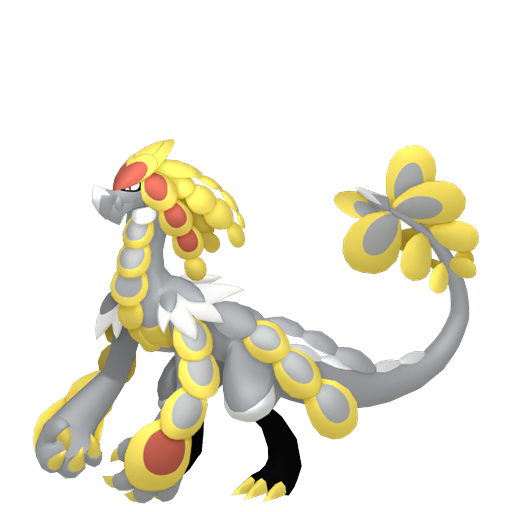
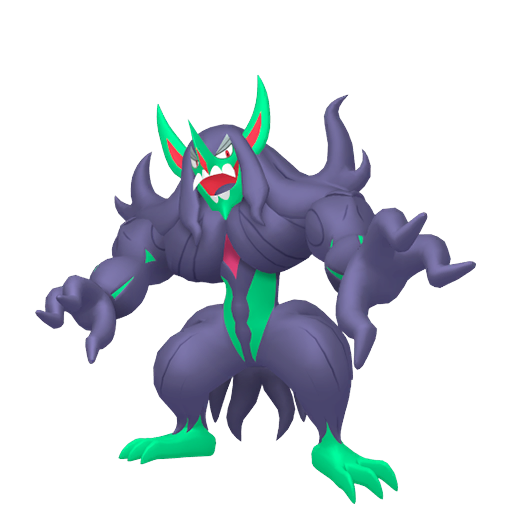
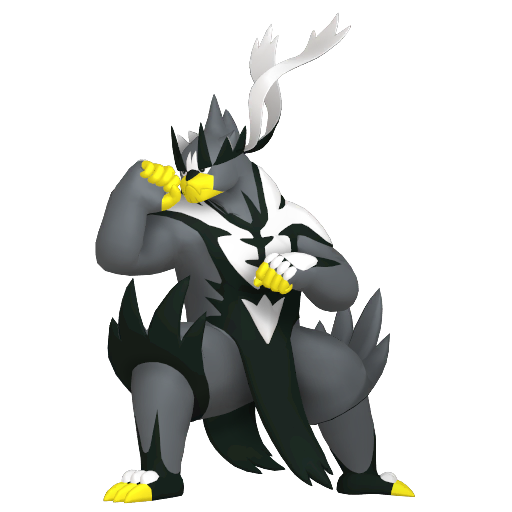
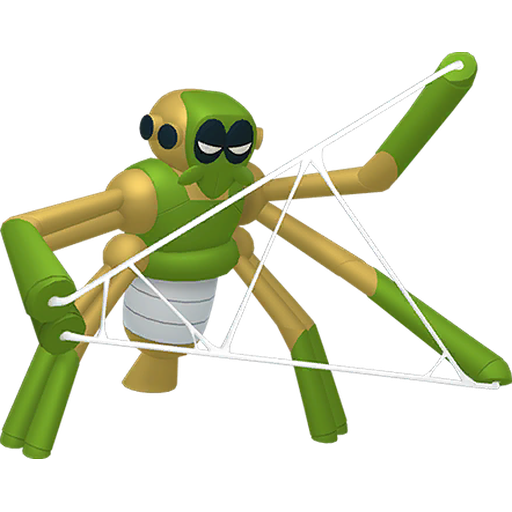
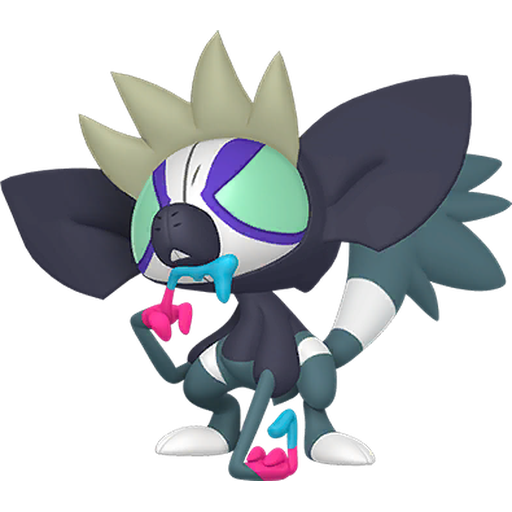
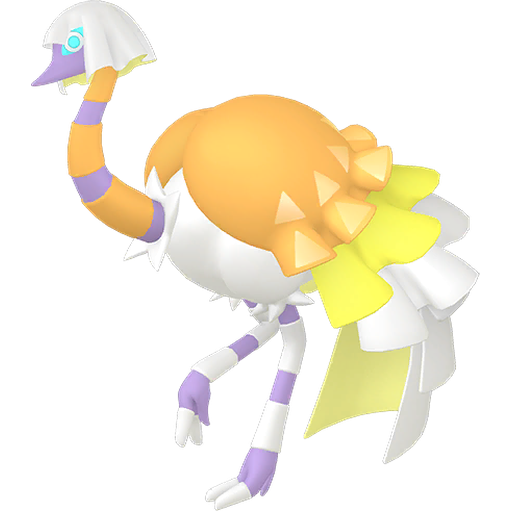
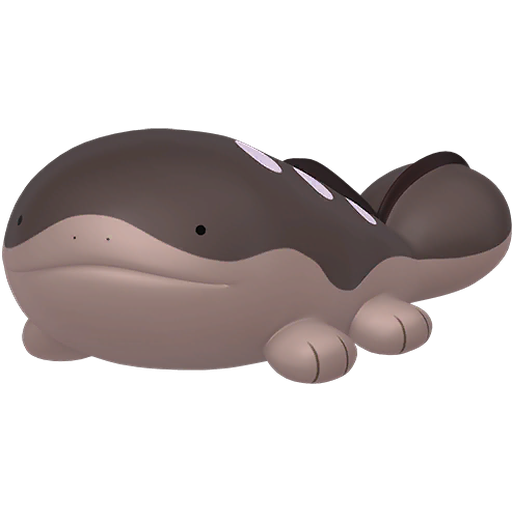
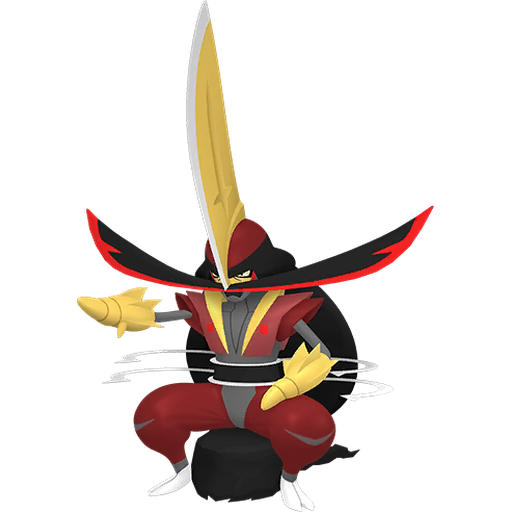
Kingambit at 54% is the most natural home. The Pokémon it most often faces — Tyranitar, Incineroar, opposing Steel-types — are overwhelmingly heavy. Low Kick gives it Fighting coverage for its Normal and Ice-type weaknesses without costing Defense on a Pokémon that often wants to stick around and accumulate Supreme Overlord boosts.
Tyranitar at 54% benefits from the same targeting logic. It hits hard physically, and the heaviest targets in the metagame give it max power output.
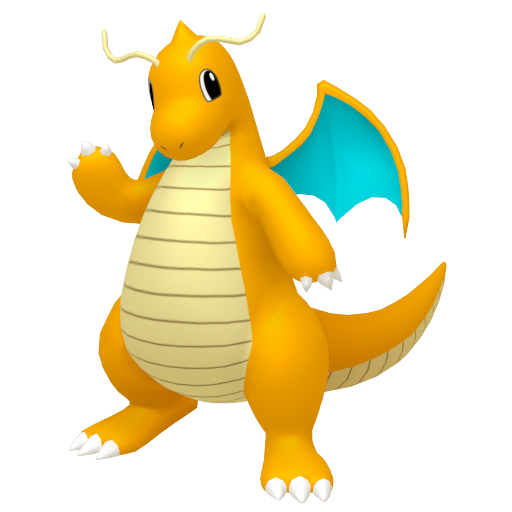
Dragonite at 50% uses it for Ice and Steel coverage — two of its most common threats — without the stat drop that Close Combat brings. For a sweeper that wants to stay healthy, that matters.
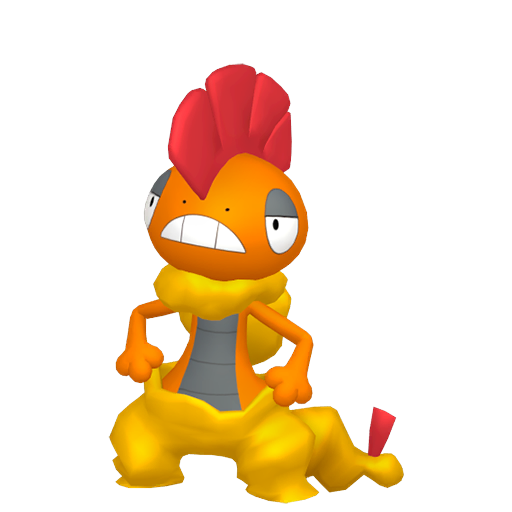
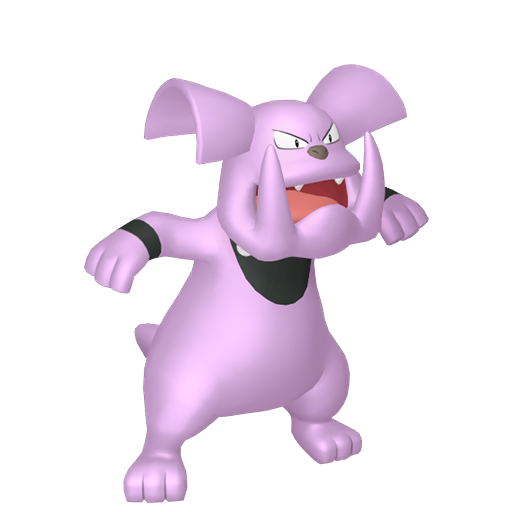
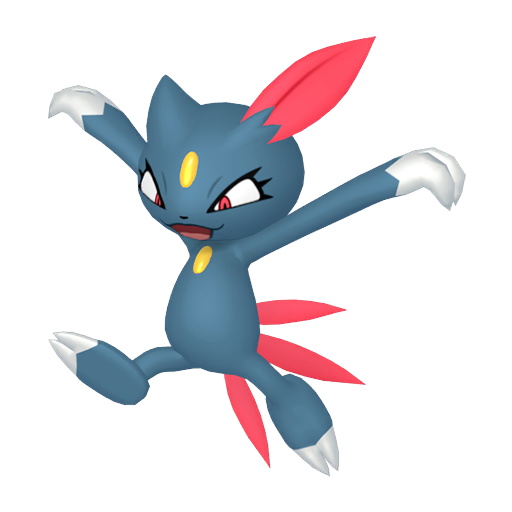
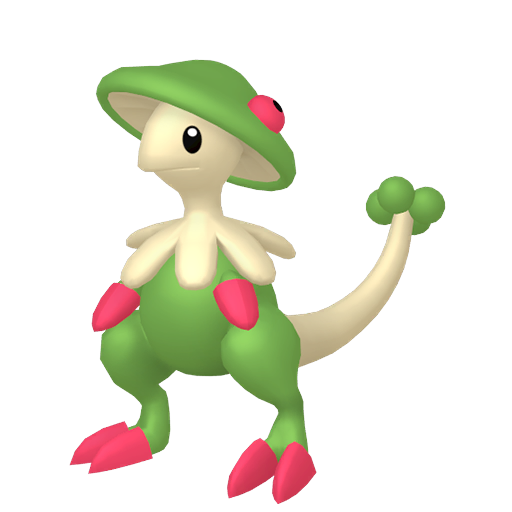
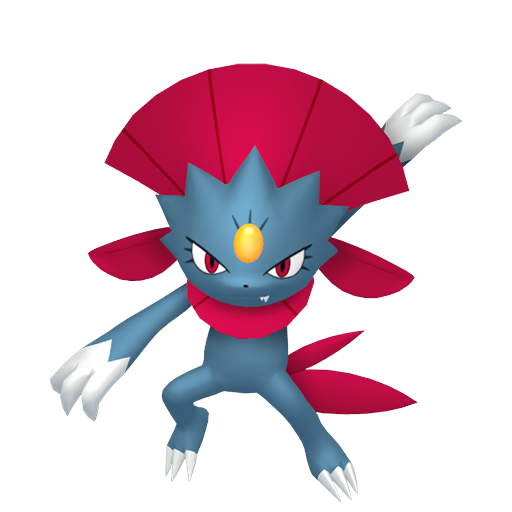
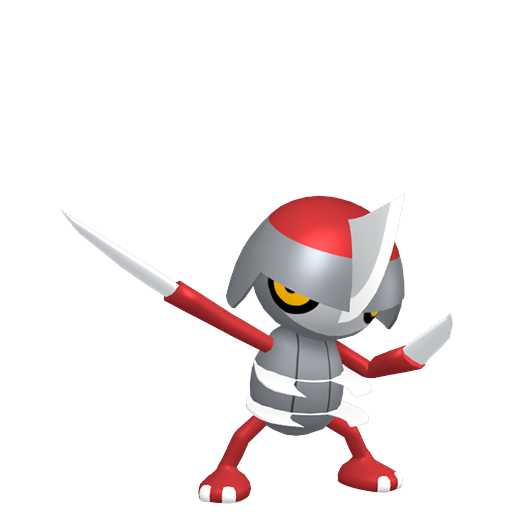
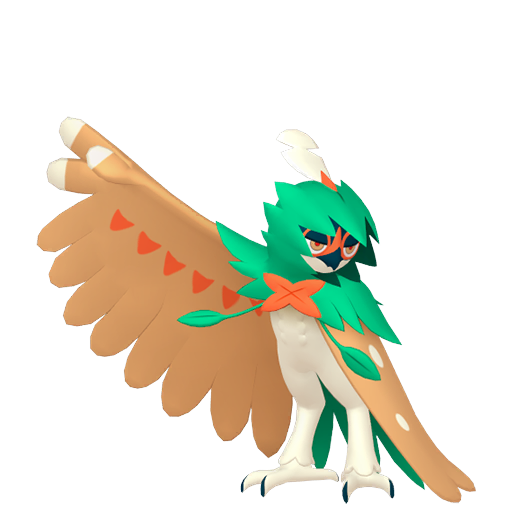
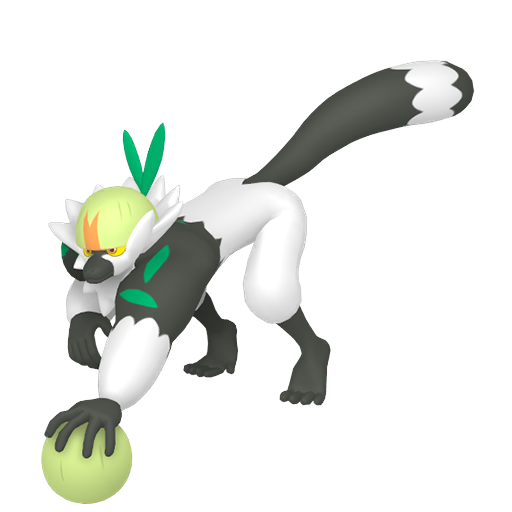
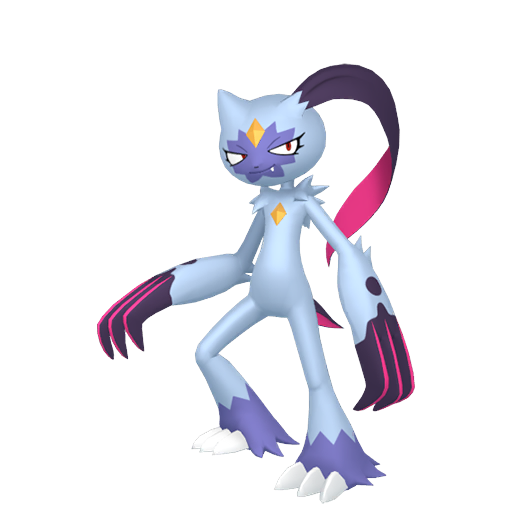
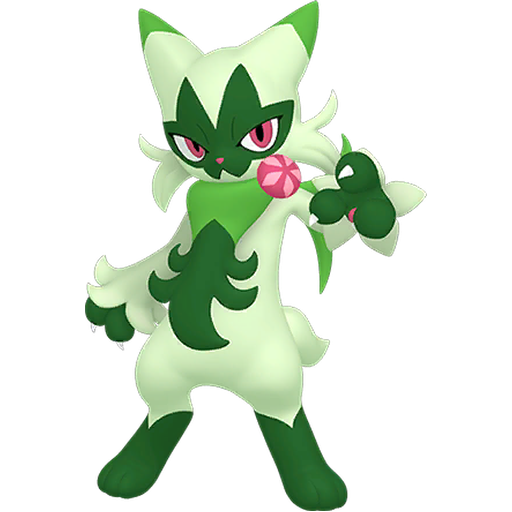
Tsareena at 50% and Weavile and Meowscarada at lower rates pick it up where Fighting coverage over heavy targets is worth a moveslot.
How to use it
Know your target weights: Before building a set, check whether the Pokémon you most often need Fighting coverage against clear the 100 kg or 200 kg threshold. This is publicly available data and takes about 30 seconds to verify. Once you know the weight distribution of your common matchups, the Low Kick vs. alternative decision basically makes itself.
Prioritize heavy targets on the board: If two opponents are in front of you, save Low Kick for the heavier one. Clicking it into a 40 kg Pokémon for 60 power when something at 250 kg is also on the field is poor resource use.
Avoid it on lightweight coverage targets: If you find you are mostly clicking Low Kick against mid-weight targets (60–80 power range), it is worth asking whether Close Combat or another Fighting move would serve you better in those matchups despite its downside.
Tips & strategy
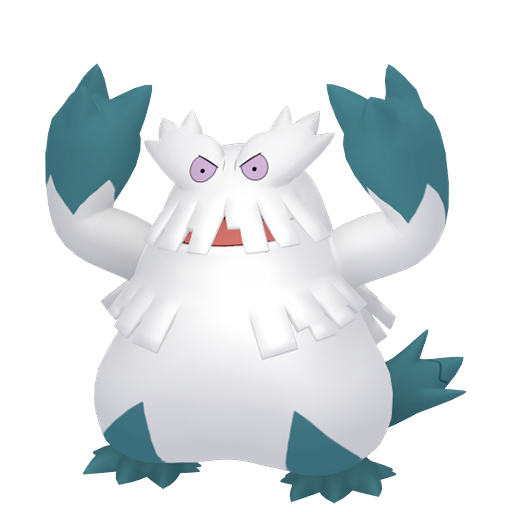
The 200 kg benchmarks: Commit a few of the 200 kg+ Pokémon to memory — Snorlax (460 kg), Steelix (400 kg), Avalugg (505 kg). Against these, Low Kick always delivers max power. Anything over roughly the 100 kg line still gives you 100 power, which is already the power level of many standard moves without a self-drop.
Low Kick vs. Close Combat: Both cap at 120. Close Combat gives you max power regardless of target weight, Low Kick gives max power only above 200 kg. The case for Low Kick is against reliably heavy teams — the case for Close Combat is when you need consistent Fighting power across a wider weight range and are willing to take the Defense drops.
Contact move caution: Low Kick makes contact, triggering Rough Skin, Rocky Helmet, and Static on relevant targets. Factor in the chip before clicking into a Garchomp or similar.