































































What it does
Swords Dance raises your Attack by two stages — a flat ×2.0 multiplier on your Attack stat. Not incremental. Doubled.
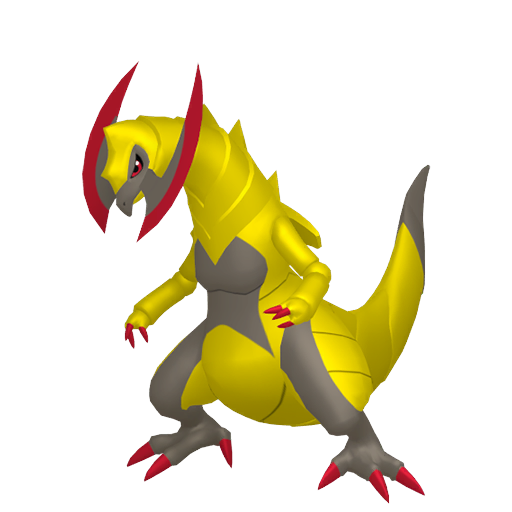
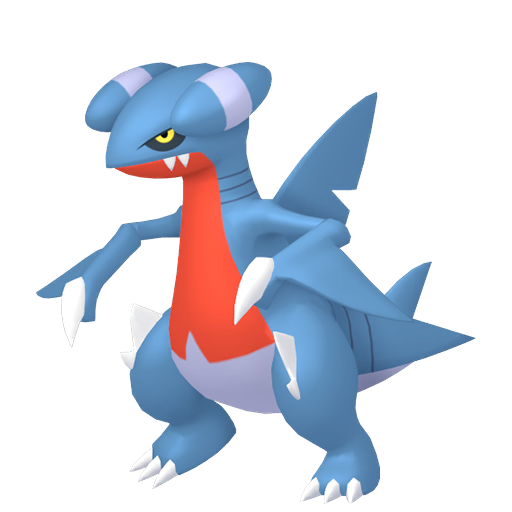
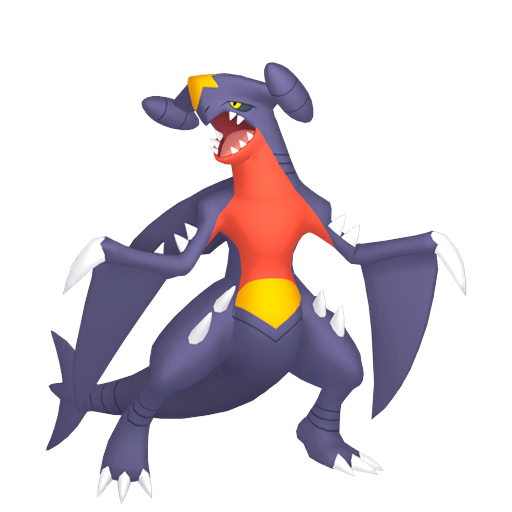
What does that mean in practice? Take Garchomp: at Lv50, IVs 31, Stat Points maxed at 32, its Attack stat lands around 167. After one Swords Dance, the effective Attack becomes 334. Run Earthquake from that position (base power 100, STAB ×1.5) against a mid-bulk target sitting at roughly 150 Defense — before the boost you're hitting around 55–65% of their HP. After the boost, the same move crosses 110%, clearing the KO line at every step of the 85–100% damage roll. That's what "couldn't break through before, sweeps cleanly after" actually looks like in the numbers.
Why does this matter more in Champions than it used to? Stat Points cap at 32 per stat with 66 total — you can't dump a full spread into Attack the way old 252-EV builds could. Champions baseline Attack runs around 10–15 points lower than a maxed-out mainline configuration. The ×2 from Swords Dance is fixed and completely independent of that constraint. One boost pulls your effective Attack above numbers that were simply unreachable through training. You're not just getting stronger — you're crossing a threshold that doesn't exist otherwise.
In Singles, the core payoff is landing OHKOs through the opponent's remaining team. Once you're at +2, almost every switch-in faces a one-hit KO threat, which forces the opponent to either find a fast special attacker to take you down first or sacrifice something. In Doubles, the setup window is tighter, but the payoff is the same: a boosted physical attacker with wide coverage threatens both opposing slots, which implicitly frees your partner from being the primary target.
Who runs it
The Pokémon that wants Swords Dance needs three things simultaneously: high base Attack, move coverage that punishes whatever switches in, and a realistic way to claim that setup turn.
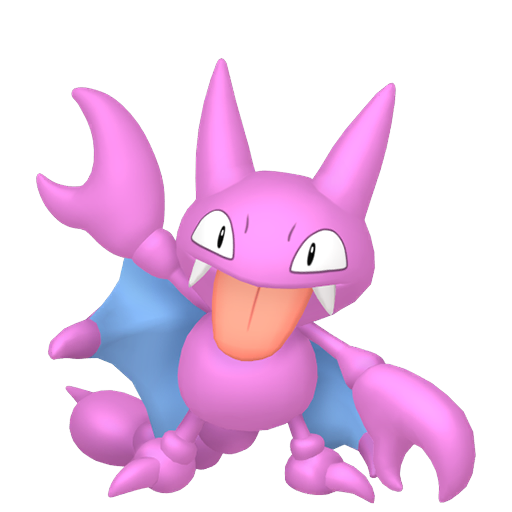
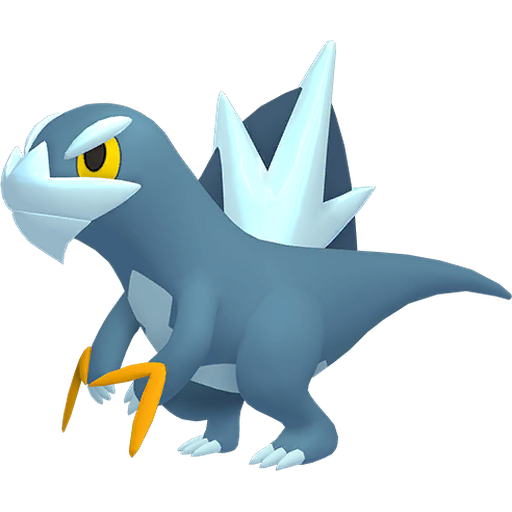
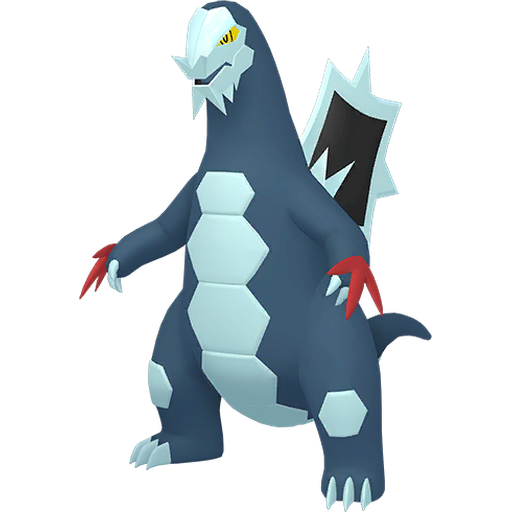
Garchomp is the textbook case. Its Speed stat lands around 177 at Lv50 max — faster than the vast majority of the ranked meta — so it naturally finds setup turns on forced switches and outspeeds from there. Dragon + Ground dual coverage through Earthquake and Dragon Claw / Scale Shot leaves almost nothing unscathed. The caveat: Ice Shard is +1 priority and hits at ×2. At +2 Attack but low HP, Garchomp can get picked off by a faster priority user before it attacks. Don't let it get into KO range of a Weavile Ice Shard without a plan.
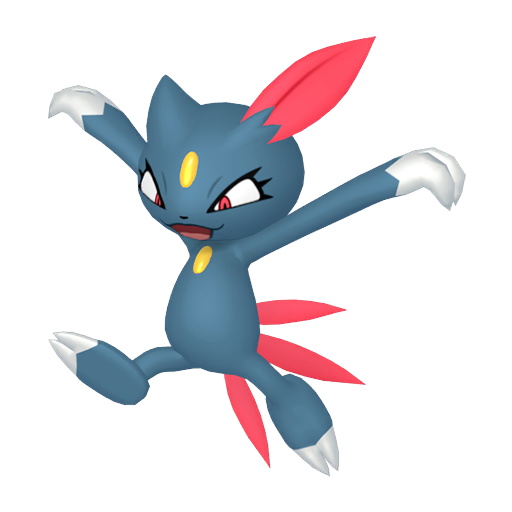
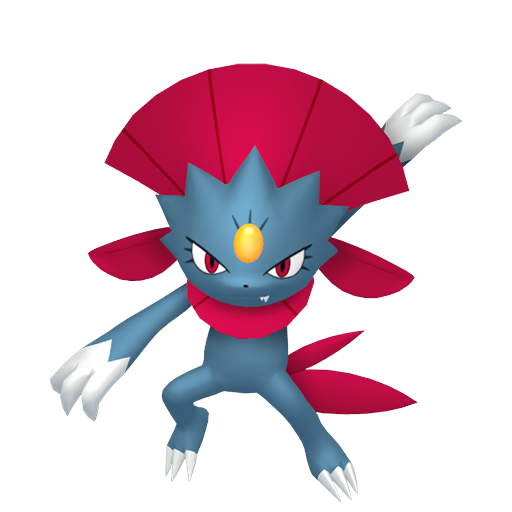
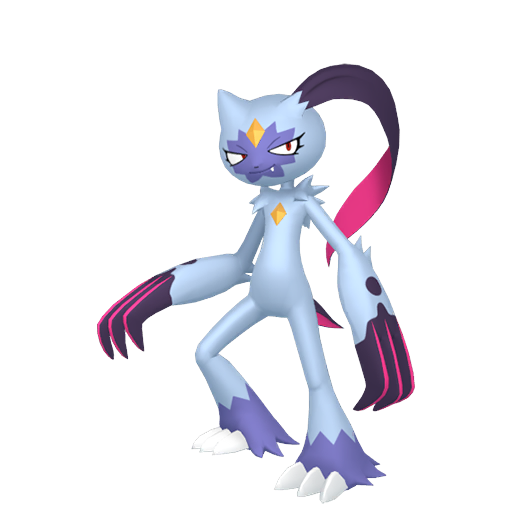
Weavile takes a different approach. Speed stat also around 177, meaning it naturally lives in a tier where almost nothing outspeeds it — and at +2, its Attack damage turns even neutral targets into OHKOs. Night Slash plus Triple Axel covers Dragon, Psychic, and Flying types cleanly. Steel and Poison types are the soft walls, but with +2 Attack most opponents faint before the wall ever comes in. The critical weakness: Weavile has almost no bulk, and it cannot eat a hit on the setup turn. Every Swords Dance turn must be a genuinely free turn — a switch, a misprediction by the opponent, or partner coverage in doubles.
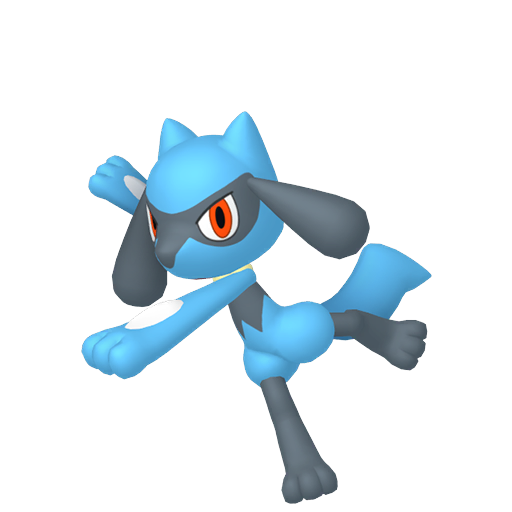
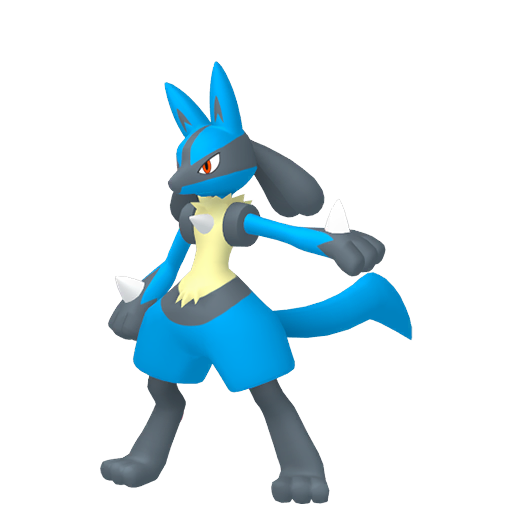
Lucario uses its resistances as the setup mechanism. Steel typing absorbs 12 move types; many of the "switch in to check this" options actually feed Lucario a free turn instead. At +2, Close Combat with Fighting STAB hits almost anything for serious damage, including Steel types that might otherwise wall physical attackers. Extreme Speed in its movepool matters here: after setting up, if there's a faster surviving opponent that needs cleaning up, Extreme Speed's +2 priority resolves it without needing to outspeed.
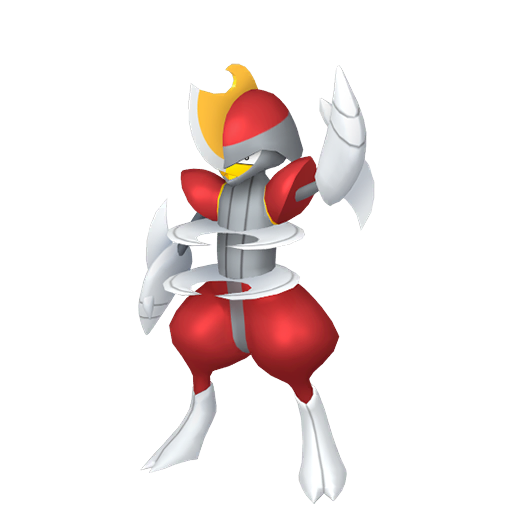
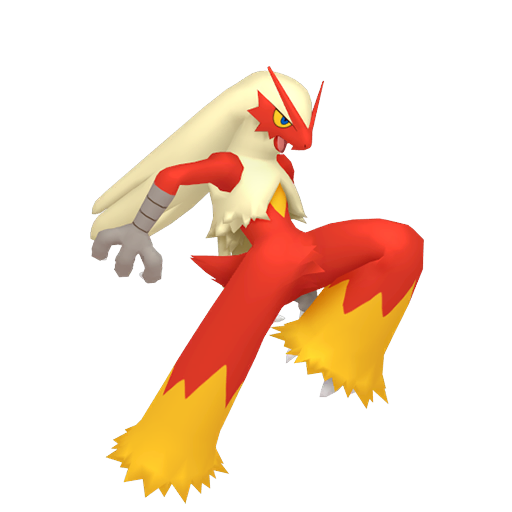
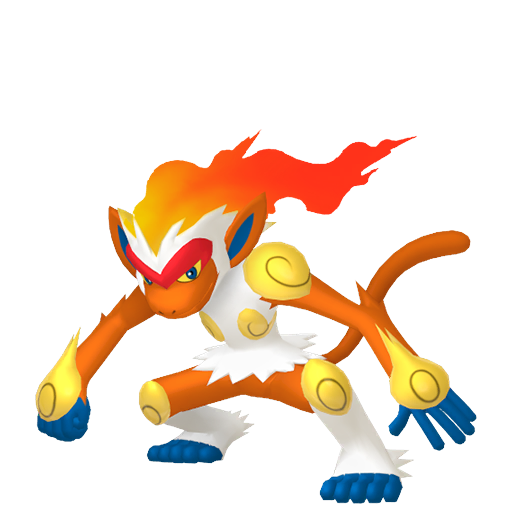
Blaziken (with Blazikenite, requires Omni Ring) functions on its own timeline. Mega Evolution jumps its Attack substantially, and Speed Boost adds a free Speed stage every turn it stays on the field. The standard pattern: turn 1 use Protect to bank a Speed boost safely; turn 2 use Swords Dance; turn 3 you're both faster than almost everything and hitting at +2 Attack. High Jump Kick plus Flare Blitz covers Fire and Fighting STAB with wide neutral reach. Both moves carry recoil, so HP management matters — but if Blaziken gets that setup, it is genuinely difficult to stop.
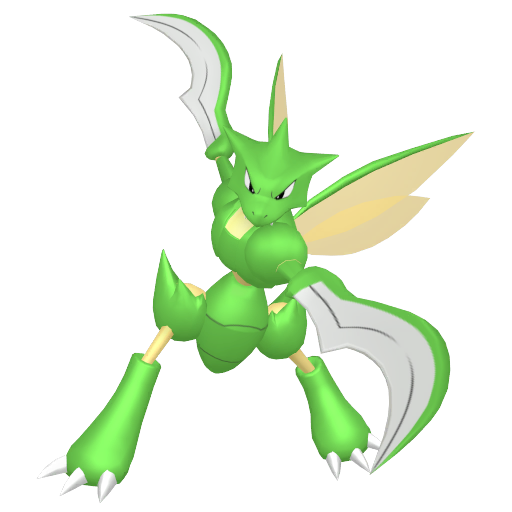
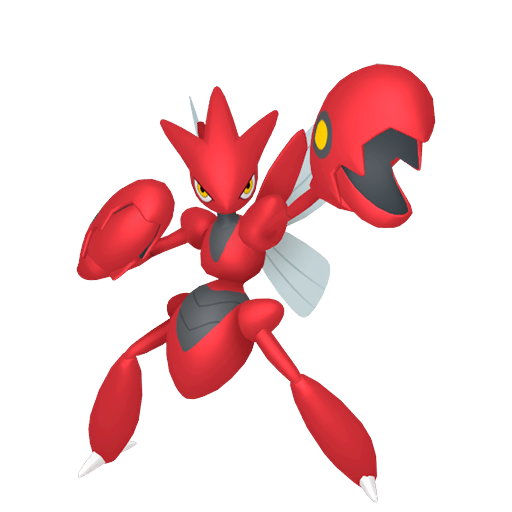
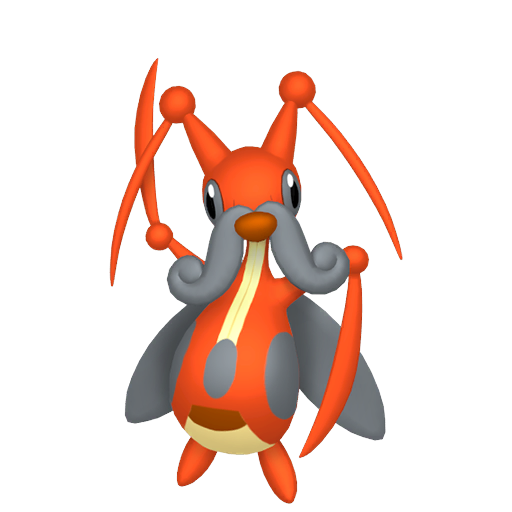
Scizor (with Scizorite): Mega Evolution pushes its Defense into "can actually eat a hit" territory, which creates setup turns through sheer bulk. Then Bullet Punch — a Steel-type +1 priority move — becomes the cleanup tool. At +2 Attack with STAB, Bullet Punch bypasses the Speed equation entirely and hits hard enough to KO most non-resistant targets that survived the setup turn. Notably good answer to faster opponents who'd normally outspeed you post-setup.
What doesn't want it: physical attackers with middling Speed and no meaningful bulk. They rarely get a second turn after committing to setup, and the entire investment is wasted on the one-turn window they couldn't safely use.
How to use it
The singles turn model is: identify the forced switch → use that turn to boost → clean house on the next turn.
The opponent predicts your current Pokémon is a threat and pivots out to something safer. During that switch turn, their incoming Pokémon hasn't acted yet and yours has a free action. That's the Swords Dance turn. The new switch-in then faces +2 Attack on its very first move — often an instant KO.
The critical if-then reads:
- If the switch-in is your type counter (opponent brings a Steel type against your Weavile): do not boost. Switch out yourself or click an attack into the resist to avoid losing the momentum. Wait for a better window.
- If the switch-in is slow and defense-light: boost. Let them hit you once if needed — as long as you survive, next turn you reverse it cleanly.
- If you've boosted and the opponent still has an unseen priority user: KO the current target, then evaluate whether the priority user's HP is low enough that you can eliminate it before it gets priority off. Don't auto-assume you're safe just because you're faster.
Substitute + Swords Dance pattern: use Substitute first turn; opponent breaks it; boost behind the timing gap. Requires you to be faster (Substitute goes out before opponent can attack) or have Speed Boost stacking speed each turn so your priority window grows over time.
The doubles setup equation:
Fake Out into Swords Dance is the cleanest structure:
- Turn 1: Partner uses Fake Out on one opponent, preventing it from acting. You use Swords Dance — the other opponent is one-on-one with you and unlikely to do enough damage to matter.
- Turn 2: Both opponents must deal with +2 Attack from you. Their options narrow dramatically.
Rage Powder / Follow Me redirect is the other route: your partner absorbs all attacks aimed at your side, you get one completely free turn. This requires your partner to be alive, and you need to verify during Team Preview that the opponent doesn't have Lightning Rod or Storm Drain on a slot that would make the redirect fail on the type you're relying on.
One doubles-specific caution: after boosting, spread move attacks like Earthquake deal 75% damage to each target but also hit your own partner if they don't resist Ground. If your partner doesn't resist Ground, switch to a single-target move post-setup rather than KOing your own teammate.
Tips & strategy
The most common mistake: setting up twice.
The logic sounds right — +4 Attack is 50% stronger than +2. But the opponent does not give you two free turns. The second Swords Dance is a wasted action during which the opponent switched in a threat, clicked a status move on you, or simply attacked. In Champions, +2 Attack already crosses the OHKO line on most realistic targets. The marginal gain from a second boost is not worth the turn cost. The rule: once you're at +2, immediately check whether you can sweep through what's left. If yes, go. If not, switch rather than boost again.
Burn is a real counter, not just a soft one. Burn halves your Attack stat directly. Garchomp at 167 Attack with a burn operates at 83 effective Attack. At +2 after Swords Dance, that's 83 × 2 = 166 — exactly where you started without the boost. The entire Swords Dance turn was canceled out. Against teams with Will-O-Wisp access, you need to account for the burn source before committing to a setup. Either clear the burn threat first, absorb the burn with a resistant partner, or set up only in a window where the Will-O-Wisp user can't act.
Priority is the hard check. Bullet Punch, Extreme Speed, Ice Shard, Sucker Punch all run at +1 priority, meaning they execute before your attack regardless of Speed. At +2 Attack but 35% HP, a single Ice Shard from an unseen Weavile ends the sweep. Before setting up, count the priority users still alive on the opponent's side and whether their coverage type hits you. If they do, either stay above their KO threshold or take them out first.
Unaware and Haze are the named exceptions that shut this down completely. Unaware — carried by Pokémon like Quagsire and Clefable — ignores stat stage changes when calculating damage. They hit you as if you're at +0 no matter how many boosts you've accumulated. Haze resets all stat changes on both sides to zero instantly. Three turns of Swords Dance to +6, then one Haze: back to square one. When you see either of these on the opponent's team during Team Preview, the Swords Dance gameplan is off. Switch to a different win condition rather than investing turns you won't get to use.