











What it does
Aerial Ace is a Flying-type physical move with 60 base power. What sets it apart from other 60-power moves is that it cannot miss. Evasion raises on the opponent, accuracy drops on your side, Sand Veil in sandstorm, the opponent using Double Team — none of it matters. The move connects regardless.
In a standard metagame, that property rarely matters. Most moves have high enough accuracy that the modifier from evasion boosts barely changes the math. Where Aerial Ace earns its slot:
- An opponent that has stacked Double Team evasion raises
- Your Pokémon's accuracy has been lowered (via Smokescreen, Bright Powder, or ability-based drops)
- You're using a Pokémon whose ability lowers its own accuracy on physical moves — specifically Hustle
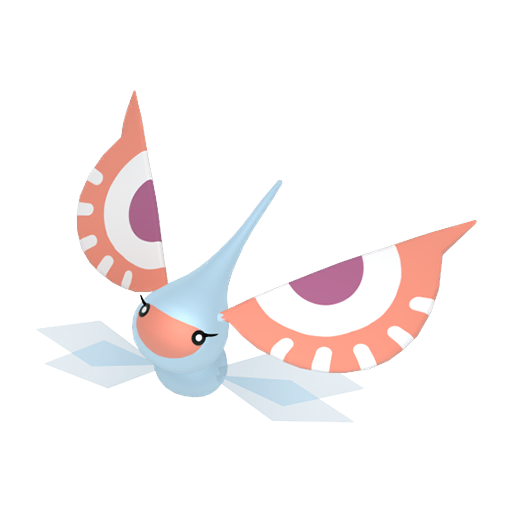
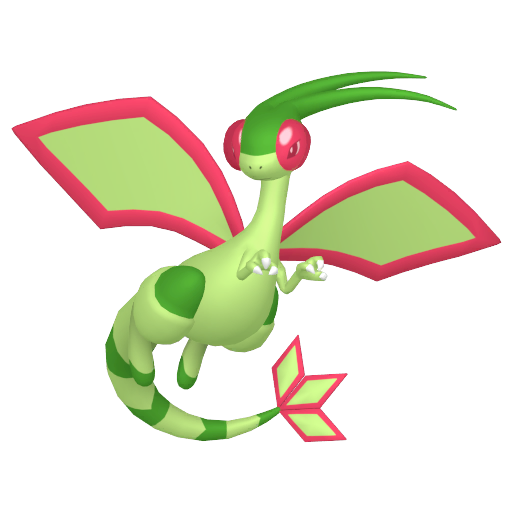
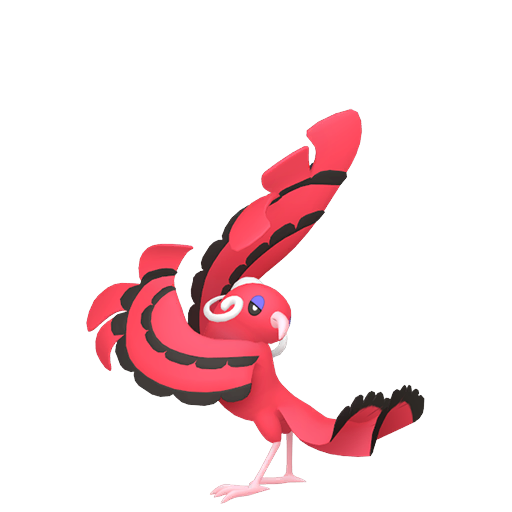
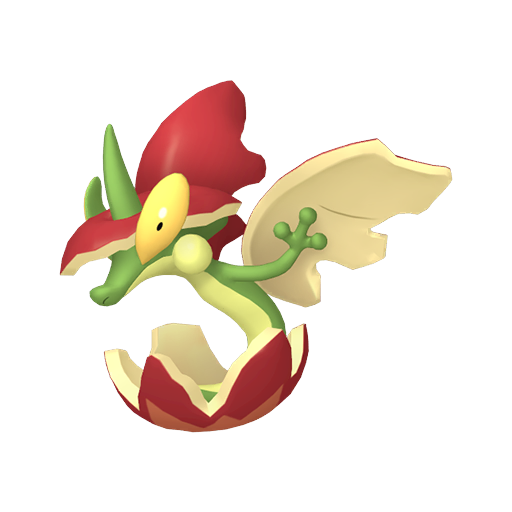
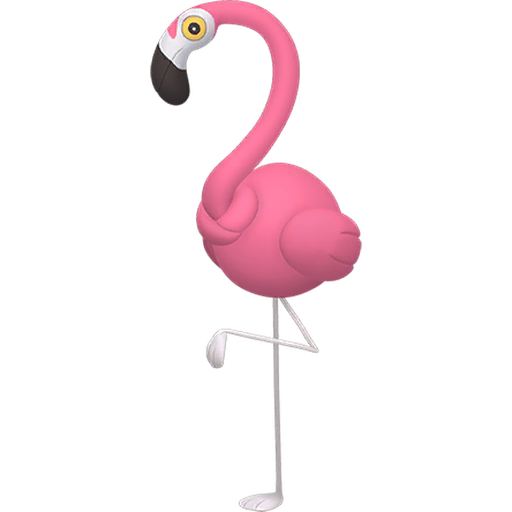
The last case is the most relevant reason Flapple runs it. Hustle raises Attack by 50% but multiplies the accuracy of physical moves by 0.8. That makes many physical moves unreliable. Aerial Ace bypasses the accuracy penalty entirely — same 50% Attack boost, no accuracy tax.
Who runs it
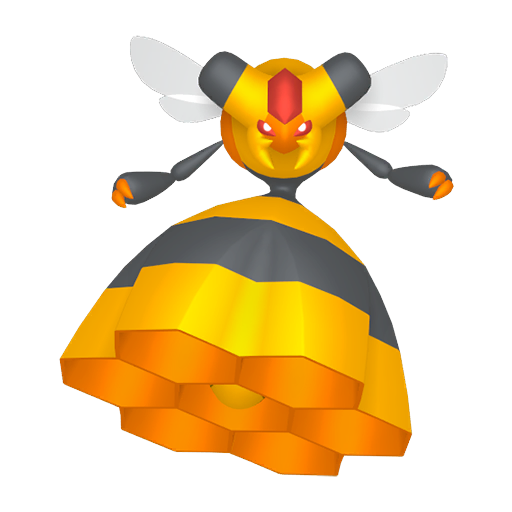
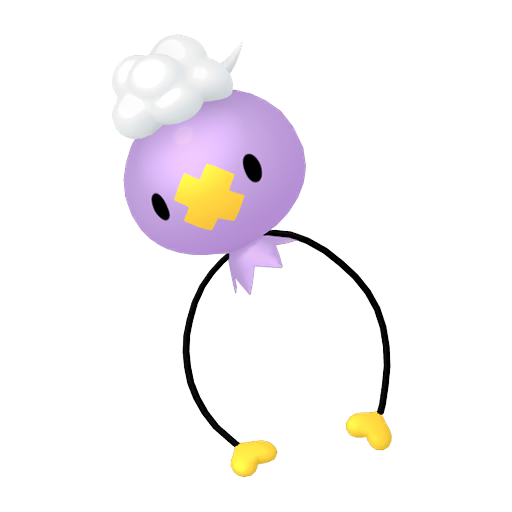
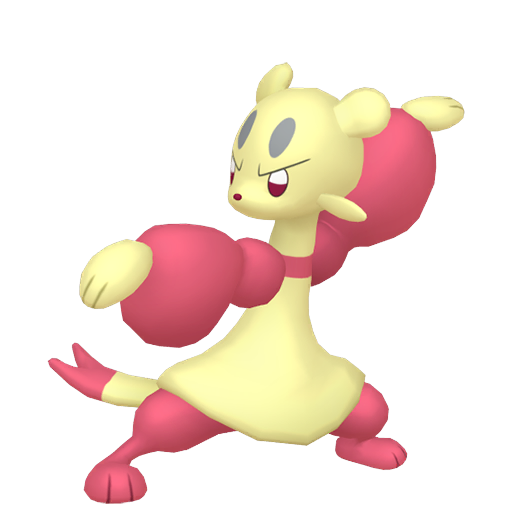
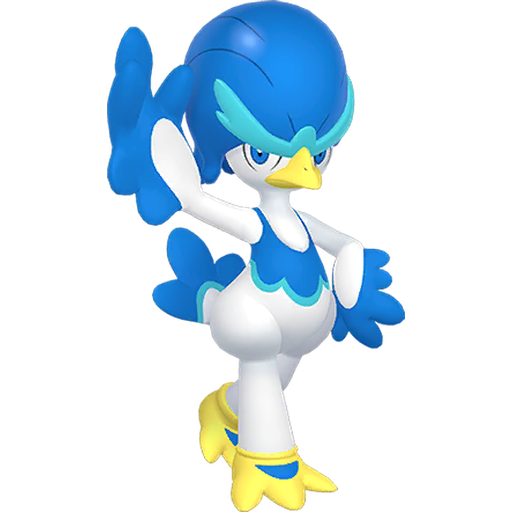
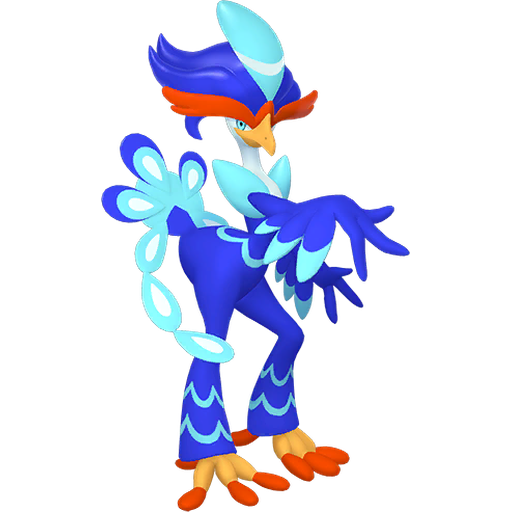
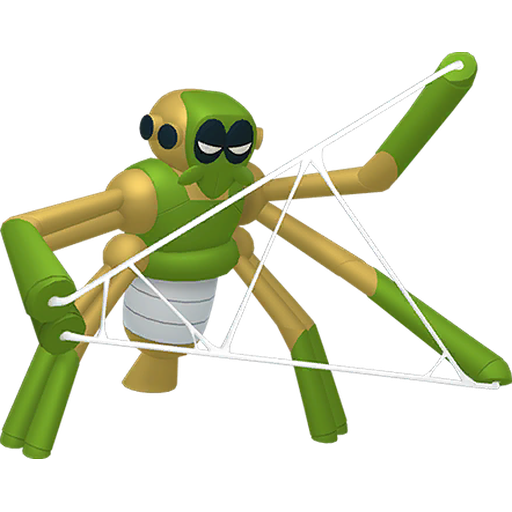
Flapple (6%) uses Aerial Ace specifically because of Hustle. With that ability, its physical moves already face an inherent miss chance. Aerial Ace is the guaranteed-contact option when accuracy is too important to risk — whether from the ability's own drawback or from an opponent setting up evasion.
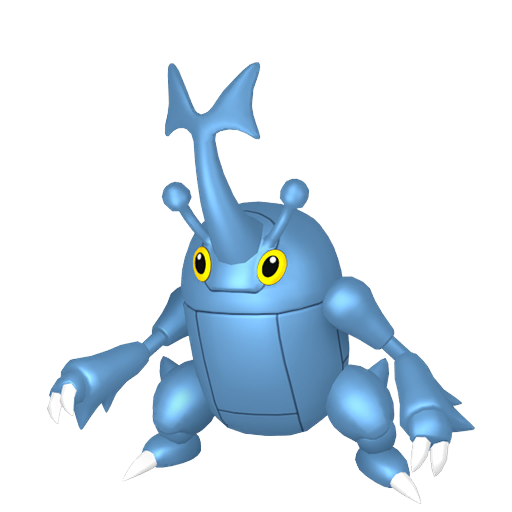
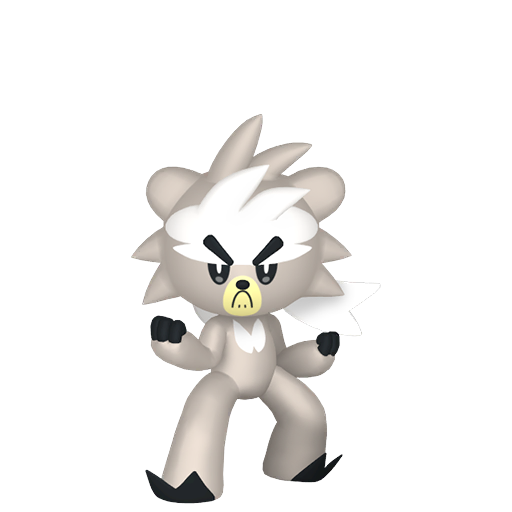
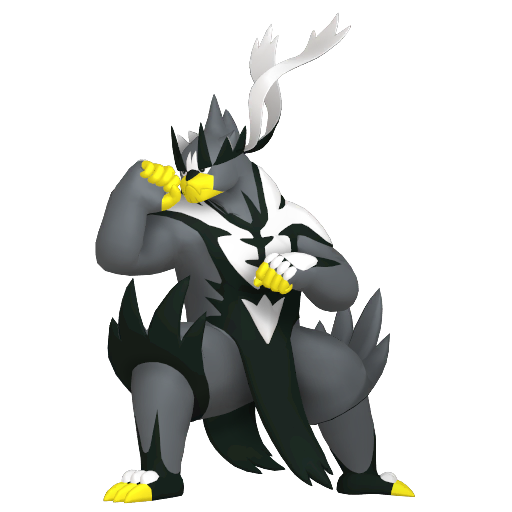
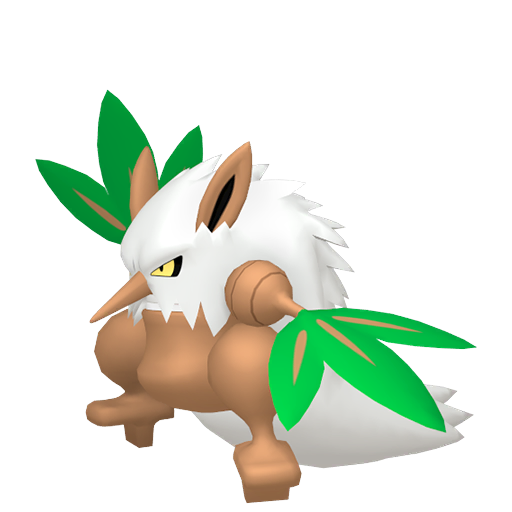
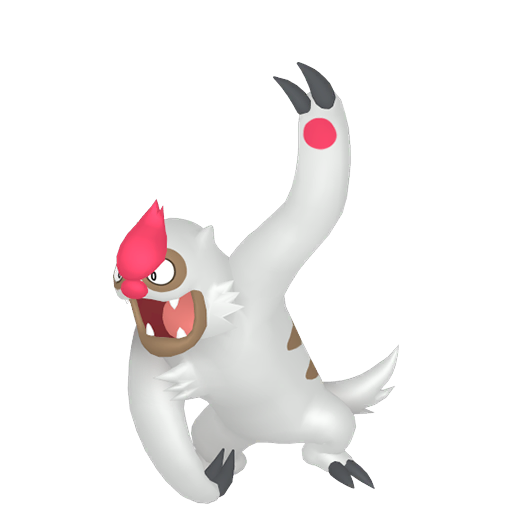
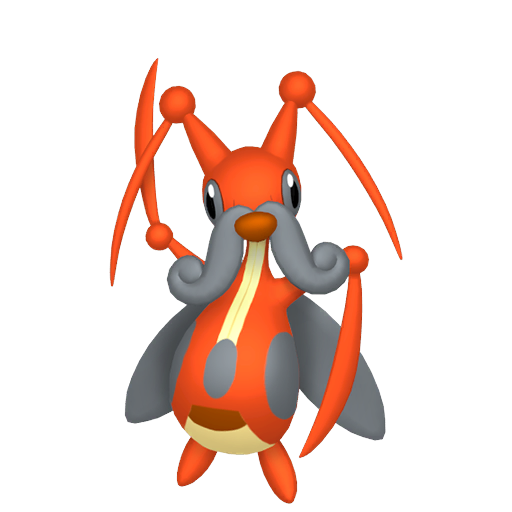
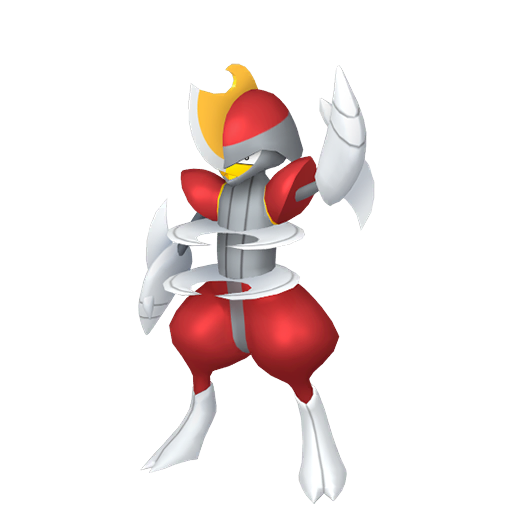
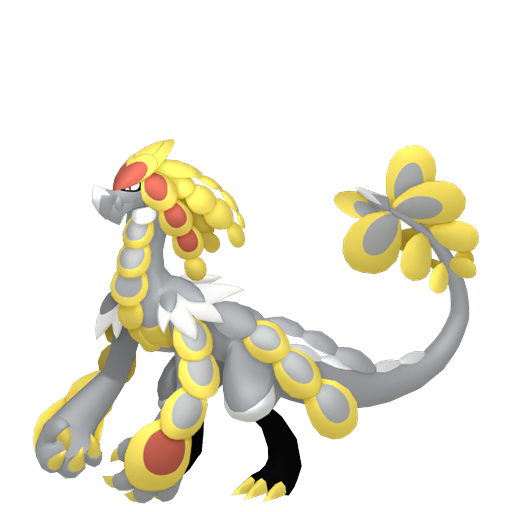
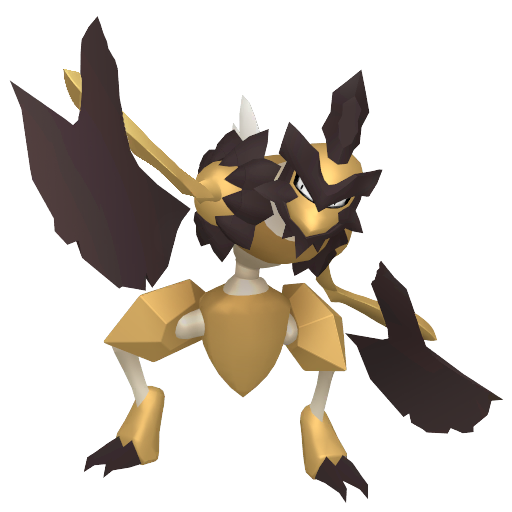
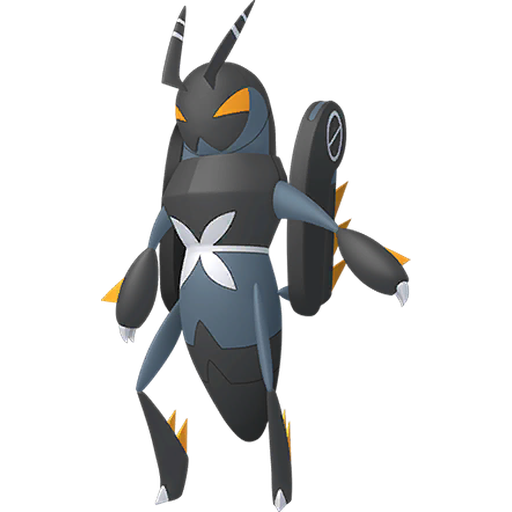
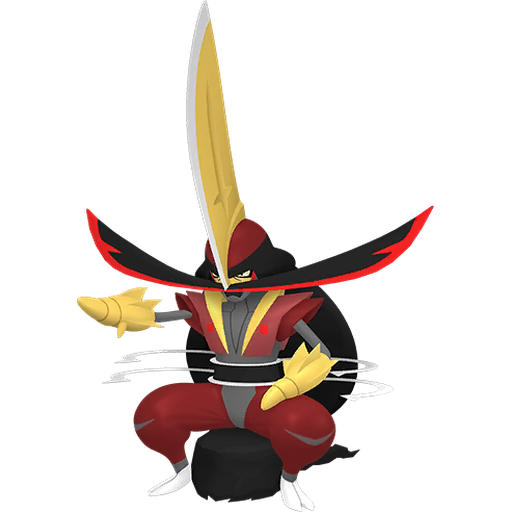
Kleavor (8%) is a physical Bug/Rock attacker that benefits from Flying-type coverage. It hits Grass, Fighting, and Bug types for 2x, expanding reach beyond what its STAB moves alone provide.
How to use it
For Flapple, the decision point is clear: if you want reliable physical contact and your accuracy is in question, this is the move. Your main STAB attack is still better when accuracy is clean, but the moment the opponent raises evasion or you take an accuracy drop, Aerial Ace is the right call.
In doubles, you're targeting one Pokémon specifically — this is single-target, not a spread move. Pick the target that needs to be removed or chipped and direct it clearly.
Tips & strategy
Flying type hits Grass, Bug, and Fighting types for 2x. All three appear regularly in Champions doubles, so the coverage is not purely situational.
Kleavor gets concrete use from the Grass and Fighting hits. Most of its other coverage slots lock up the Bug and Rock types it already has STAB on; Flying adds a different angle.
If you're doing team preview and the opponent has no evasion-raising moves and no targets weak to Flying, the move's value drops considerably. When it's on the set, it's insuring against a specific failure mode. Knowing when that failure mode matters is what makes it a good slot rather than just a filler.