

































































































What it does
Roar forces the target out, replacing it with a random Pokemon from the opponent's party. All accumulated stat stage changes on the forced-out Pokemon vanish. That's the entire value proposition in competitive play: an opponent who has spent three turns stacking Attack stages gets everything erased without a fight.
The mechanics have important constraints. Roar has priority −6, so the target always acts before being roared out — you can't use Roar to prevent the current turn's action. It fails against Pokemon with Suction Cups and against targets that used Ingrain. It's a Normal-type move, so it doesn't affect Ghost types at all.
In doubles it targets one Pokemon. The randomly-chosen switch-in is not controlled — you might get a favorable matchup or an unfavorable one.
Who runs it
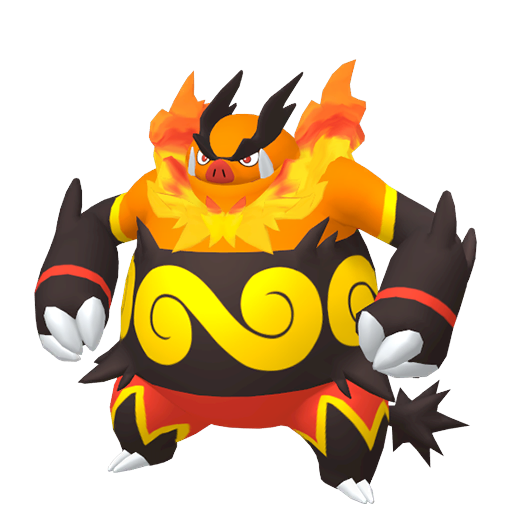
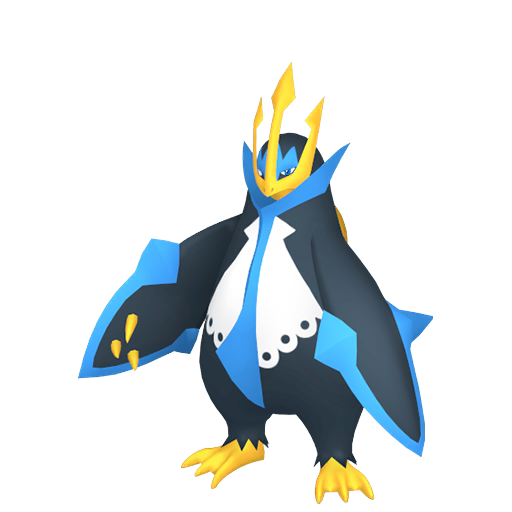
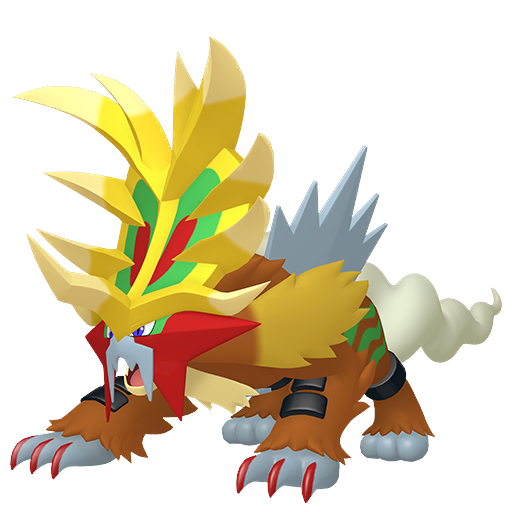
Empoleon (31%) uses Roar in support configurations. High Special Defense lets it take hits from boosted physical and special attackers long enough to use Roar at the right moment. Against a Trick Room core that's stacking Attack, a well-timed Roar doesn't just erase the boosts — it also randomly shuffles who's on the field, potentially breaking the opponent's paired strategy.
Flareon (15%) adopts it in specific configurations as a setup counter. Flareon is primarily a Fire physical attacker, but at 15% adoption, Roar fills an anti-setup role in those sets. It's a tool rather than a core feature — when opponents lead with a setup strategy, having Roar available as a response changes the opponent's calculus.
How to use it
Time it against accumulated boosts: Roar on turn one is almost always wasted — no boosts to erase. Wait until the opponent has stacked one to two stages, or until you're confident the next turn is another Swords Dance. That's when the payoff is greatest.
Target selection in doubles: In doubles, Roar hits one target. Use it on the Pokemon with the most accumulated stages, or the one about to become a severe threat. Against teams without any setup Pokemon on the field, Roar loses most of its value.
Evaluate the switch-in risk: The forced replacement is random. Before using Roar, mentally run through what the opponent's remaining party could be. If the worst-case switch-in (their most threatening remaining Pokemon) is a problem you can't handle, Roar might not be the right call.
Tips & strategy
Hard countered by Suction Cups: Completely immune to forced switch moves. Also blocked by Ingrain users. Check abilities before targeting.
Misses Ghost types: Roar is Normal-type and has no effect on Ghost types. Keep another option ready for Ghost-type setup sweepers.
Entry hazard combination: In singles with Stealth Rock active, every Roar triggers entry hazard damage on the switch-in. This is the highest-value use of Roar — each use effectively deals hazard chip on top of erasing boosts. In doubles, this interaction is less relevant since entry hazards are less common.
Against Protect-cycle setup: A setup sweeper cycling between Protect and a setup move can't be interrupted inside the Protect turn — Roar fails against protected targets. Wait for the turn they use the setup move, then consider your options. Hitting with Roar on a setup turn erases the boost before it can be used.