





















































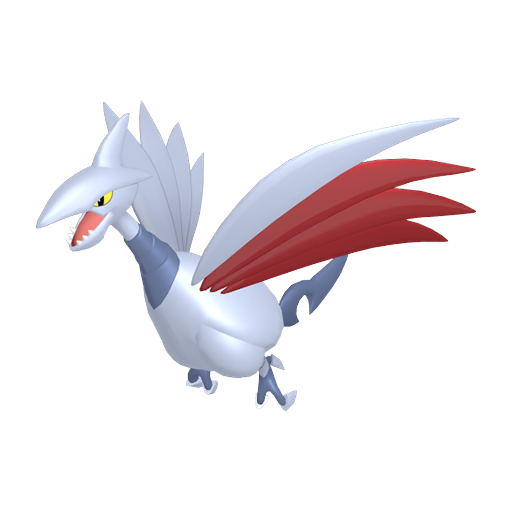



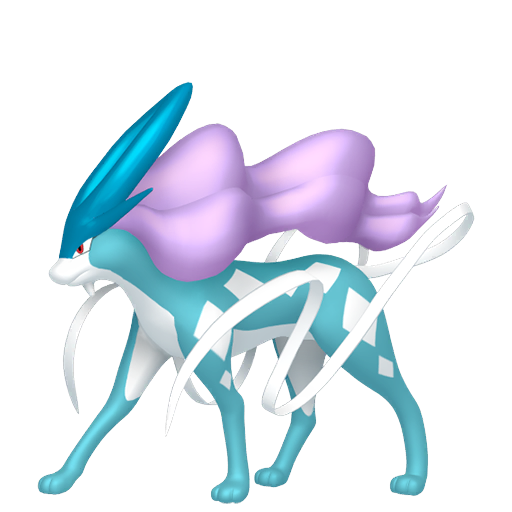
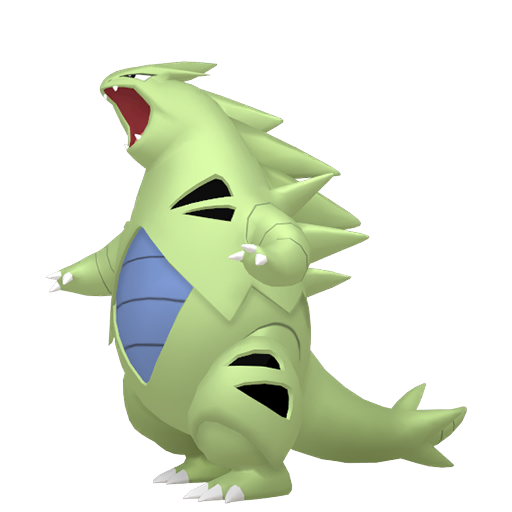
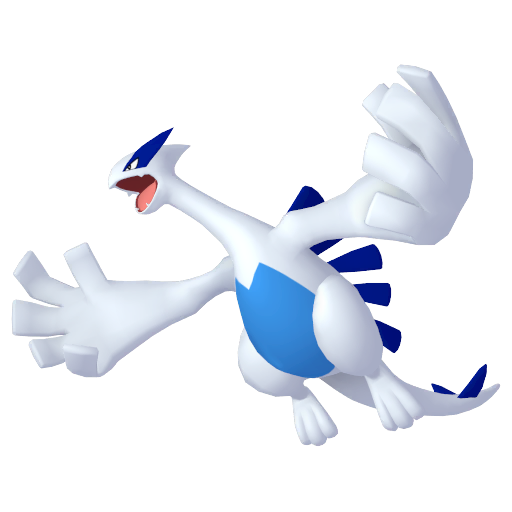














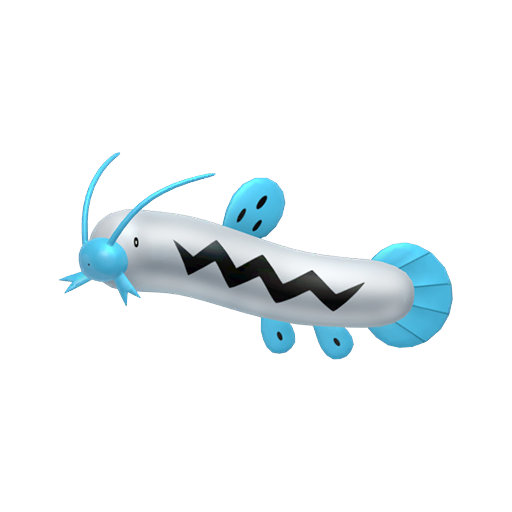

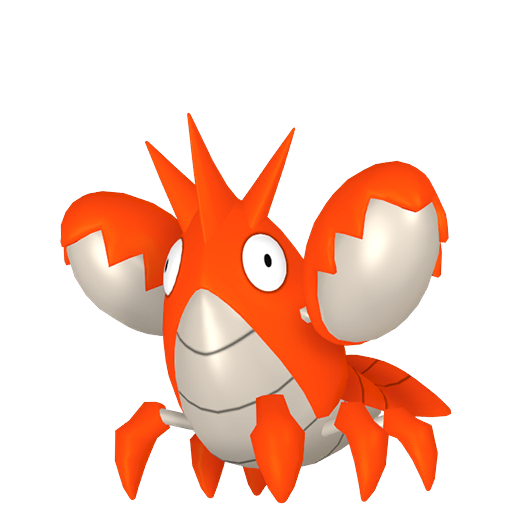


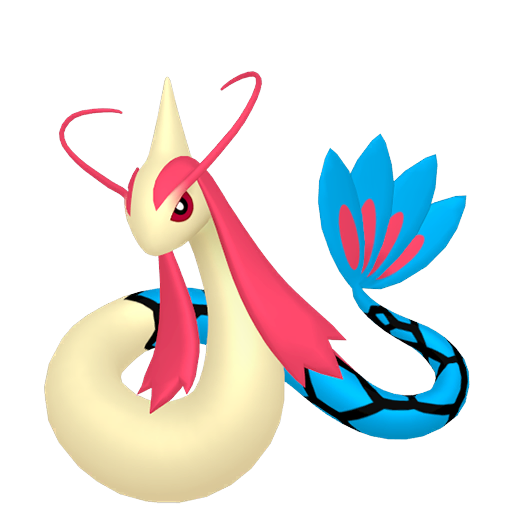

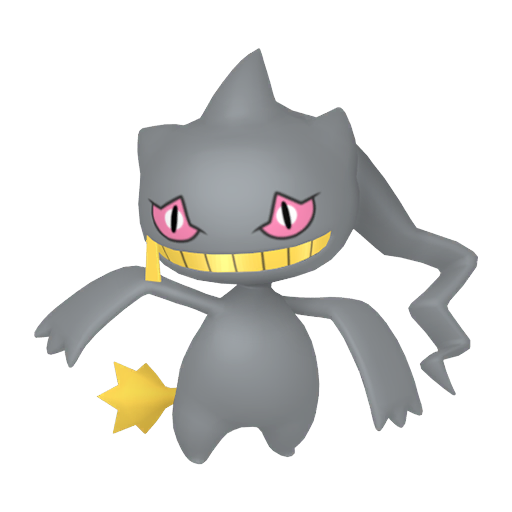











































What it does
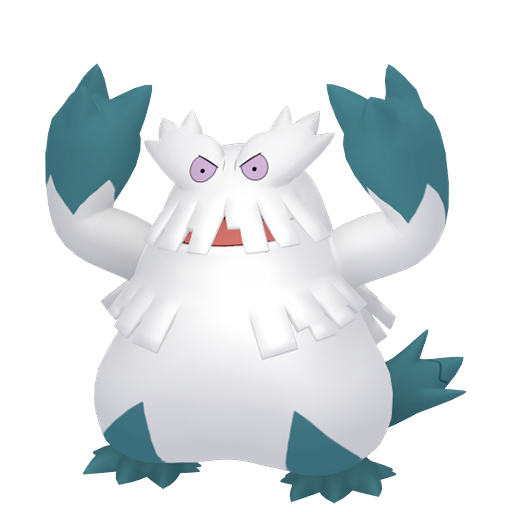
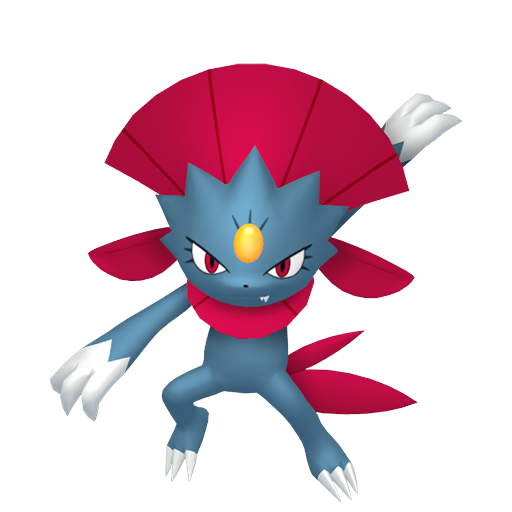
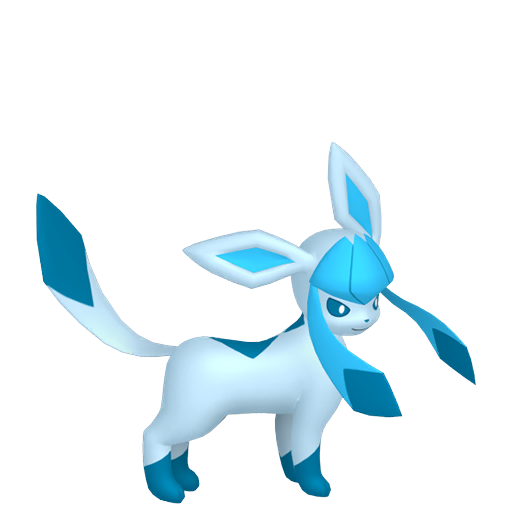
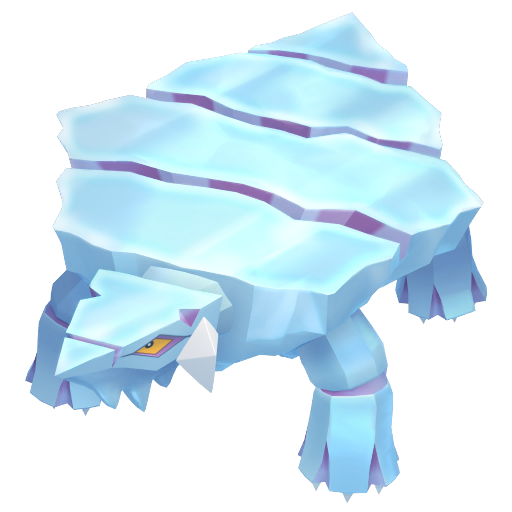
Icy Wind is a 55 BP, 95-accuracy Ice-type Special move. On hit, the target's Speed drops by one stage — permanently until they switch out. That one stage means the target runs at ÷1.5 their original Speed: a Pokémon at Speed 130 falls to ~87, Speed 100 falls to ~67, Speed 80 falls to ~53.
Here's why that number matters in practice. Jolteon sits at Speed 130 — fast enough to outrun most of your team before you can act. One Icy Wind and it drops to ~87. Any teammate with 88+ Speed now moves before it. You didn't need a Choice Scarf or a Tailwind — you just rewrote the turn order permanently until they swap.
In doubles, Icy Wind hits both opposing Pokémon simultaneously. The ×0.75 spread penalty applies to damage, but the Speed drop is applied fully and independently to each target. One action, two Pokémon at −1 Speed. No other move gives you that much speed control for a single turn investment.
Compare the alternatives. Choice Scarf only covers one Pokémon and competes with the Mega Stone for the held item slot. Tailwind is team-wide but expires in 4 turns. Thunder Wave in Champions only has a 12.5% full-stop chance (down from 25%), has type immunities, and can't touch Electric-immune targets. Icy Wind's Speed drop triggers at 100% on hit, 95% accuracy, no type immunity list, no secondary RNG. That consistency is the core of its value.
In singles, the 55 BP is too low to carry a moveslot on damage alone. It's worth considering only when you're narrowly slower than the opponent and need to flip the priority bracket.
Who runs it
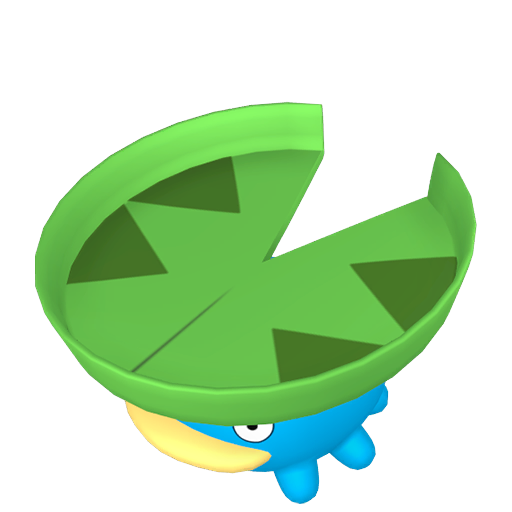
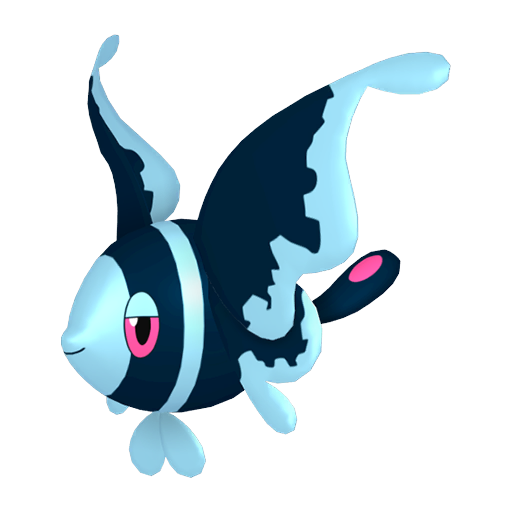
Lapras: learns Icy Wind naturally, has 60 base Speed (usually outsped), good Special Attack, and excellent Special Defense. Its role in doubles is clear: take a hit, fire Icy Wind into both targets, and let the team's sweepers move first from turn 2 onward. It doesn't need to win the Speed race itself — it changes the race for everyone else.
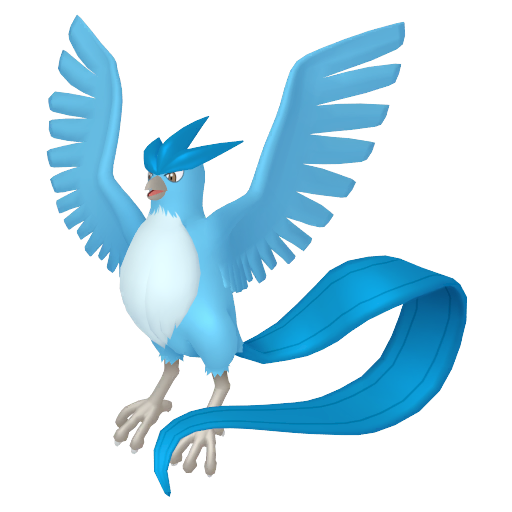
Articuno: 85 Speed, high Special Defense, Ice typing means zero moveslot cost. After a single Icy Wind, targets at Speed 120 fall to ~80 — and Articuno's 85 now outspeeds them. That reversal (85 > 80) is math, not luck, and it only costs one turn to set up.
Suicune: 85 Speed, exceptional Special Defense, long game anchor in doubles. Suicune typically isn't the team's damage dealer, but Icy Wind gives it a useful action on turns where it would otherwise just take hits. It holds the field while flipping the Speed tier, and a Calm Mind set can still carry Icy Wind in the fourth slot without compromising the win condition.
Porygon2: doubles support staple with Download, Eviolite, and rock-solid bulk. Speed 60 means it's almost always moving second anyway — Icy Wind brings the whole opposing side down toward its bracket, turning "I'm slower" from a liability into a controlled position. If both targets land at ~40–53 Speed, Porygon2 is no longer the slow one in the room.
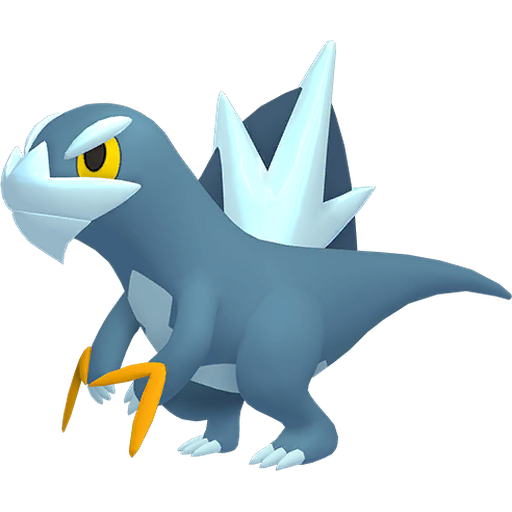
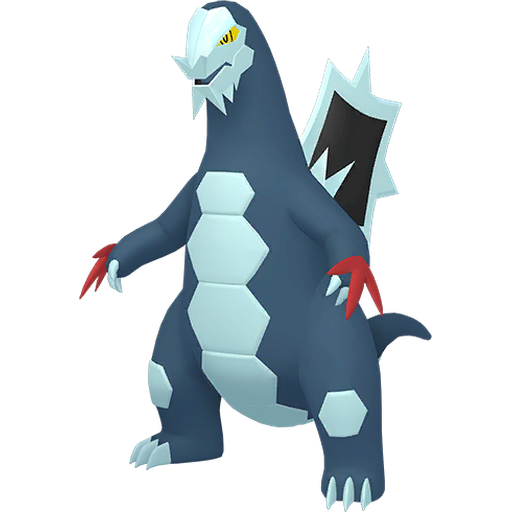
Partners to Mega Pokémon: When Salamence, Garchomp, or Aerodactyl run their Mega Stone, they can't hold Choice Scarf. A teammate with Icy Wind handles the Speed math externally, letting the Mega attacker focus purely on damage output. This is one of the cleanest support synergies in the format.
Incineroar: The Intimidate on-switch cuts the opposing physical attackers' Attack, and a teammate simultaneously firing Icy Wind means turn 1 applies two separate debuffs across the whole opposing side — physical damage down, Speed down. The opponent's offense is compressed before they've even moved.
How to use it
Turn 1 blueprint (doubles): Fake Out from a priority user (Incineroar, Hariyama, Hitmontop) flinches one target. Your partner fires Icy Wind into both. Result: both opponents are at −1 Speed, one of them wasted their turn flinching. Starting turn 2, your sweeper moves before both of them unless something switches.
Run the Speed math before committing: If your Pokémon sits at 80 Speed and the opponent is at 110, their drop lands at ~73 — you move first after one Icy Wind. If you're at 60 Speed and the opponent is at 110, they drop to ~73 and still outrun you. Using Icy Wind there accomplishes nothing offensively. Calculate the breakpoint before you click — if the drop doesn't flip the order, use a harder-hitting move.
Stacking to −2 (doubles): Icy Wind (−1 Speed, Ice-type) followed by Electroweb (−1 Speed, Electric-type) across two turns puts both targets at −2 Speed, running at ~44% of their original value. Speed 130 collapses to ~58, Speed 100 to ~44. Almost nothing outruns that. Keep in mind: Electroweb doesn't hit Ground-types, so type-check the opposing lineup before you plan this sequence.
Singles application: The clearest use case isn't turn 1 — it's when a Choice Scarf revenge killer just KO'd your lead. You switch in a Pokémon that loses the Speed race, fire Icy Wind first (you'll still be moving second, but you chip the Speed), and next turn your next Pokémon can move first. It's a transition tool, not a win condition.
Timing degrades fast: A Icy Wind on turn 1 shapes the entire game. The same move on turn 4, against a target about to faint, does nothing useful. Use it as early as possible, against the targets that will be on the field the longest.
Tips & strategy
The most common mistake — and how to fix it: You fire Icy Wind, the opponent's Speed drops. Next turn they switch. You still move as though the drop is in place and walk into a faster target that threatens your Pokémon. The drop is tied to the individual Pokémon, not the position — any switch-in arrives at full Speed. The fix is mechanical: whenever an opponent switches, mentally reset the Speed drop to zero and re-evaluate the turn order before clicking. This single habit eliminates the most frequent Icy Wind misplay.
Trick Room is a hard counter to this move: Under Trick Room, lower Speed moves first. Using Icy Wind into an active Trick Room field makes the opponent's slowed Pokémon move earlier, not later — you're providing them a free Speed advantage. If the opposing team runs Trick Room, either prevent it from going up (your own disruption, your own Trick Room check) or stop using Icy Wind for that game. There is no safe way to use it once the field effect is live.
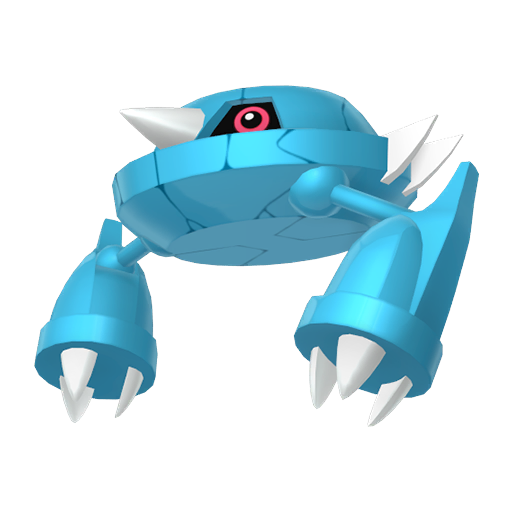
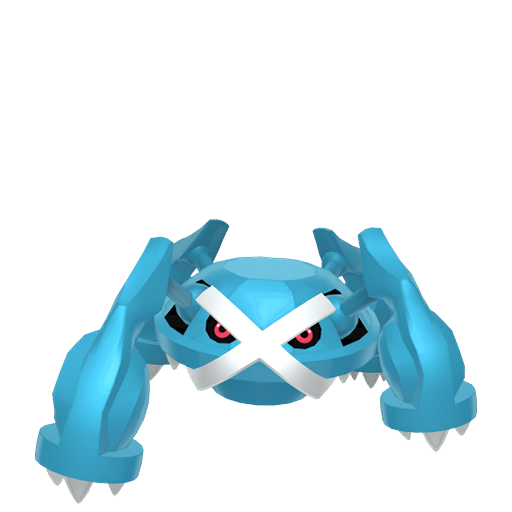
Ability immunities: Clear Body (Metagross, Tentacruel), White Smoke, and Full Metal Body fully block all stat reductions — Icy Wind hits for damage, but the Speed drop doesn't register at all. Mirror Armor is the most punishing: it bounces the Speed drop back onto you. Before using Icy Wind, check whether the target's ability blocks it. Against a Metagross with Clear Body, you're clicking a 55 BP move with no secondary effect — that's almost always the wrong play.
The 95% accuracy has real consequences: Over a long ranked session, 5% miss rate means roughly one in twenty uses fails. In a critical moment — the turn where you must flip the Speed order to survive — that miss exists. Some teams prefer Ice Beam (100 BP, 100 accuracy, no Speed drop) for positions where damage is the priority and the Speed manipulation is secondary. Know which version of Ice you need before building the moveset.
Thunder Wave comparison in Champions: Paralysis full-stop is 12.5% in Champions, half the original rate. Thunder Wave used to offer "guaranteed slow plus decent stop chance." Now it offers "guaranteed slow plus small stop chance plus type-based immunity list." Icy Wind counters by having no immunity list and 100% Speed drop on hit. The exception where Thunder Wave is still better: if you expect the opponent to switch frequently, the paralysis status stays on the Pokémon between switches — the speed drop from Icy Wind doesn't. Persistent debuff vs. immediate debuff: use the tool that fits the opponent's switching behavior.