


















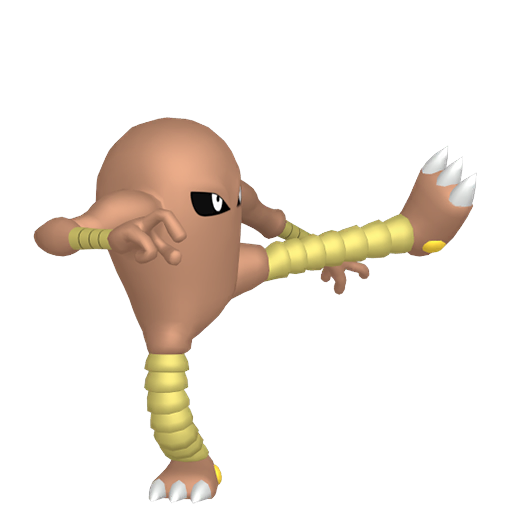
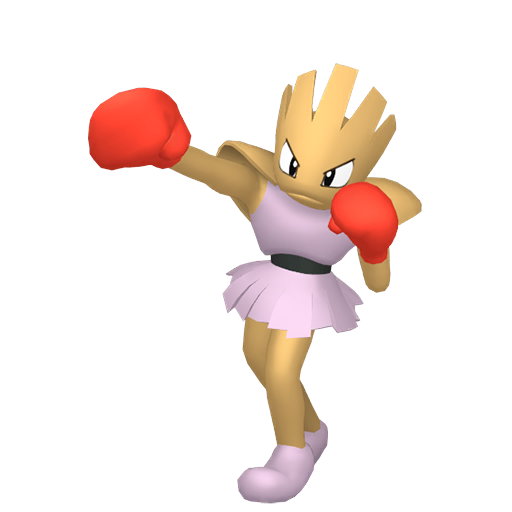
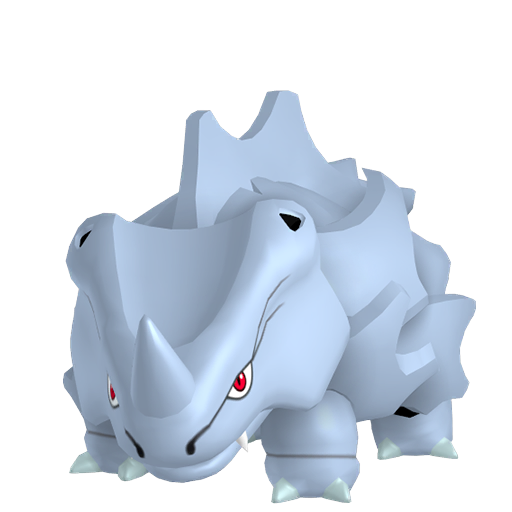
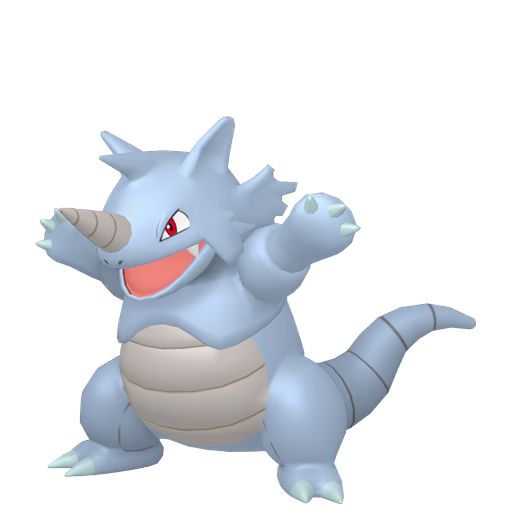
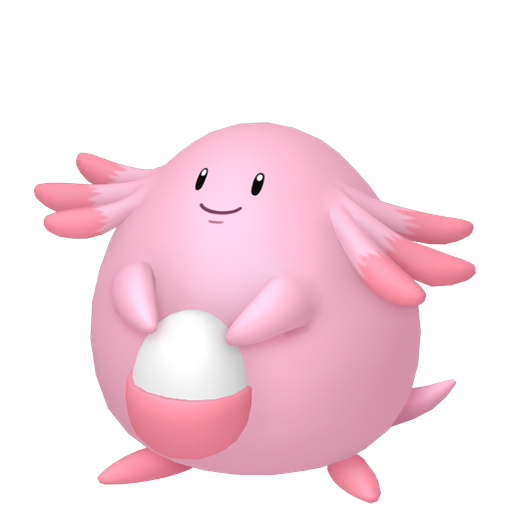
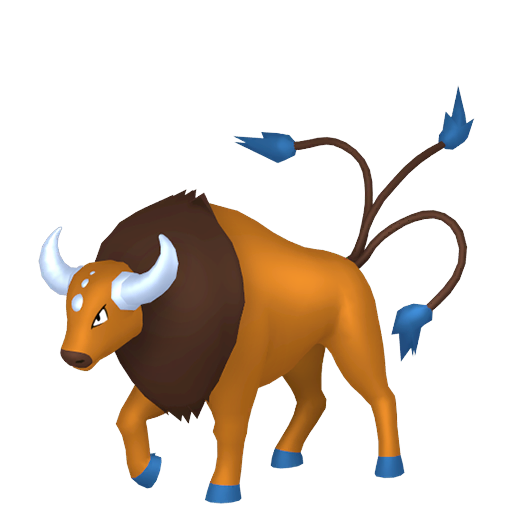

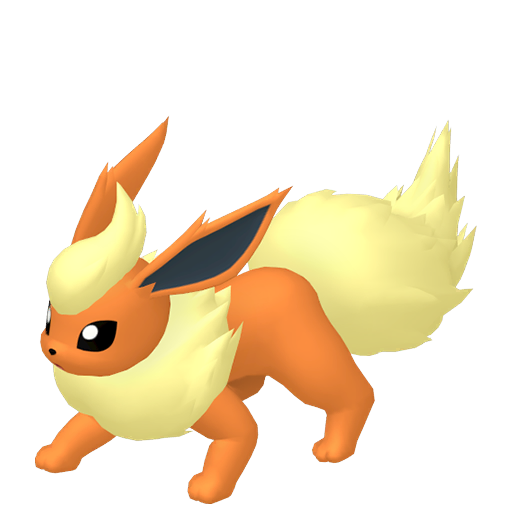


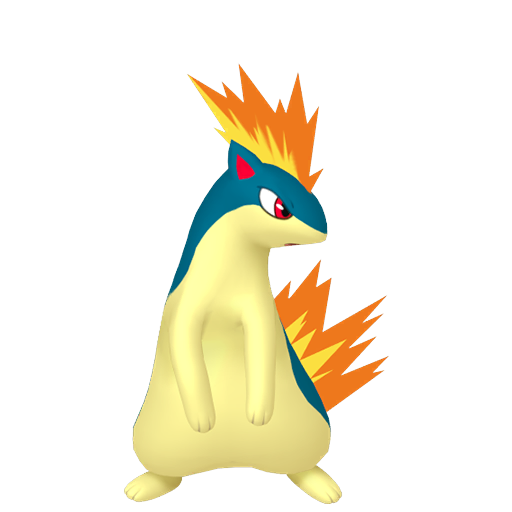


















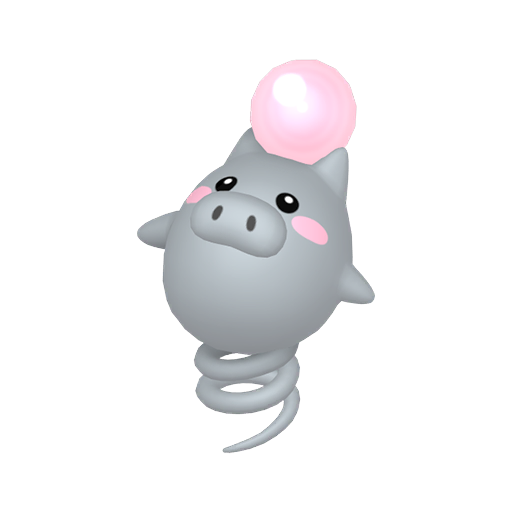
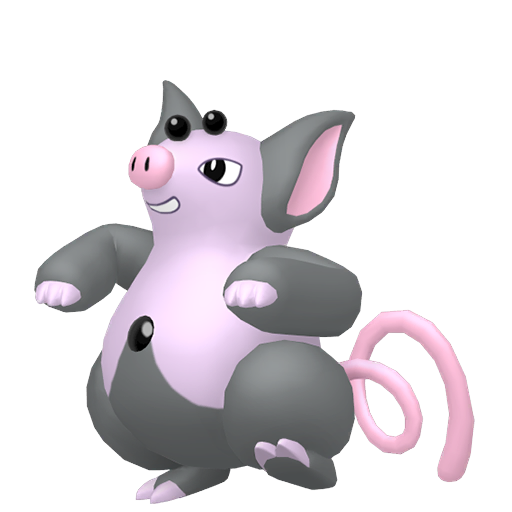




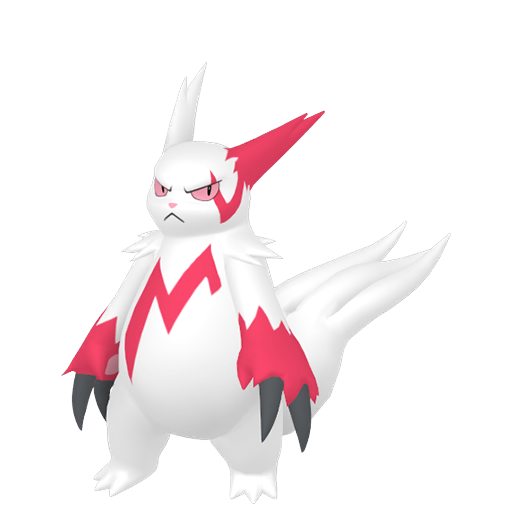
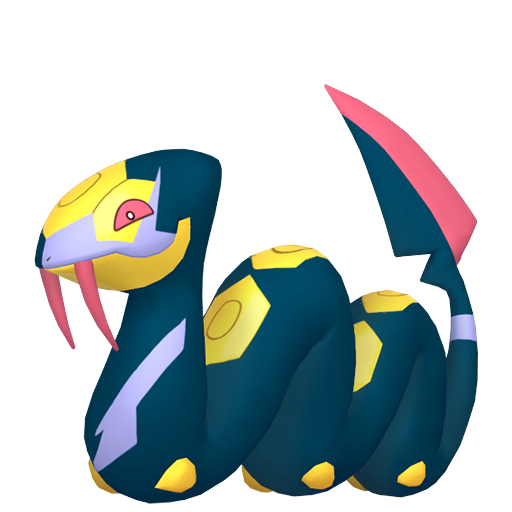






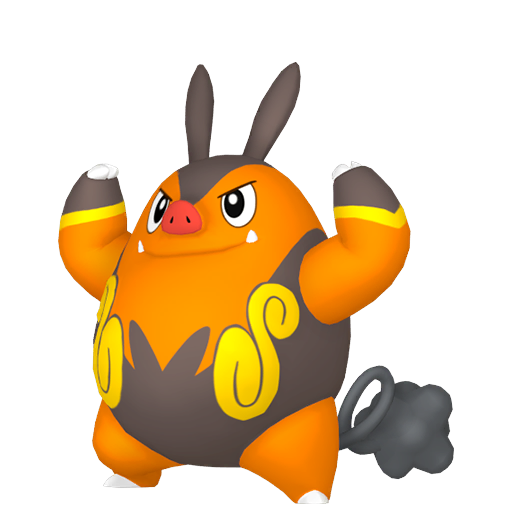
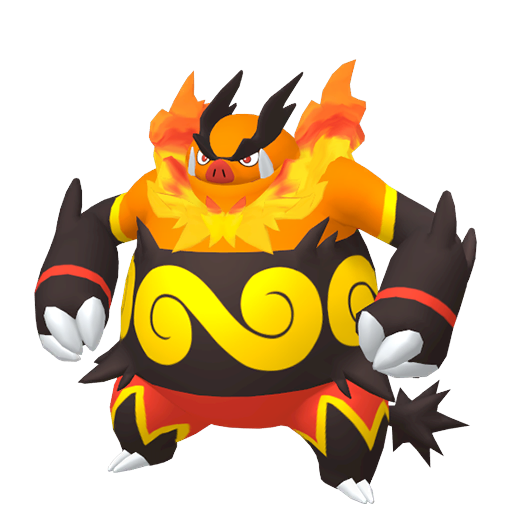



















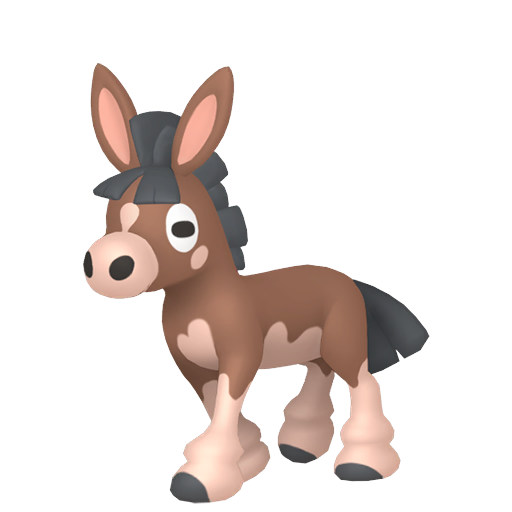
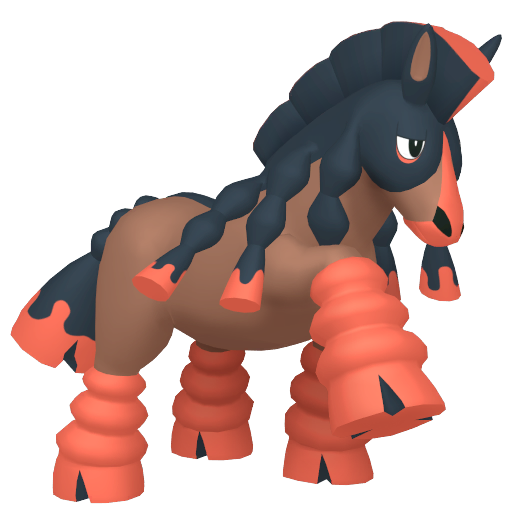

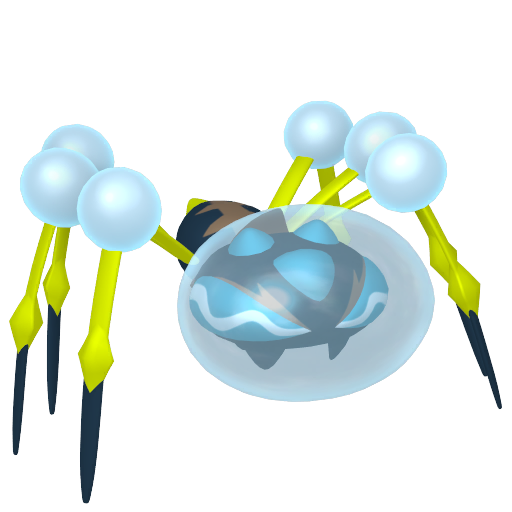




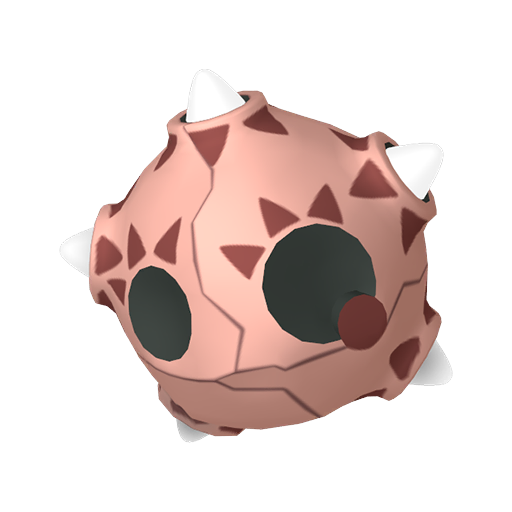

















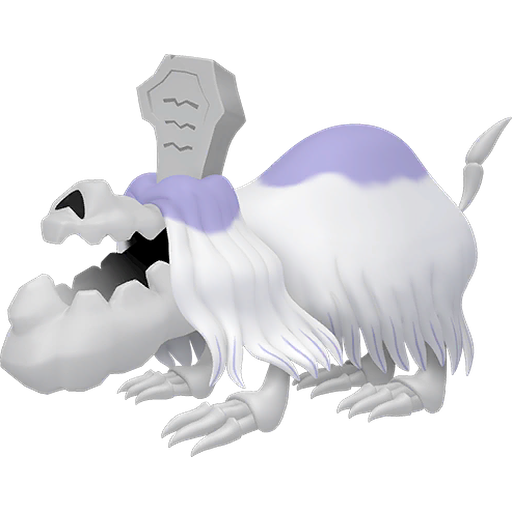

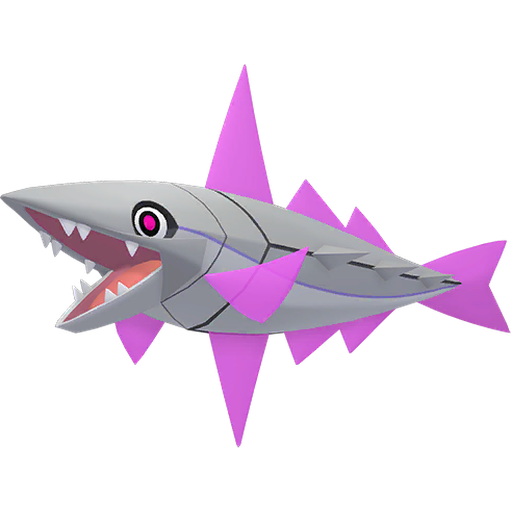
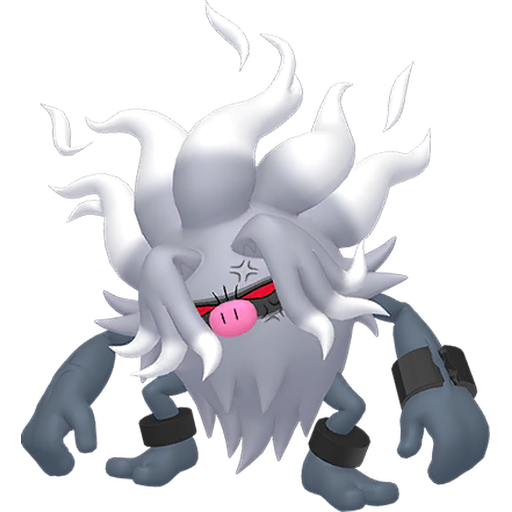

What it does
Endeavor is a Normal-type physical move that deals damage equal to the difference between the target's current HP and the user's current HP. It brings the target down to the user's current HP total — no more, no less. If the target's HP is already equal to or lower than the user's, the move fails outright.
The math means the lower the user's HP, the harder it hits. At 1 HP, Endeavor against a full-HP target deals (target's full HP - 1) damage — effectively a one-hit near-KO of any Pokémon regardless of their defensive stats. That is the extreme end of the payoff.
The catch is obvious: you have to be nearly dead to maximize the move. In doubles, staying at 1 HP while two opposing Pokémon can target you is genuinely difficult to execute. The moment your Endeavor user takes another hit before the move resolves, the plan collapses.
Type immunity applies normally — Ghost-types are immune to Normal-type moves, so Endeavor fails entirely against them. Type matchup damage multipliers (super effective, not very effective) are ignored for this move's damage calculation — it is purely HP-based.
Who runs it
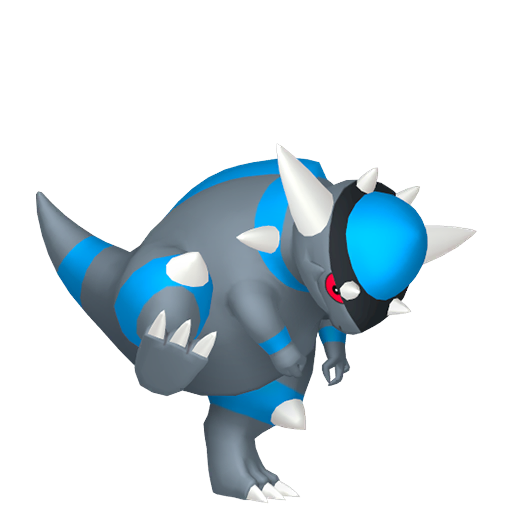
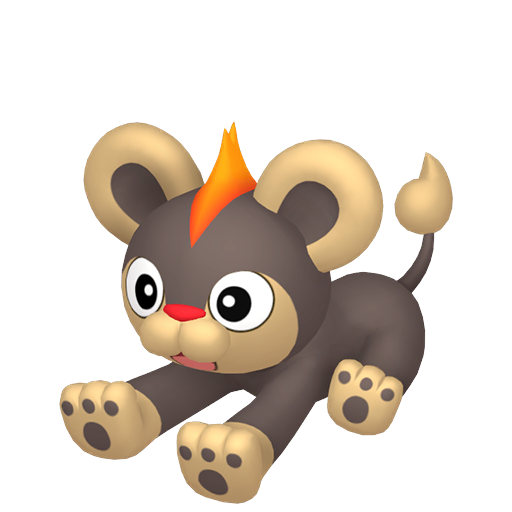
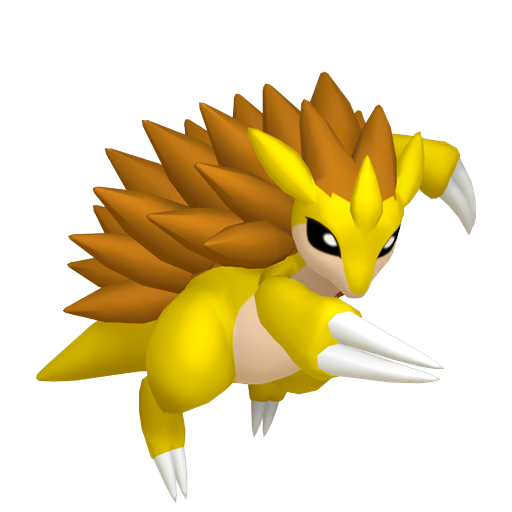
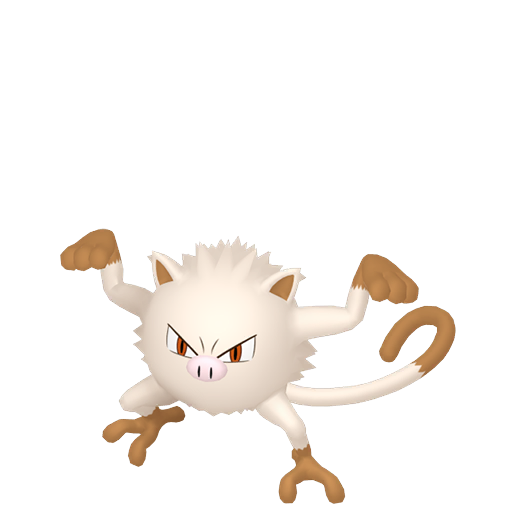
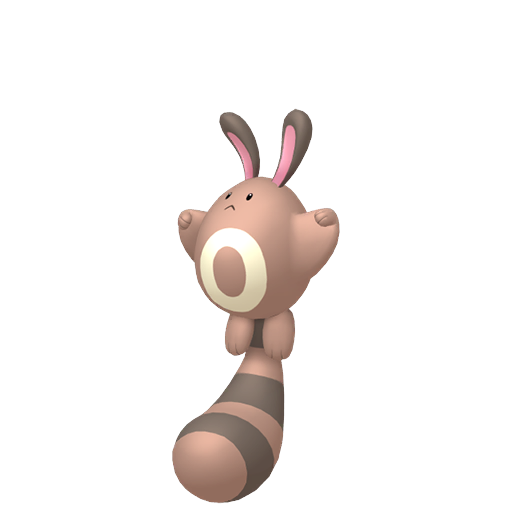
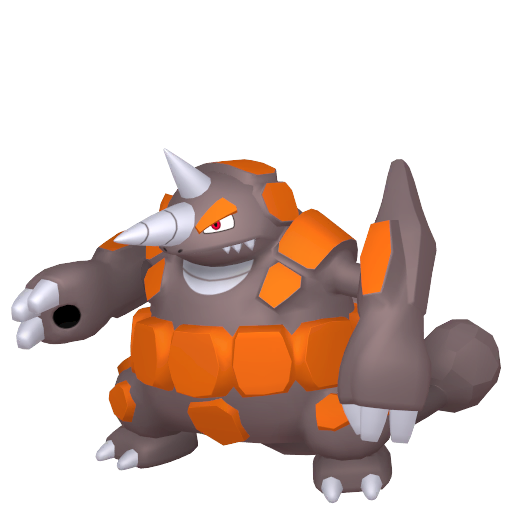
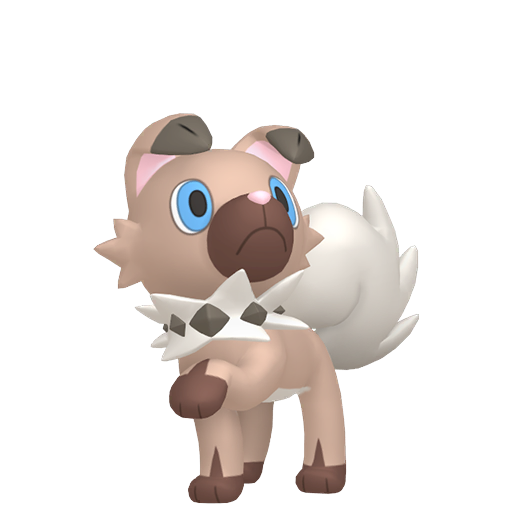
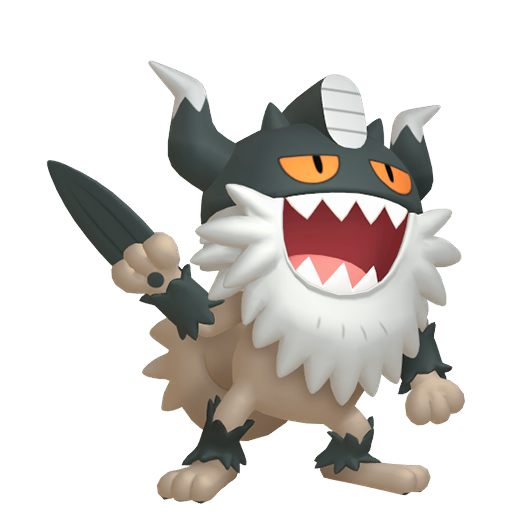
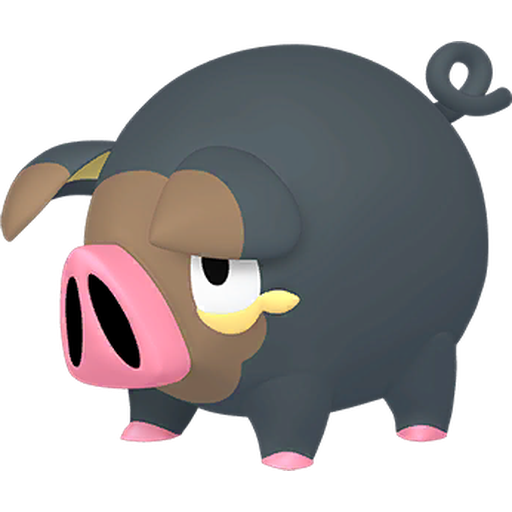
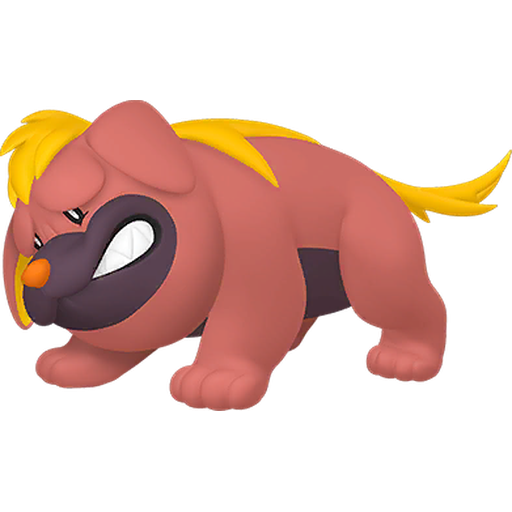
Lycanroc at 39% is the main carrier. The play is reaching low HP through chip damage or priority moves, then clicking Endeavor to level a high-HP threat, letting a partner's priority or fast attack finish off the now-1 HP target.
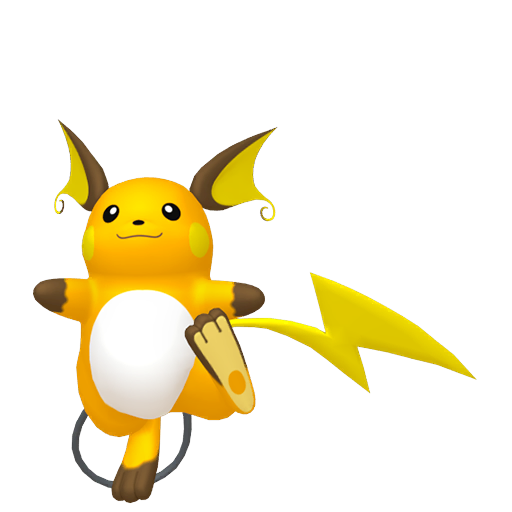
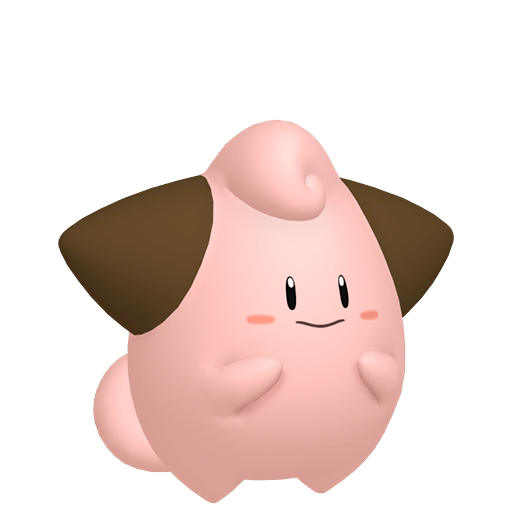
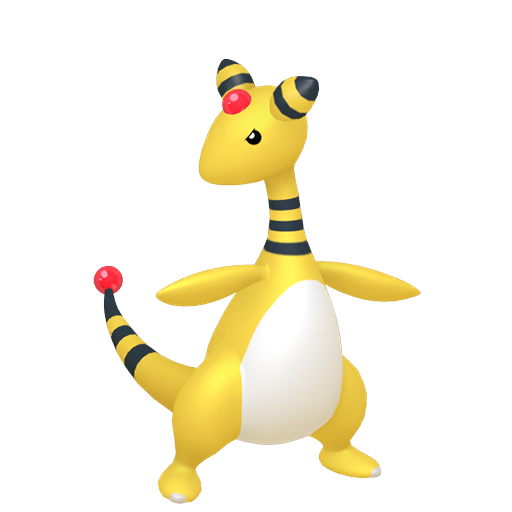
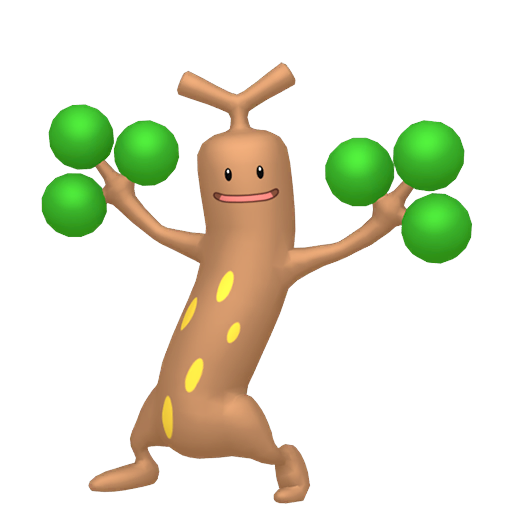
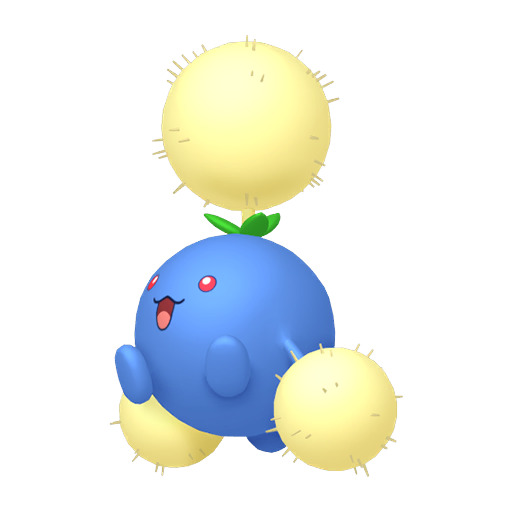
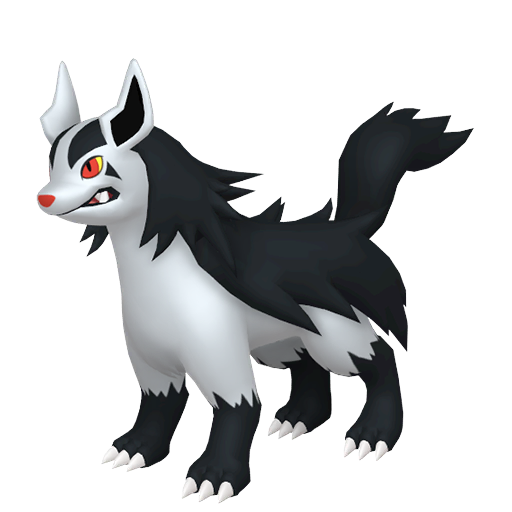
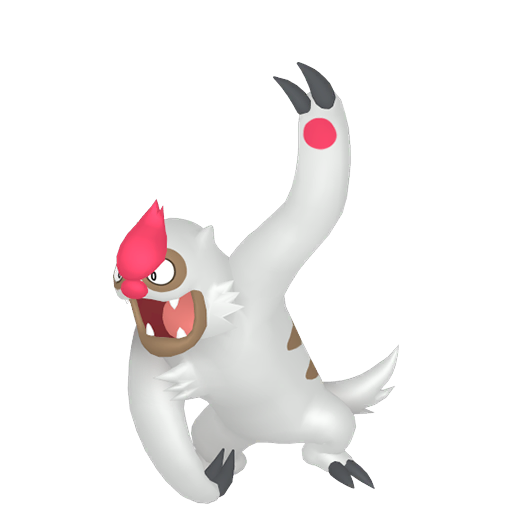
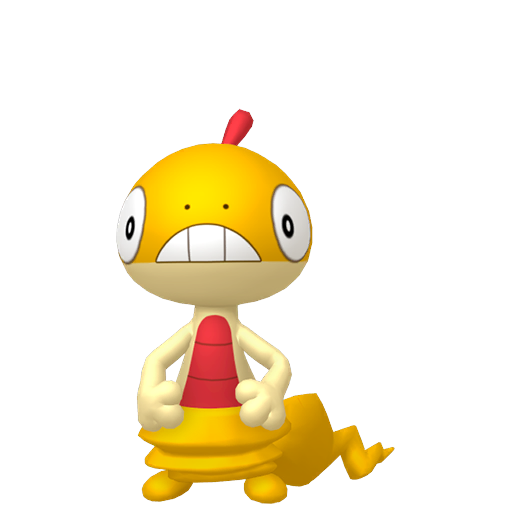
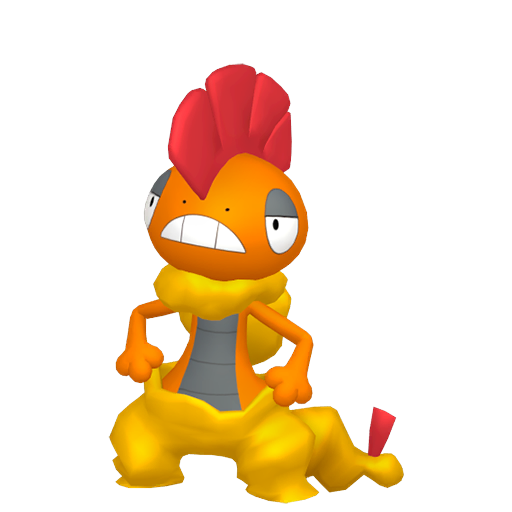
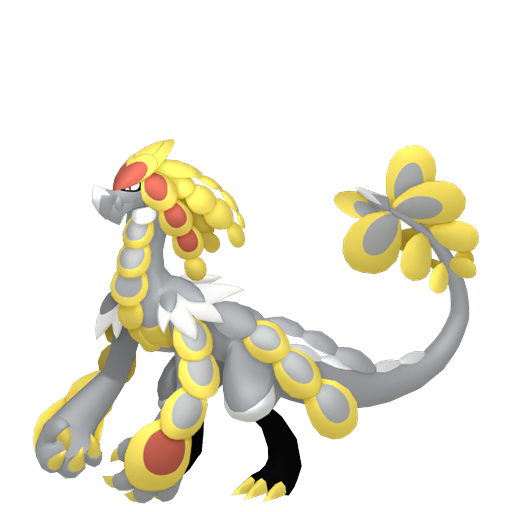
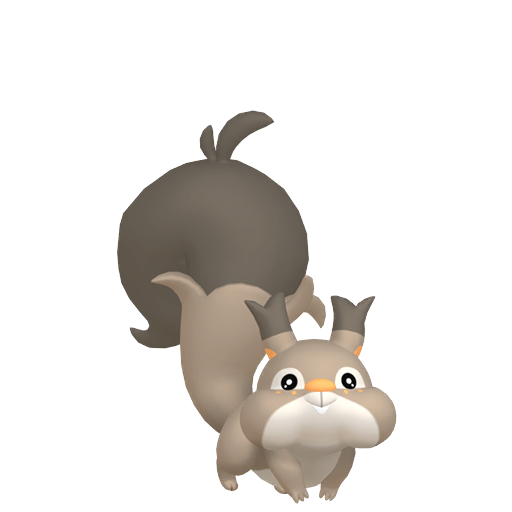
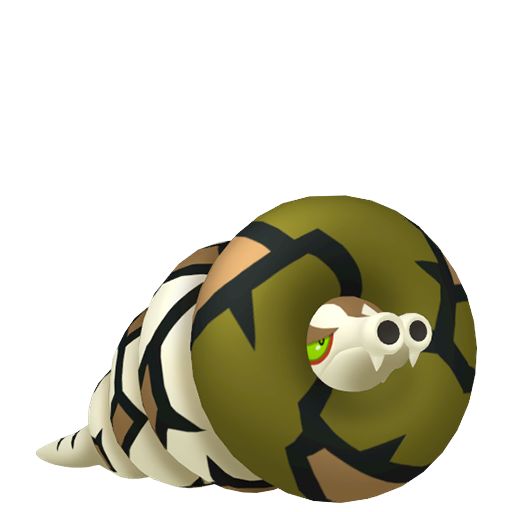
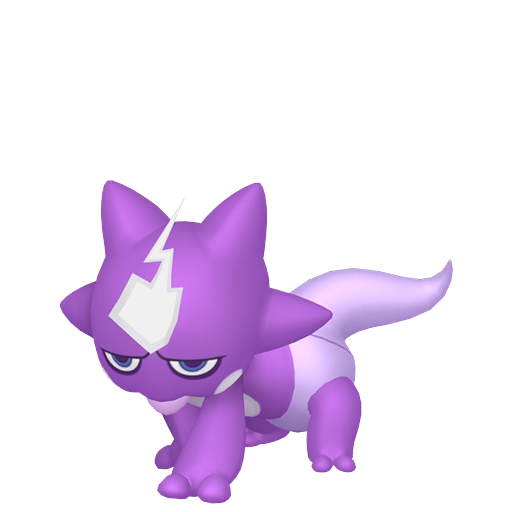
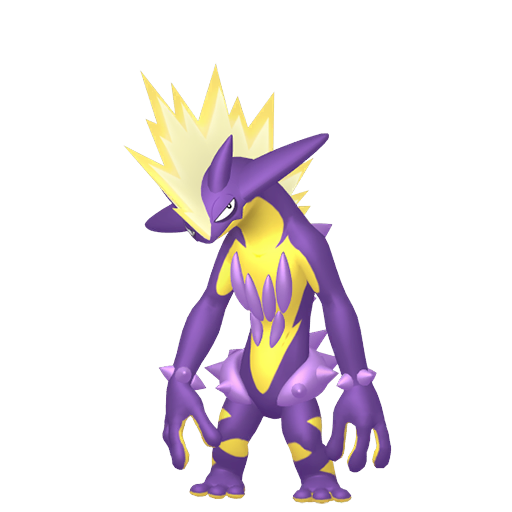
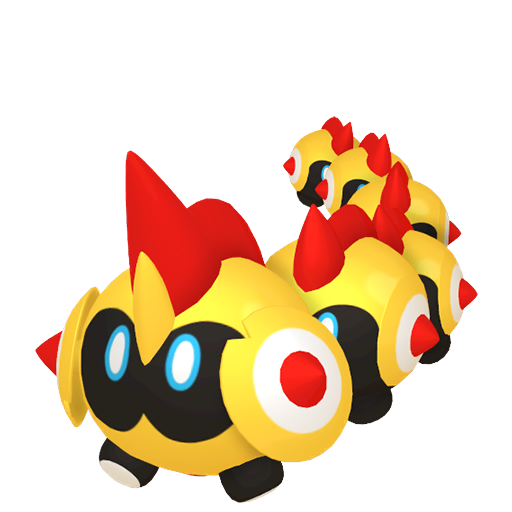
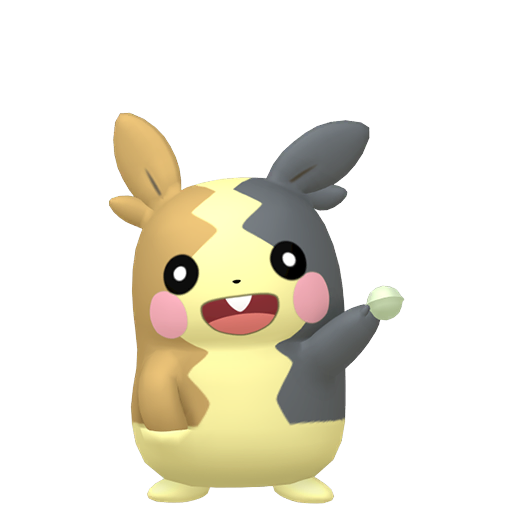
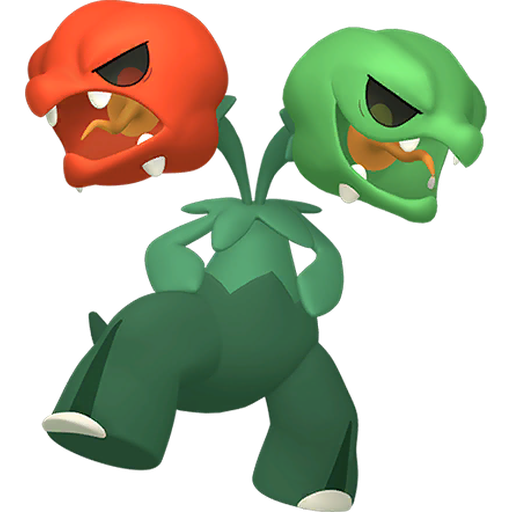
Raichu at 17% uses Speed to make this work — fast enough that after taking chip, it can click Endeavor before slower threats can KO it. Scovillain at 18% builds around similar HP-leveling tactics in doubles. Morpeko at 15% and Whimsicott at 6% are more situational users for specific low-HP reversal scenarios.
How to use it
Plan the HP threshold: Endeavor only generates maximum value when the user is at very low HP. The usual setup is chip damage from opposing attacks before the reversal turn. In doubles, the partner's job that turn is often to protect the Endeavor user or to redirect attention away from them until the right moment.
Pair with Fake Out: Fake Out from a partner locks one opponent while Endeavor hits the other. The locked target cannot retaliate, the Endeavor target goes to near-1 HP, and next turn the partner (or a third switch-in) finishes it off with a priority move or fast attack.
Set up the follow-up KO: Endeavor leaves the target at your current HP — which, if you are at 1 HP, is 1 HP on their side. The Endeavor user almost certainly will not survive to take the KO. Have a partner with priority (Sucker Punch, Mach Punch) or very high Speed ready to finish the target on the next turn. Without that follow-up, Endeavor only delays the problem.
Tips & strategy
Ghost-type immunity is a hard wall: Endeavor is Normal-type and fails completely against Ghost-types. Against Ghost-heavy teams, this move has zero value. Know your opposition before leaning on this as a primary reversal tool.
Residual healing ruins the plan: Any passive healing the target receives between your Endeavor and the follow-up KO matters. An Leftovers tick, a berry activation, a Life Dew from their support — any of these can push the target above 1 HP and require another hit to finish. Timing the follow-up for the same turn as Endeavor (if possible) or the immediate next turn eliminates this window.
Priority threats in doubles: At very low HP, the user is vulnerable to priority moves from both opponents. Fake Out at +3 priority activates before Endeavor, which means a flinch before you can use it ends the plan. Read the opposing team for priority users before committing to an Endeavor turn.