







































































































































What it does
Light Screen raises a barrier on your side of the field that reduces all incoming special damage for 5 turns. The numbers are worth internalizing precisely.
Singles: modifier ×0.5, straight halving. A concrete case: a Mega Alakazam fires Psychic into a frail special-defensive Pokémon. Without the screen that hit might land for 120 damage — fatal. With Light Screen up it becomes roughly 60 — not only does your Pokémon survive, it has room to act on the next turn.
Doubles: modifier ≈×0.667 (integer value 2732/4096 in-engine), reducing damage by about 33%, not 50%. The reason is that spread moves already take a ×0.75 penalty in doubles; Light Screen applies on top of that, producing a combined modifier that is mathematically weaker than the singles case. Take Heat Wave: without a screen, both of your Pokémon might absorb about 100 damage each (already including the spread penalty). Under Light Screen each takes roughly 67 — not a KO on either, and both survive to act next turn. The per-Pokémon reduction is smaller, but you protect two targets simultaneously.
Light Screen is a field condition, not a buff on an individual Pokémon. Switching does not remove it. This is why it is categorically stronger than single-target defensive moves.
Critical hits bypass screens entirely. Moves with elevated crit ratios — Stone Edge, Night Slash, Sniper-boosted hits — can punch through at full damage on a lucky roll. Keep this in mind when you are counting on the screen to guarantee a survival threshold.
Holding Light Clay extends duration from 5 turns to 8. Eight turns fits a full cycle of «screen → pivot to sweeper → +1 setup → two or more offensive turns» comfortably. Five turns is tight. Almost every dedicated screen setter should carry Light Clay.
Who runs it
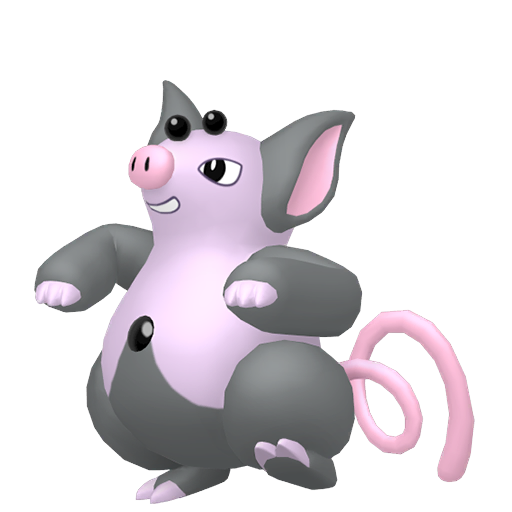
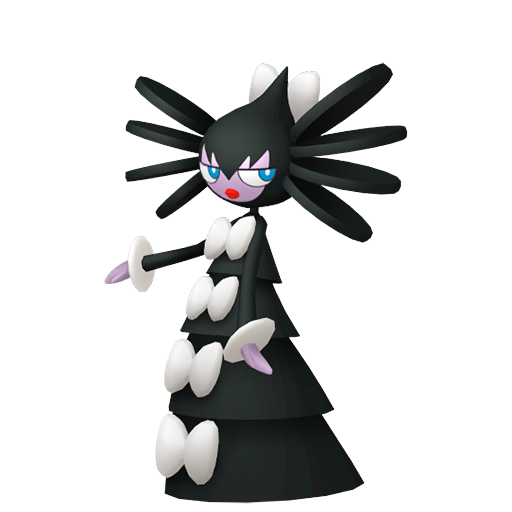
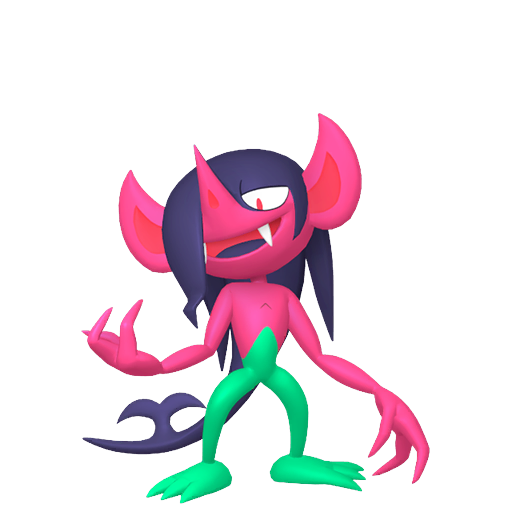
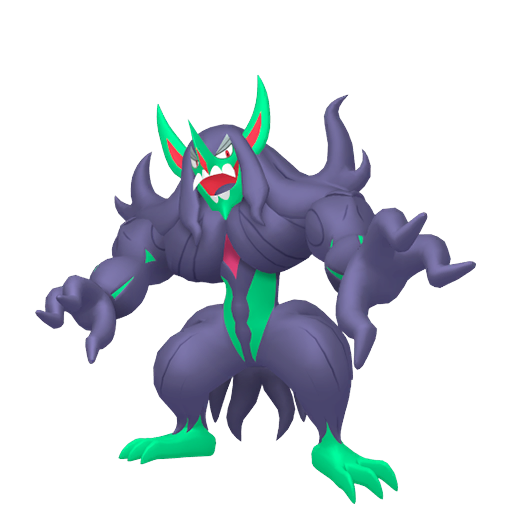
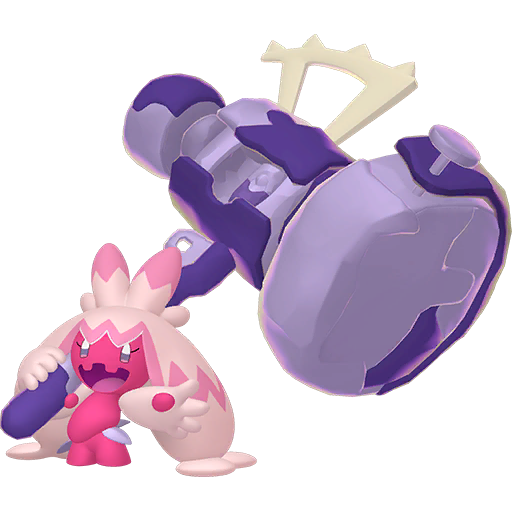
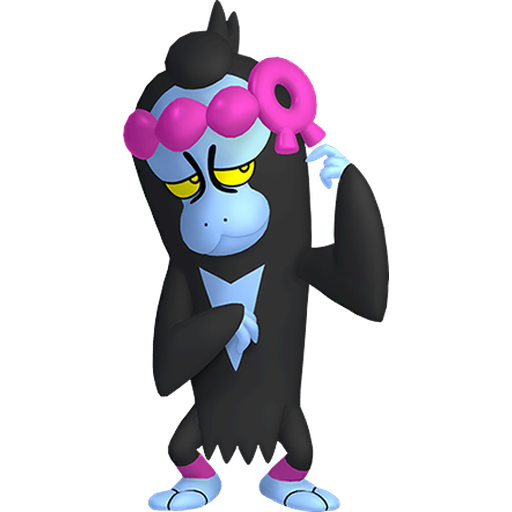
Grimmsnarl (singles and doubles) is the template. Prankster gives all status moves +1 priority, meaning Light Screen moves before virtually everything regardless of Speed. Grimmsnarl's physical bulk lets it survive long enough to fire off both Light Screen and Reflect in back-to-back turns before fainting or pivoting — the purest expression of the «delivery vehicle» screen setter.
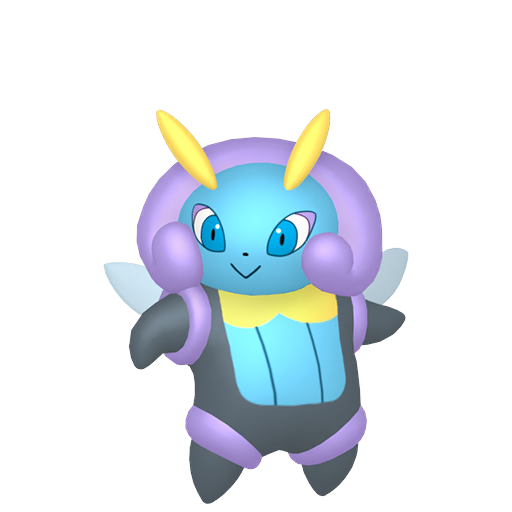
Whimsicott (doubles specialist): Same Prankster trick, plus 116 base Speed that matters on turns when Prankster doesn't apply. In doubles it screens on turn 1 then immediately uses Encore to lock the opponent into a repeated neutral move, giving your attacker free turns. More flexible than Grimmsnarl in doubles but less physically durable.
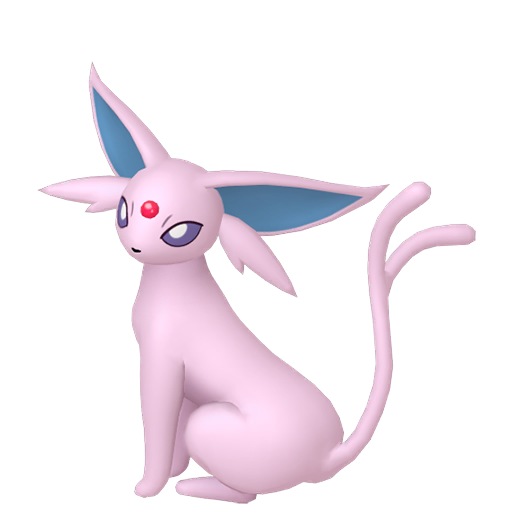
Espeon (singles only): 110 base Speed means it naturally outspeeds most non-priority attackers. Its key differentiator is Magic Bounce: when the opponent tries to shut down your screen plan with Taunt, the Taunt bounces straight back. Their Incineroar or Grimmsnarl that was supposed to lock you down gets Taunted itself for a turn. This makes Espeon one of the few screen setters that can operate safely in singles without Prankster.
Clefable / Togekiss (singles support cores): These are already team pillars; Light Screen fits their support move pools without needing a dedicated screen-setter slot. Clefable's Magic Guard prevents passive damage so it stays healthy all game; Togekiss with Serene Grace doubles secondary effect rates, turning the support role into an offensive threat on the same Pokémon.
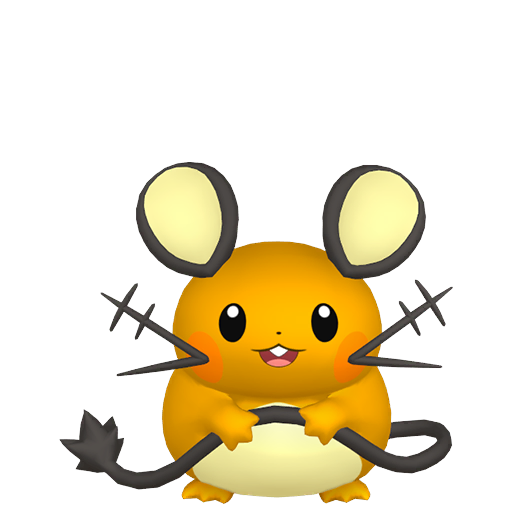
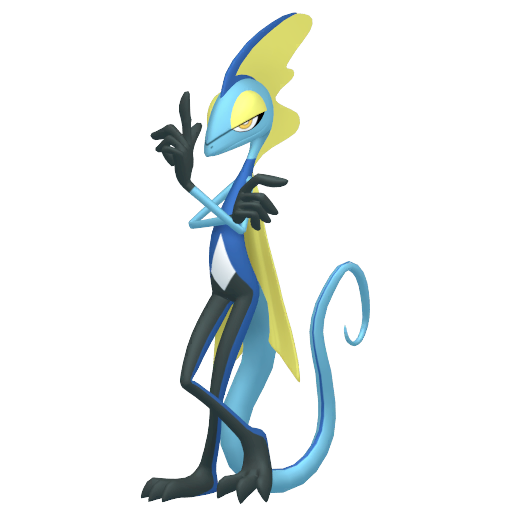
Indeedee (doubles): The Psychic Surge ignition source for Trick Room doubles also slots Light Screen naturally, combining with Follow Me to redirect targeted moves away from your fragile Trick Room setter. A clean example of support stacking on a single team slot.
How to use it
Turn 1 — set the screen first: Lead with your Prankster screen setter and fire Light Screen immediately. It goes first under virtually any circumstances. Without Prankster, you need a read: does the opponent lead with a setup move, a switch, or a Trick Room? If yes, you can screen safely. If they lead aggressive, you are guessing.
Turn 2 — complete the structure or pivot: In a dual-screen plan, follow with Reflect for full coverage. In a faster aggression plan, use U-turn or Volt Switch to bring in your sweeper for free — the screen persists through the pivot. In doubles, your partner should Protect on turn 1 to survive while you screen, then begin contributing on turn 2.
Pivot and forget the setter: The screen does not care where the setter goes. After U-turn or after fainting, the barrier keeps counting down. Your main attacker walks in to a protected field on turn 2 and can spend turns on Swords Dance or Nasty Plot without absorbing full special damage. This is the actual trade the archetype is making — the setter spends itself so the carry can set up cleanly.
Count the timer explicitly: Turn the screen goes up is turn 1 of the countdown (including that turn). Light Clay gives you turns 1–8; bare-bones gives you 1–5. Do not let your carry eat a full-power Draco Meteor on turn 9 because you forgot to track. Mental countdown, every game.
Dark-type leads break Prankster: Dark-type Pokémon are immune to moves boosted by Prankster. If you lead into a Grimmsnarl mirror or an Incineroar, your priority Light Screen simply does not trigger the priority boost against that target. The move itself still resolves in normal Speed order — which usually means you lose the Speed tie or get outsped. Recognize this in Team Preview and have a contingency.
Tips & strategy
Dual screens are the actual plan
Light Screen alone only covers special hits. Pairing with Reflect closes the physical gap too. Together, both screens at 8 turns via Light Clay create a roughly halved total damage intake window across both damage categories — that is the environment in which setup sweepers, Trick Room setters, and slow powerful carries get their turns. Light Screen by itself is a useful tool; dual screens is a system.
Common mistake autopsy — screening into a physical team
A very common beginner error: lead screen setter, fire Light Screen on turn 1, regardless of what Team Preview showed. If the opponent's team is entirely physical — Garchomp, Urshifu, Landorus-Therian — Light Screen does exactly nothing against their damage. You spent a full turn on a move that had zero defensive value. The fix: assess the matchup in preview. Light Screen is worth using when at least one or two of their primary threats deal special damage. If the answer is zero, pivot to a different turn-1 action — Reflect only, a pivot move, or just attacking.
Dedicated counters to know
Brick Break destroys Light Screen, Reflect, and Aurora Veil on the target's side before dealing damage — all three, in a single move. One use and your entire dual-screen setup is gone. Fighting-type physical attackers like Conkeldurr or Machamp frequently carry it. This is the hardest counter to screens in the game; account for it in team building.
Taunt shuts down the screen setter before it can act, provided the Taunter is faster or has equal priority. Without Prankster or Magic Bounce your setter is helpless for 3 turns after being Taunted. Identify the opponent's Taunt users in preview.
Magic Bounce (Espeon, Hatterene) reflects Light Screen back to your own side. You end up screening for the opponent. Check for this ability before you click the move — it converts your action into a gift.
Why doubles' 33% is still worth it
The reduction number is lower than singles' 50%, but doubles rewards you with two Pokémon taking the discount simultaneously. A single Discharge or Dazzling Gleam that would have threatened both your Pokémon at full power is cut across both targets. The aggregate damage reduction per turn is often equivalent or superior to the singles case. Combine Light Screen with a speed control layer — Tailwind for fast archetypes, Trick Room for slow ones — and you have one of the most stable turn-1 frameworks in doubles Ranked Battles.