



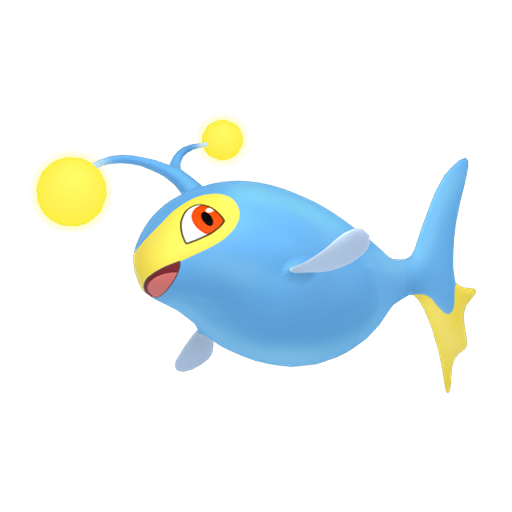

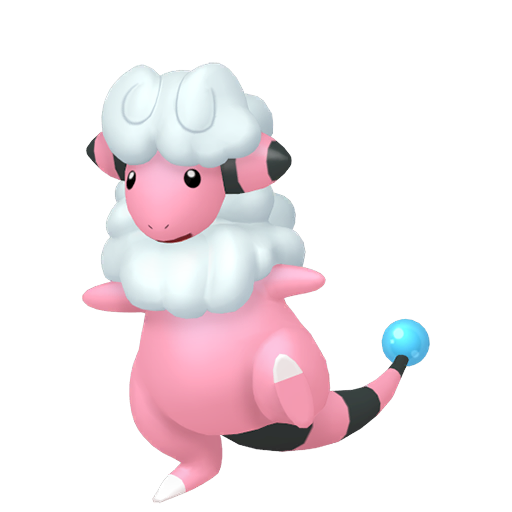
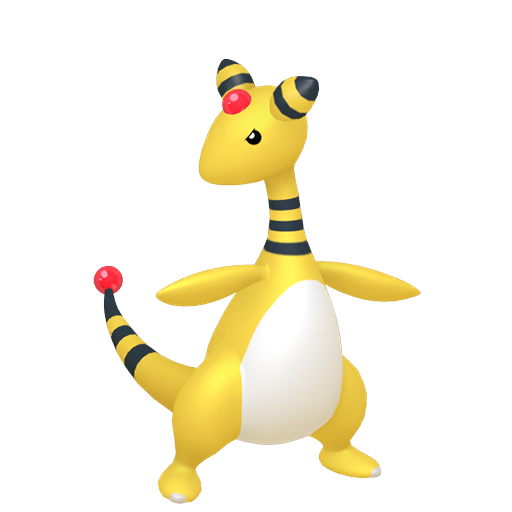
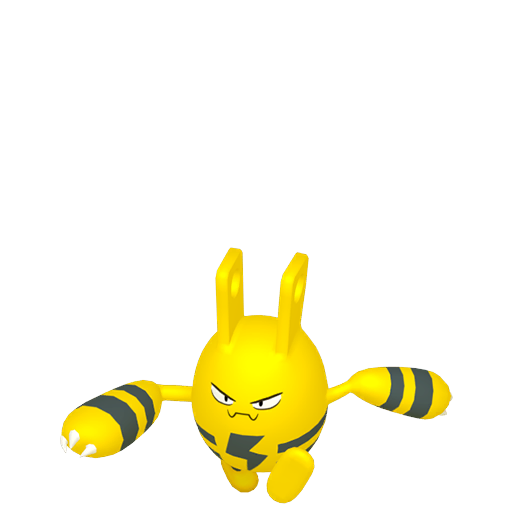
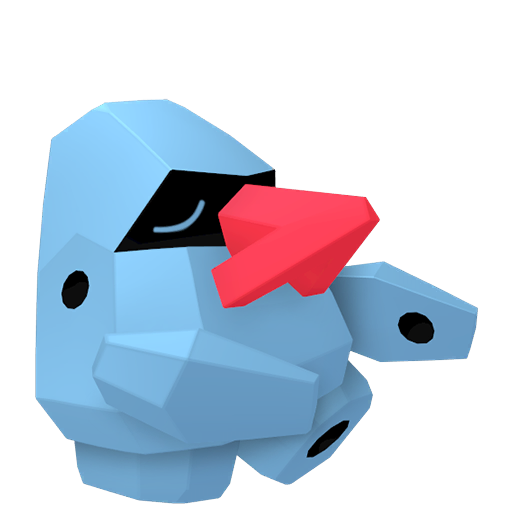


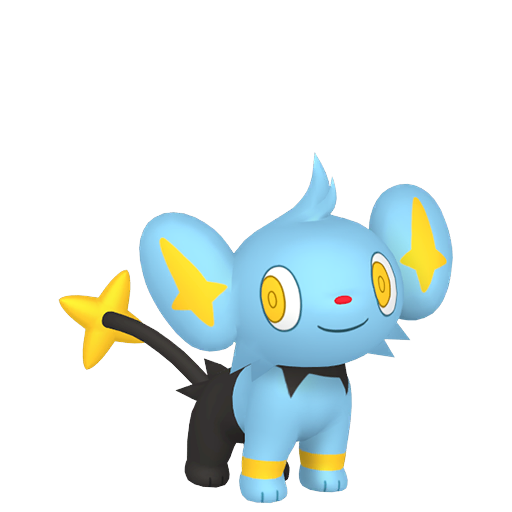
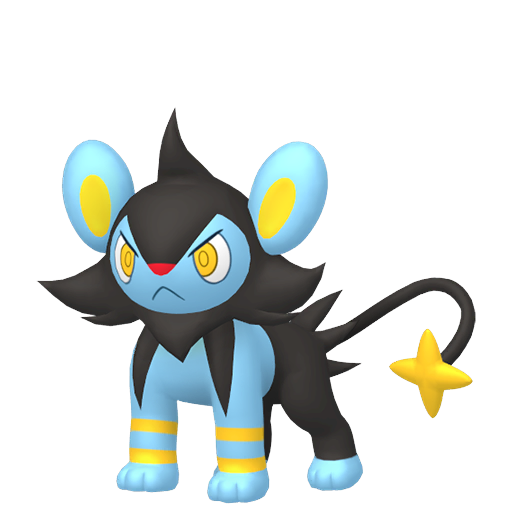
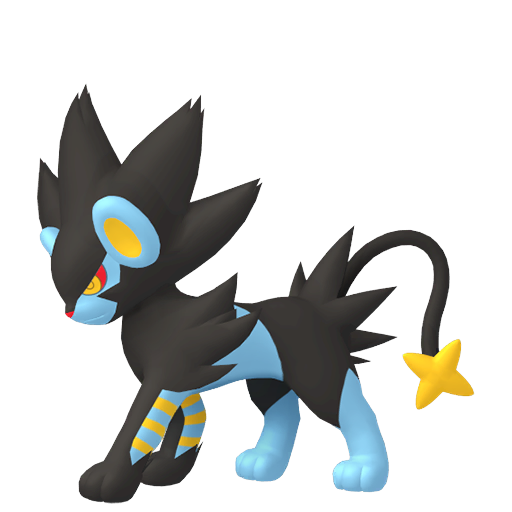
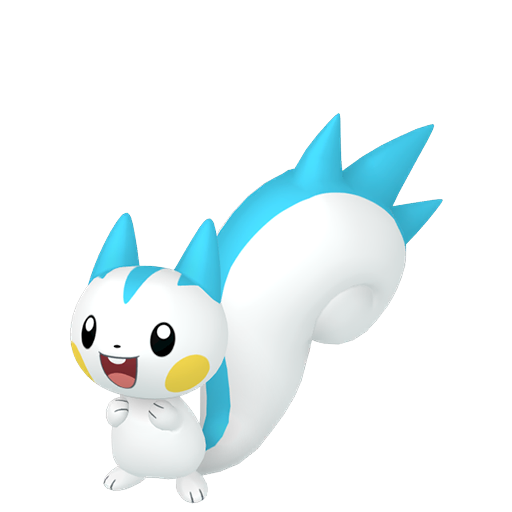
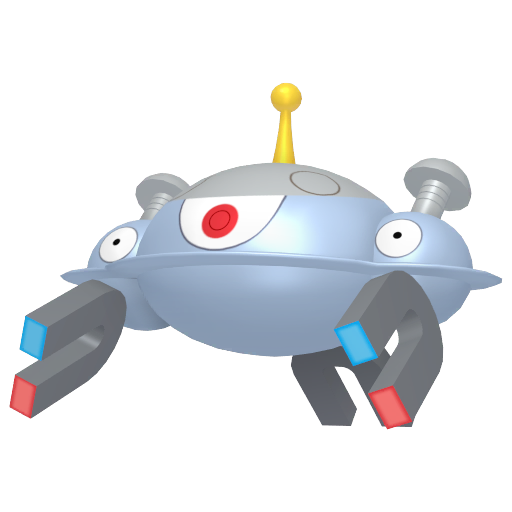
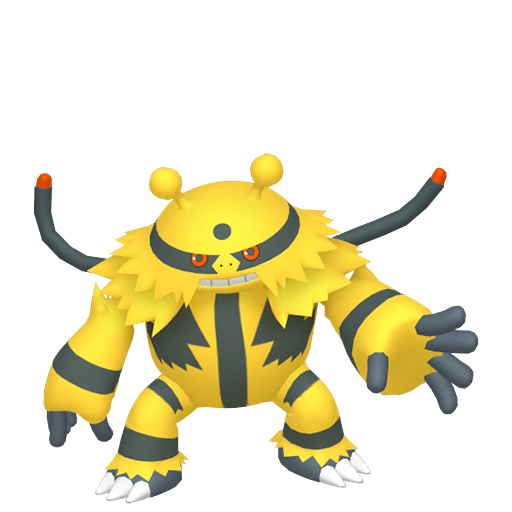
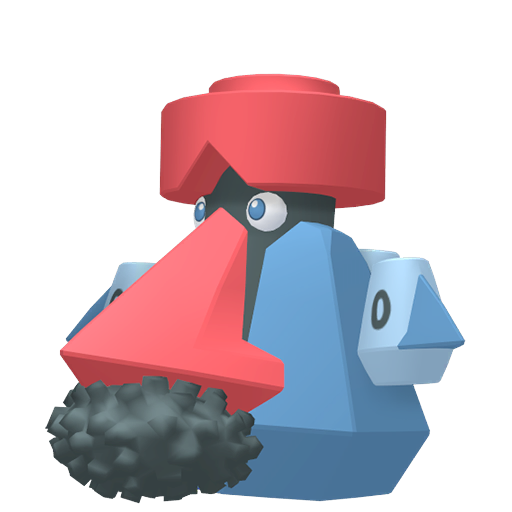
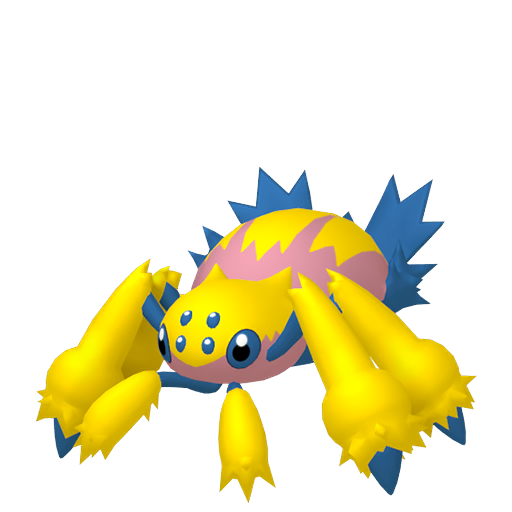
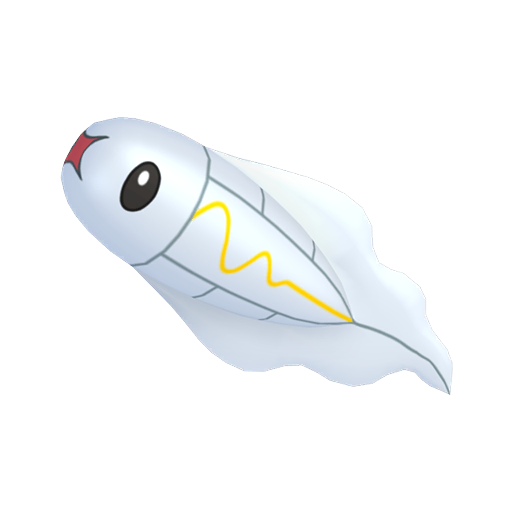
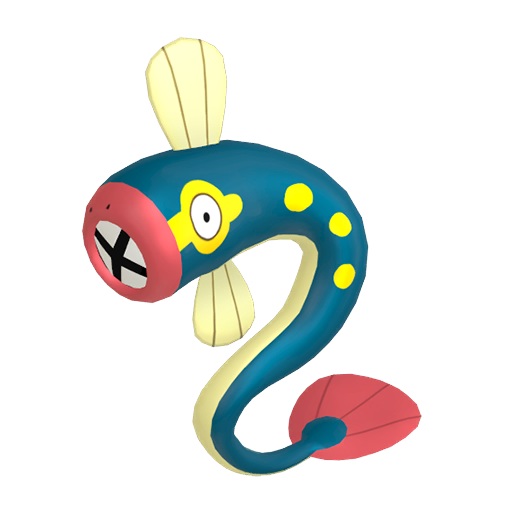
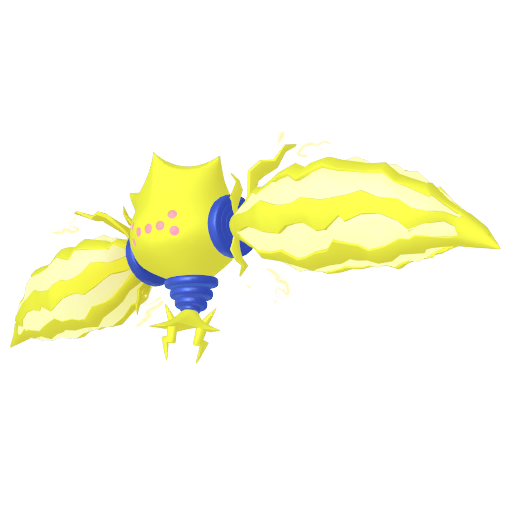

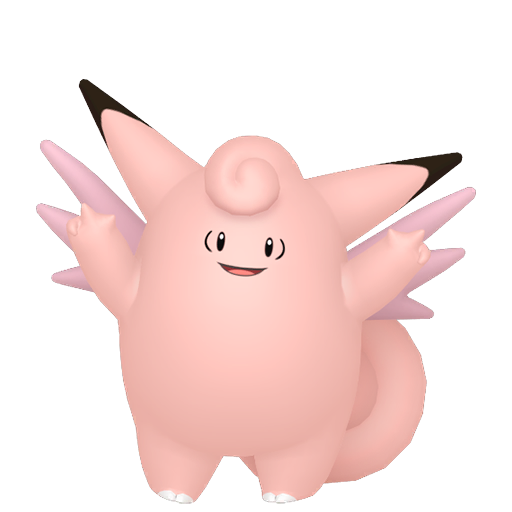
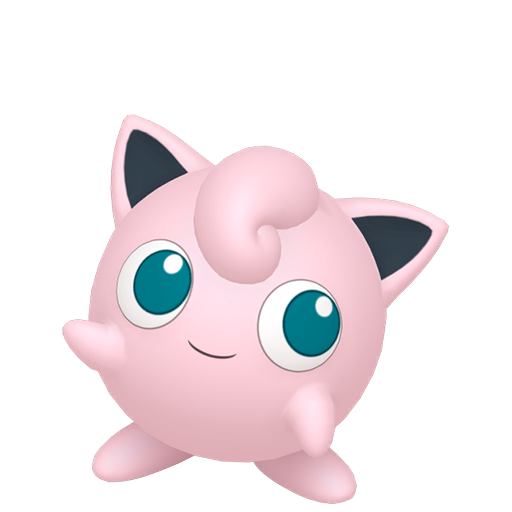
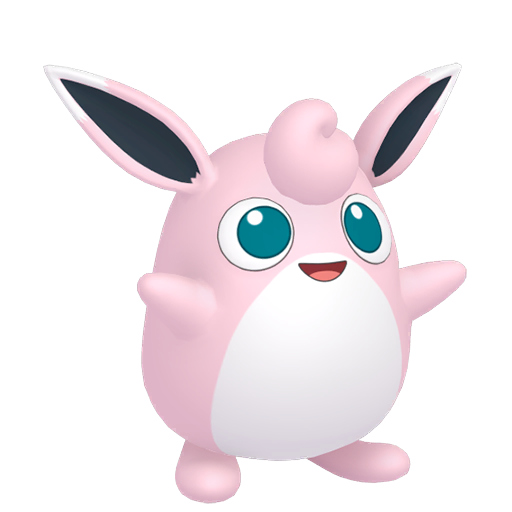
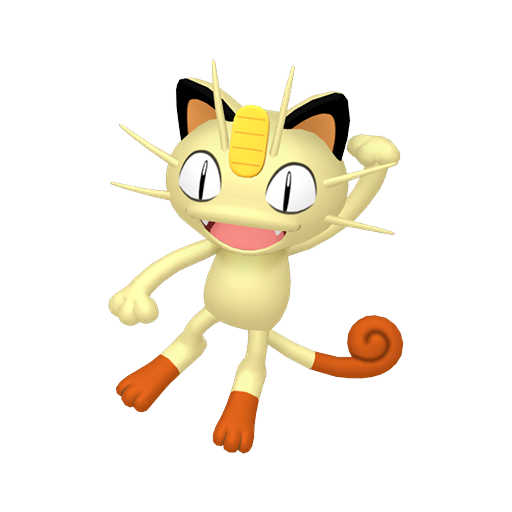
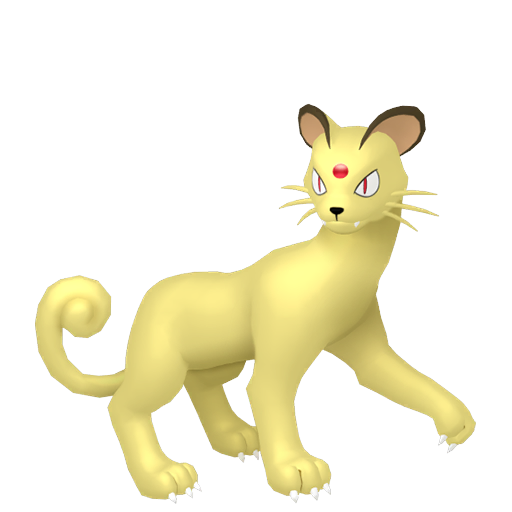
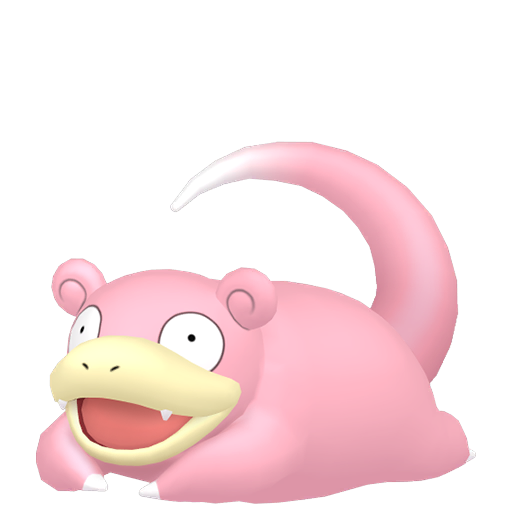
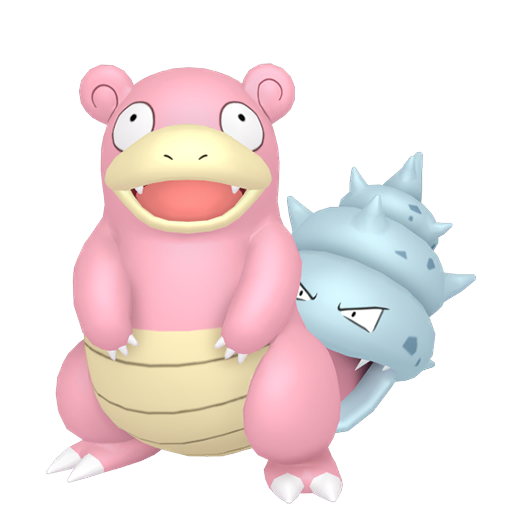
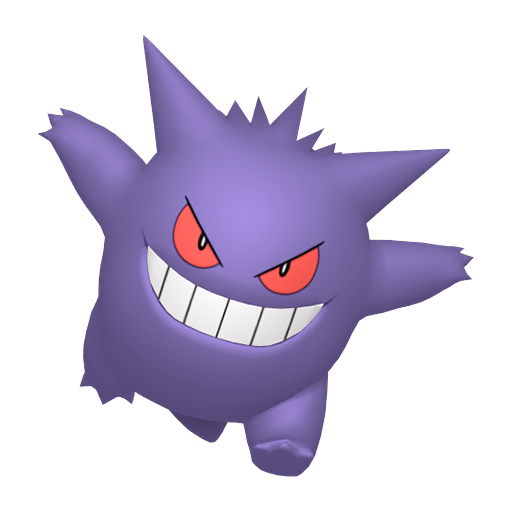
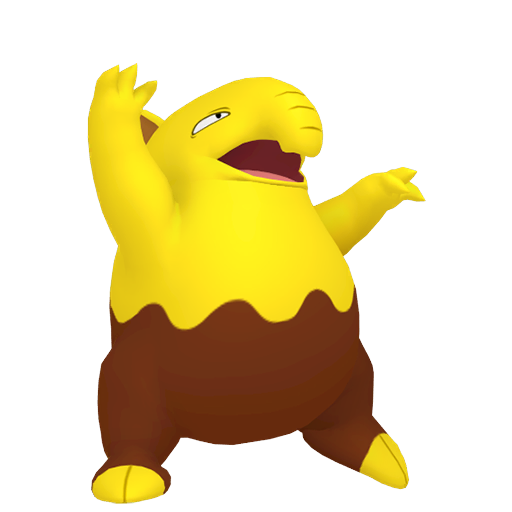

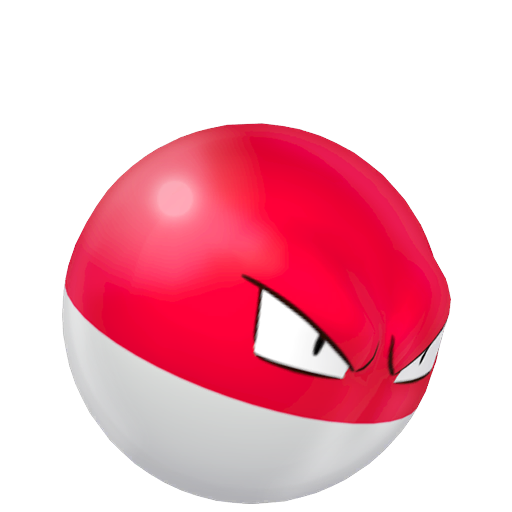

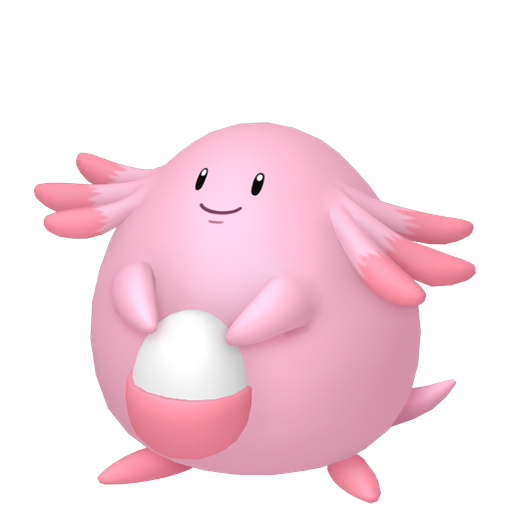
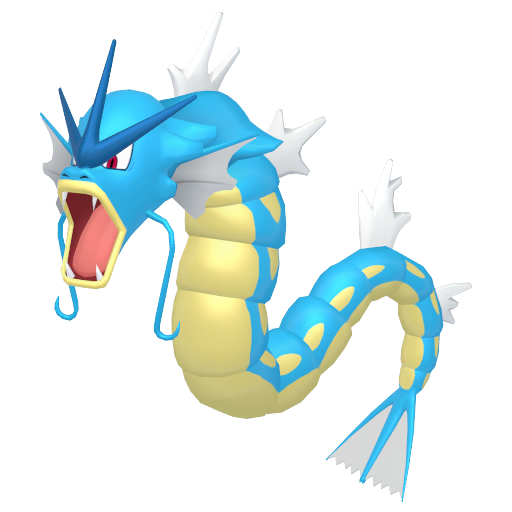


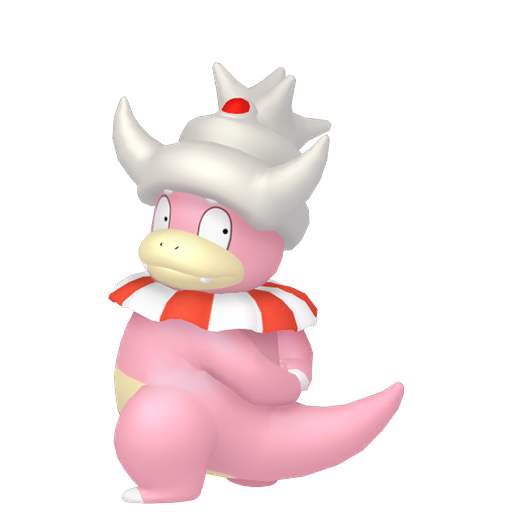
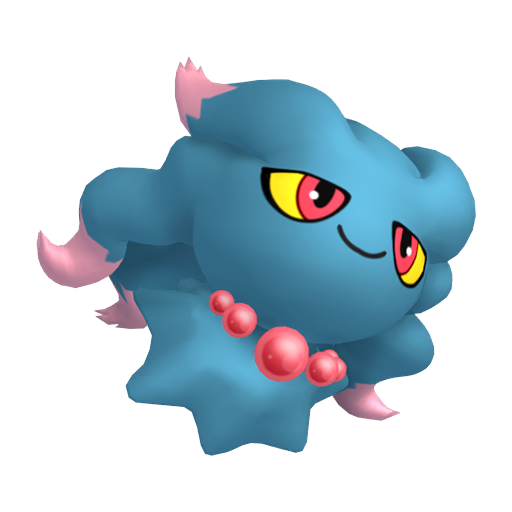
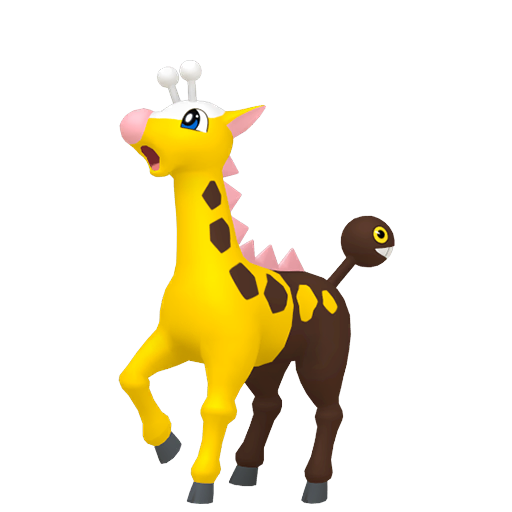
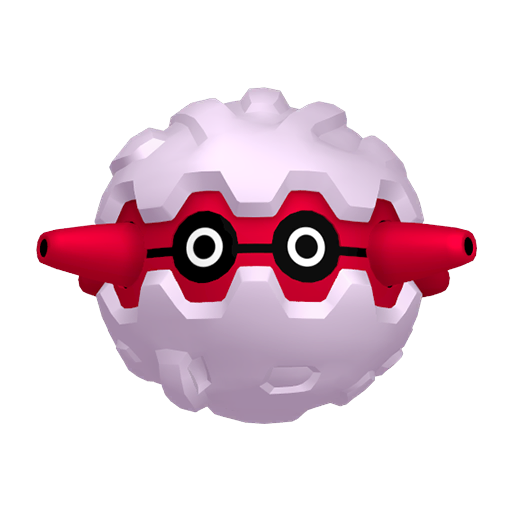
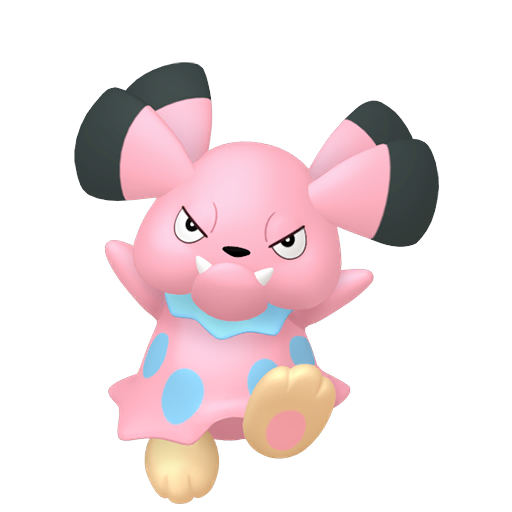
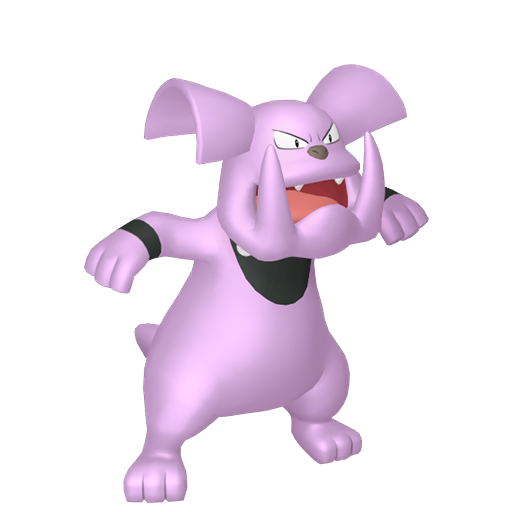

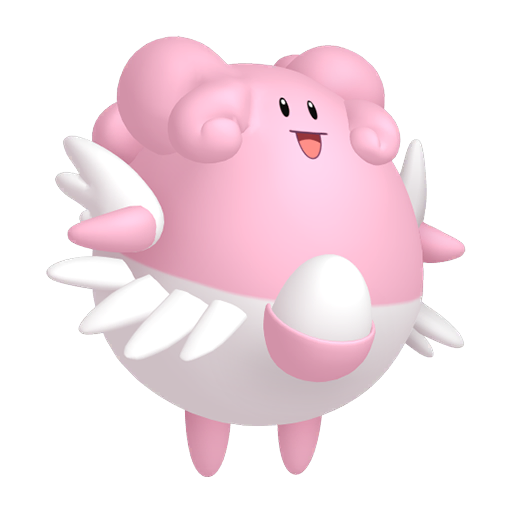
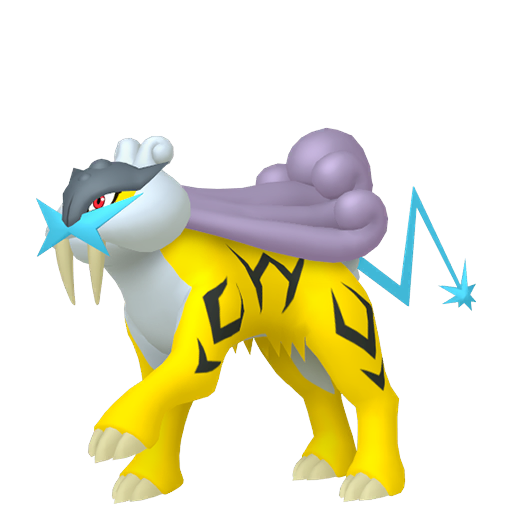
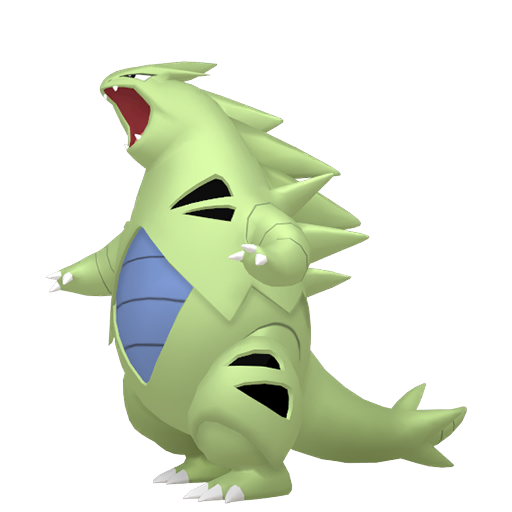
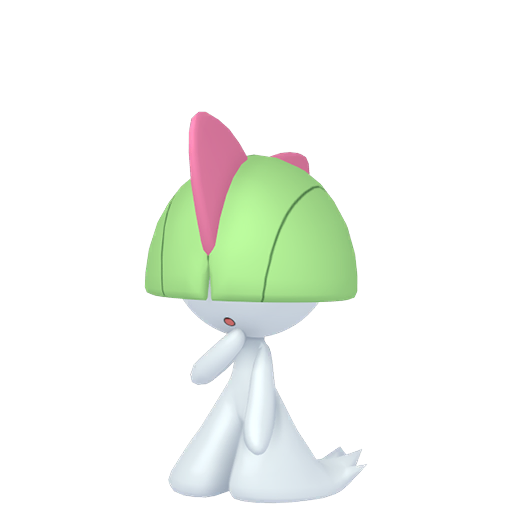
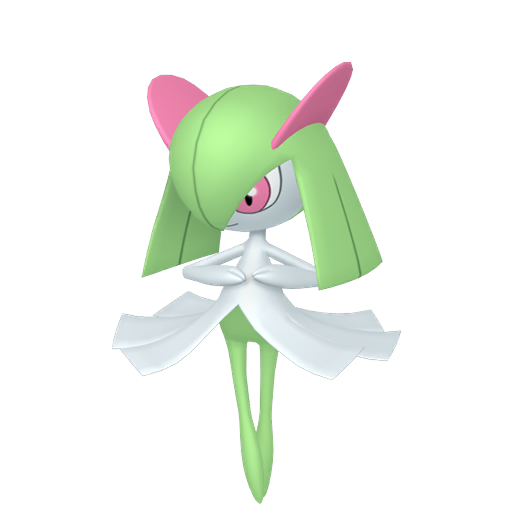
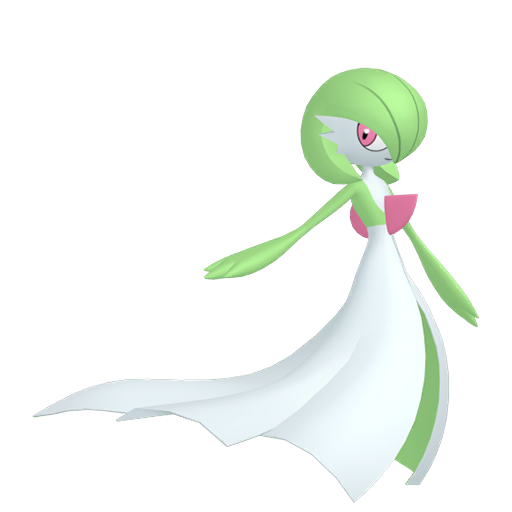
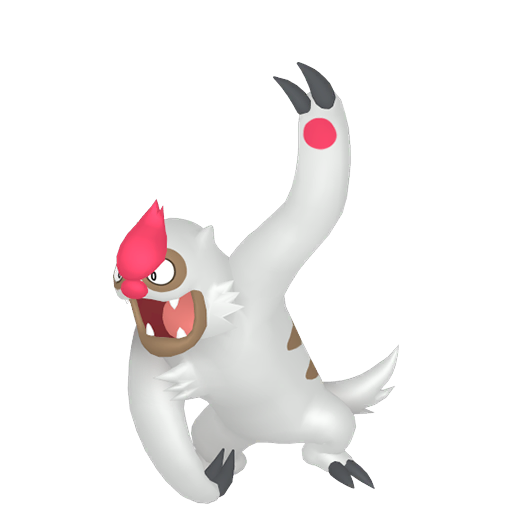
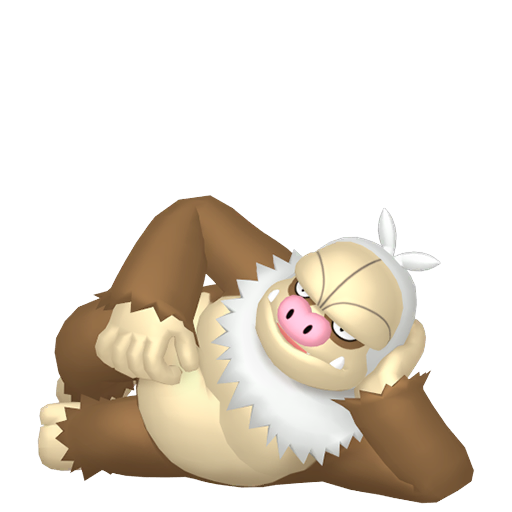
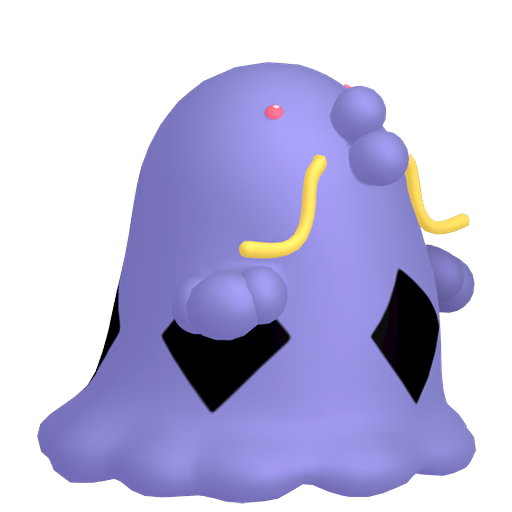
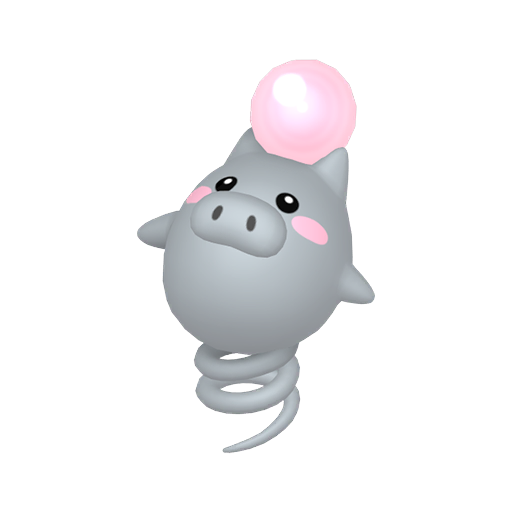
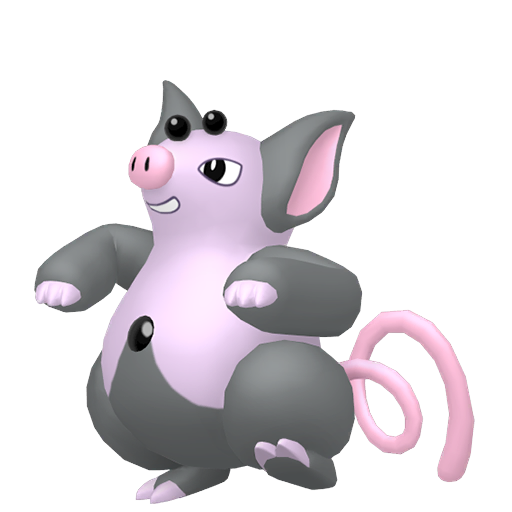
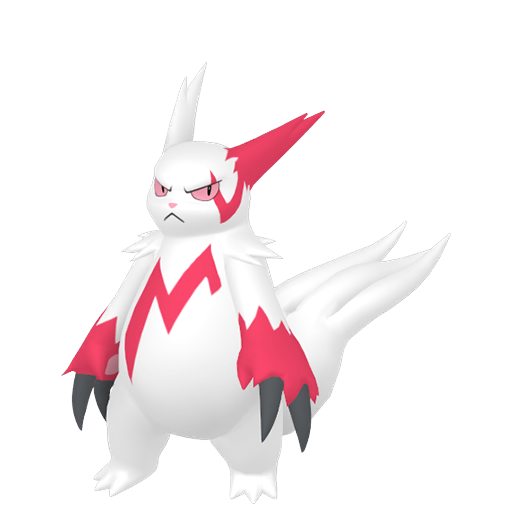
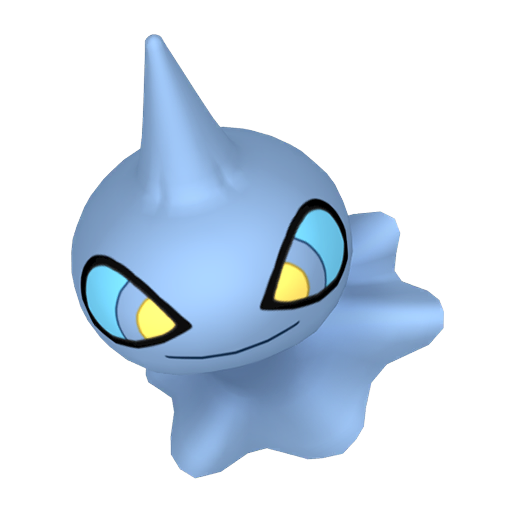
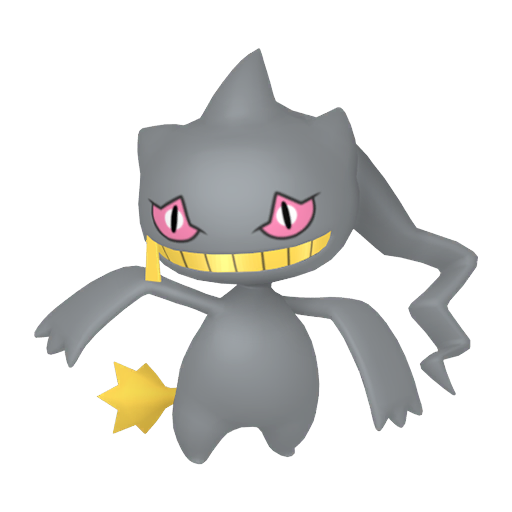
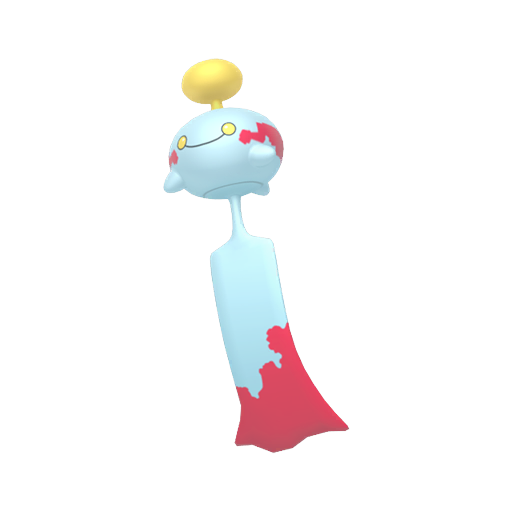
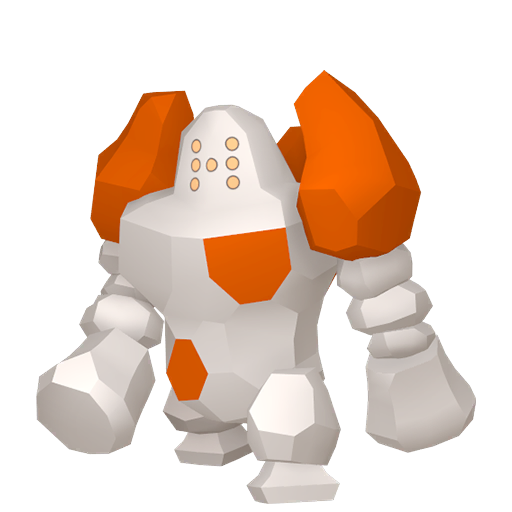

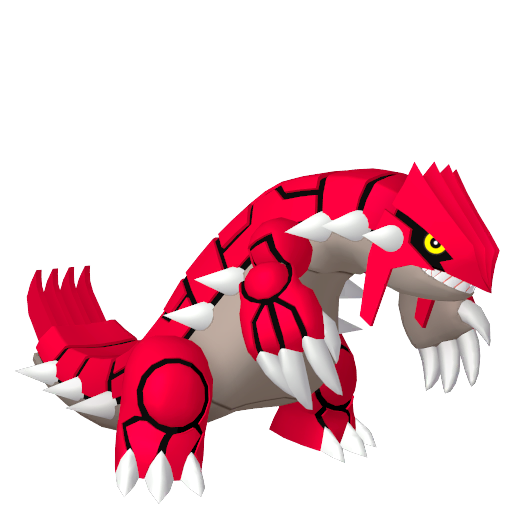
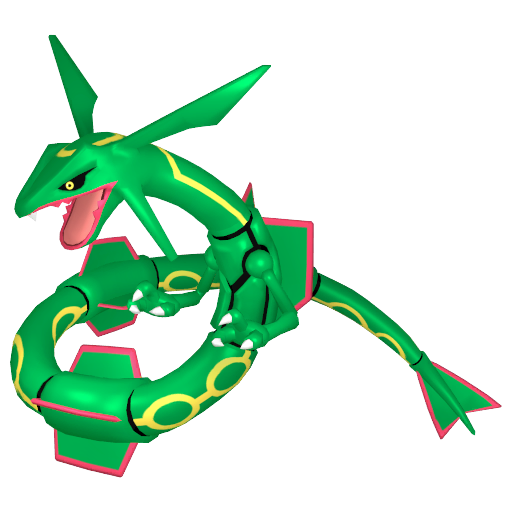

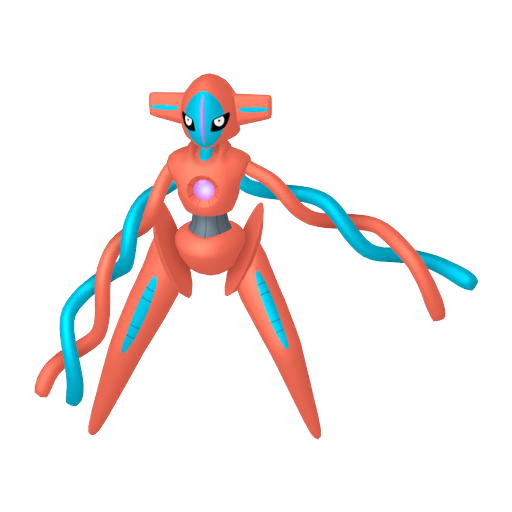
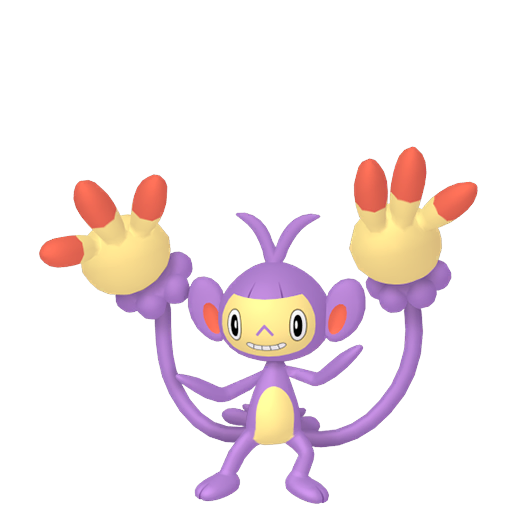
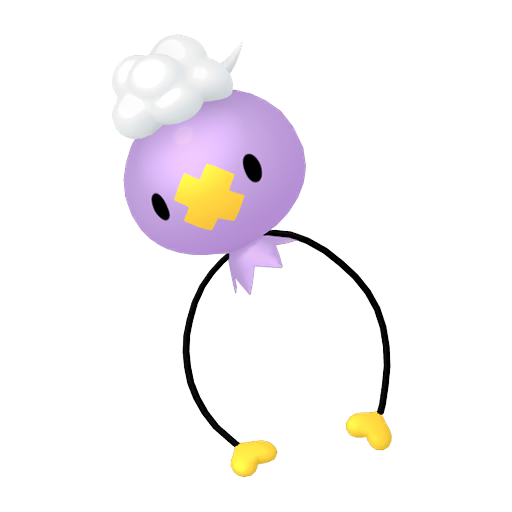
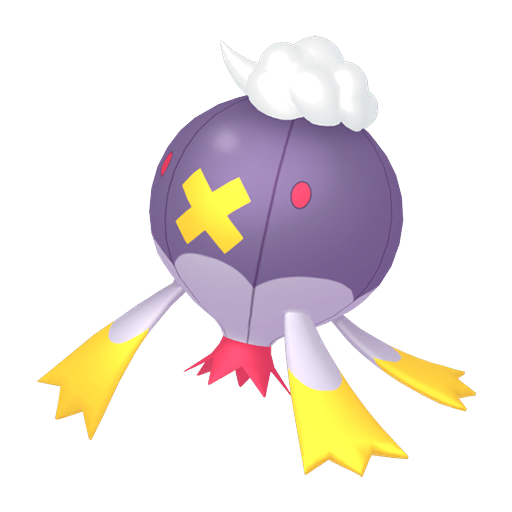
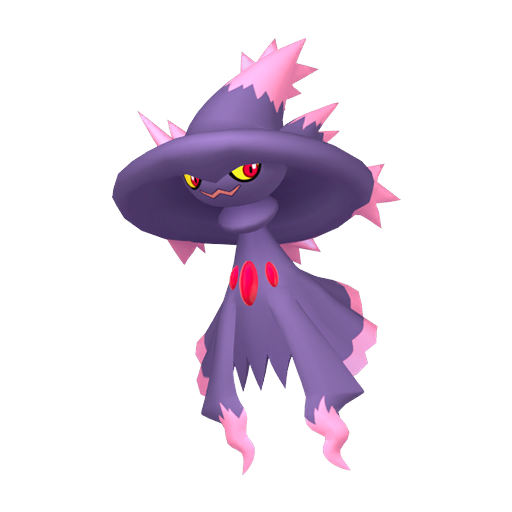
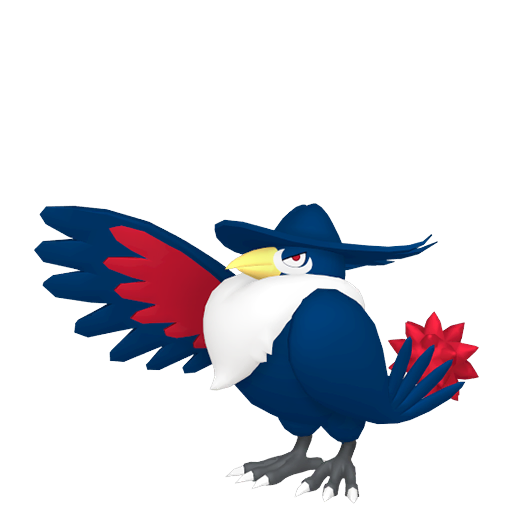


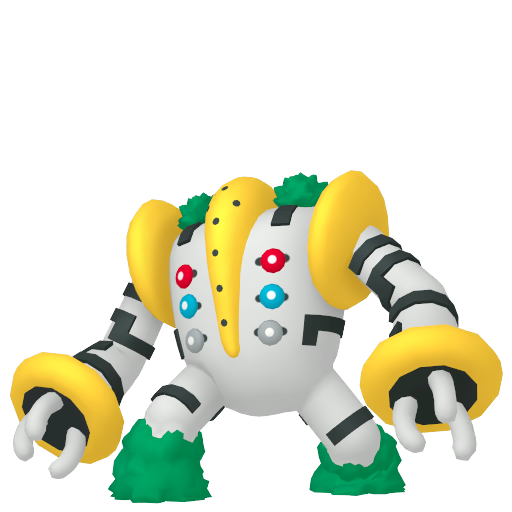
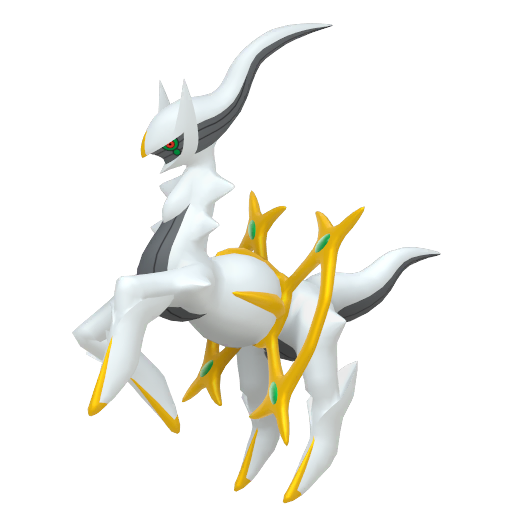
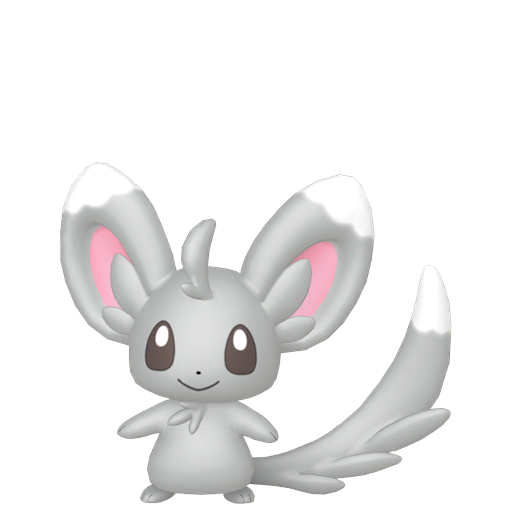

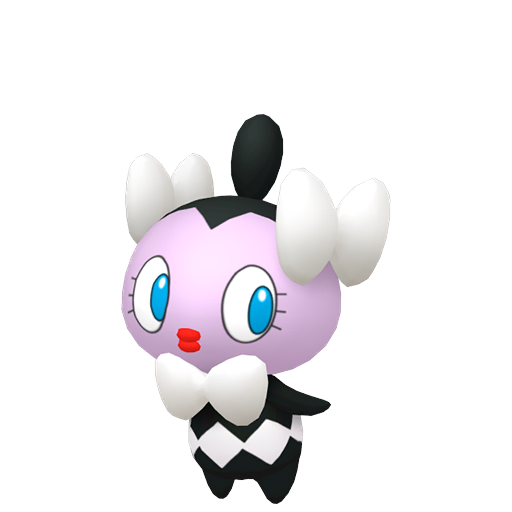
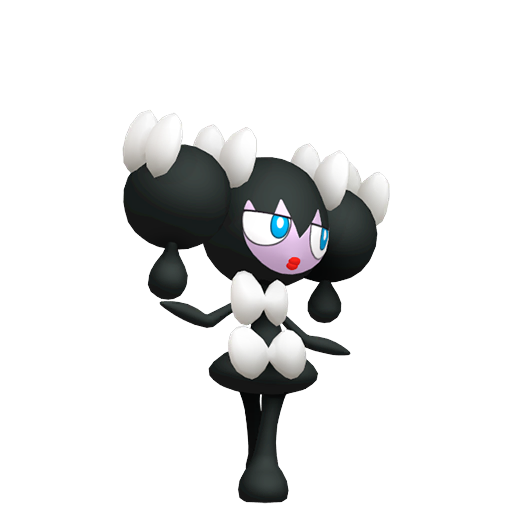

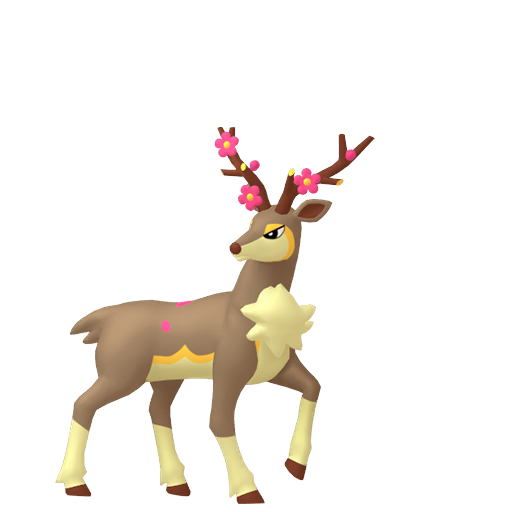
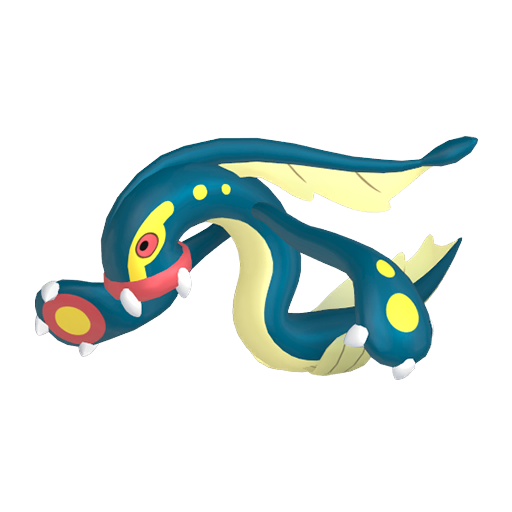
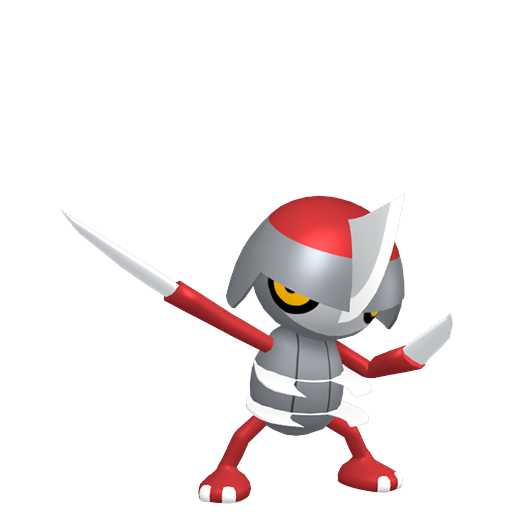
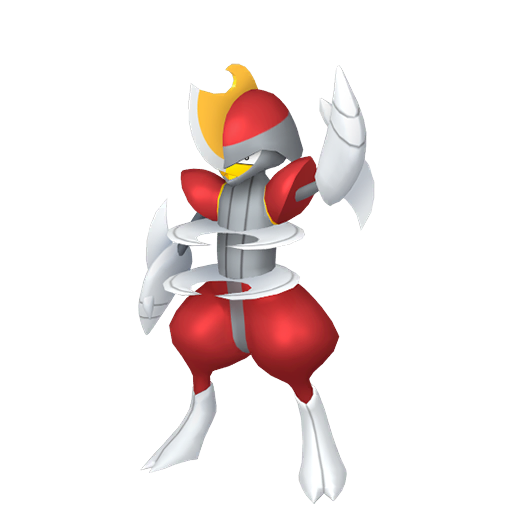

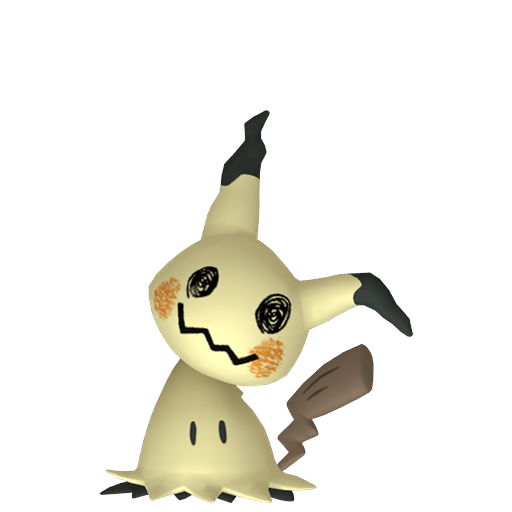
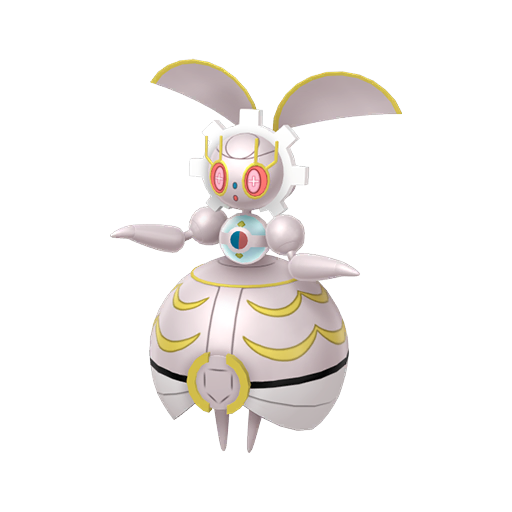
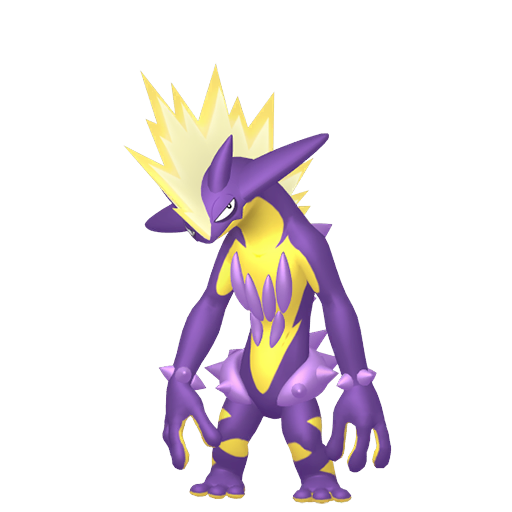
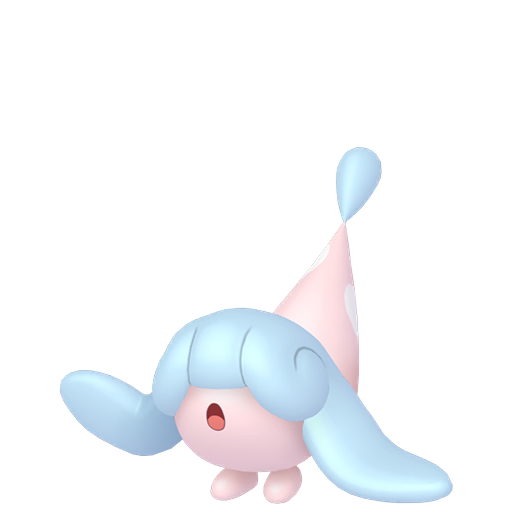


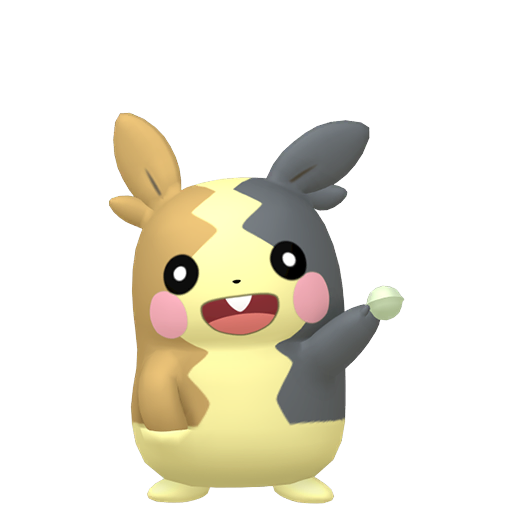
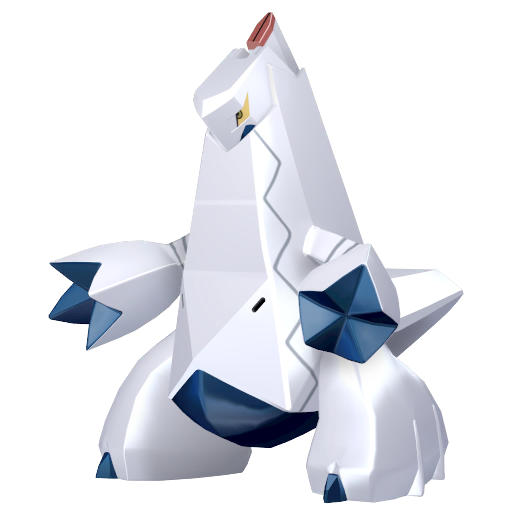
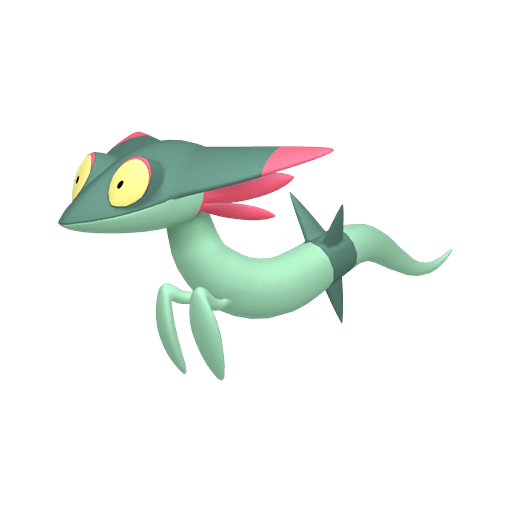
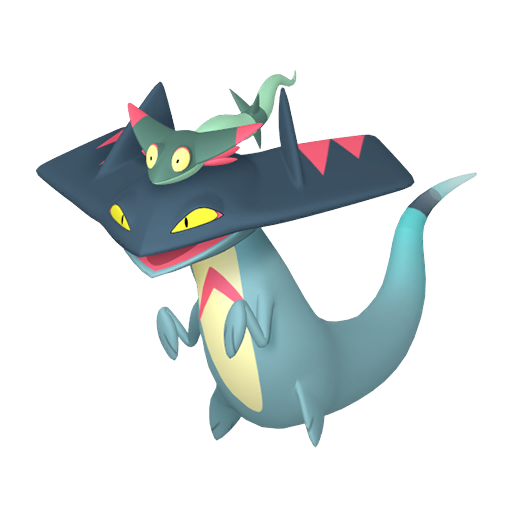




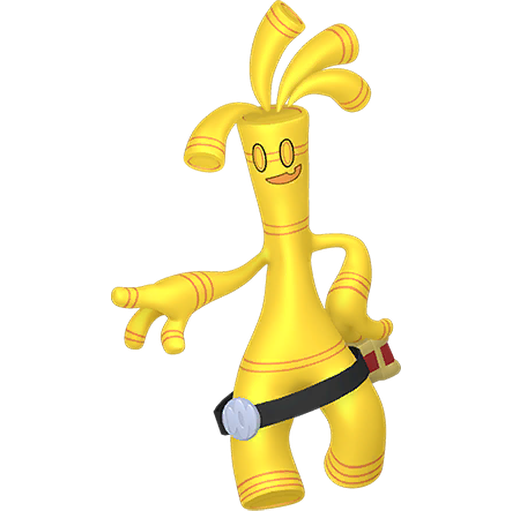
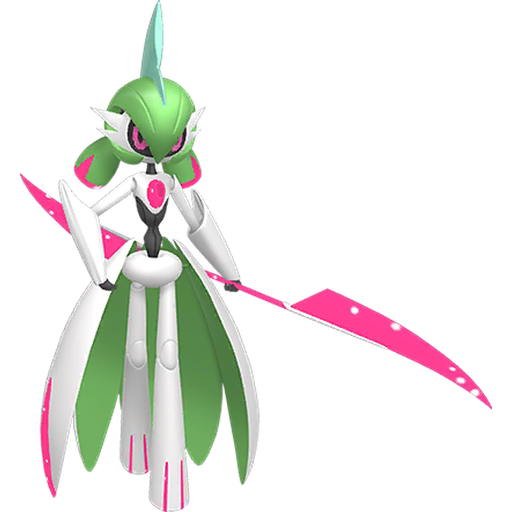
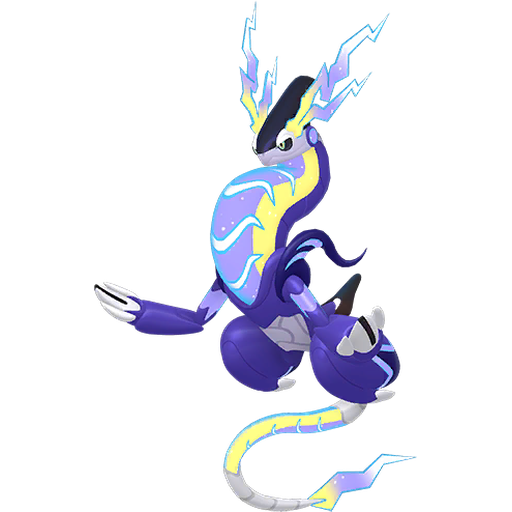
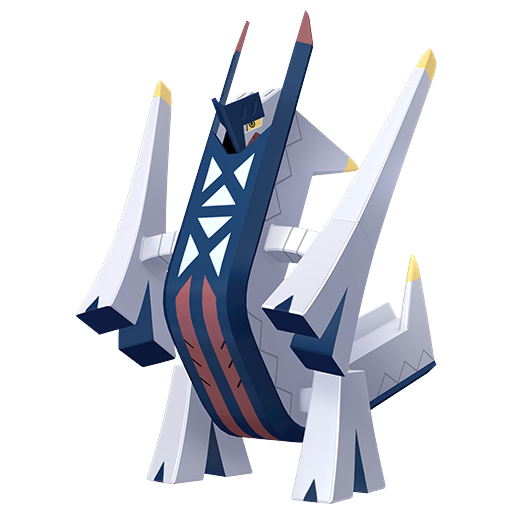
What it does
Thunder Wave inflicts Paralysis: the target's Speed drops to 50% of its current value and there is a 12.5% chance each turn that it cannot act at all (full paralysis). The status is permanent — it survives switching out and has no turn timer like Tailwind.
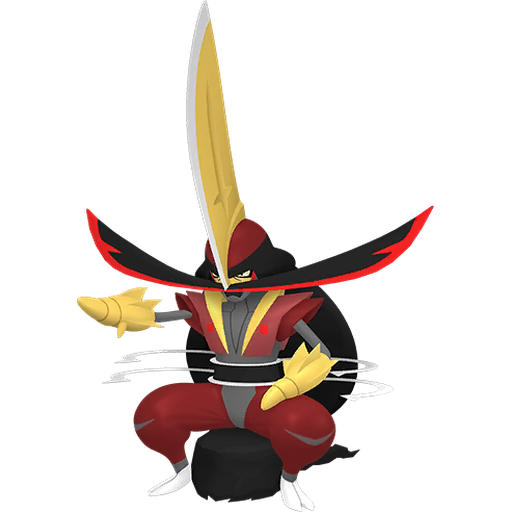
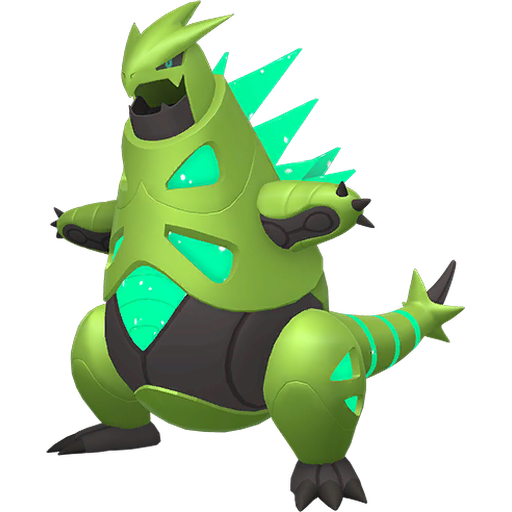
Run the actual numbers. Say the opponent's Iron Bundle sits at roughly 137 Speed at Lv50 with full Stat Points investment. After Thunder Wave, that becomes 68. Your Urshifu at base 97 Speed runs about 120 with full investment — previously 17 behind, now 52 ahead. You went from being outsped and swept to moving first every single turn. That is not a probability play; that is a deterministic shift in who wins exchanges.
Now look at full paralysis honestly: over four turns, the chance of it triggering at least once is around 41%. More than half the time the opponent acts normally across four turns. Champions cut the main-series 25% proc chance in half. If your plan needs the opponent to stop moving, that plan is fragile. Speed halving is the reliable return; the full-stop proc is a bonus.
90% accuracy — it misses. There is no effect on a miss. Do not build a game plan that collapses if this move whiffs in turn one.
Hard immunity: Ground-type Pokémon. Electric moves do not affect Ground types at all, including Pokémon with one Ground type in a dual typing. Check the opponent's roster in Team Preview before clicking.
Who runs it
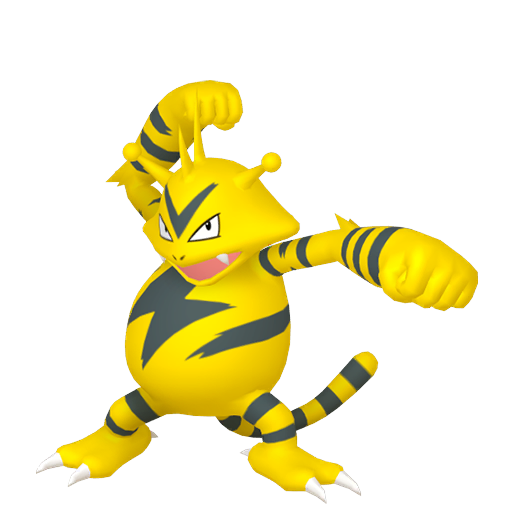
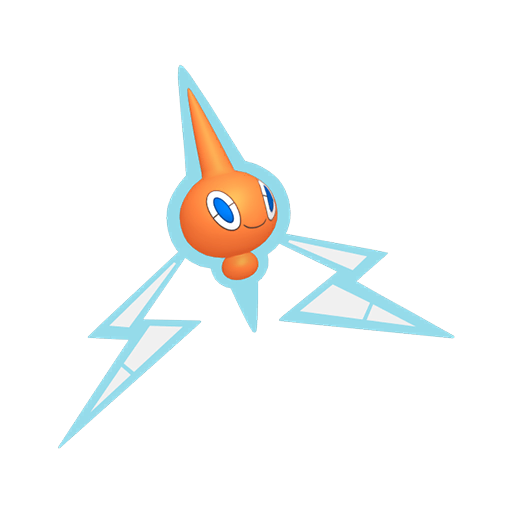
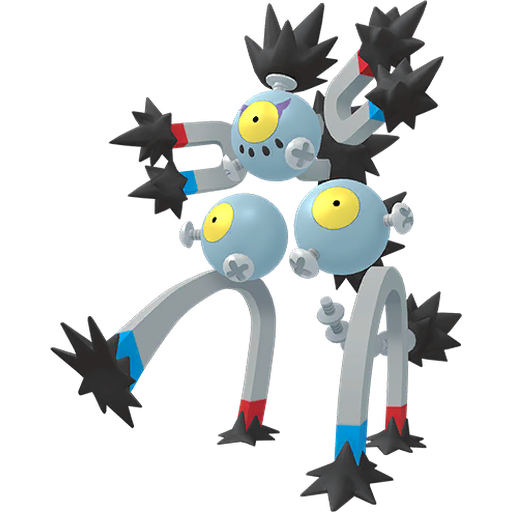
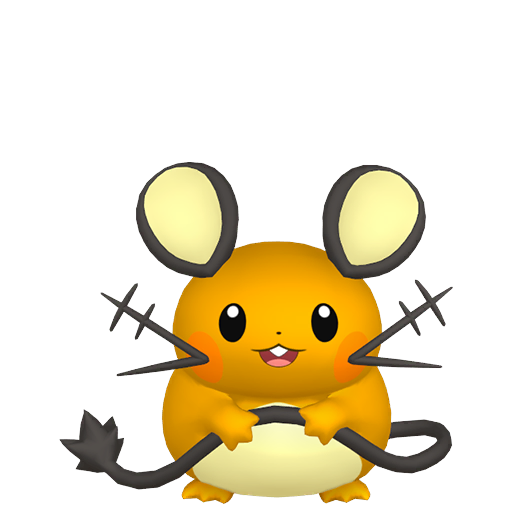
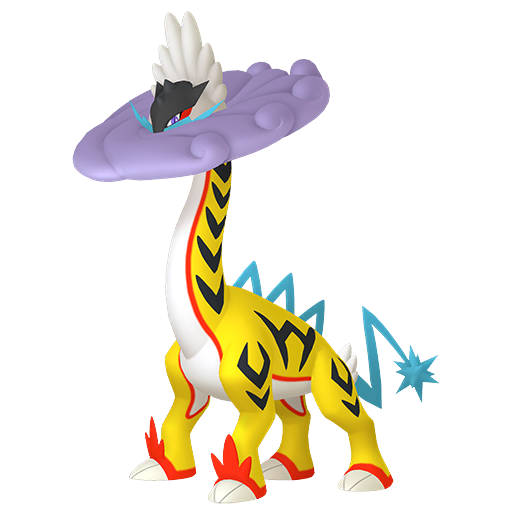
Regieleki is the definitive user. Base 200 Speed means it acts before virtually everything at Lv50 — it lands Thunder Wave before the target even has a chance to move, then either pivots out or keeps attacking. Its offensive presence forces the opponent to respond, which creates the window to use Thunder Wave safely. The downside is paper-thin bulk: reading the wrong target on switch-in can get it knocked out before it does anything.
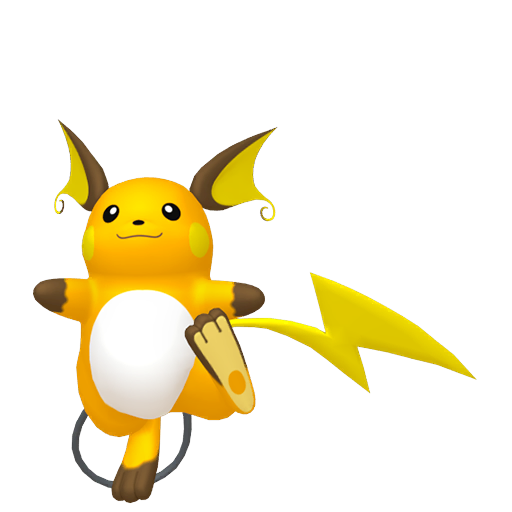
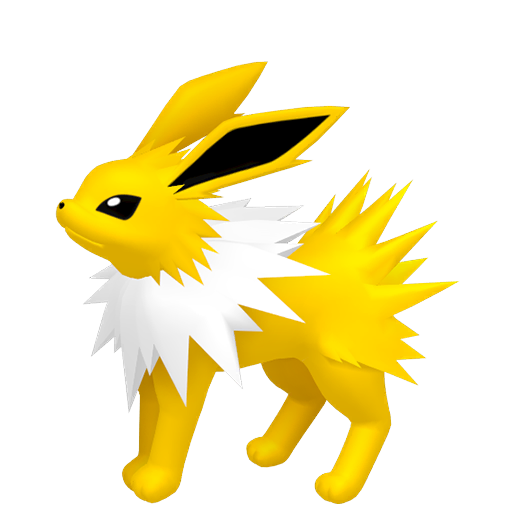
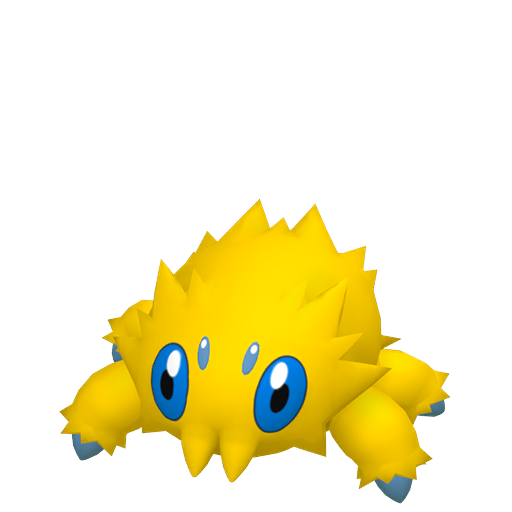
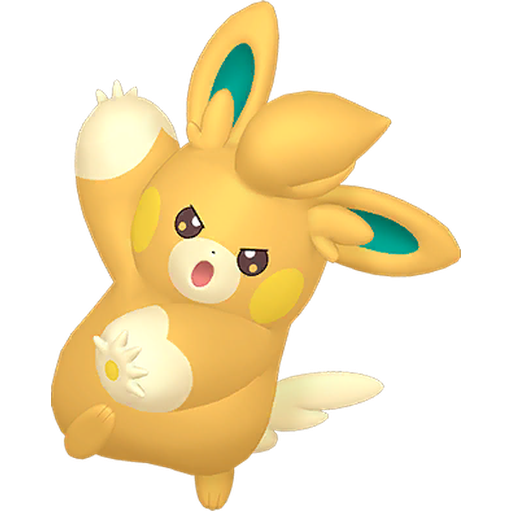
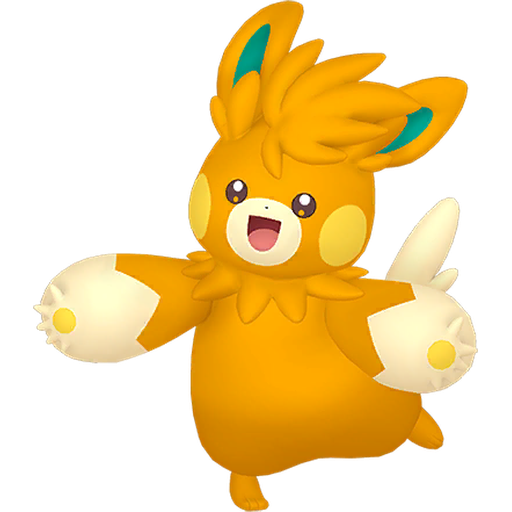
Jolteon fills the same support slot with a slightly less extreme Speed tier (base 130) and a bit more survivability, but less offensive threat. On teams that already have multiple damage dealers, Jolteon operates comfortably as a speed control anchor.
Incineroar is the counterintuitive classic, especially in doubles. Its base 60 Speed means it almost always moves last — but that is the point. It drops Intimidate on switch-in, softening physical damage, then follows up with Thunder Wave to lock the opponent's fastest threat. The combination of Intimidate plus paralysis is two separate forms of control delivered in overlapping turns, which is why Incineroar shows up on so many structured doubles rosters.
Slow Mega Evolution pivots. Pokémon that hold a Mega Stone and trigger Mega Evolution through the Omni Ring often gain massive offensive stats but land in awkward Speed tiers post-evolution. A fast teammate that runs Thunder Wave lets the Mega move first without burning an item slot on Choice Scarf or sacrificing a turn for Tailwind.
Trick Room warning. Under Trick Room, lower Speed moves first. Using Thunder Wave on an opponent in Trick Room makes them slower, which means they act earlier — you are helping them. Against Trick Room teams, Thunder Wave is contraindicated. Target your wave at the Trick Room setter before Trick Room goes up, or avoid it entirely.
How to use it
Singles turn pattern:
- Opponent's fast sweeper switches in (or leads)
- Click Thunder Wave
- Switch to your damage dealer — formerly outsped, now moving first
- The Speed advantage holds for every remaining turn that Pokémon is alive
The opponent can switch the paralyzed Pokémon out, but the status does not clear on switch-out (unlike abilities such as Natural Cure). It returns to the field still at half Speed. In singles, this means you can afford to let them rotate around — every time the paralyzed mon re-enters, the pressure resumes. Focus Thunder Wave on the member that most threatens your damage dealers by Speed alone.
Doubles turn pattern:
- Turn 1–2: identify the opponent's fastest active threat
- Support Pokémon uses Thunder Wave; partner applies offensive pressure or uses Protect to preserve it
- Target's Speed is halved; your attackers now move first against it for the rest of the game
- If the opponent establishes Tailwind first, you can wave after Tailwind is up — ×2 Speed then ×0.5 paralysis roughly cancels Tailwind's boost, and once Tailwind expires the opponent is left with just the permanent half-Speed penalty
Thunder Wave frees up the Tailwind slot on your own team and is not tied to a weather or terrain condition. One caution: Earthquake hits ally Pokémon in doubles. If your spread-damage attacker is on the field alongside your wave support, manage positioning carefully so you do not accidentally remove your own support.
The core decision: wave or damage? If the opposing Pokémon is faster than your damage dealer and you need it slowed to win the exchange — wave. If the opponent's active members are already slower than your team or already paralyzed — attack. Wasting Thunder Wave on a slow wall is a frequent resource error; always target the highest-Speed active threat.
Tips & strategy
Ground-type immunity is the most expensive mistake. Garchomp, Landorus-Therian, Excadrill — any Pokémon with a Ground type in its type combination completely ignores Thunder Wave. In doubles, experienced opponents deliberately switch a Ground-type partner to the front to absorb your wave and protect the actual fast threat behind it. Anticipate this and have a backup plan for when the wave target changes.
Common-mistake autopsy: building a plan around 12.5%. The player new to Champions sees an opponent with paralysis and expects frequent full stops — that expectation comes from main-series games where the proc rate is 25%. In Champions the realistic mindset is: the opponent acts normally next turn; my attacker needs to move first on its own Speed stat after the halving. If that is true, the wave was correct. If your plan only works if the opponent freezes in place, your plan is wrong. Paralysis is not crowd control; it is a Speed adjustment.
What turns it off:
- Limber: complete immunity, Thunder Wave fails outright
- Magic Bounce: reflects Thunder Wave back at the user — your own Pokémon becomes paralyzed
- Natural Cure: clears the status when the paralyzed Pokémon switches out, letting the opponent repeatedly remove the effect at will
- Lum Berry: auto-cures paralysis on the turn it would activate; single-use
- Ground-type partner in doubles: soaks the wave so the real fast threat behind it never takes the status
Substitute blocks Thunder Wave. The move lands on the Substitute, not the Pokémon behind it, and the status is not applied. If the opponent has a Substitute active, break it first before clicking Thunder Wave.
Do not wave the wrong Speed tier. If the target is already slower than every Pokémon on your team, Thunder Wave provides near-zero value — it was already moving last. Identify the target that most threatens your Speed order and wave that one. The move has a fixed opportunity cost (a turn, and sometimes a Pokémon's remaining HP if you are taking a hit to use it); spend it where it changes the turn order in a way that matters.