
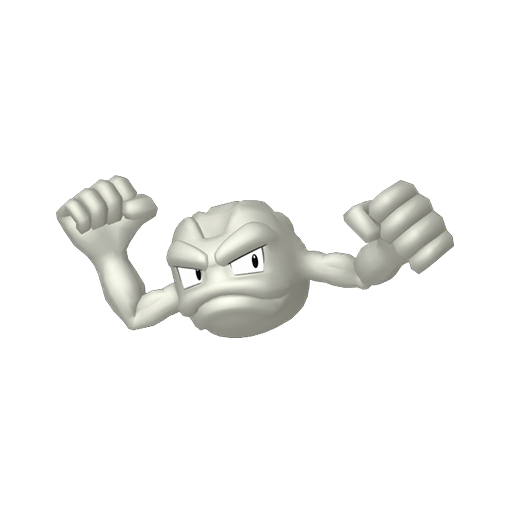
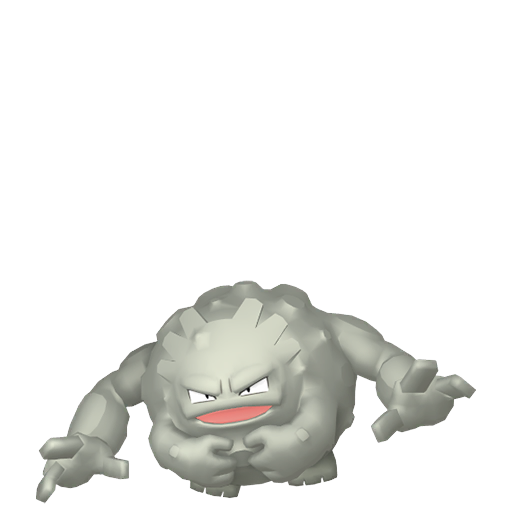



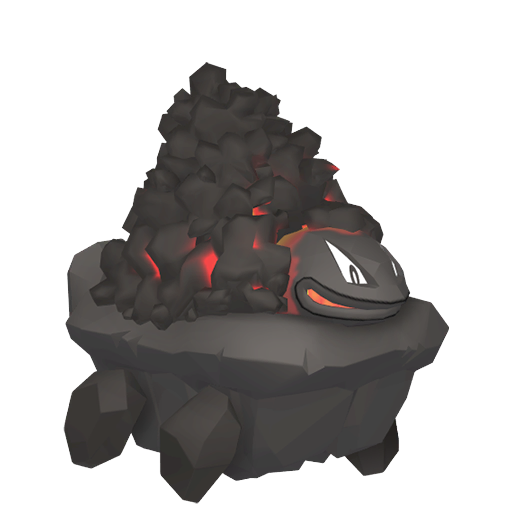
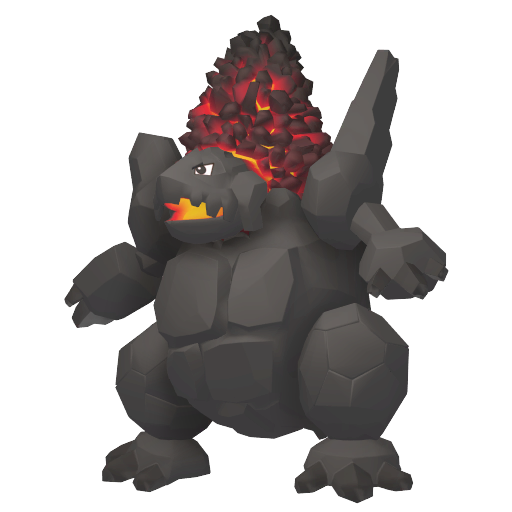
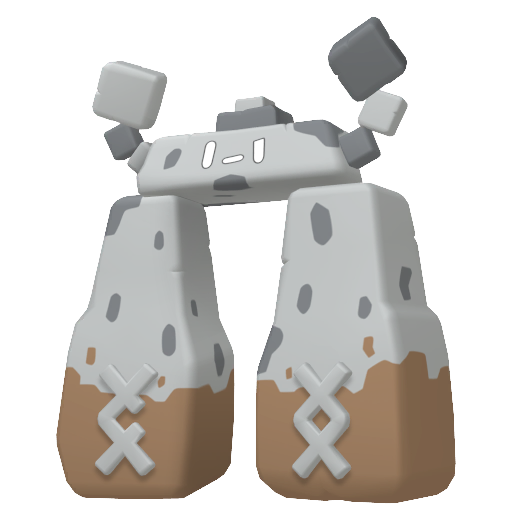
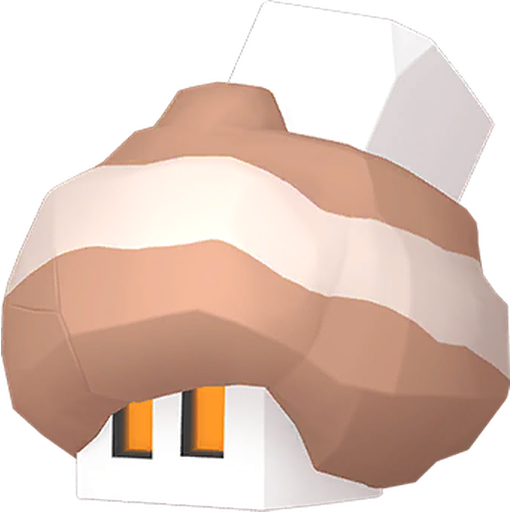


















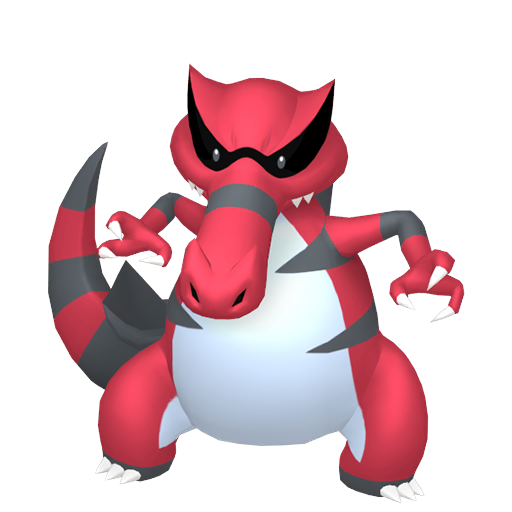

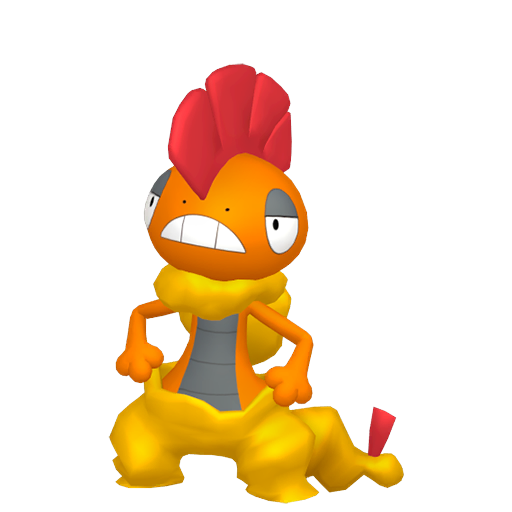

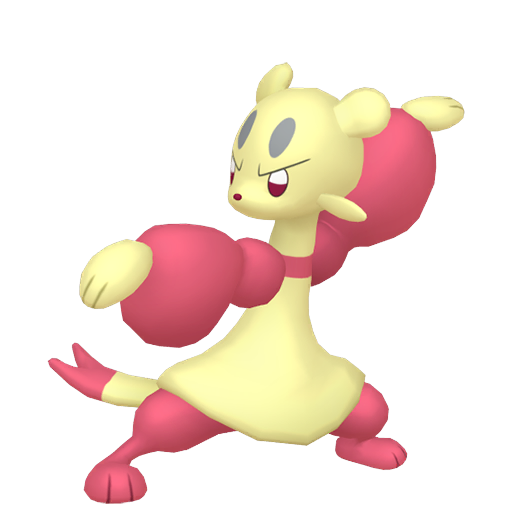
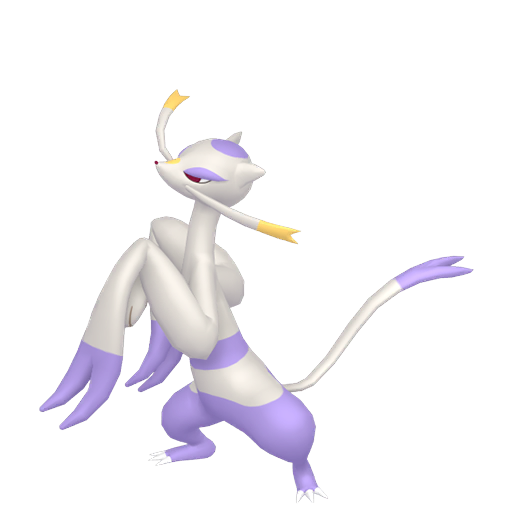










What it does
Stone Edge is a physical Rock-type move — single target, no contact. High base power, 80% accuracy. Stone Edge has a higher-than-normal critical-hit ratio — the move's built-in high crit stage means it has an elevated critical-hit chance on every use.
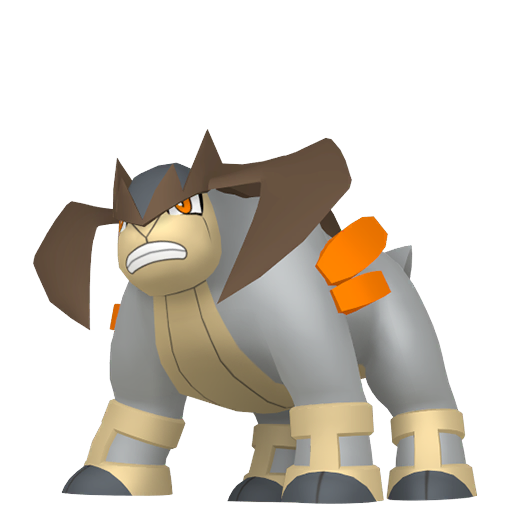
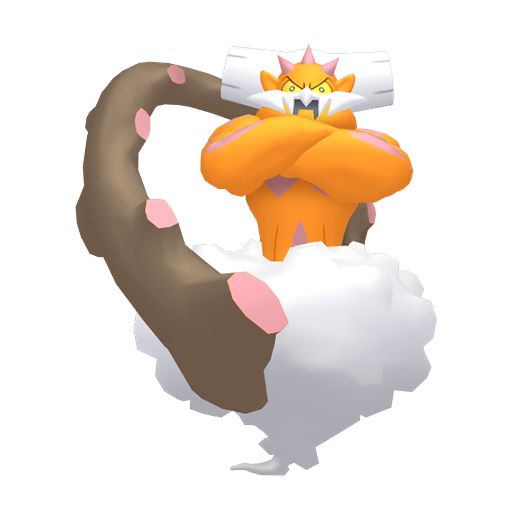
The reason to run it is coverage: Rock hits Fire, Flying, Bug, and Ice types for super effective damage. In doubles, that hitting profile directly threatens a lot of common Flying-type leads and attackers — Tornadus, Landorus, Salamence all take super effective damage.
The crit rate boost is a secondary effect, not the reason you're choosing this over alternatives. Most carriers have other priorities. The stacking crit rate is a bonus in longer matchups, not a game plan.
The accuracy is the honest downside. 80% means roughly one miss in five attempts. In doubles, that one miss can be the difference between winning and losing a high-stakes turn. No way around it — you're accepting that risk when you run this move.
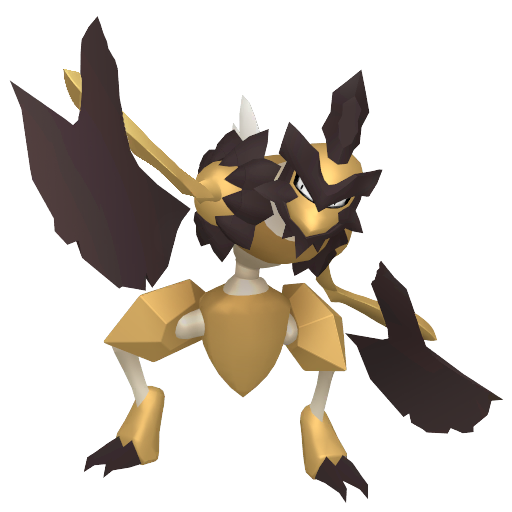
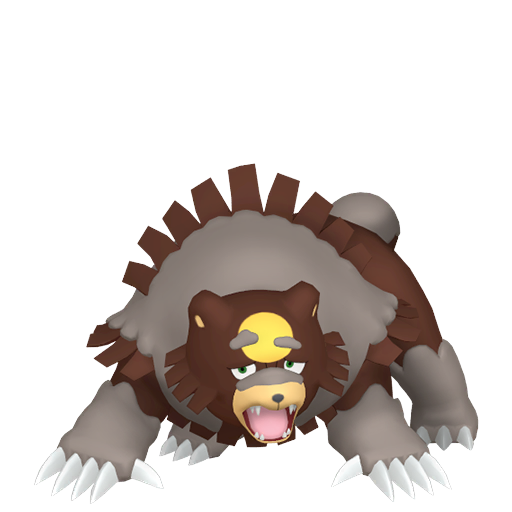
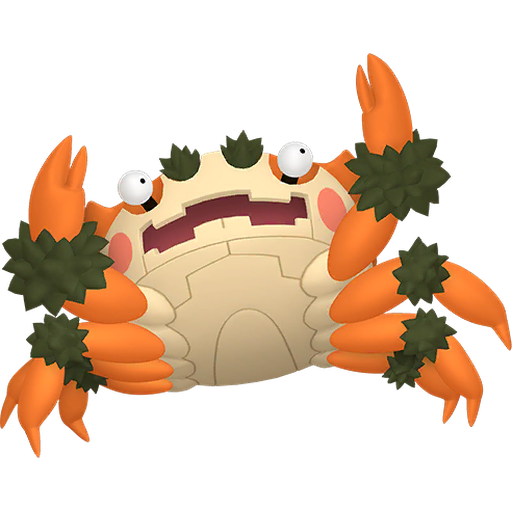
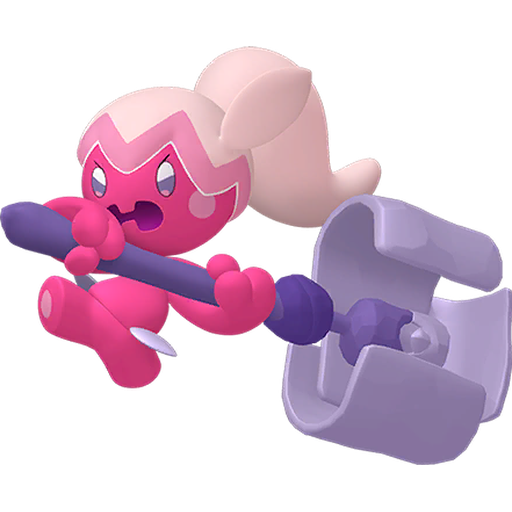
Who runs it
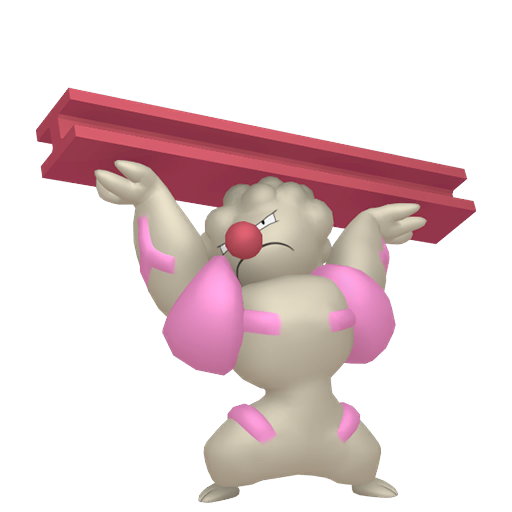
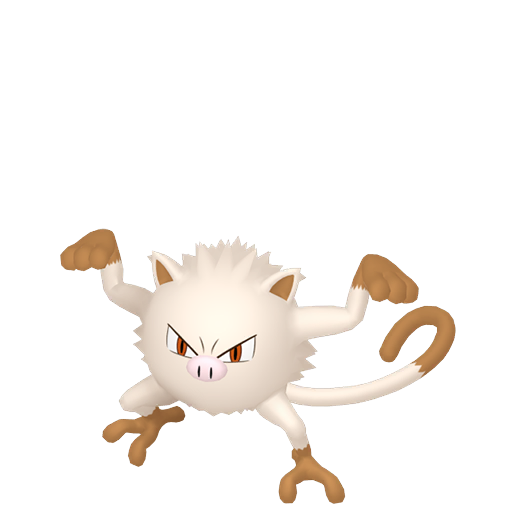
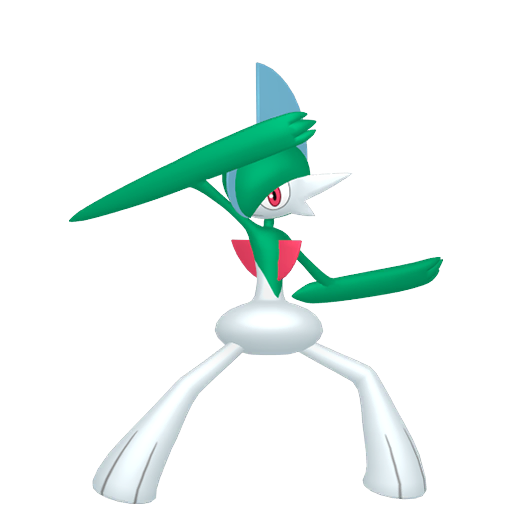
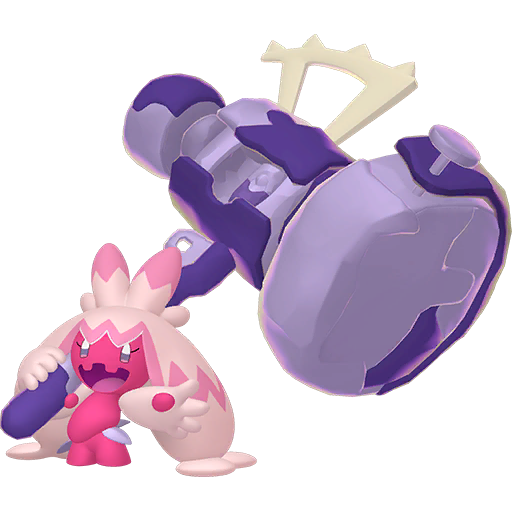
Machamp (69%): The standout carrier in this data set by a large margin. With 130 base Attack and strong Fighting STAB, Machamp already threatens most of the metagame — Stone Edge fills in the Flying, Ice, and Bug coverage that Fighting doesn't touch. The combination covers a wide swath of doubles threats and is a core part of most Machamp sets.
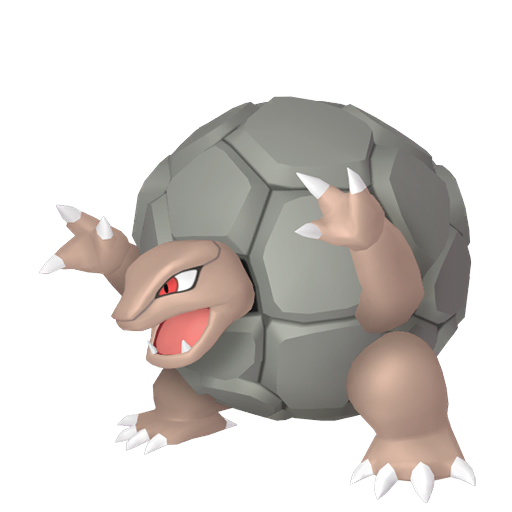
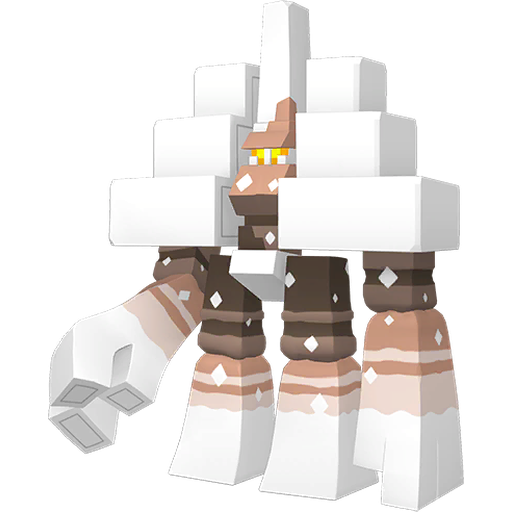
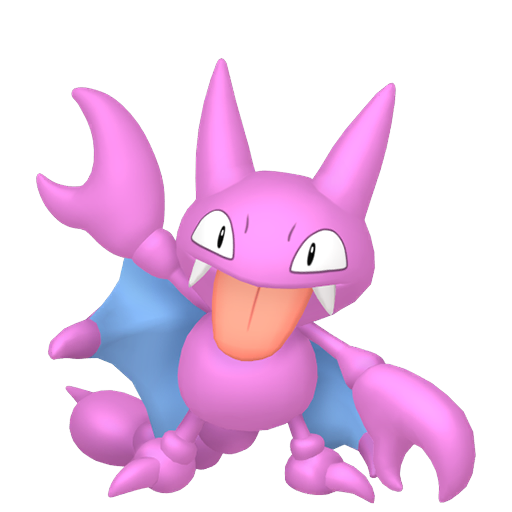
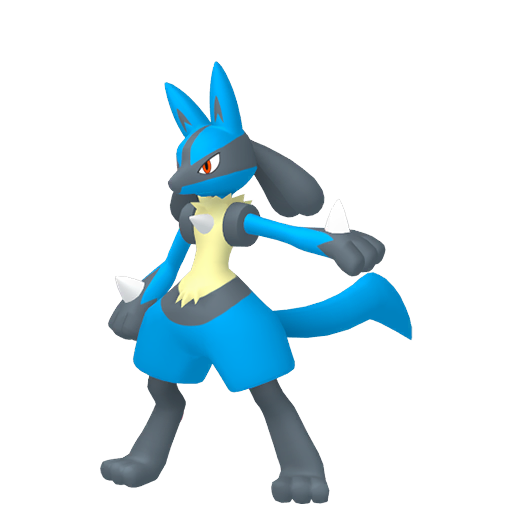
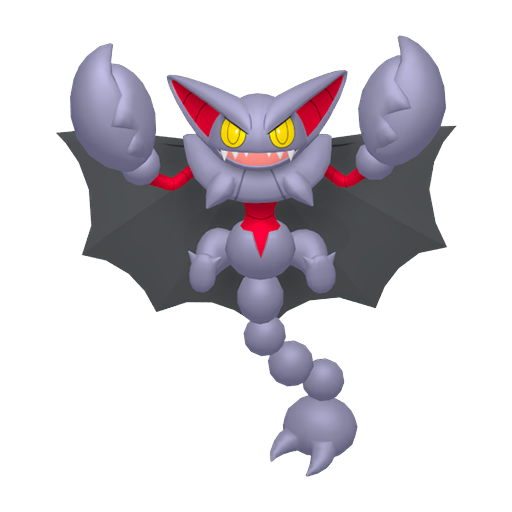
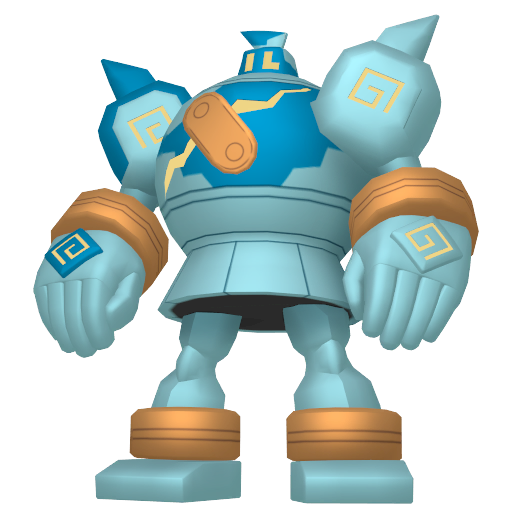
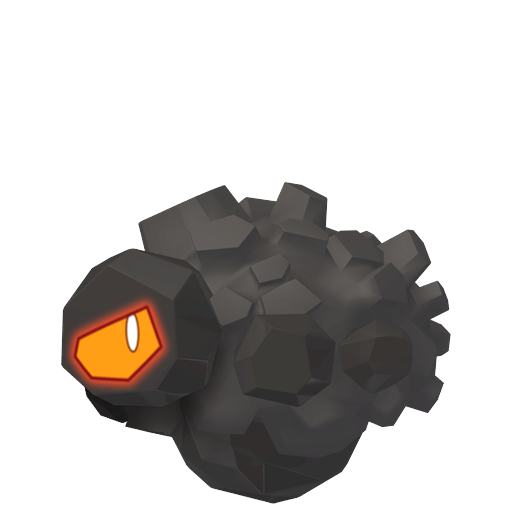
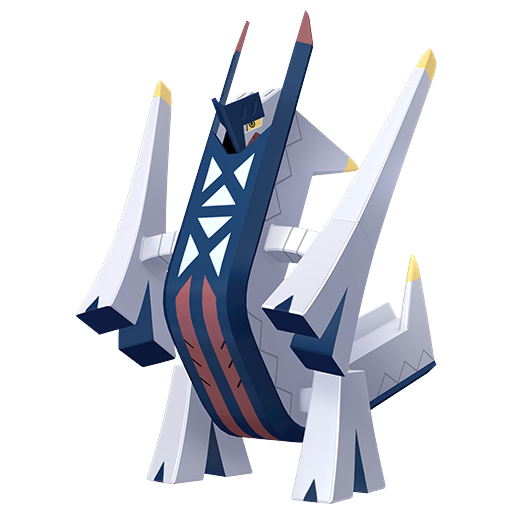
Golurk (11%): Base 124 Attack, Ghost/Ground typing. The key thing for Golurk: Ground moves miss Flying-type Pokémon entirely. Stone Edge patches that gap directly. When a Flying-type is in the opposing slot, Stone Edge is the answer that Ground can't provide.
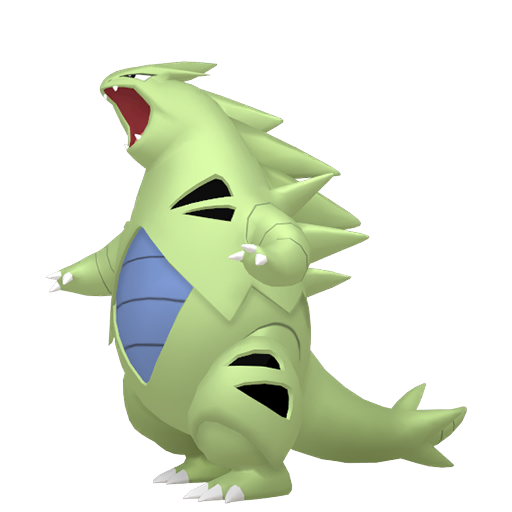
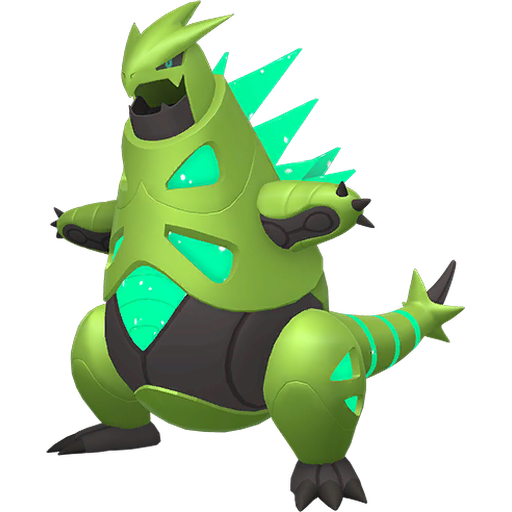
Tyranitar (9%): Rock typing means Stone Edge gets STAB on Tyranitar. It runs alongside Sand Stream's auto-sandstorm. That said, Tyranitar has enough other options that Stone Edge is one configuration rather than a fixed slot.
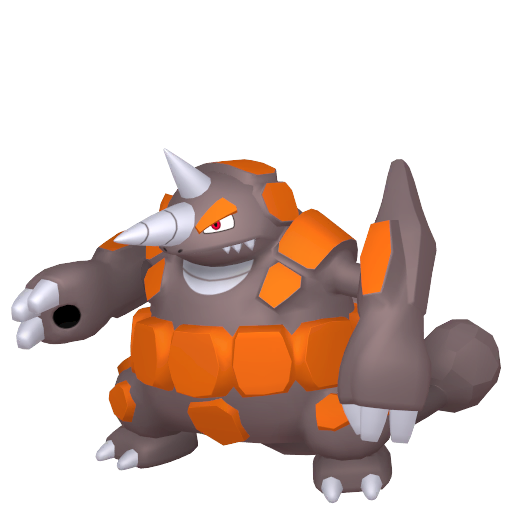
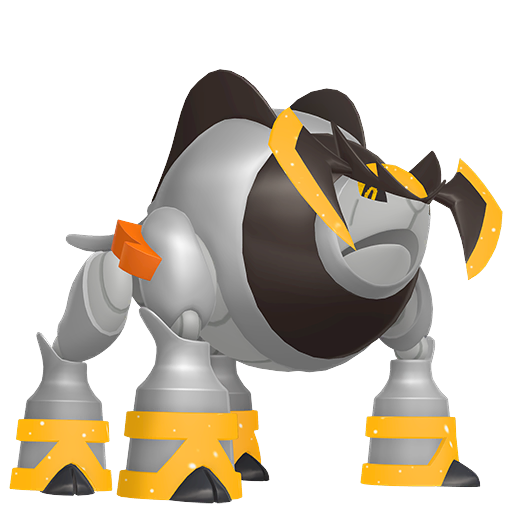
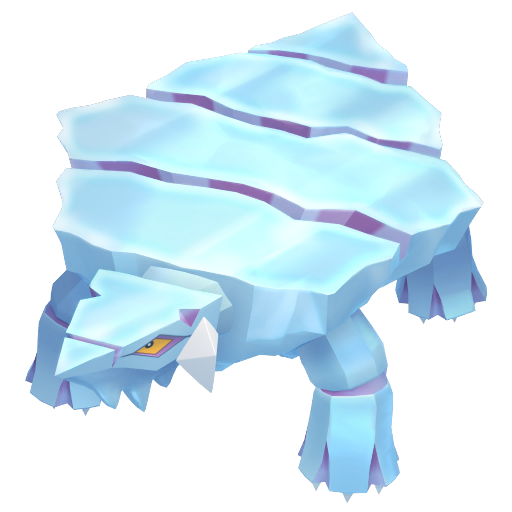
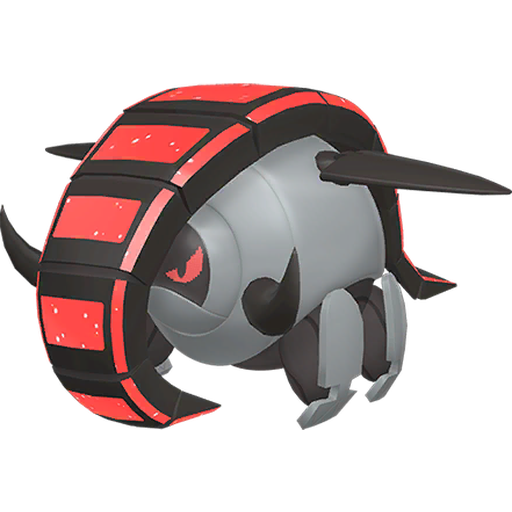
Aggron (7%): 110 base Attack, Steel/Rock type, STAB on Stone Edge. Low overall usage in Champions, and Stone Edge is a secondary slot here.
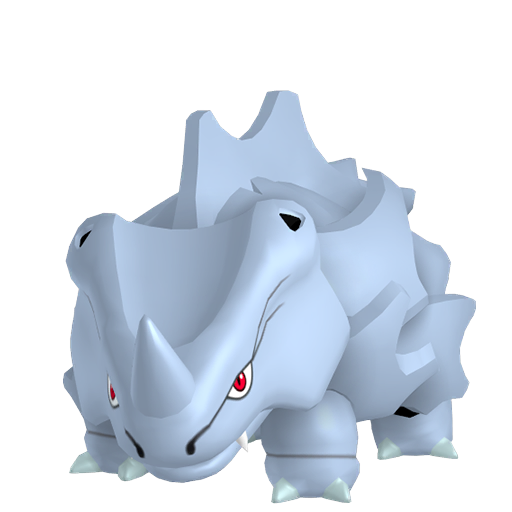
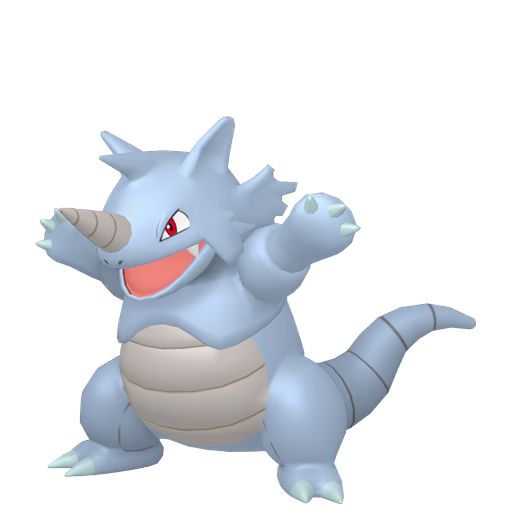
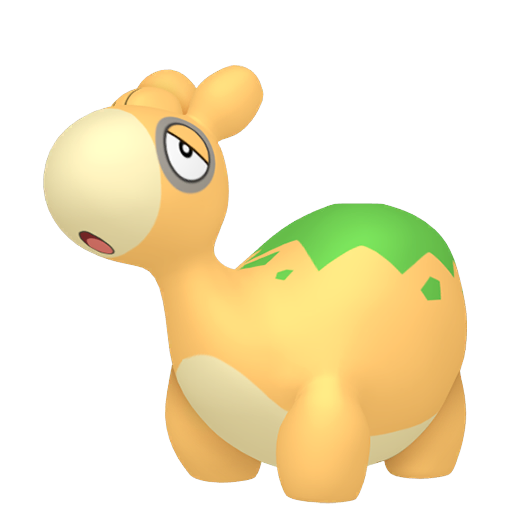
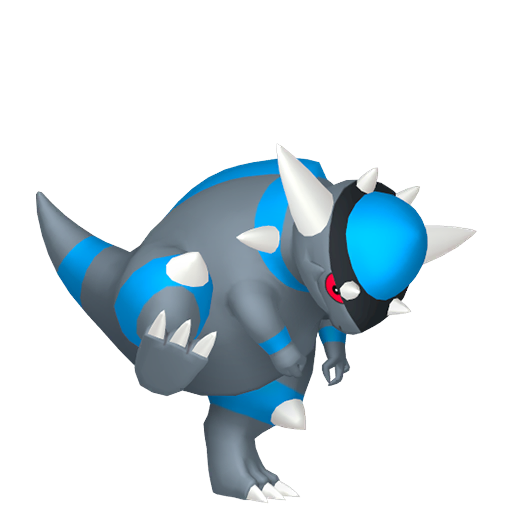
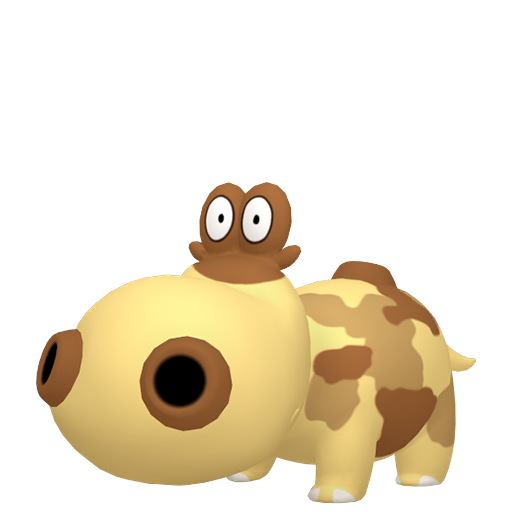
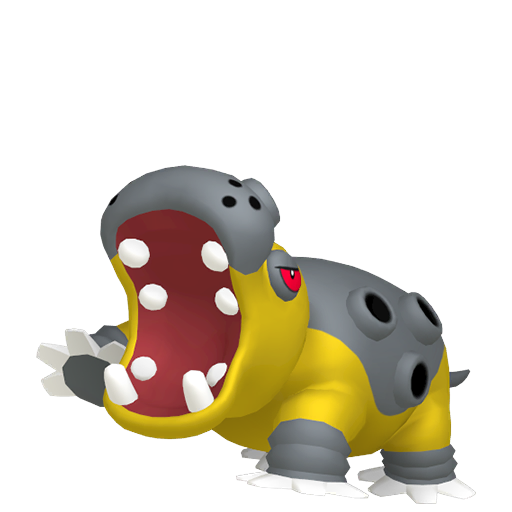
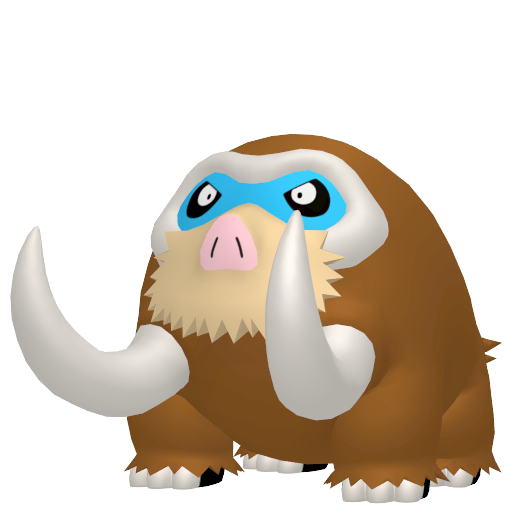
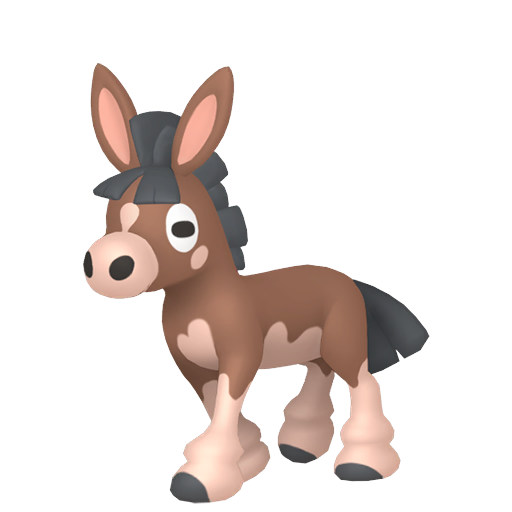
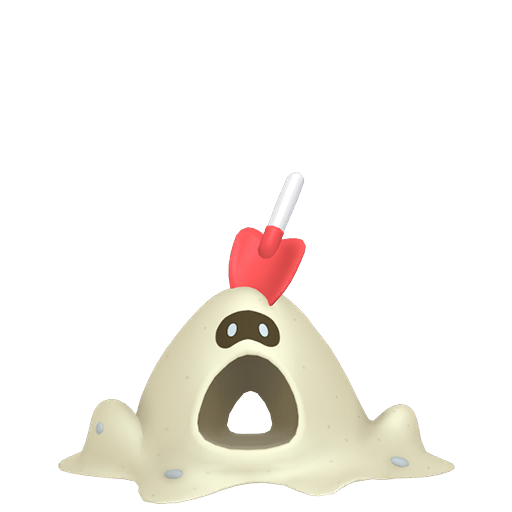
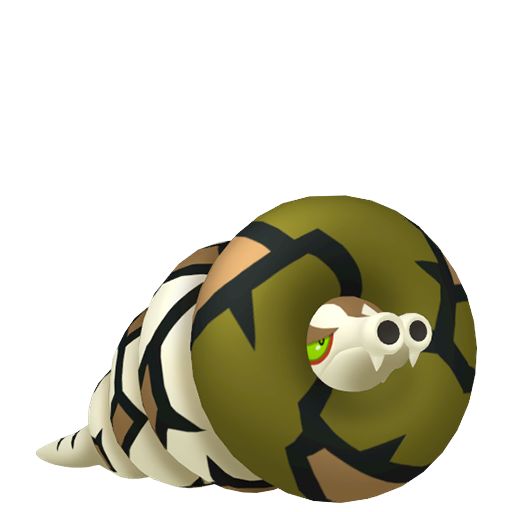
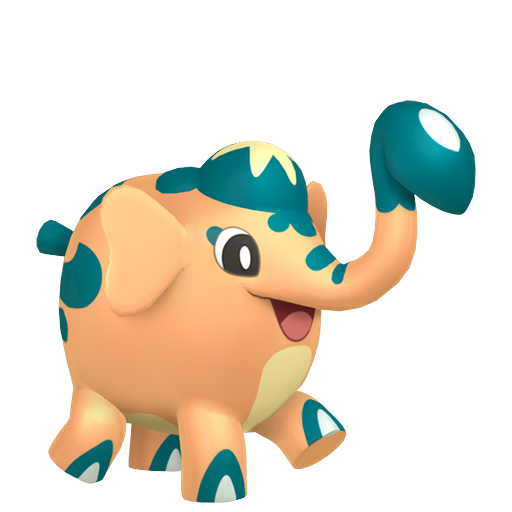
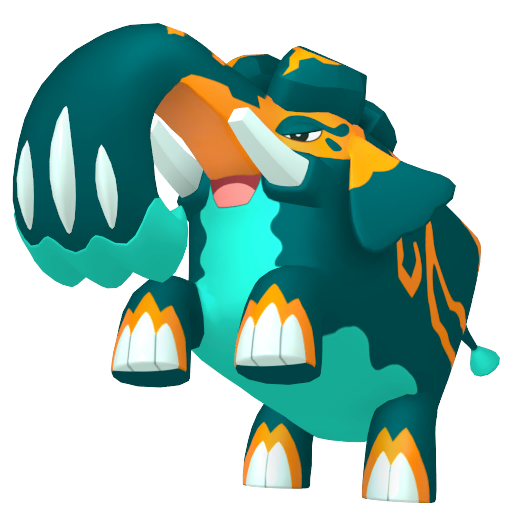
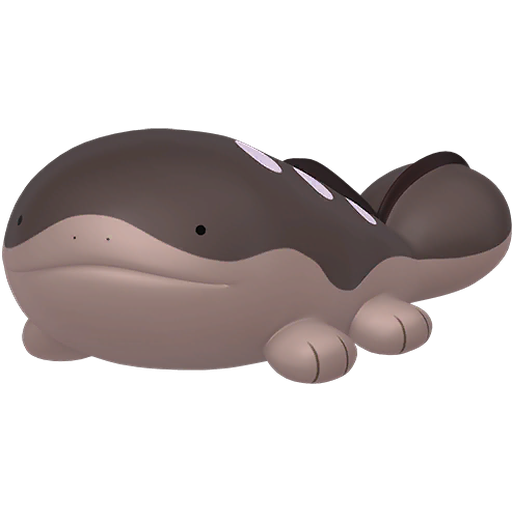
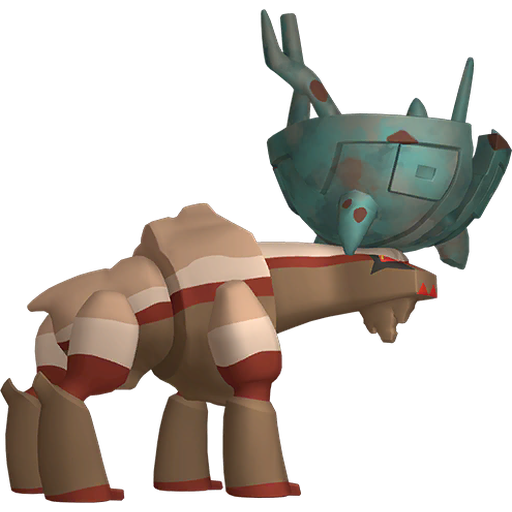
Rhyperior (4%) and Mudsdale (4%): Ground-types patching their Flying coverage hole with Stone Edge, similar logic to Golurk.
How to use it
Stone Edge is a coverage move — point it at the specific type matchup you need and fire. In doubles, the typical trigger is a Flying, Ice, or Bug type in the opposing slot that your Fighting or Ground STAB can't cleanly hit.
For Machamp, the standard pattern: Fighting STAB (Dynamic Punch or Close Combat) handles most of the matchup, Stone Edge comes out when the opponent brings in a Flying, Ice, or Bug type. When Machamp runs No Guard, Stone Edge becomes 100% accurate — that's a significant upgrade. No Guard makes all moves from both sides always hit, which also makes Dynamic Punch's confusion land every time, providing consistent control on top of the accuracy fix.
For Golurk, it's more direct: Earthquake is the primary attack, but it doesn't touch airborne targets at all. Stone Edge exists precisely for that scenario. When a Flying-type is across the field, it's the immediate answer.
Comparing to Rock Slide: Rock Slide is a spread Rock move in doubles — hits both opposing Pokémon, reliable accuracy, but lower power. The choice between the two comes down to whether you want single-target high damage (Stone Edge) or spread medium damage (Rock Slide). Machamp and other single-coverage seekers tend to prefer Stone Edge because they're targeting a specific matchup, not fishing for spread damage.
Tips & strategy
Managing the accuracy risk: 80% accuracy in a critical moment is a real problem. Two ways to address it: run No Guard if your carrier can use it (Machamp can), or only pull Stone Edge out when you have a clear coverage advantage and aren't gambling the game on it. Don't throw it out speculatively — use it on confirmed super-effective matchups where missing is less likely to be immediately game-ending.
No Guard tradeoff: Making Stone Edge always hit is a big deal on Machamp. But No Guard works both ways — every move targeting your Machamp also never misses. You're accepting 100% accuracy for the opponent too. In doubles where spread moves are common, that's a meaningful risk to account for in positioning.
The crit rate on every hit: Stone Edge has a built-in elevated critical-hit ratio (stage +1) — every hit has an elevated crit chance, which is the same on use one as use ten. It does not stack with repeated use.
Target selection in doubles: Stone Edge hits one target, so pick the right one. Prioritize whichever opposing Pokémon is weakest to Rock and hasn't already been softened enough for a different move to finish. The power advantage over Rock Slide only matters against a single healthy target — against a low-HP opponent, the spread option is usually better value.