









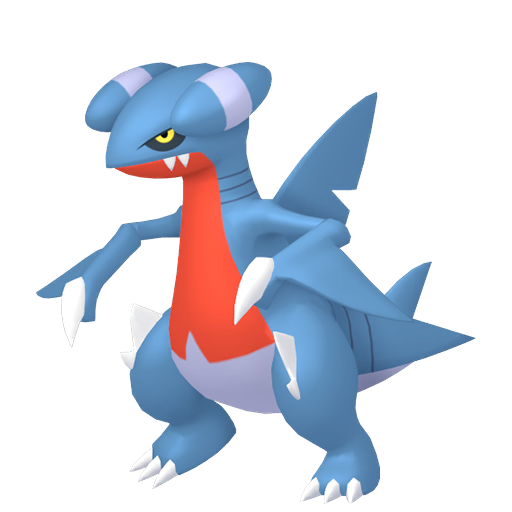
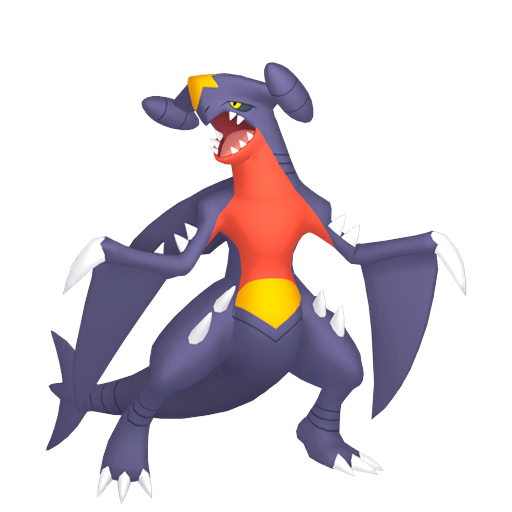
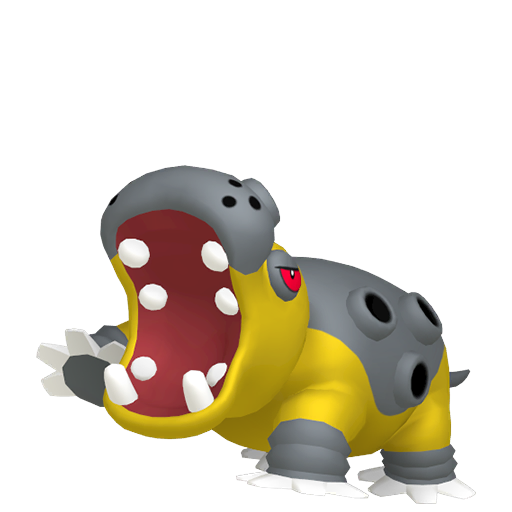
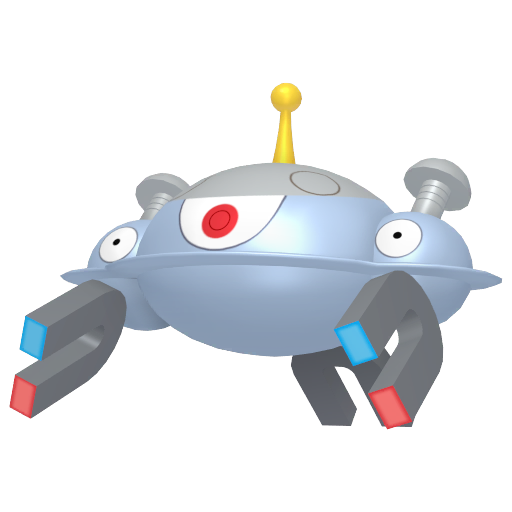






What it does
Iron Head is a physical Steel-type contact move, base power 80, perfect accuracy. In the Champions ruleset, the flinch chance is 20% — down from 30% in standard play. Worth keeping straight in your head, especially if you're building around flinch.
Flinch means the target cannot act on that turn. In doubles: the flinched Pokemon loses its action for the round, and its partner now has to handle the situation alone. That's a real disruption, not just a stat nudge. The catch is that flinch only works if you move before the target — if you're slower, the opponent already acted before your Iron Head lands, so the flinch does nothing.
That splits Iron Head users into two groups. Fast Steel-types where flinch is part of the active gameplan. Slow Steel-types where it's a STAB move with the occasional pleasant accident.
Who runs it
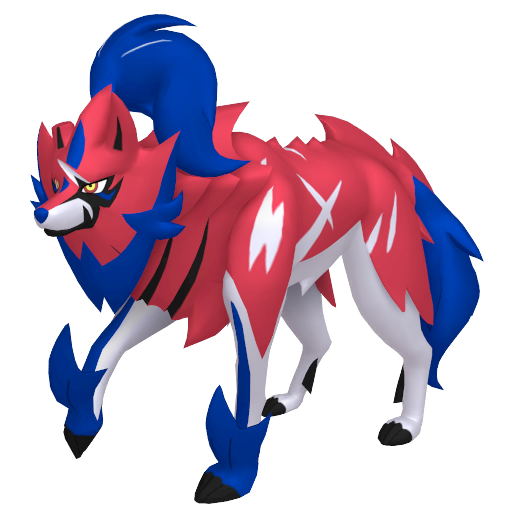
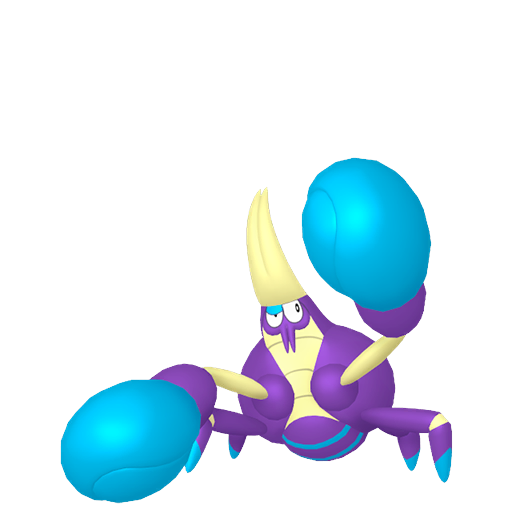
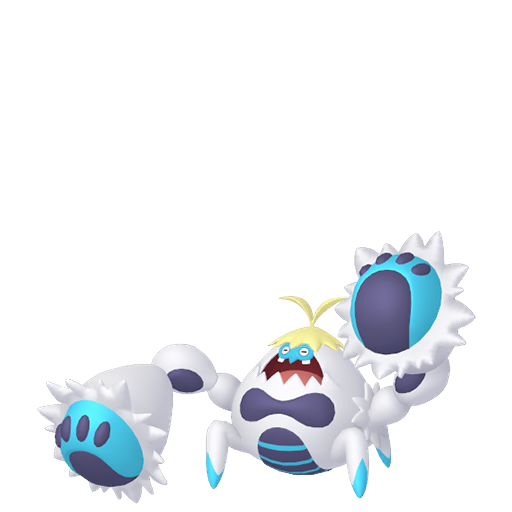
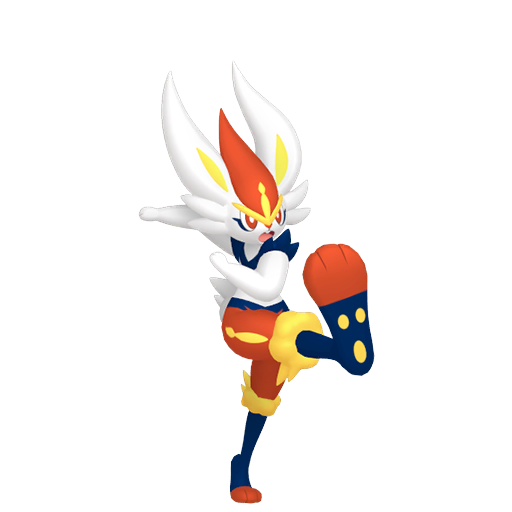
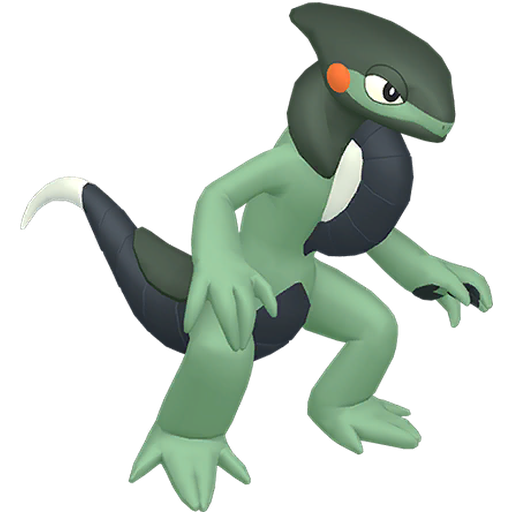
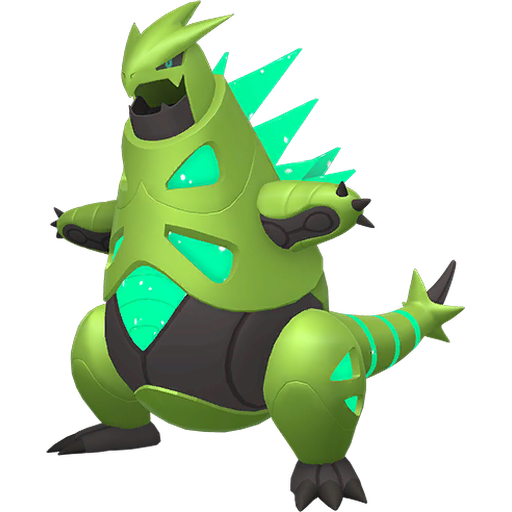
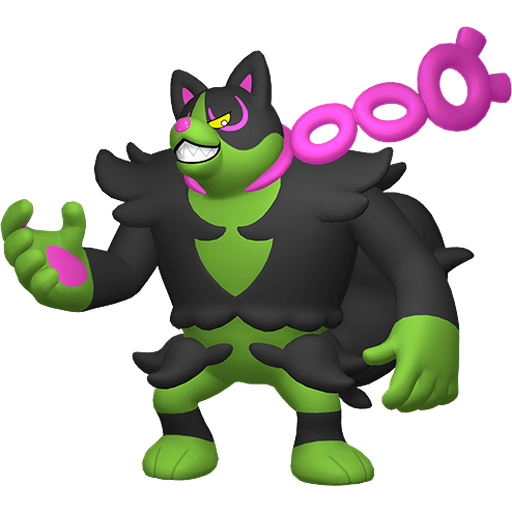
Excadrill (95%) runs Iron Head on essentially every set. It has STAB, it's fast — and with sand speed doubling active, it outruns a wide portion of the format. A 20% flinch on a Pokemon that often moves first is a real tool, not a prayer. In doubles, Excadrill frequently attacks into one target while the flinch disrupts the partner's ability to follow up, creating momentum out of nothing.
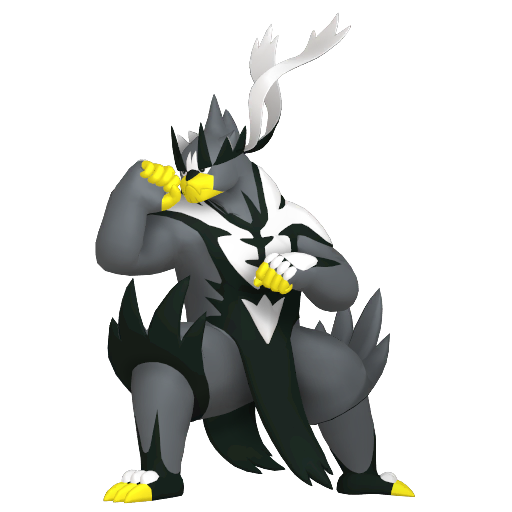
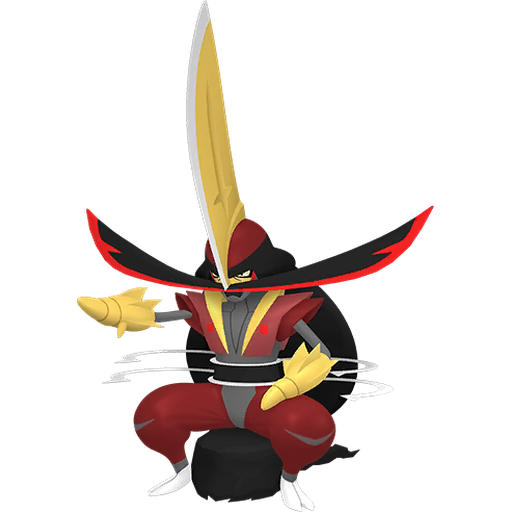
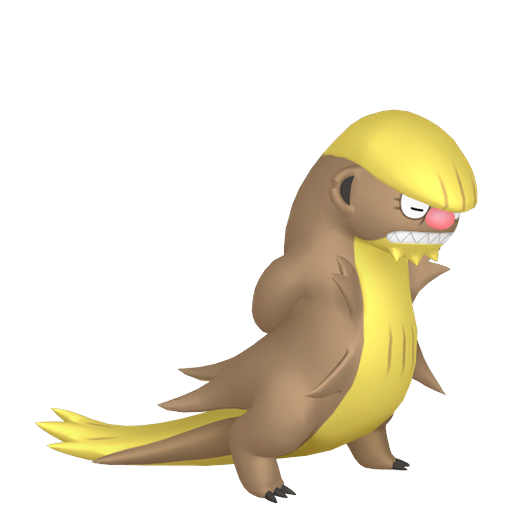
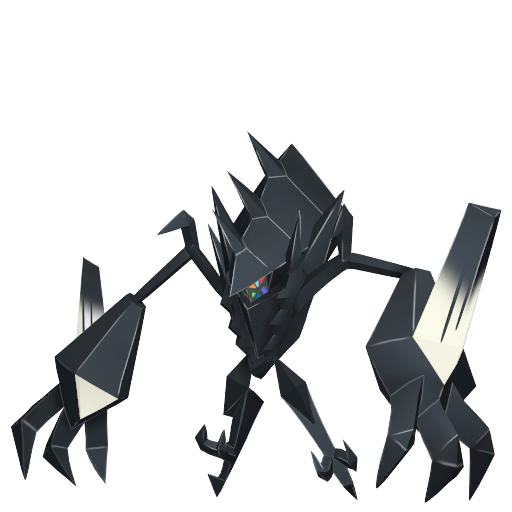
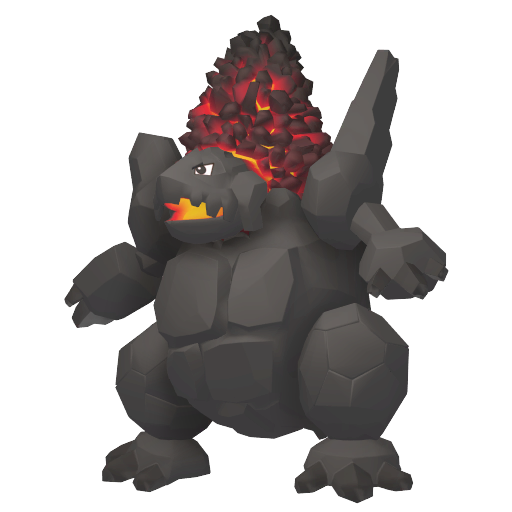
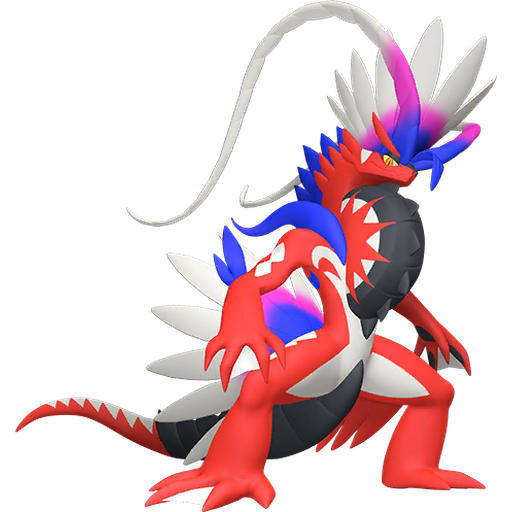
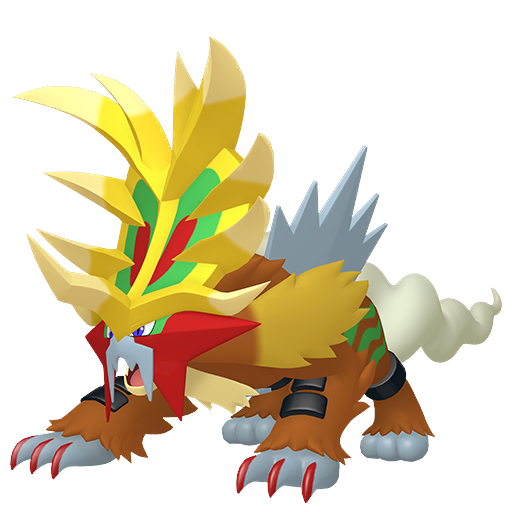
Kingambit (55%) hits extremely hard, and Iron Head is one of its main STAB outputs. Its Speed is modest, so flinch isn't the draw — raw damage is.
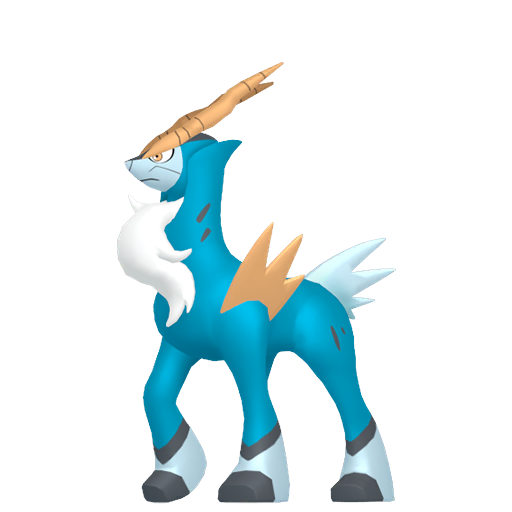
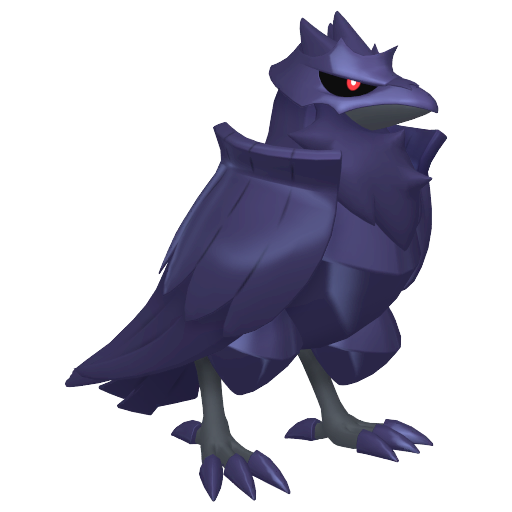
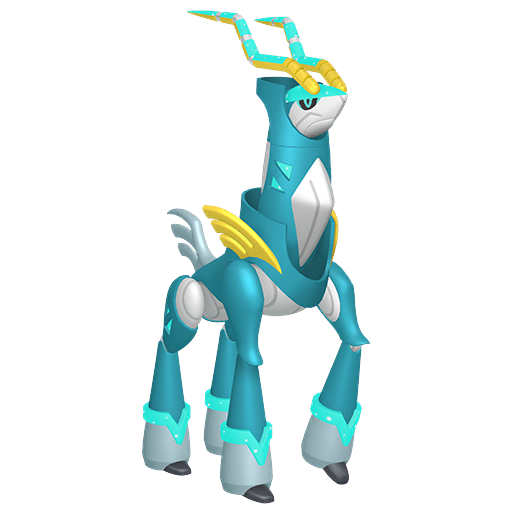
Corviknight (48%) is bulky and defensive, using Iron Head as a reliable STAB damage move. Not flinch-dependent either.
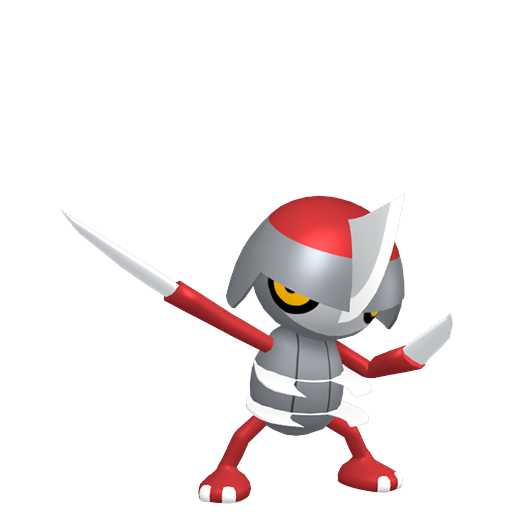
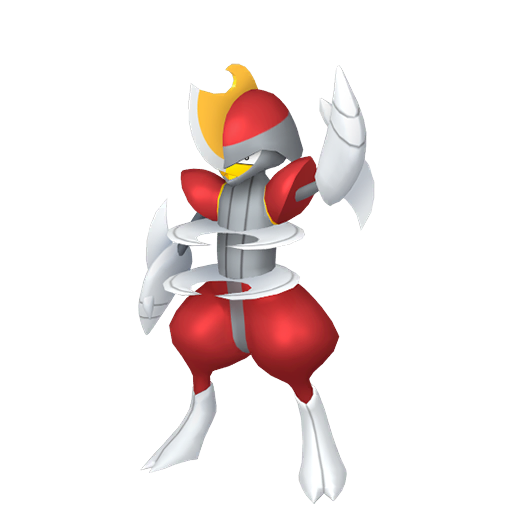
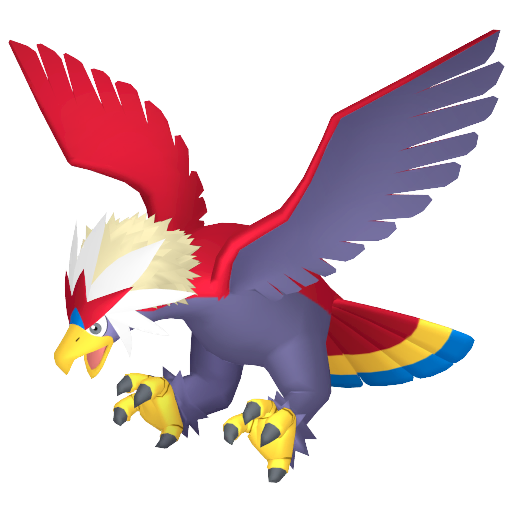
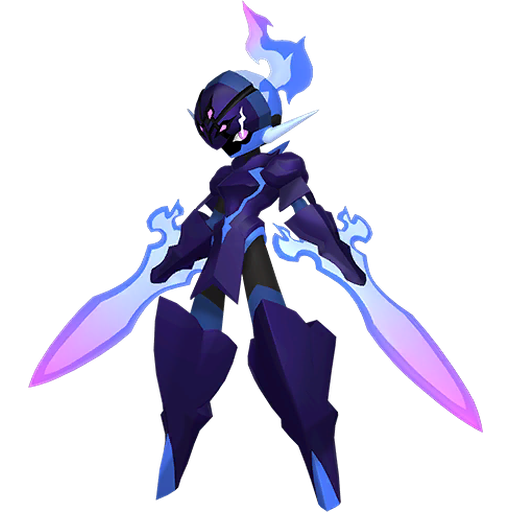
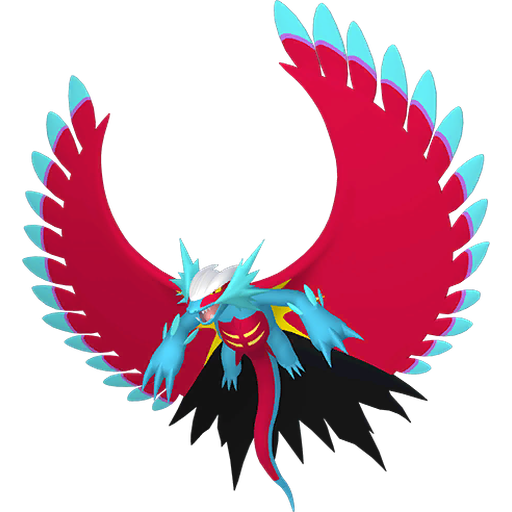
Aegislash (41%) swaps forms going into its attacking turns. STAB Iron Head on Blade Forme hits hard enough to matter, but its Speed is low so the 20% flinch rarely comes into play.
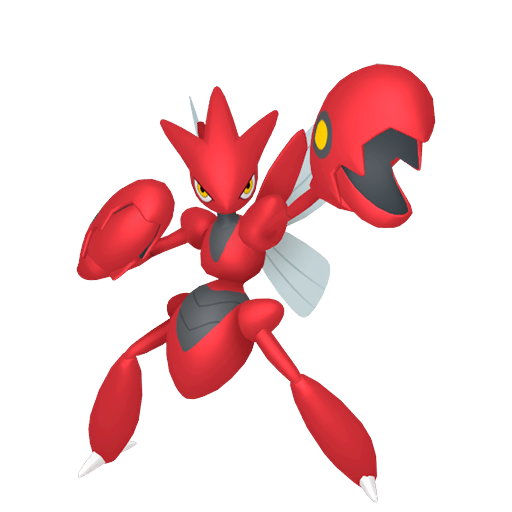
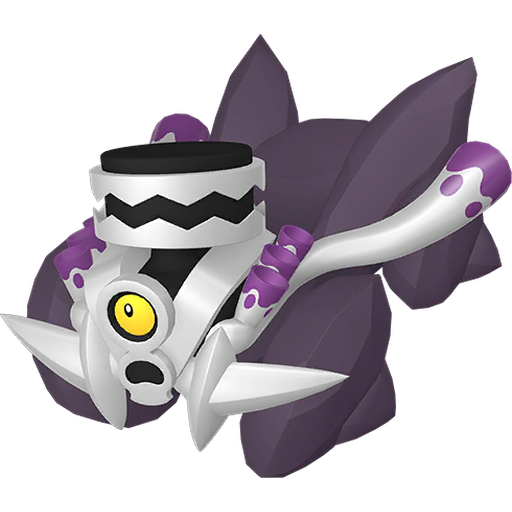
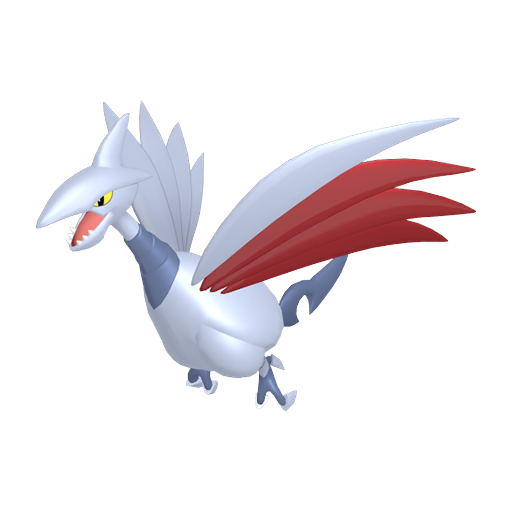
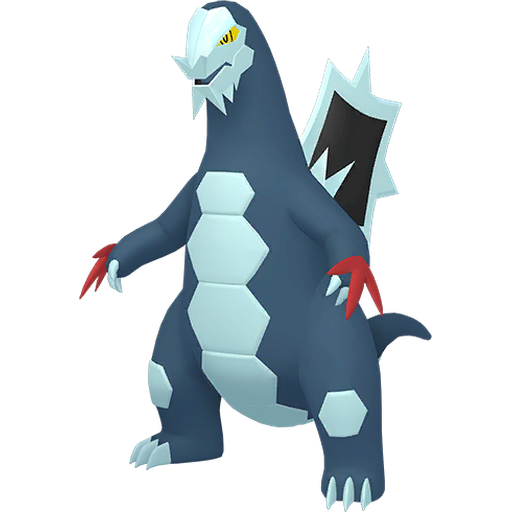
Aggron (30%) and Skarmory (28%) both fall in the slower tier — Iron Head is STAB coverage with an occasional flinch rather than a flinch strategy.
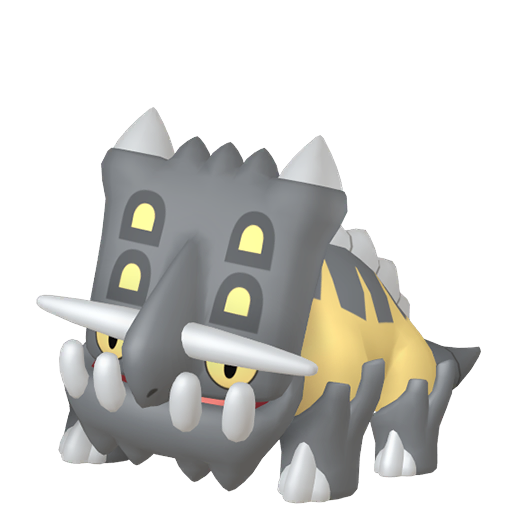
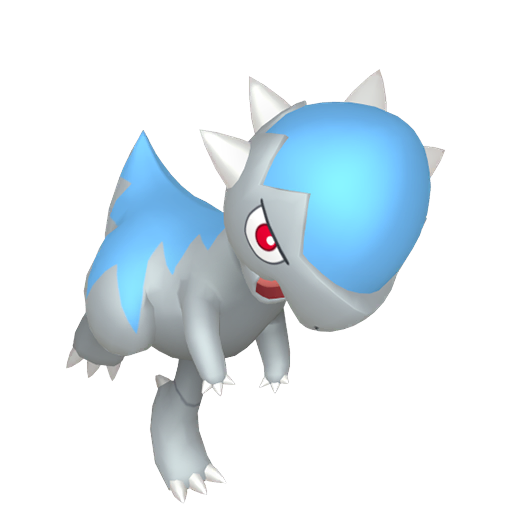
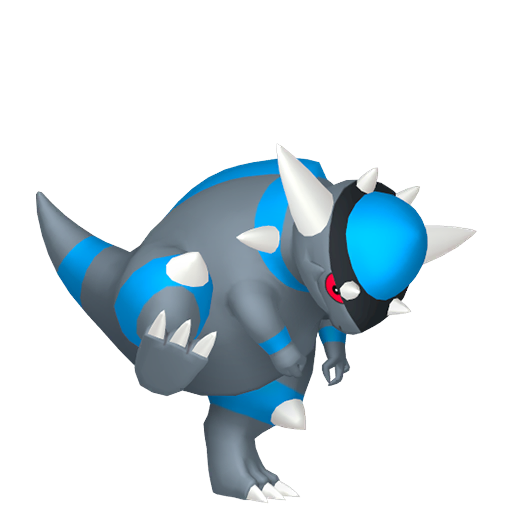
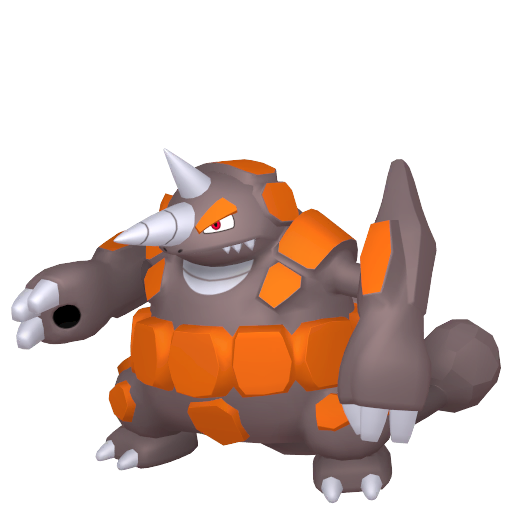
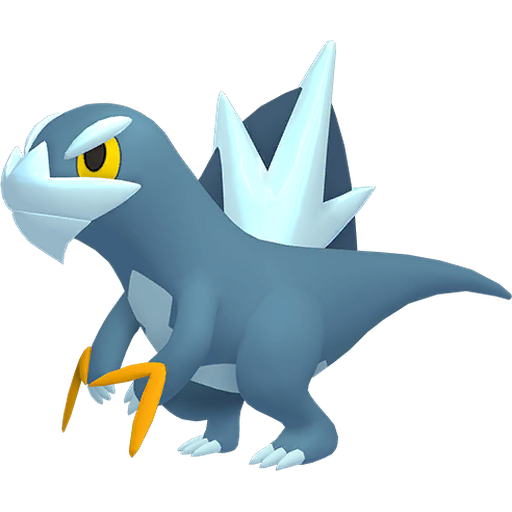
Rampardos (25%) has absurd Attack but poor Speed. Coverage and raw power, not flinch.
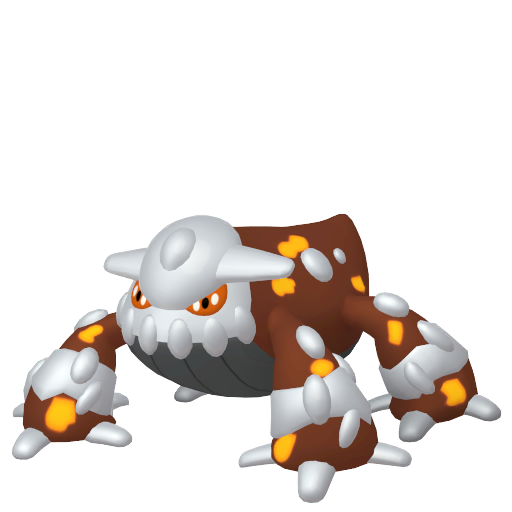
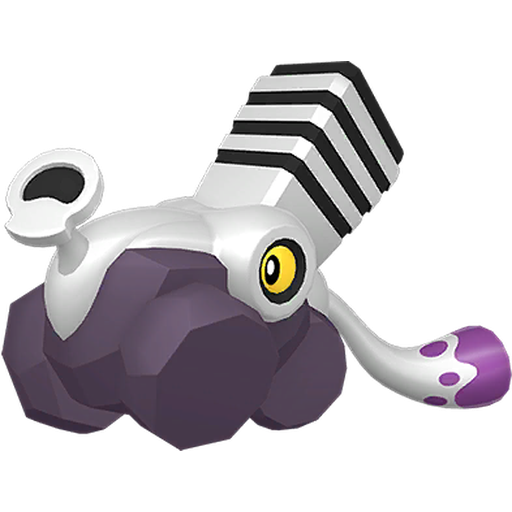
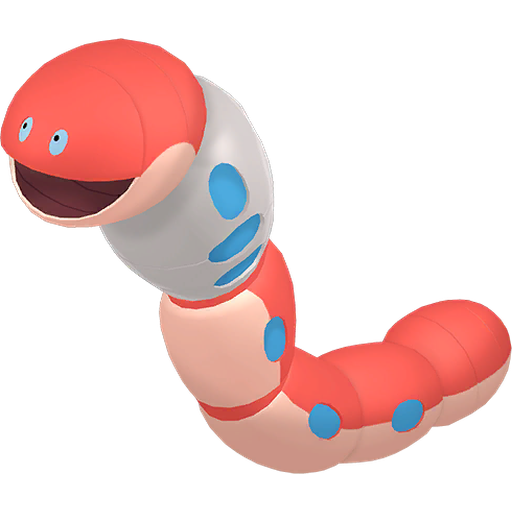
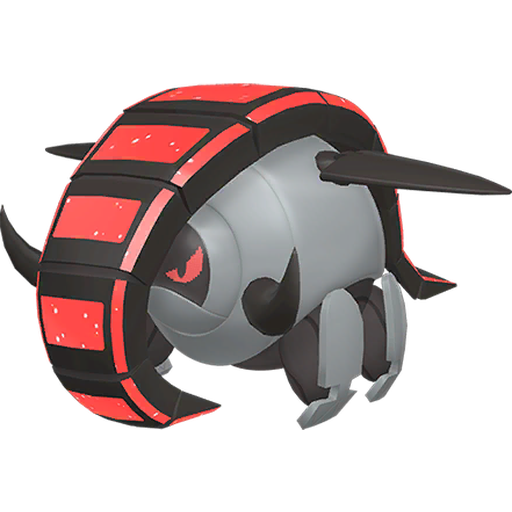
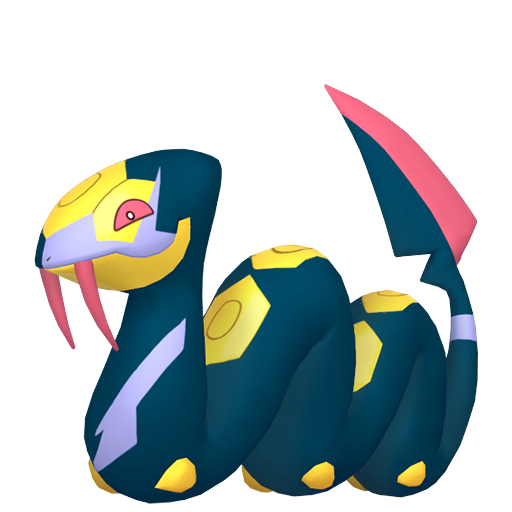
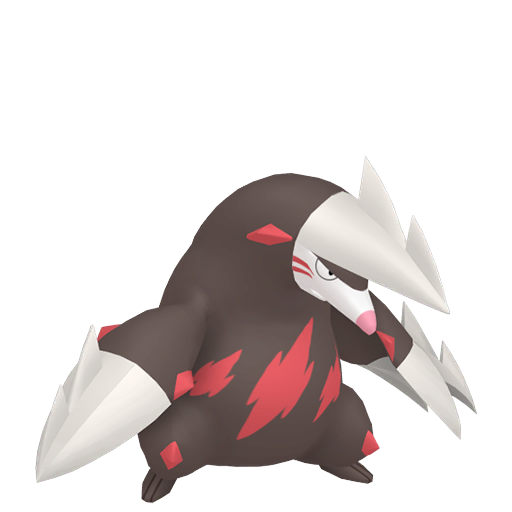
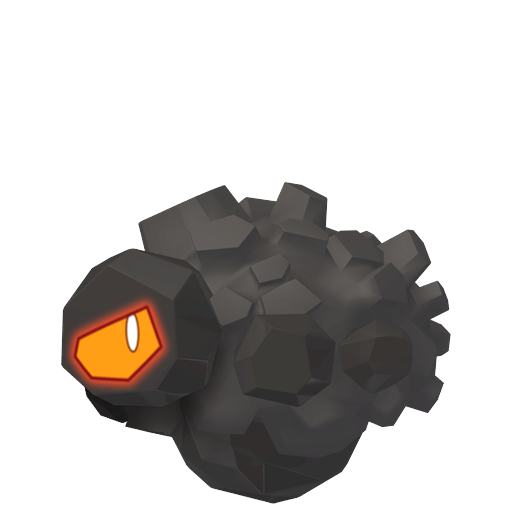
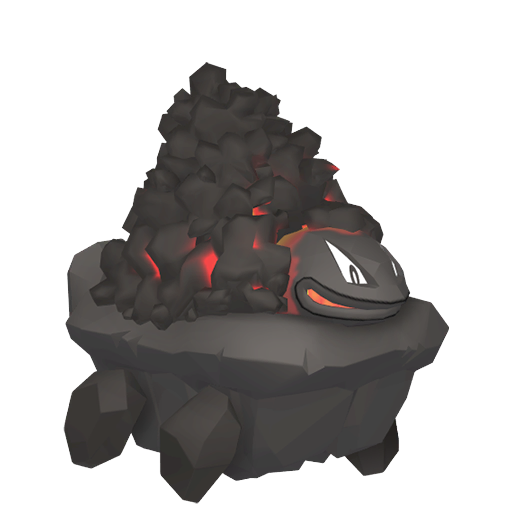
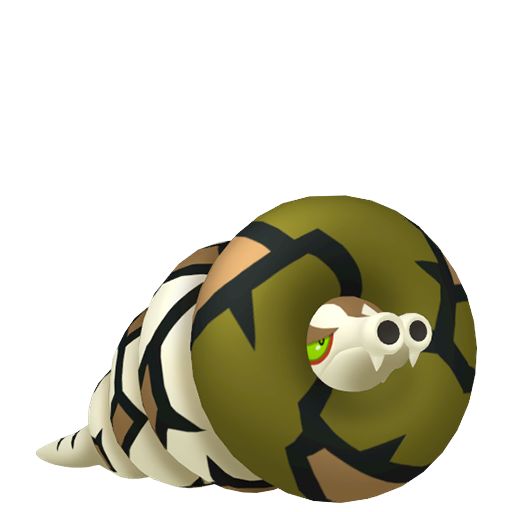
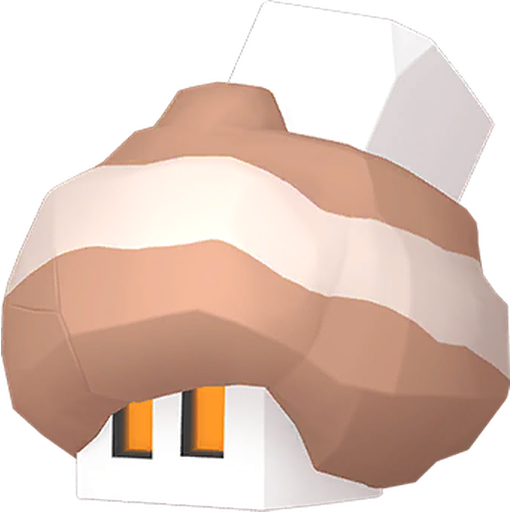
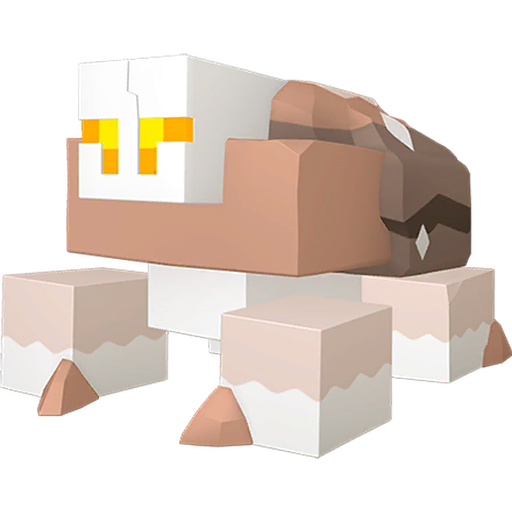
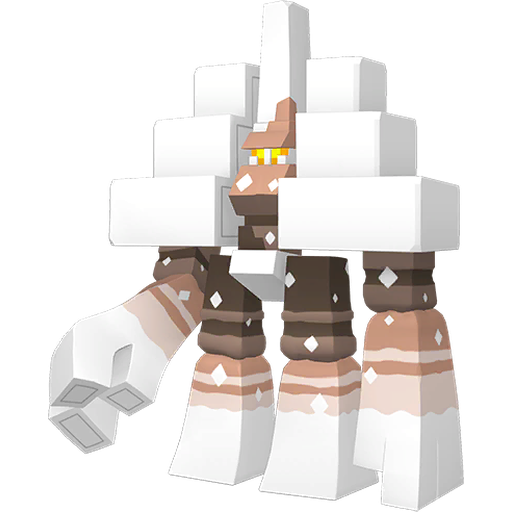
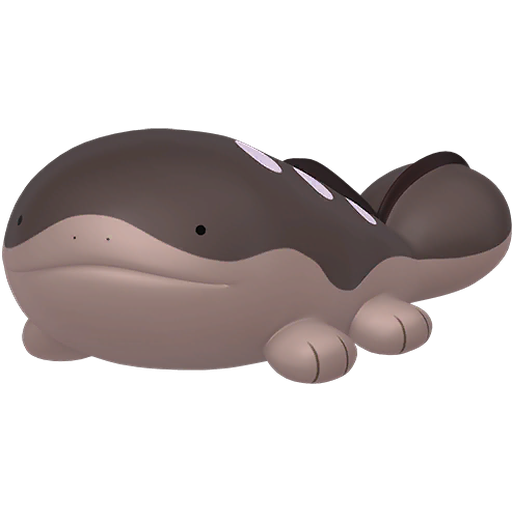
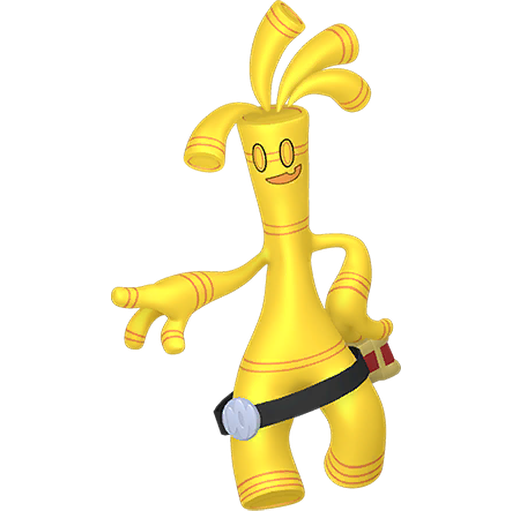
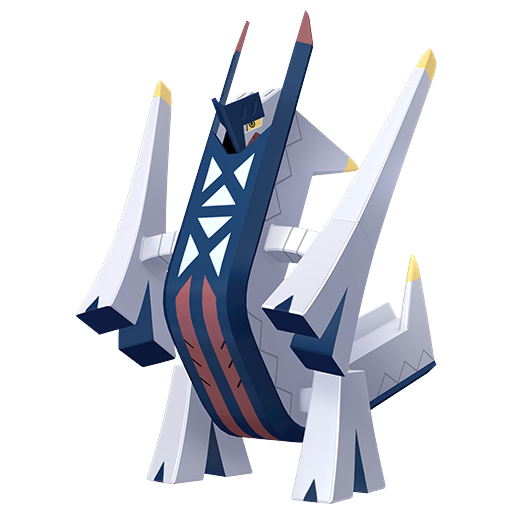
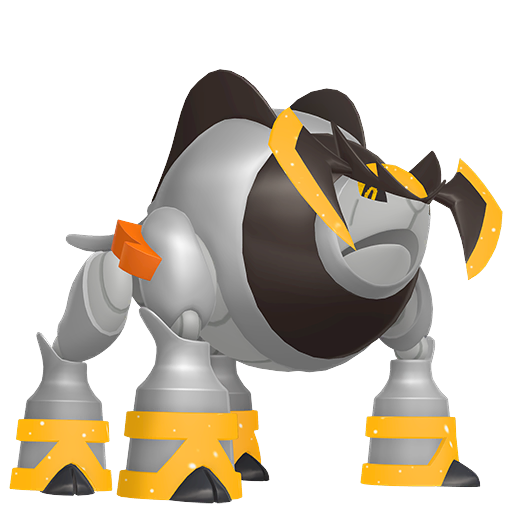
Orthworm (14%) uses it situationally as a Steel STAB delivery method.
How to use it
For fast Steel-types, flinch is your job. Your Pokemon moves before the target, lands Iron Head, and 20% of the time the opponent skips their action. If the opponent's plan this round depended on a specific ordering — say, getting Trick Room up, or landing a move before you attack back — a well-timed flinch breaks the whole turn structure. Don't wait for the right moment; this applies every turn you have the speed advantage.
For slower Steel-types, forget the flinch math and focus on what Steel STAB buys you. The Steel type has a huge number of resistances — Ice, Rock, Dragon, Grass, Fairy, and more all take reduced damage. Running Iron Head as STAB means that when those types attack you, you're tanking a half-damage hit and returning full STAB damage. That exchange rate matters in a longer doubles game.
Remember the 20% figure when comparing to other flinch sources. Standard Air Slash, Headbutt, and similar moves come in at higher rates or on different profiles. Champions adjusted the number specifically, so don't carry over assumptions from standard play.
Tips & strategy
Iron Head is a contact move, which means Rough Skin and Rocky Helmet hit you every time. Against a Garchomp or similar, the recoil can eat into your output advantage. Verify the opponent's setup before committing to repeated physical contact.
Flinch from Iron Head and flinch from Fake Out are not the same tool. Fake Out guarantees flinch on the first turn. Iron Head rolls 20% every time. Don't slot Iron Head as your primary disruption method — it's a damage move that sometimes disrupts. If disruption is the plan, Fake Out is the answer.
If the opponent's lead sits in the Speed gap between your two leads, match up the faster Pokemon with the Iron Head slot. A flinch only does anything if you're moving first — flinch from a slower Pokemon is cosmetic.