
























































































































What it does
Flamethrower is a special Fire-type move, base power 90, 100% accuracy, with a 10% chance to inflict Burn. A burn drains 1/16 max HP per turn and — critically in doubles — cuts the target's physical Attack in half. Land a burn on the opposing physical sweeper, and their damage output is functionally halved for the rest of the time they're on the field.
The reason to pick Flamethrower over Fire Blast is reliability. Fire Blast hits at 110 base power but 85% accuracy. A 15% miss rate on a key turn is a real cost — one missed Fire Blast at a critical moment can swing the game entirely. Flamethrower gives up 20 power to guarantee the hit. In doubles, where precision matters and every action is precious, that trade is almost always correct for special Fire-type attackers.
Flamethrower is a single-target move, so it won't clip your partner in doubles. You can fire it at exactly who you need to hit.
Who runs it
Manectric (43%) has the highest rate in this group. As an Electric-type special attacker, it carries Flamethrower for Steel and Grass coverage — two types that resist Electric or are commonly used as defensive checks. With Intimidate on entry (post-Mega), Manectric suppresses physical threats while Flamethrower handles the Steel and Grass checks that would otherwise wall it.
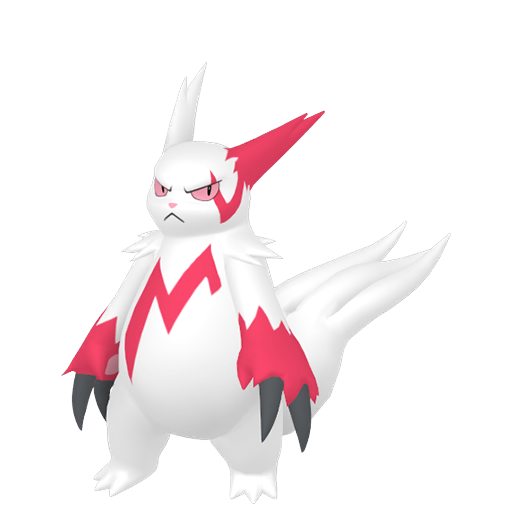
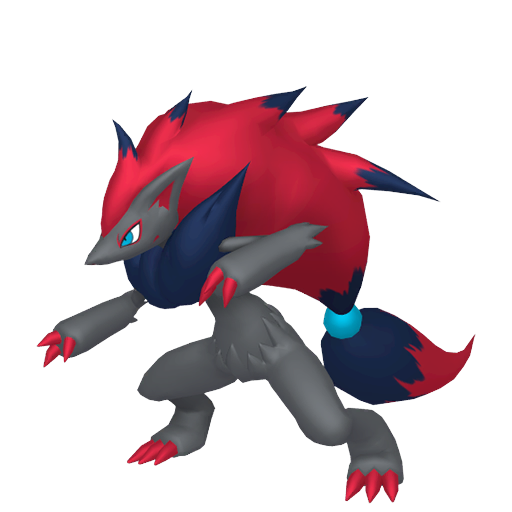
Zoroark (44%) leans on the deception angle — Illusion lets it enter disguised as a teammate, and an unexpected Flamethrower before the opponent identifies it can deal decisive damage they didn't prepare for.
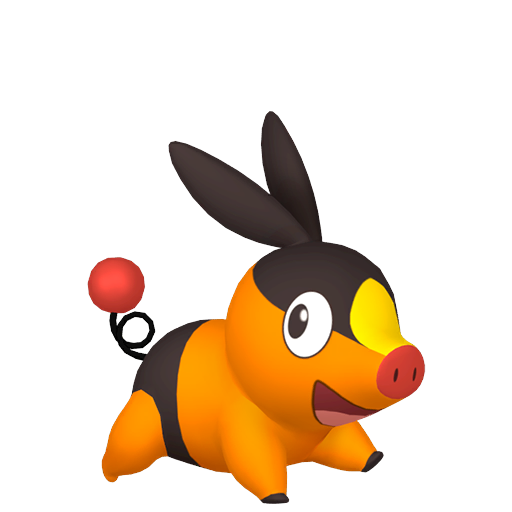
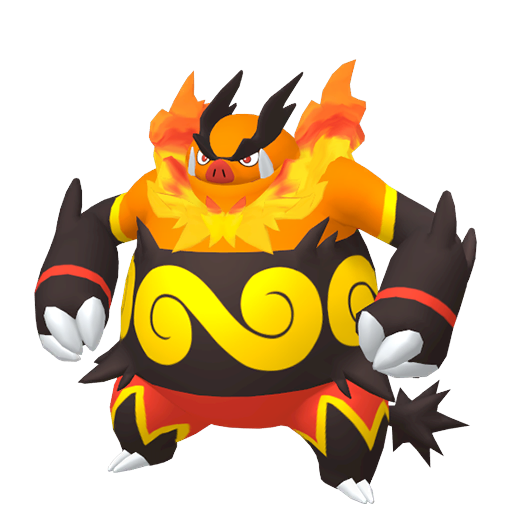
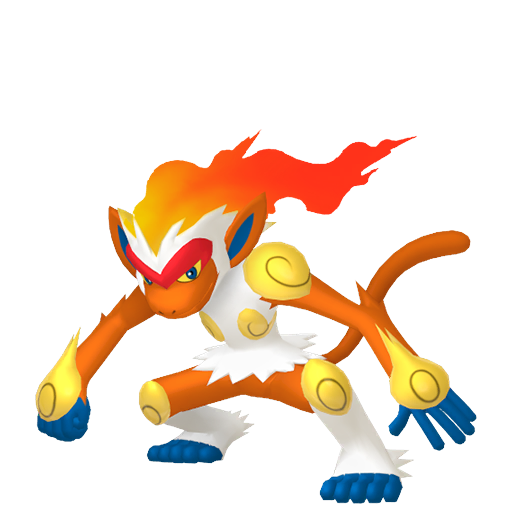
Typhlosion (26%) is a standard Fire-type special attacker. Flamethrower is a primary attack, and the combination of reliable accuracy and its base Sp. Atk gets the job done against the targets it needs to threaten.
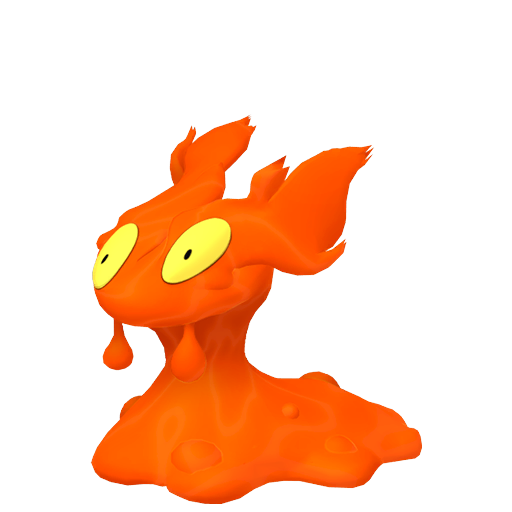
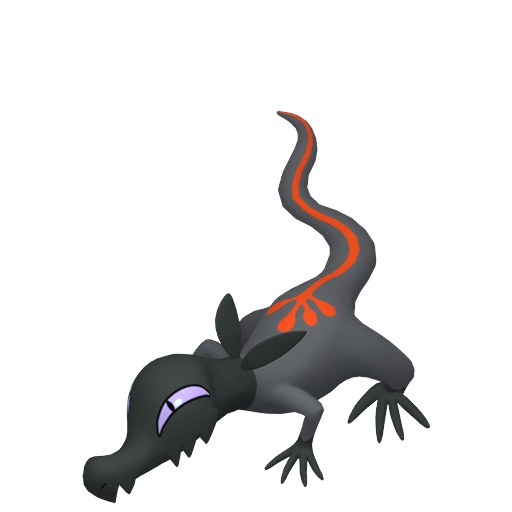
Salazzle (23%) is Fire / Poison. Flamethrower covers Steel and Bug types — both resist Poison, so they would otherwise wall Salazzle's other attacks. It fills the gap Poison-type moves leave.
Drampa (12%) needs type coverage that doesn't miss. Flamethrower handles Steel threats in its coverage set, giving it complete offensive reach against common defensive structures.
Chandelure (5%) pairs Flamethrower with Ghost-type attacks — the two complement each other and cover most relevant matchups between them.
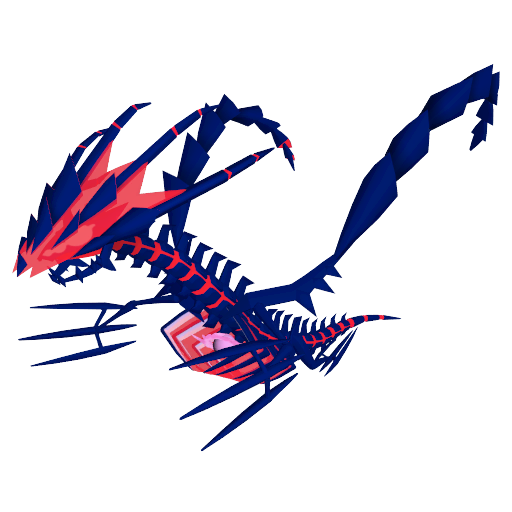
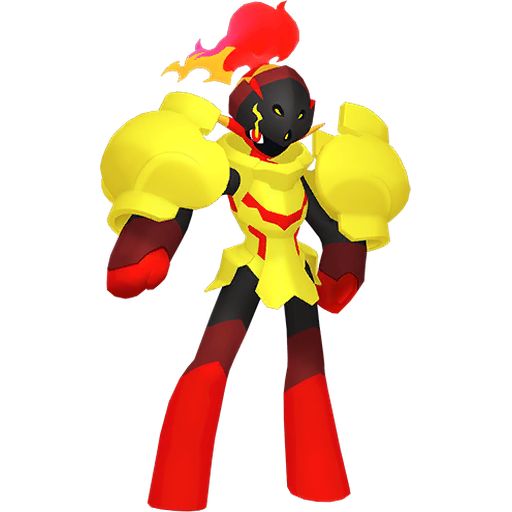
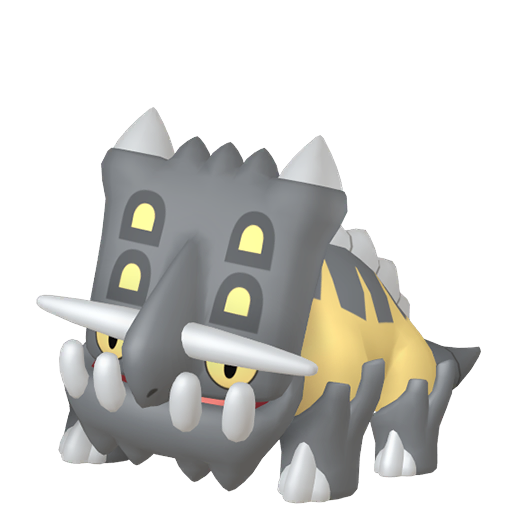
Kommo-o (5%) and Hydreigon (8%) use it for straightforward coverage: Steel and Fairy types are problems for both, and Flamethrower at 100% accuracy is the cleanest answer.
How to use it
The usage decision is straightforward: you need Fire-type damage, and missing is not acceptable. If a miss would cost you a turn or a game state, don't use Fire Blast — use Flamethrower.
In doubles, single-target precision matters. You can Fake Out one target, Flamethrower the other, and have your partner do something else — three actions on the same turn, each landing exactly where you need them. Flamethrower doesn't risk the partner slot, which keeps your plays clean.
The 10% burn shouldn't be dismissed. In slower-paced games or when you already have a field advantage, a burn on the opposing physical sweeper cuts their Attack in half and effectively removes them as a full threat. Over a full tournament set, the expected value of those burn procs is real. You won't count on it, but you'll be glad when it lands.
Tips & strategy
Flamethrower versus Fire Blast is the core trade. If your Pokémon is fast and primarily moves first, Flamethrower's guaranteed hit is the default. If your Pokémon is slow, under pressure, or your team specifically needs a higher-damage nuke in one specific turn, Fire Blast enters the conversation. For most competitive use cases, reliable accuracy wins — Flamethrower is the standard.
Item interaction is worth noting. Choice Specs locks you into one move but raises Sp. Atk by 1.5x — works well on fast Pokémon that don't need to switch moves. Life Orb gives a steady 1.3x boost with no move lock, at the cost of HP drain per turn — more flexible. Flamethrower on an Assault Vest user is a different use case entirely: the move provides type coverage rather than being the primary damage source.