























































































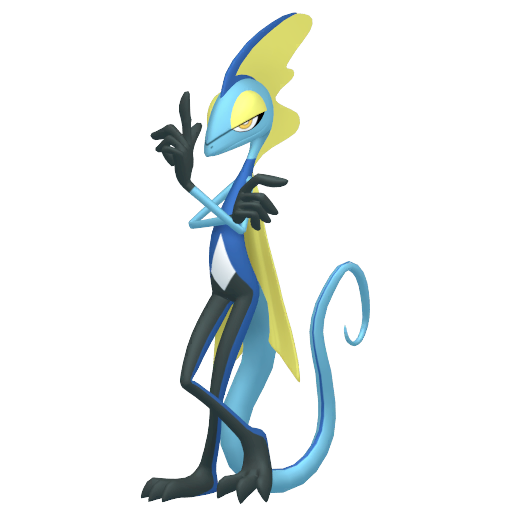
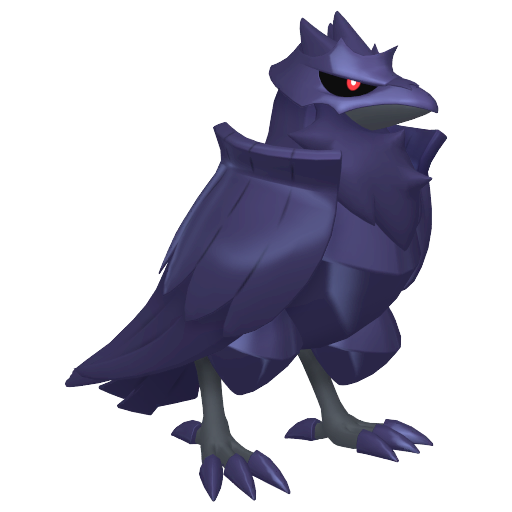


































What it does
Reflect sets a barrier on your side of the field lasting 5 turns (8 with Light Clay). In singles, physical damage is multiplied by ×0.5. In doubles, the exact fraction is 2732/4096 — call it ×0.667.
The numbers that matter: Say a hard-hitting physical attacker is projecting 70% damage into your Garchomp. Behind Reflect in singles, that drops to 35% — a two-shot becomes a three-shot minimum. In doubles the reduction is softer (70% → ~47%), but it applies to both slots simultaneously. You spent one action and bought protection for two Pokémon at once. That is why dual screens are more central to doubles team-building than to singles: the per-turn value of that one action literally doubles.
The three counters to know: Critical hits ignore the screen entirely — full damage goes through no matter what. Brick Break and Psychic Fangs demolish Reflect and Light Screen simultaneously before dealing their damage (you lose both screens in one hit). Defog also clears field effects. Memorize all three before you commit a slot to screens.
Who runs it
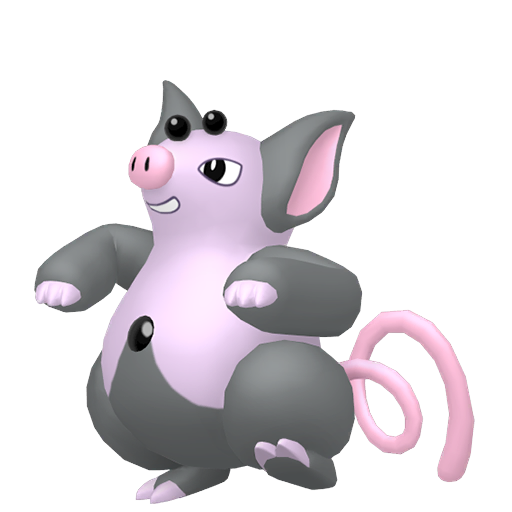
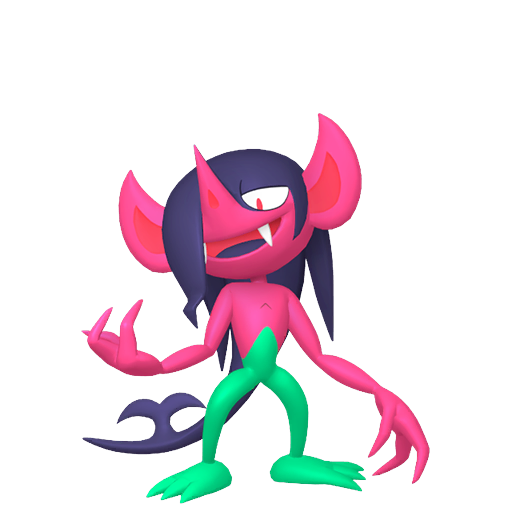
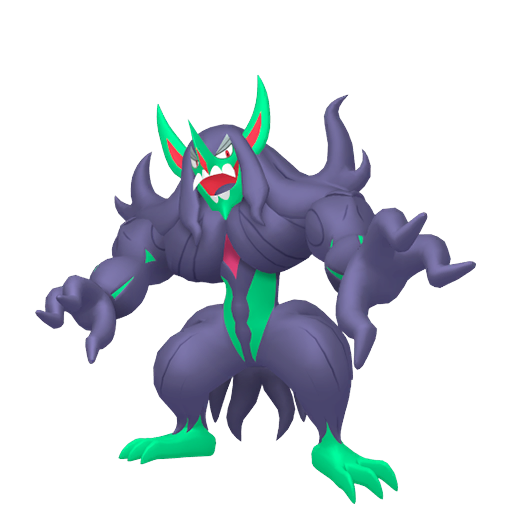
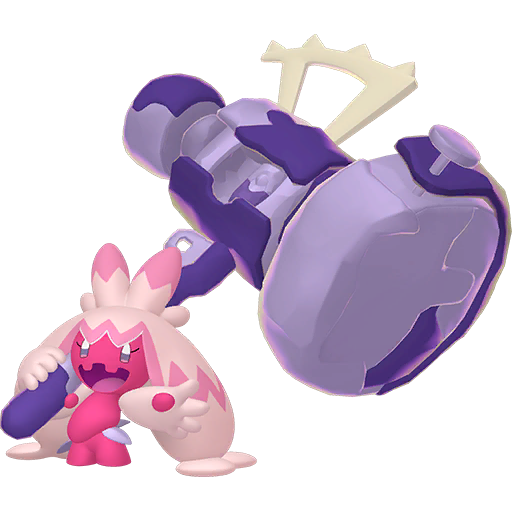
Grimmsnarl is the defining doubles screen setter. Prankster grants +1 priority to status moves, so Reflect goes up before any normal-speed attacker can act — no speed investment needed. Pair it with Incineroar's Fake Out and you get screens up turn one with essentially zero risk: one target flinches, Grimmsnarl sets the wall uncontested. The one blind spot: Dark-type opponents are immune to Prankster's priority boost, so they can still move first into Grimmsnarl.
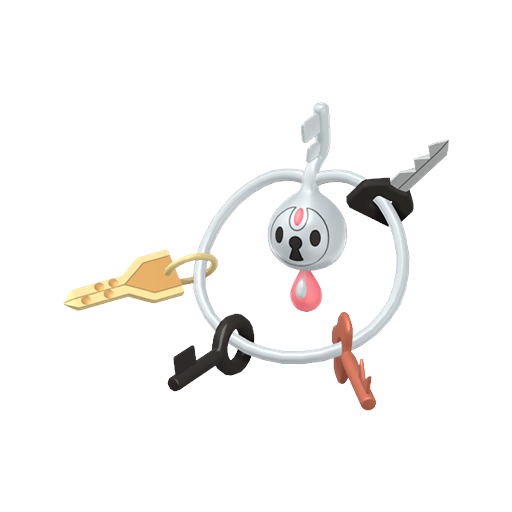
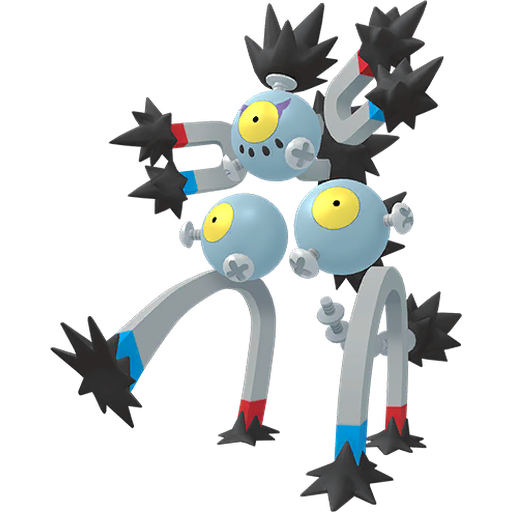
Klefki covers the Dark-type gap. Steel typing makes it immune to Poison and neutral to most Dark moves, and it has Prankster too. After screens go up, Thunder Wave or Spikes keep it useful rather than just sitting there. The choice between Klefki and Grimmsnarl comes down to which secondary typing your team needs more.
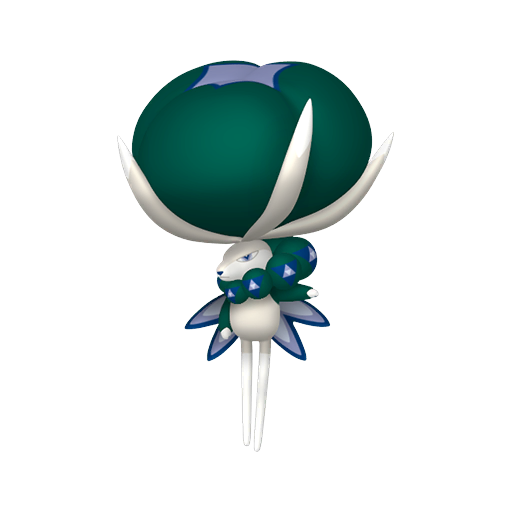
Cresselia is the go-to singles screen setter. Enormous HP and Special Defense let it tank a hit while setting up — it often pairs Reflect + Light Screen on the same set, then sticks around with Moonlight recovery and Thunder Wave or Trick Room support. The key is that Cresselia doesn't just set screens and die; it stays, multiplying the value of its presence across the match.
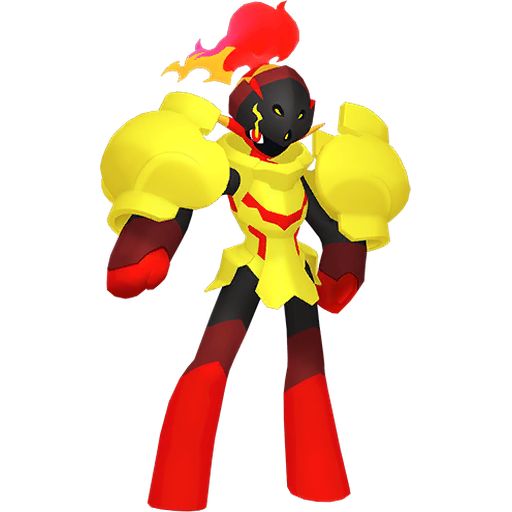
Incineroar doesn't typically run Reflect itself but is the most common partner for a screen setter. Its Fake Out buys the free turn that lets Grimmsnarl set screens safely. Think of them as a package — one flinches, one builds the wall.
Fast pivot setters: Speedy support Pokémon like Tornadus can fit Reflect alongside Tailwind, using the screen to stabilize the early turns before the speed boost takes over. Slot-intensive, but effective when the team concept supports it.
Light Clay is near-mandatory. Extending from 5 to 8 turns means your sweeper gets three extra turns under protection — against a team without screen-breaking moves, that is often the entire endgame.
How to use it
Lead turn — the standard play: In doubles, the opening looks like this: Incineroar uses Fake Out on the more dangerous target, Grimmsnarl sets Reflect with Prankster priority. Zero damage taken, screen is up. Turn two either adds Light Screen or pivots immediately to the win condition — don't leave the setter on the field eating damage while the screen timer ticks down.
The switch window — singles mastery: When the opponent switches, that turn deals no damage. If you predict the switch and use Reflect in response, the screen is already active when their new physical attacker lands. You effectively negated one of their attacks before they ever threw it. This timing advantage separates players who set screens reactively from those who set them proactively.
The decision tree: Before committing to Reflect, ask what physical threats you're actually facing. If the answer is "none right now" — their lead is a special attacker, or their physical mons are already in the back with low health — skip the screen and do something productive instead. This is where the biggest mistakes happen (see below).
Turn-counter discipline: With Light Clay, your 8-turn window in doubles should look like: turns 1–2 for screens and pivoting in the sweeper, turns 3–5 for setup and early pressure, turns 6–8 for closing out. After turn 6, evaluate whether re-setting screens is worth a turn or whether the remaining time is enough. In singles the timer runs slower but opponents will sometimes stall deliberately — waiting for screens to expire before attacking hard. Track the count out loud in your head.
Singles vs doubles, restated: Singles screens protect one Pokémon at a time — the value is vertical. Doubles screens protect both field slots — the value is horizontal and vertical. That arithmetic difference is why dual screens define a category of doubles team-building but occupy a more supporting role in singles.
Tips & strategy
Common mistake autopsy: The most common beginner error with Reflect is setting it mechanically on turn one regardless of the opponent's composition. If their team is special-attack-heavy — setup sweepers with Draco Meteor, special Fairy-types, whatever — Reflect is a wasted action. The opponent's attacker stands on the field for free while you burn the turn. The fix: during Team Preview, count the physical vs special threats. If physical pressure is genuinely present, screen away. If not, use that turn for Light Screen, a pivot, or an attack.
Critical hits undermine the safety net: Reflect provides zero protection against critical hits. If the opponent has Scope Lens, high-crit moves, or Super Luck, the screen's defensive guarantee is hollow against those specific attacks. Don't leave a low-HP teammate behind the screen assuming they're safe — they aren't if a crit is plausible.
Brick Break as a double punishment: A physical attacker carrying Brick Break both breaks your Reflect (and Light Screen) and deals Fighting-type damage in the same action. If you have Pokémon weak to Fighting on the field when the screen breaks, you may lose the team member and the screen simultaneously. Identify Brick Break users at Team Preview and plan around them before committing to screens.
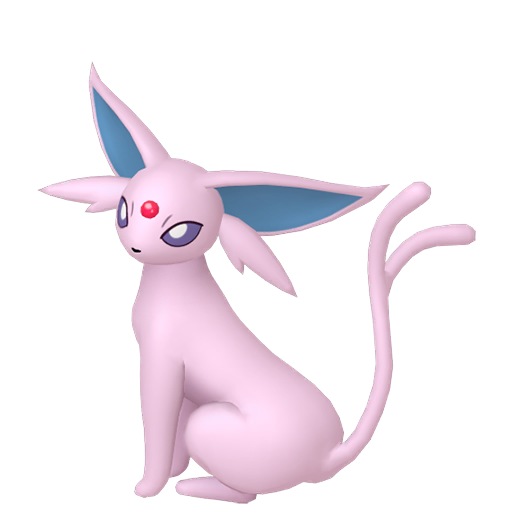
Magic Bounce reversal: Setting Reflect into Espeon or Hatterene bounces the screen back — it lands on the opponent's side instead. You spent the turn, they got the protection. Confirm no Magic Bounce Pokémon is in the active field position before setting any screen.
Court Change reversal: Rare, but brutal. If the opponent uses Court Change, your Reflect transfers to their side for the remaining turns. Any attacker carrying it can punish a screen-centric strategy by flipping your wall into their shield. If you know it's in the opponent's team, prioritize ending the match before the screen clock runs deep.