









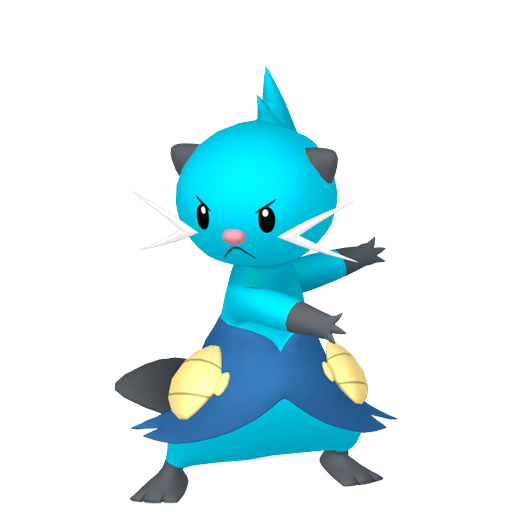























































































What it does
Encore forces the target to repeat the last move they used for the next 4–8 turns. The effect ends early if the locked move's PP hits zero — at that point the target is forced into Struggle. Encore fails outright if the target hasn't moved yet this battle, failed to move this turn, or if their last move was Encore, Mimic, Mirror Move, Sketch, Struggle, or Transform.
The core value is turn arbitrage. Consider the worked numbers: the opponent uses Protect once, you Encore and lock them for 5 turns — that's 4 turns the opponent forfeits entirely, 4 free actions for your side. Or picture this: the opponent has a Speed stat of 100 and sets Tailwind on turn 1. Whimsicott uses Prankster Encore before they can act again — Tailwind lasts 4 turns, repeating it doesn't extend the timer, so the setter now burns all 4 turns re-casting a move that does nothing. Your team gets 2–3 free attacks inside that window. If the locked move is a field condition like Trick Room, repeating it actively collapses the effect the setter just built — they end up tearing down their own strategy.
Locking a damage move into a typing that doesn't threaten you also enables free pivots: bring in the resist, take a hit for zero effective pressure, and respond at no cost.
Who runs it
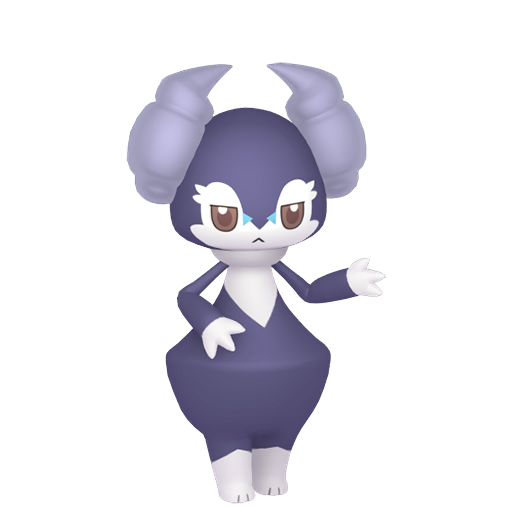
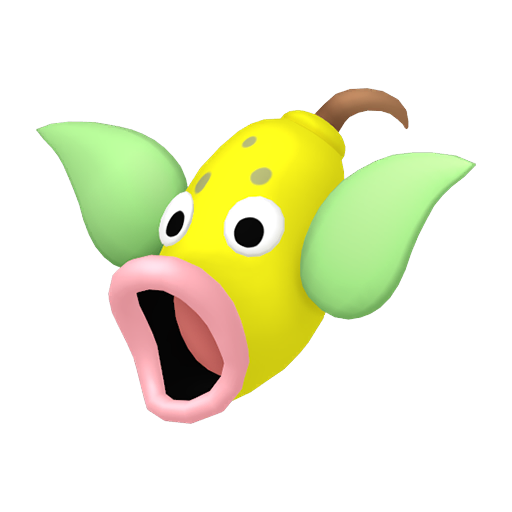
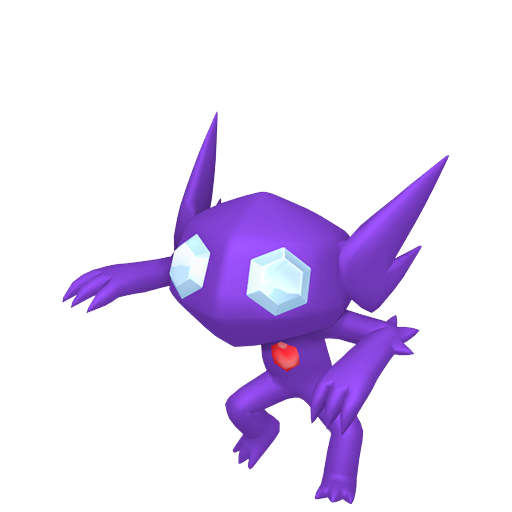
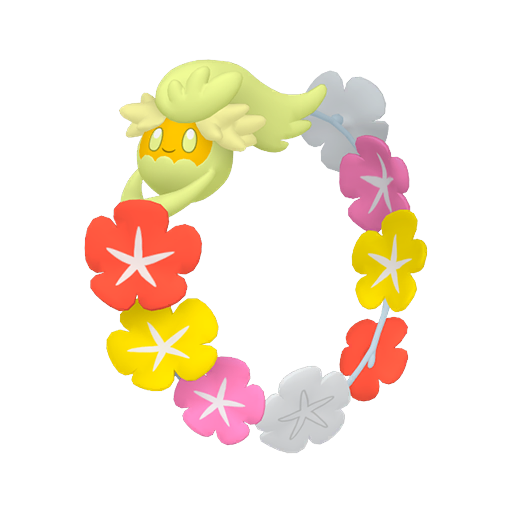
Prankster users are the definitive home. Whimsicott runs Encore at roughly 77% — the highest in the format. Prankster pushes Encore to +1 priority, so it fires before the opponent can switch or act, regardless of Speed. Whimsicott's 116 base Speed is almost irrelevant at that point; even fast opponents get locked before they can react. Liepard and Sableye work the same way and stack it with Fake Out: one mon Fake Outs a threat, the Prankster user Encores the other — both opponents lose their action in a single turn, one of the most efficient opening sequences in doubles.
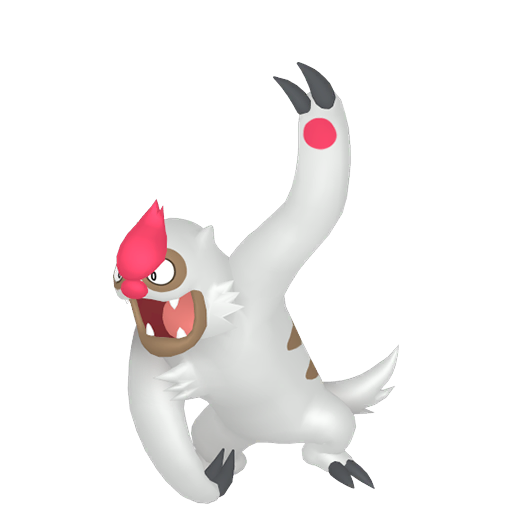
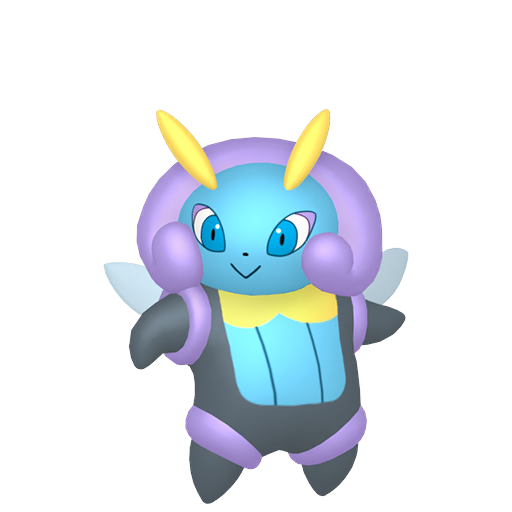
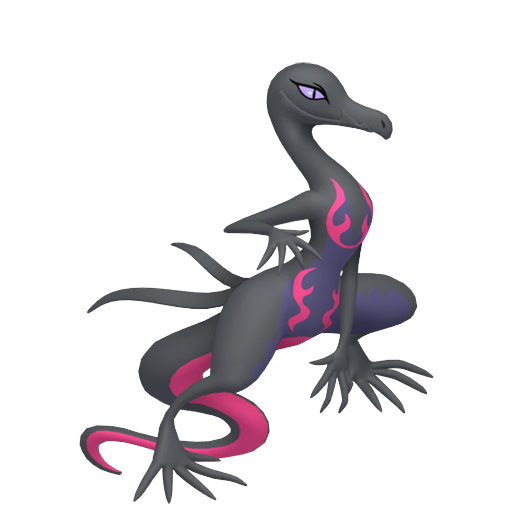
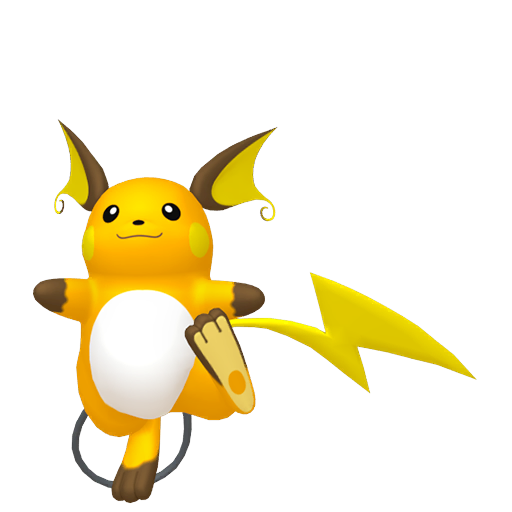
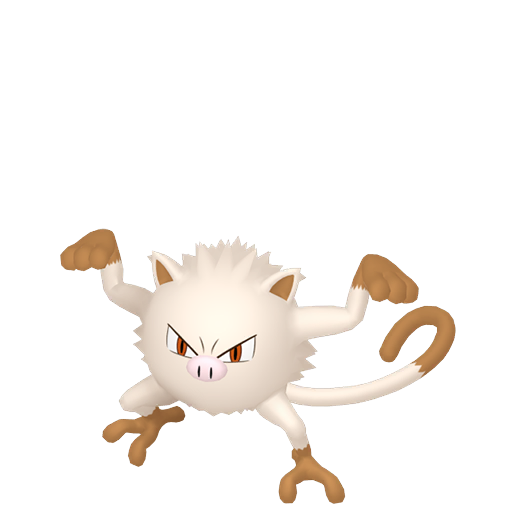
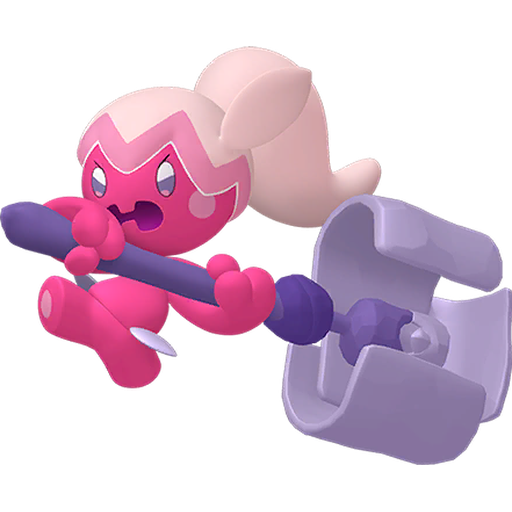
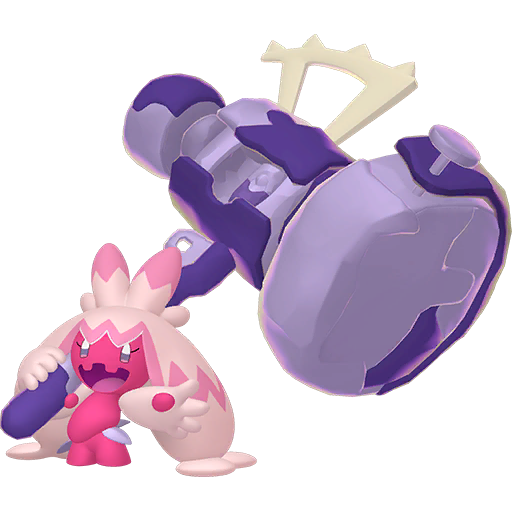
Fast disruptors without Prankster. Tinkaton (~51%) beats many targets on raw Speed and runs Encore alongside Fake Out as a doubles harassment package. Raichu and Salazzle run a similar Fake Out + Encore pattern, designed primarily to shut down opposing setup turns before they complete.
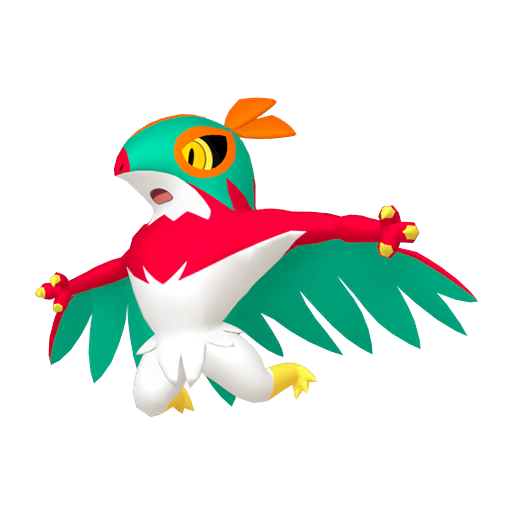
Singles usage. Hawlucha (~42%) uses Encore to trap an opponent into a bad move, then either pivots in a check or triggers Unburden — losing a held item doubles Hawlucha's Speed from a base of 100, meaning an Unburden Hawlucha can reach effective Speed around 200 after activation, outrunning virtually everything unboosted. Politoed runs Encore specifically to nail opposing weather setters and prevent rain from being overwritten turn after turn.
How to use it
The core doubles sequence. Turn 1: one mon uses Fake Out on the primary threat, the Encore user targets the partner — both opponents are neutralized simultaneously. Turn 2: the Encored target is stuck in a useless move; focus fire on whichever of the two is more dangerous. Be especially alert to setup moves. When the opponent successfully sets Tailwind, Sunny Day, or Trick Room, immediately follow with Encore — repeating a field-effect move doesn't extend it, the setter is now spending every turn spinning wheels. Against Trick Room teams this is particularly brutal because the setter ends up draining the remaining Trick Room turns themselves.
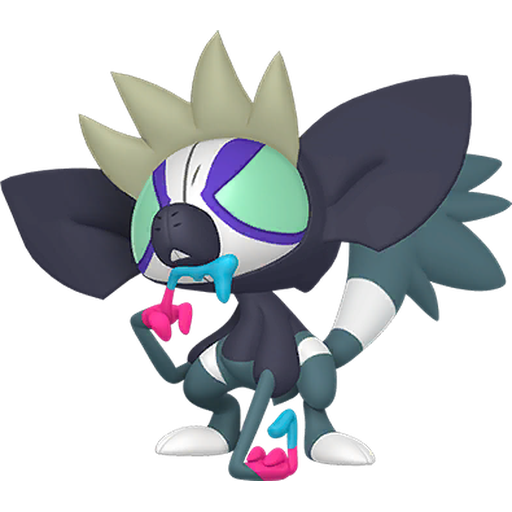
The Prankster trap. Prankster Encore has +1 priority but is completely blocked by Dark-type Pokémon. When Incineroar or Grimmsnarl is on the opposing side, Prankster Encore hits a wall — have a fallback plan, whether that's a secondary Encore user who relies on Speed or a different mode of disruption entirely.
Singles pivot pattern. The opponent switches in and uses a move that doesn't threaten you — a weak attack, a setup move, or something you're immune to. Encore it. Next turn, if they don't switch, they repeat the useless move while you bring in your counter for free. With only 5 PP total, don't burn Encore on ambiguous reads — hold it for the highest-value lock.
Target randomization in doubles. If the locked move can select targets, it picks a random opponent each turn. This can cause the Encored mon to accidentally hit its own partner. In the right board state, you can exploit this without doing anything extra — let the Encored mon attack into its own teammate.
Tips & strategy
Reading Protect is the safest Encore opportunity. High-level doubles involves constant Protecting under pressure — it's a reflex. Develop the feel for when the opponent is about to Protect, then Encore the moment they do it. Even if you guess wrong occasionally, you've only spent one PP; when you're right, you pocket multiple free turns. The expected value on this read is strongly positive.
Common mistake autopsy — using Encore too early. Beginners see an opponent move and immediately want to lock it. The problem: if the locked move isn't actually threatening you (a neutral attack, a field effect that's already done its job, or a move your team ignores), Encore just burns PP and an action slot for no gain. The correct rhythm is to wait for the opponent to make a committed move — a setup action, a pivot into a bad matchup, a move you're immune to. The later you use Encore, the more precisely targeted it is, and the more each PP is worth.
Encore into Disable — Sableye's signature loop. After Encore expires and the opponent regains move selection, the first instinct is to return to the move they were locked on. Sableye follows up with Disable, which removes that exact move. The opponent has now been denied their preferred option for two consecutive stretches of time, hemorrhaging both turns and options. This two-step disruption sequence is the primary reason Sableye earns a slot despite having modest offensive numbers.
Counters. Mental Herb removes Encore immediately — any support Pokémon you plan to Encore might be carrying one, so scout before committing. Choice Scarf, Choice Band, and Choice Specs holders are already locked to one move, so Encore has zero additional effect on them — they are dead targets. Switching out clears Encore instantly; teams with U-turn, Volt Switch, or similar pivot moves have a natural structural resistance to Encore. If the opponent can walk out at any time without cost, the lock loses almost all its value.
Champions Stat Points note. Under the 66-point cap, support Pokémon like Whimsicott, Sableye, and Liepard funnel nearly all points into bulk or Speed — their damage output after throwing Encore is negligible. Encore opens a window; the attacking Pokémon next to them has to be the one that climbs through it. If your adjacent damage dealer can't capitalize, the Encore turn is just a tempo stall, not a win condition.