



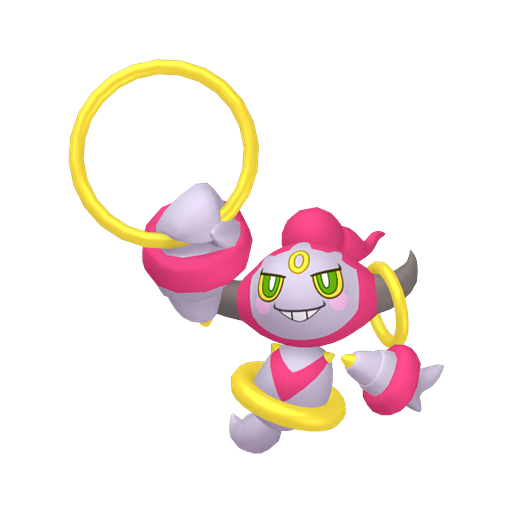
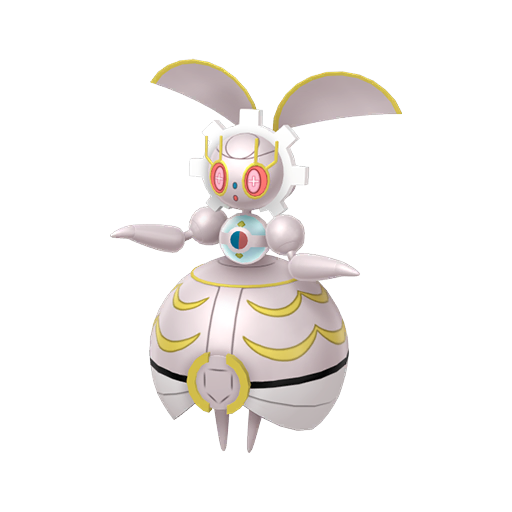

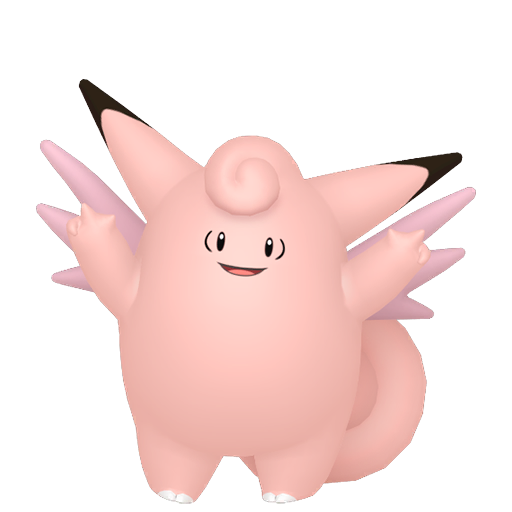

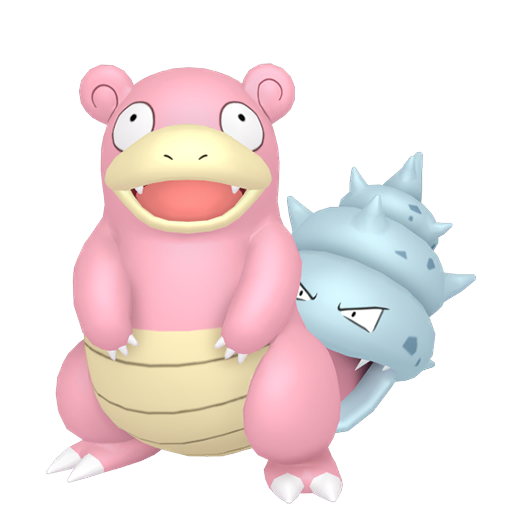











































































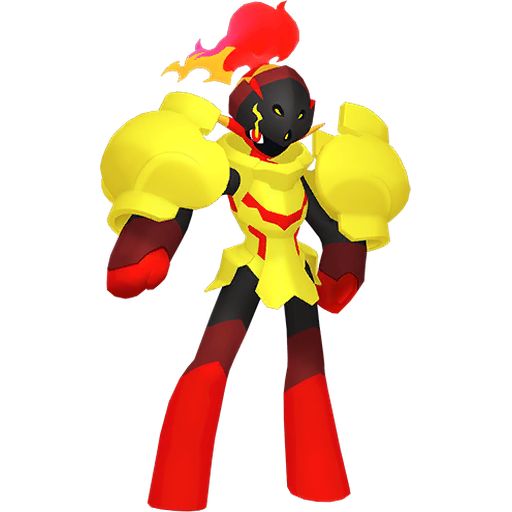








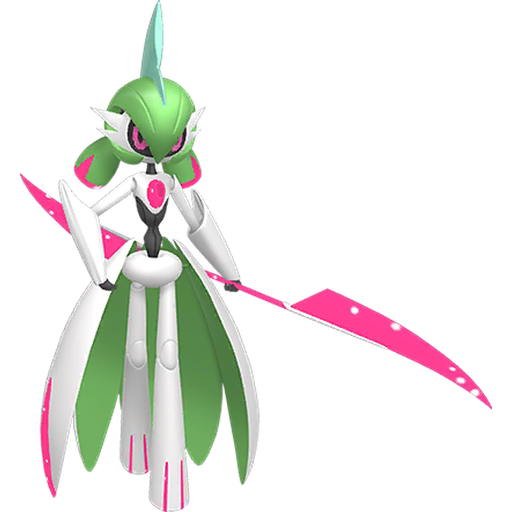
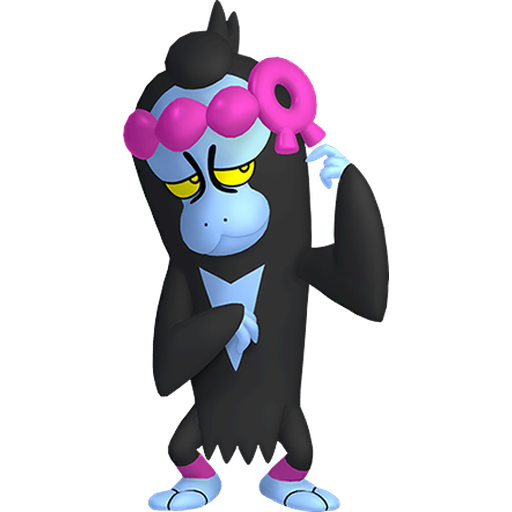
What it does
Trick permanently swaps held items between the user and the target. One side can be completely empty — even if the opponent holds nothing, they are forced to receive your item.
The competitive core is the Choice lock. Choice Scarf, Choice Band, and Choice Specs restrict the holder to whichever move it used most recently until it switches out. Hand one of these to a support or setter Pokémon and it goes from a flexible threat to a liability.
Worked numbers: Choice Scarf multiplies Speed by ×1.5. A Pokémon with base 100 Speed, no Stat Points invested, hits roughly 167 at Lv50 — the Scarf pushes that to 250, enough to outrun everything in the 165–249 Speed range before their own boosts. When you Trick that Scarf onto the opponent's support Pokémon, that Speed jump is worthless to them; all it does is lock them into a single move while the Speed advantage means nothing for a Pokémon designed to support, not attack.
Choice Band and Choice Specs deal the same lock but without the Speed jump — slapping a ×1.5 Attack multiplier on a support Pokémon is nearly meaningless, so the lock is a pure downside on their end.
Champions note: Mega Evolution stones are managed through Omni Ring and cannot be transferred by Trick. Pokémon with Sticky Hold are completely immune.
Who runs it
Fast Choice Scarf attackers are the canonical users, built around the principle of extracting full value from the item before passing it off.
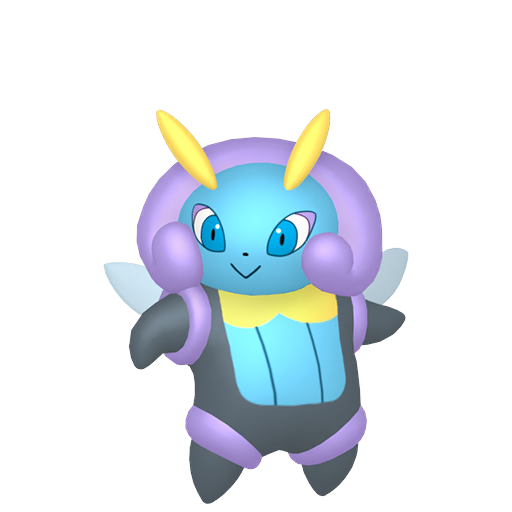
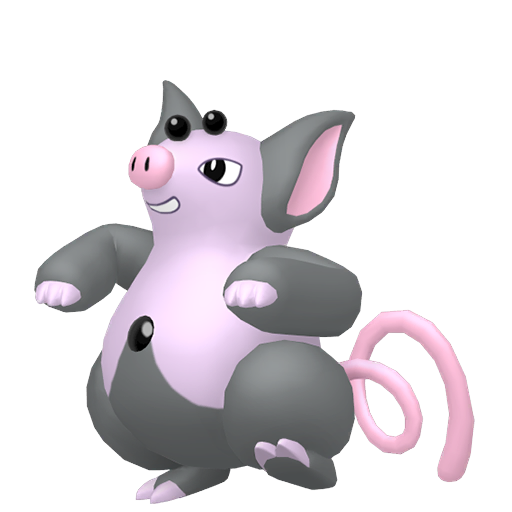
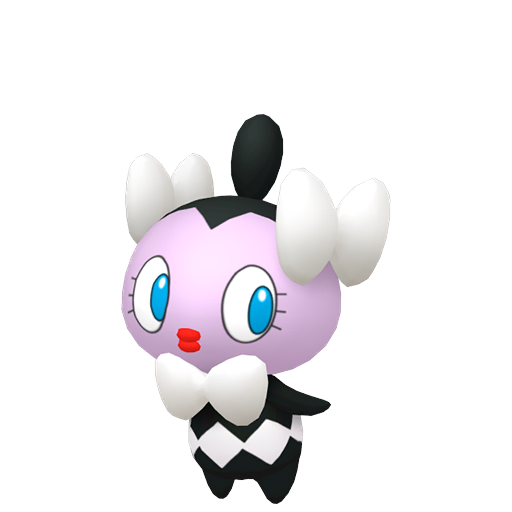
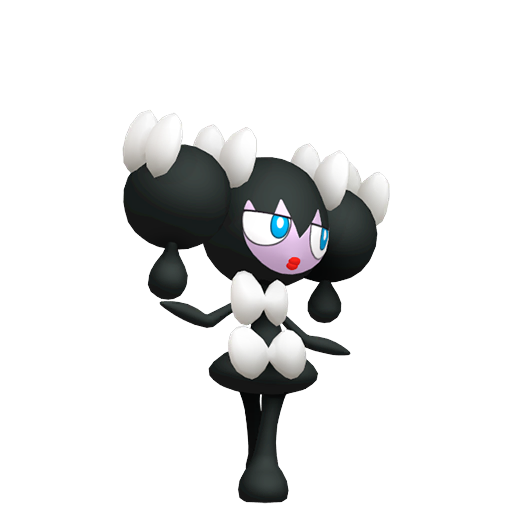
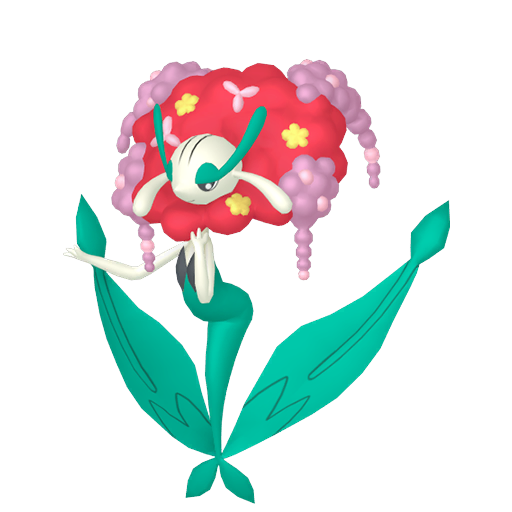
Floette pairs Choice Scarf with Trick to devastating effect. Its Speed jumps enough to outpace a wide swath of unboosted threats, Light of Ruin punches hard, and once it has done damage, Trick hands the used-up Scarf to the opponent's Incineroar or Farigiraf. Now their support core is locked to a single move — Fake Out, Parting Shot, or Trick Room — and you can predict their only option every turn.
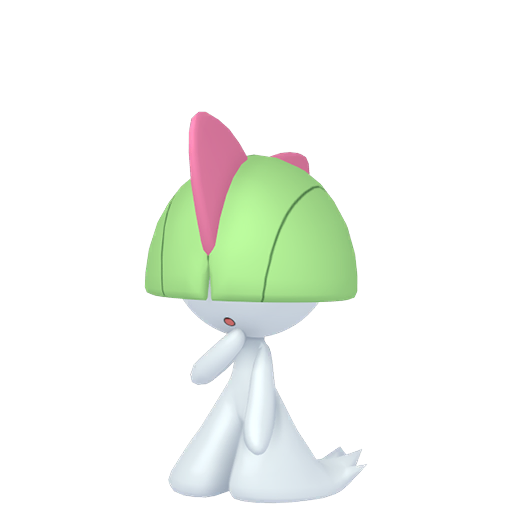
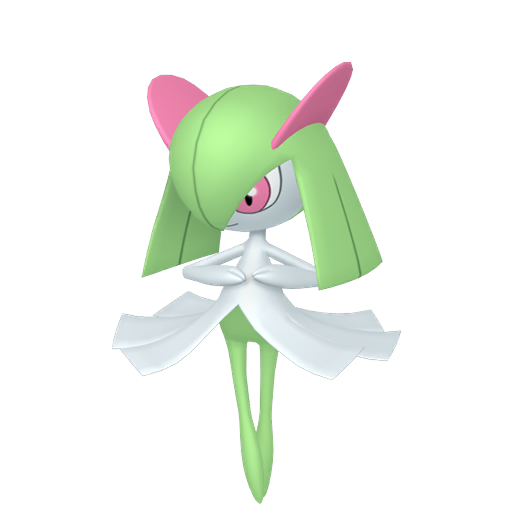
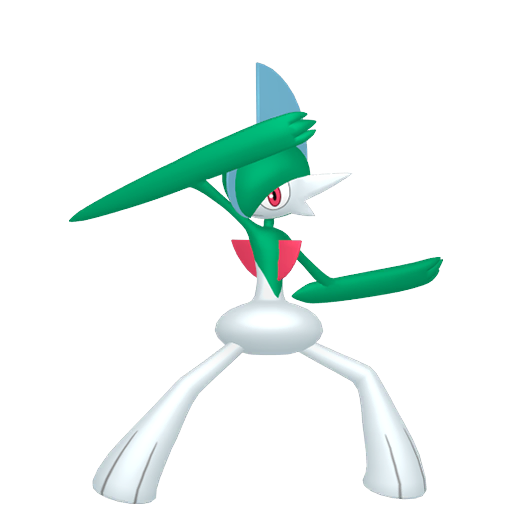
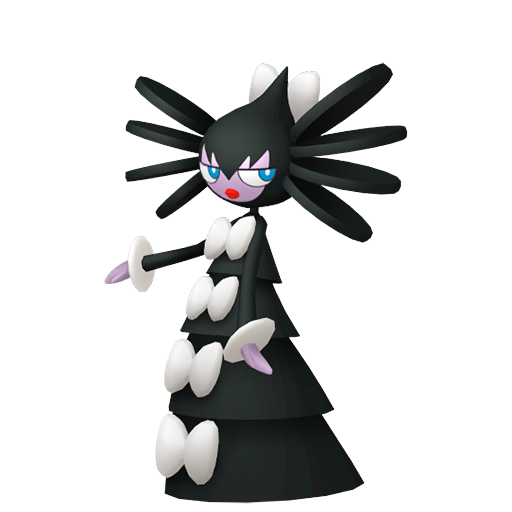
Gardevoir follows the same script at high Choice Scarf usage rates. It functions as speed control plus raw power, with Trick as the endgame closer: once it has dealt its damage and the item is no longer needed, it locks down whatever support Pokémon is propping up the opponent's win condition.
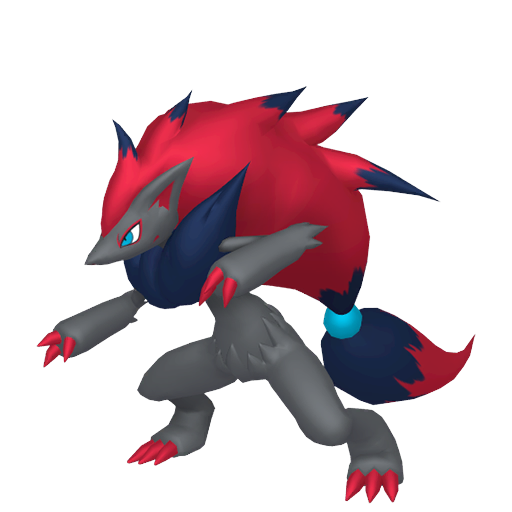
Zoroark is the deceptive variant. Illusion disguises it as a different teammate, and the item display changes with the disguise. The opponent often doesn't realize Trick is incoming until the swap has already happened — and then they're uncertain both about who just hit them and what item they actually received.
Setup breakers: any Pokémon fast enough to get Trick off before the opponent's setter executes Trick Room or Tailwind fits this role. Stripping Mental Herb preemptively removes the setter's Taunt immunity and leaves it exposed.
How to use it
Singles: Trick shines here because switching does not remove the Choice lock. If the locked Pokémon switches out and returns, it is still bound to the same move. One successful Trick against a support Pokémon can neutralize it for the entire game.
Classic sequence: opponent leads Farigiraf (Sitrus Berry), planning to get off Trick Room on turn 1. You lead Scarf Gardevoir and use Trick instead of attacking. Farigiraf loses its berry, receives your Scarf, and from this point forward can only use Trick Room every turn — either the opponent burns their action setting the room you're about to break anyway, or they're forced to pivot out and lose tempo either way.
Doubles: the same logic applies — switching does not break the lock. Critically, Trick cannot be redirected by Follow Me or Rage Powder, and Helping Hand doesn't boost it. It hits exactly the Pokémon you target. Stripping an Eject Button or Leftovers from the opponent's support core and replacing it with a Choice lock dismantles their recovery and their flexibility in one action.
Timing the lock: if the target hasn't moved yet this turn when it receives a Choice item, the move it uses this turn becomes the locked move going forward. If it has already moved, the lock activates next turn. This timing window determines whether you Trick before or after the opponent's Pokémon acts — predicting which outcome benefits you more is a key decision point.
Tips & strategy
Target priority: first choice is Mental Herb users — strip it and the setter immediately loses immunity to Taunt, breaking its plan before it starts. Second choice is Sitrus Berry or Leftovers support Pokémon — you take away their recovery and saddle them with a lock simultaneously. Even an empty-handed target is valid: they walk away holding your Choice item with zero benefit and zero move freedom.
Zoroark synergy detail: because Illusion changes the displayed item too, the opponent may not see Trick coming at all — they don't know which Pokémon they're facing, which item it holds, or when the Trick is about to fire. Their window to Protect or switch out is almost entirely collapsed.
Common mistake autopsy: the most frequent beginner error is Tricking away the Choice item before its offensive work is done. If you still have two or three Pokémon to clear and your Speed advantage from Choice Scarf is what lets you outrun them, offloading the item now means losing that Speed tier for all future matchups in the game. The fix: use the item to clean what it needs to clean, confirm it has extracted full value, then use Trick as the finisher to neutralize the opponent's support core. Trick is a closing move, not an opener.
Counters and hard stops: Sticky Hold (e.g., Clodsire) is a complete block — the item cannot be moved in either direction. Magic Bounce reflects Trick back at the user, which means the Tricker gets Tricked instead — bring this into a Magic Bounce Pokémon and you lose your own Choice lock protection. The opponent can also cycle a locked Pokémon into a move that you simply can't punish, forcing your prediction loop to work against you. If you're on the receiving end of a Trick, the fastest resolution is an immediate switch; in doubles, rotate the locked Pokémon to the bench as soon as possible.