



























What it does
Close Combat is a Fighting-type physical move: 120 base power, 100% accuracy, no priority. After dealing damage, the user's Defense and Special Defense each drop one stage.
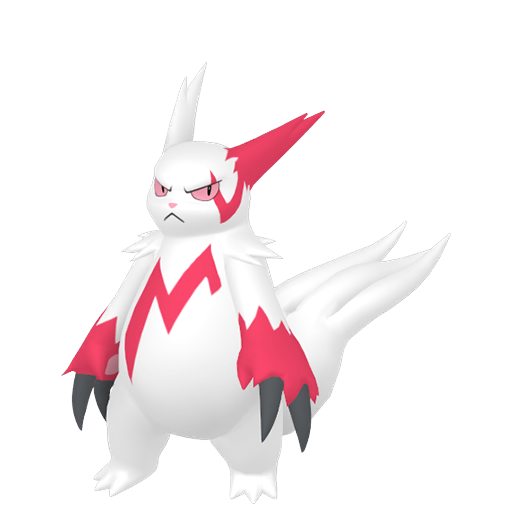
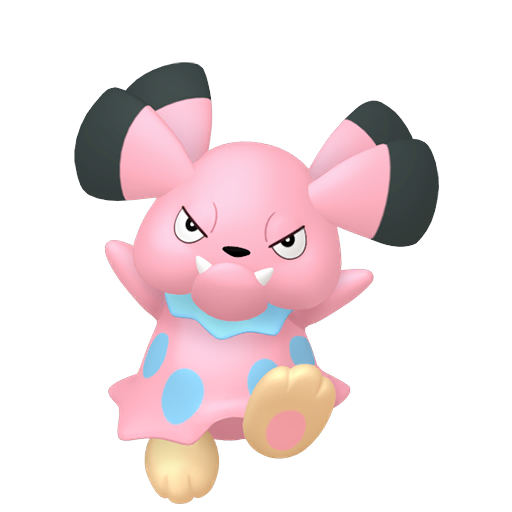
The self-drop is not a small footnote. A one-stage Defense drop means incoming physical hits deal 1.5× more damage starting the very next turn. Put numbers to it: Sneasler with 32 Stat Points in Defense sits at roughly 127 Defense at Lv50. After the drop, it's effectively 85 — an opponent's Rock Slide or Bullet Punch that needed two hits to KO now needs only one. That's the entire strategic weight of Close Combat: you must know whether you're finishing the trade this turn, or leaving before the drop costs you a mon.
Fighting's type coverage is among the widest of any primary attack in Champions. Steel, Rock, Ice, Dark, and Normal all take at least neutral — those five types dominate the high-usage pool. [[widget:type-matchup]] lets you check the exact multiplier against any target before committing. In doubles, spread moves take a 0.75× penalty; Close Combat is single-target, so it keeps full power there — a meaningful edge over moves like Earthquake when targeting one specific threat.
Who runs it
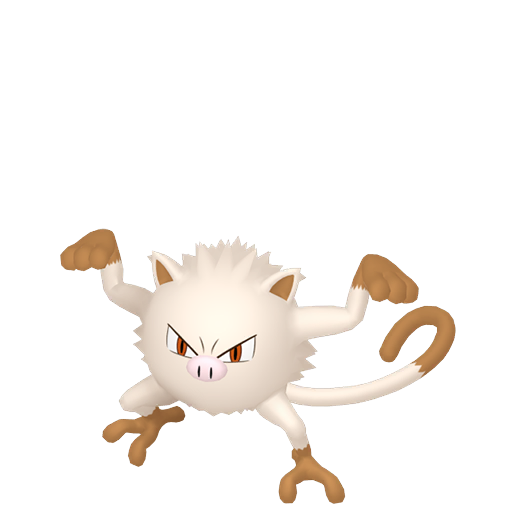
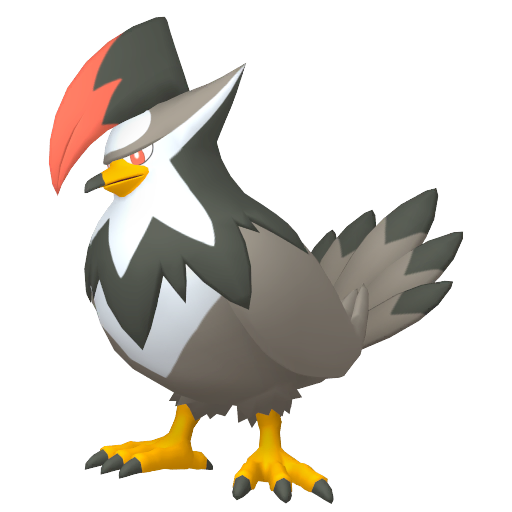
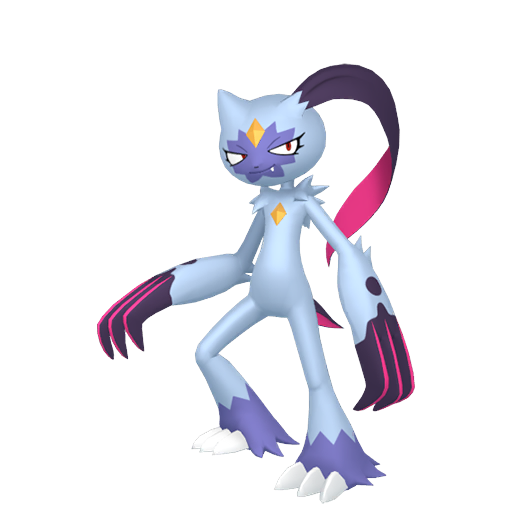
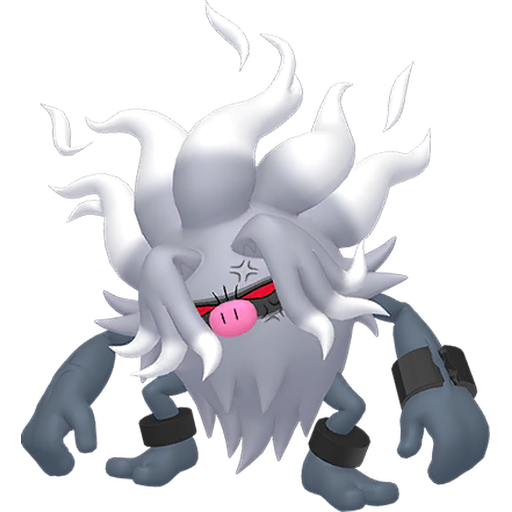
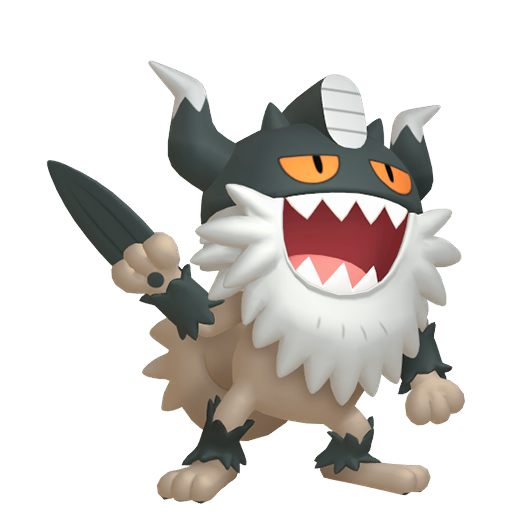
Sneasler is the defining Close Combat user in Champions. The Unburden + White Herb package means one press of Close Combat accomplishes three things simultaneously: STAB 120-power damage lands, the Defense/SpDef drop is erased by the Herb, and Unburden triggers to double Speed. If Sneasler runs max Speed Stat Points — roughly 152 at Lv50 — doubling puts it near 304, faster than essentially every non-boosted mon in the format. The turn after Herb activation, Sneasler controls priority with no defensive cost left on the board.
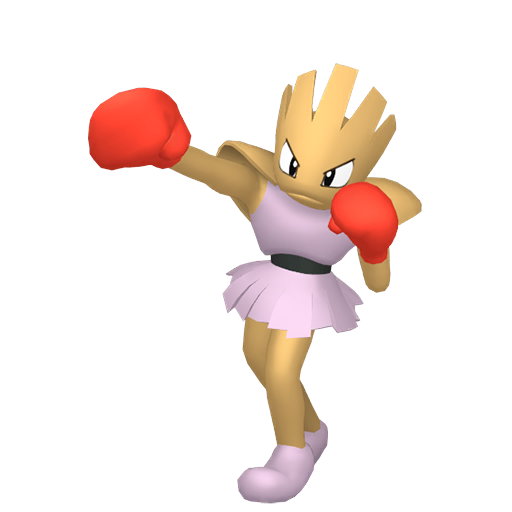
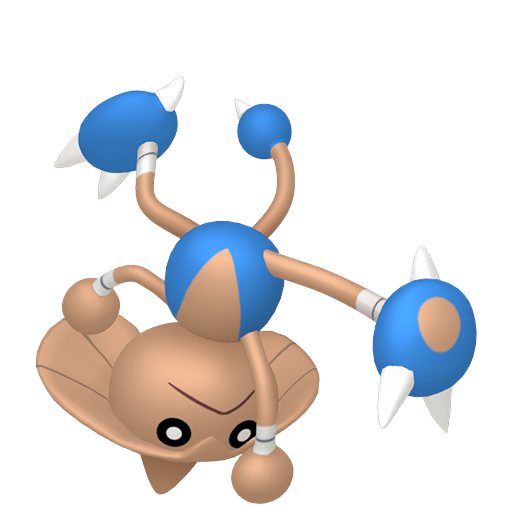
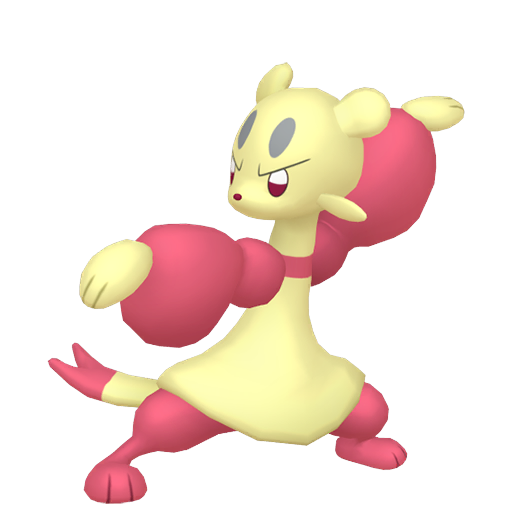
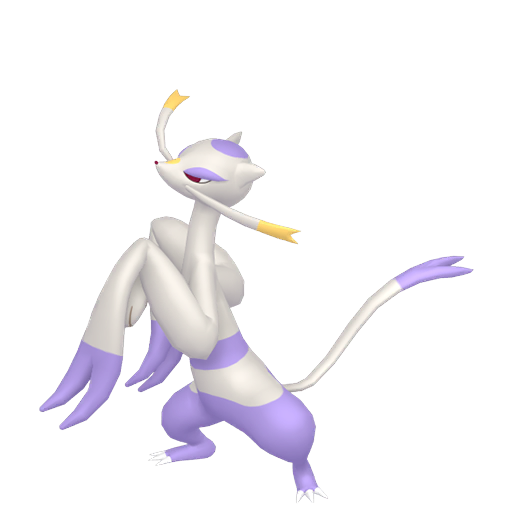
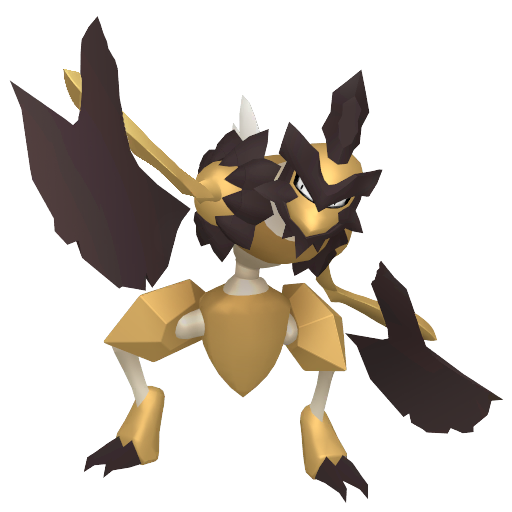
Medicham changes the damage ceiling entirely. Pure Power doubles the effective Attack stat, taking its base 60 to an effective 120. STAB adds another ×1.5. The real-world equivalent power of its Close Combat approaches 240 before any item modifier. In doubles, the standard script is a Fake Out partner flinching the primary threat on turn one, then Close Combat on turn two to close out — the Defense drop is irrelevant when the opponent isn't alive to exploit it.
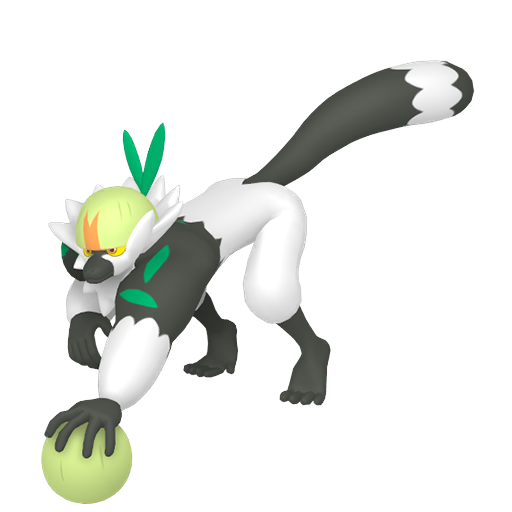
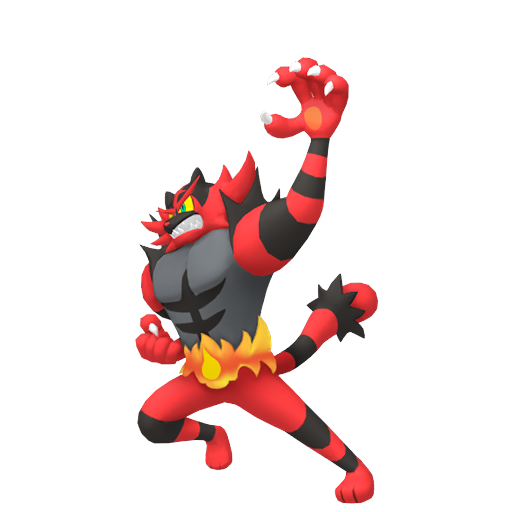
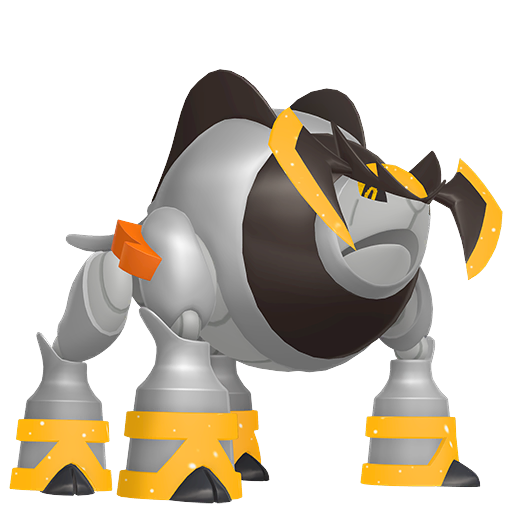
Passimian with Defiant flips the Intimidate dynamic entirely. When an opposing Incineroar triggers its on-entry Attack drop, Defiant responds with +2 Attack — a net gain of +1. The opponent used Intimidate thinking they were applying pressure; Passimian is now hitting harder than before. Click Close Combat in that window and you're punishing the supposedly defensive play.
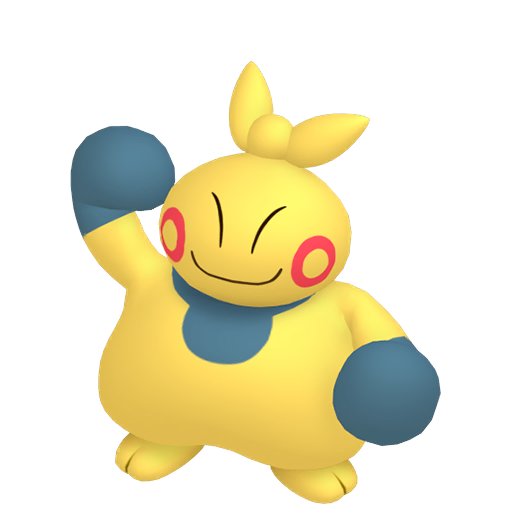
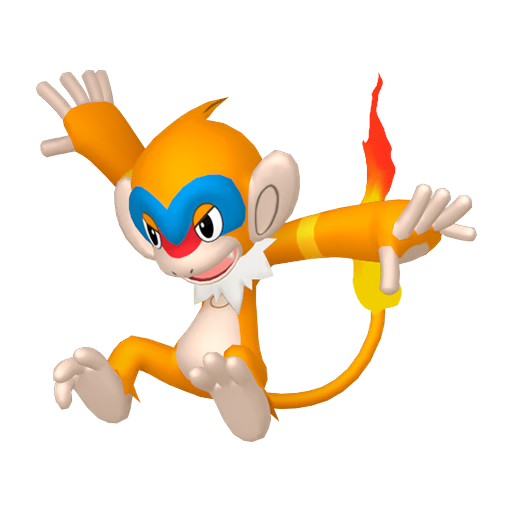
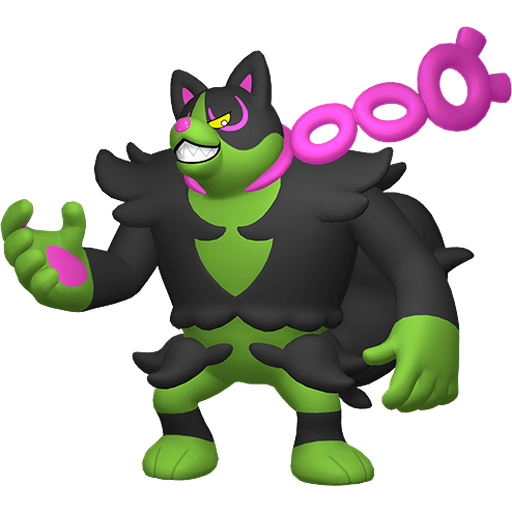
Quaquaval running Moxie reframes the self-drop math. Each KO adds +1 Attack. The Defense cost stays, but the attack upside compounds: KO one, hit harder next time; KO two, even harder. By the third Close Combat the power scaling makes the defense vulnerability almost secondary — the game plan is to never give the opponent a physical attacker fast enough to exploit it.
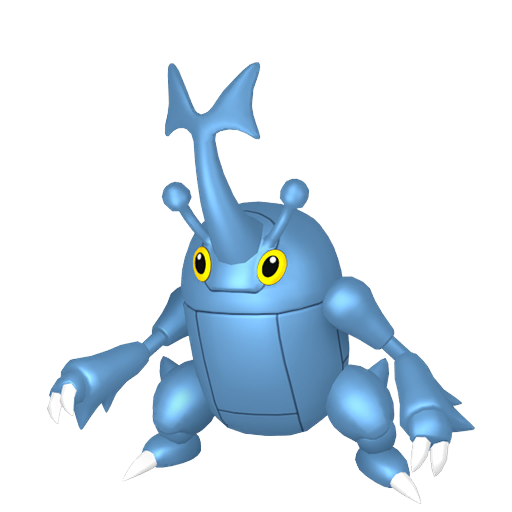
Heracross with Guts is the status-resilience variant. Guts multiplies Attack by 1.5 whenever the user has a status condition. Champions adjusts some status mechanics (Paralysis full-stop rate is 12.5%, Sleep caps at 3 turns), but Guts itself applies normally. Even burn — which would otherwise halve physical damage — is fully overridden by Guts, which nets a ×1.5 attack bonus on top of recovering the nerf. Close Combat with Guts active is the hardest-hitting version of this move on any single mon in the format.
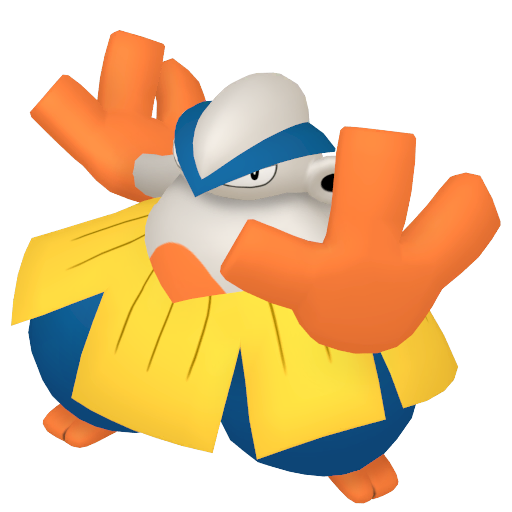
Hawlucha mirrors Sneasler's Unburden plan but at base Speed 118 — already fast before the trigger. Post-Herb, it runs near 230 equivalent Speed, making it nearly impossible to outpace. Close Combat gives it reliable damage into Steel and Rock types that its Flying STAB cannot touch.
How to use it
Singles: lock moves mean the self-drop never compounds
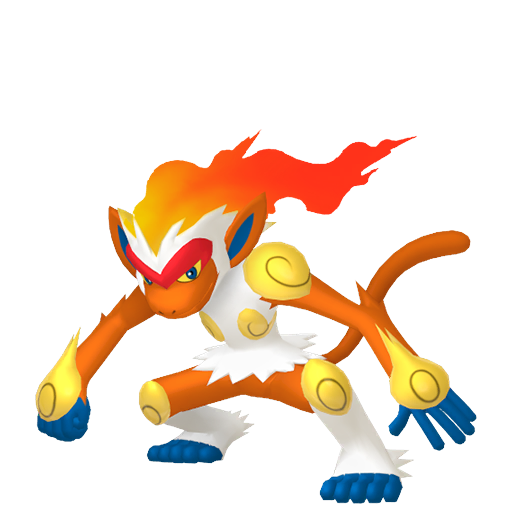
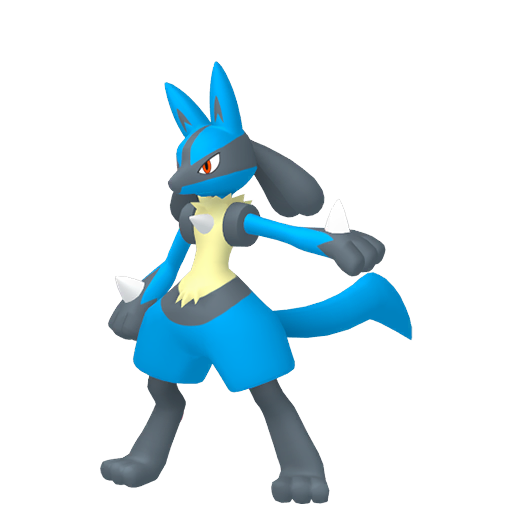
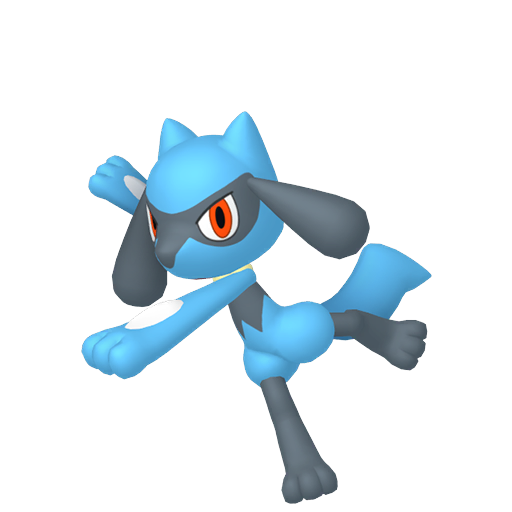
The cleanest singles usage is Choice Scarf or Choice Band: you attack, deal maximum damage or KO, then switch. The Defense drop lands on paper but never matters because no incoming hit follows on the same mon. Lucario with Choice Scarf is the textbook sequence — confirm you're faster than the target, click Close Combat, KO or deal the bulk of the damage, pivot out. The drop cost is zero as long as the switch is safe.
Without a Choice item, the decision tree has two branches before you click. First: does this KO this turn? Second: if not, can I survive the counter-attack with Defense at -1? If the answer to either is uncertain, switch instead. Never click Close Combat on a mon you plan to keep in if the math on the counter-attack is bad.
Doubles: Fake Out into Close Combat is the core sequence
Standard Sneasler doubles flow:
- Turn 1 — Fake Out flinches the primary threat. Partner applies pressure or uses Protect.
- Turn 2 — Close Combat into the flinched target. White Herb fires, Unburden activates. Defense drop: cleared.
- Turn 3 onward — Sneasler at doubled Speed. It now has first-move priority against nearly everything remaining.
The pre-requisite read: are there faster mons in the opponent's remaining team that haven't shown up yet? The Herb is one-time. Once spent, every subsequent Close Combat drop accumulates. If the opponent has a faster physical attacker in reserve, they're waiting exactly for that moment.
When not to click it:
- A Ghost type is alive on the opposing side. Close Combat does zero damage to Ghost types — complete immunity, and you've just burned your turn and handed initiative away.
- Your Defense is at -2 or lower. Another drop into a faster physical attacker is a clean gift of a KO.
- The win condition requires surviving this turn to act next turn — the residual vulnerability from a Defense drop can mean a closer call than the raw numbers suggest.
Tips & strategy
Common-mistake autopsy: "I used Close Combat on a near-fainted opponent and got revenge-killed"
This is the most common beginner error with this move. The situation: you're slightly low on HP, the opponent's mon is in KO range of Close Combat, you click it — and the opponent survives, hits you back, and the Defense drop means you take more damage than you expected. The key oversight is treating damage as deterministic. Champions uses a 16-step random roll from 85% to 100% — a KO at full roll is not a guaranteed KO at minimum roll. Before clicking, ask: at minimum damage roll, does the opponent survive? If yes, does the counter-attack at Defense -1 flinch or KO me? If both answers go wrong, use a priority move instead, or switch. The self-drop makes every "just barely didn't KO" outcome significantly more dangerous than it would be with a neutral move.
White Herb is a one-time reset, not a recurring safety net
After White Herb activates, it is gone. The second Close Combat drop and every subsequent one accumulates normally. A common error is assuming the Herb provides ongoing protection. Opponents who know this will often deliberately hold their fastest physical attacker in reserve, waiting for the Herb to be spent before committing — because Sneasler and Hawlucha at Defense -2 are substantially easier to threaten than at Defense 0. Track Herb status in your mind as a binary resource; once it's consumed, manage the drops accordingly or plan to switch before they stack.
The hard counter: Ghost types, particularly Aegislash
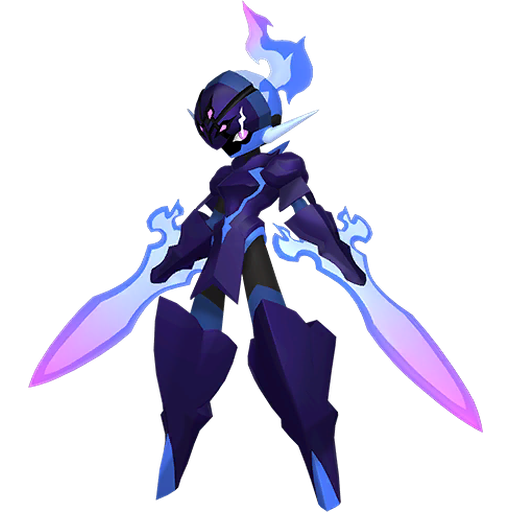
Aegislash is among the highest-usage mons in the format and is the natural wall for Close Combat-centric teams. Full immunity to Fighting means no amount of power gets through. Aegislash further pairs well against Fighting teams because it can threaten back with Ghost and Steel coverage. In Team Preview, if you see Aegislash, confirm your team has a Psychic, Flying, or Ghost move on a different member to threaten it — your Close Combat user cannot be the answer. The same applies to Gengar and Sinistcha: both immune, both capable of punishing the Defense drop with super-effective returns.
The Defiant / Intimidate dynamic is double-edged
Passimian's Defiant punishes Intimidate openers, but the reverse is also true for standard Fighting types without Defiant: leading into Incineroar's Intimidate drops your Attack before you click Close Combat, meaning the move hits meaningfully less hard than projected. Against Intimidate-heavy teams, either bring Passimian specifically, or ensure your Close Combat user has enough raw power that even the nerfed output is still sufficient for the intended KO threshold.