



















What it does
Foul Play is a Dark-type physical move, base power 95, 100% accuracy, makes contact. The defining mechanic: damage is calculated using the target's Attack stat, not the user's. Your Attack value is irrelevant. What matters is how hard they hit.
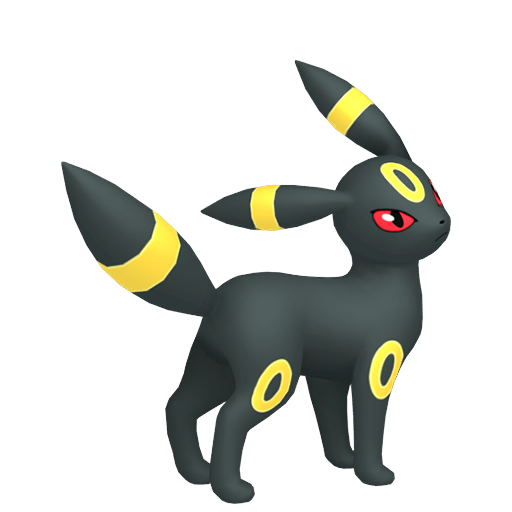
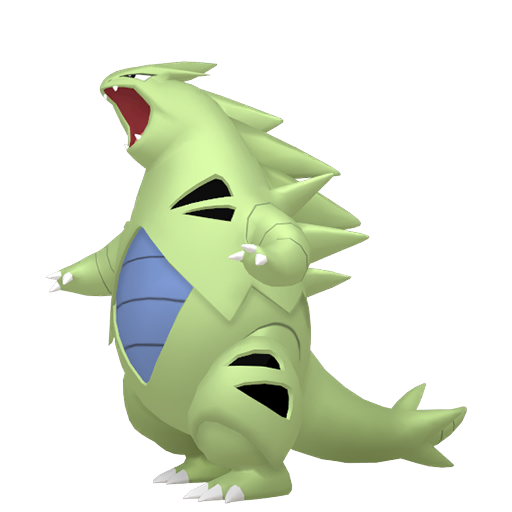
That means Umbreon — a support Pokémon with 65 base Attack — dealing full damage against a Swords Dance-boosted Garchomp. The stronger the target's Attack, the harder Foul Play hurts them.
Two mechanical details matter a lot:
First, the target's Attack modifications apply. If the target has used Swords Dance, Foul Play hits harder accordingly. If the target was hit by Intimidate and had their Attack reduced, Foul Play hits softer. Order matters — firing Foul Play before or after your teammate drops Intimidate changes the damage output significantly.
Second, the user's own Attack modifications do not apply. You can have the highest Attack in the game or the lowest — it makes no difference on Foul Play's damage. The exception is additive multipliers applied to the move itself: Helping Hand from a partner does stack, because it modifies the move's damage rather than the user's stat.
Foul Play is a contact move, so it can trigger Rocky Helmet, Rough Skin, and similar recoil abilities on the target.
Who runs it
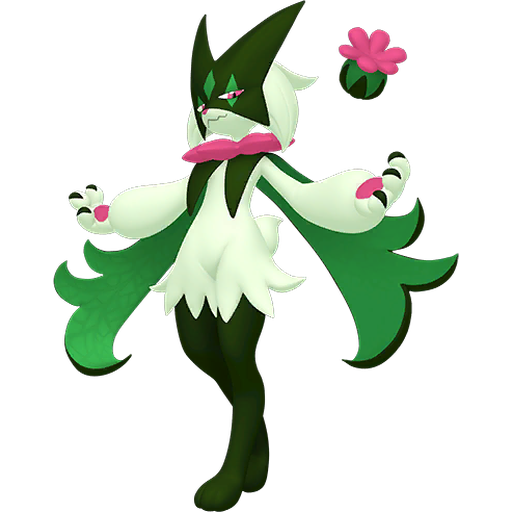
Umbreon (94%) is essentially the face of this move. Its physical Attack is 65 — it cannot deal meaningful damage with any normal physical attack. But in doubles its job is Helping Hand, harassment, and tanking hits. Foul Play gives it a real threat against physical sweepers without needing any Attack investment at all, and without relying on a damage-dealing ability. It's the cleanest example of the move's design intent.
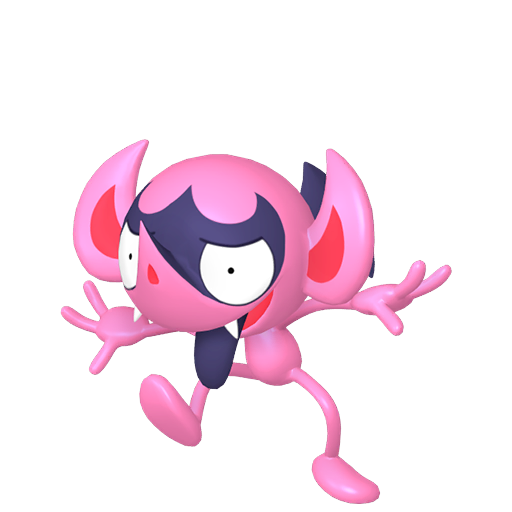
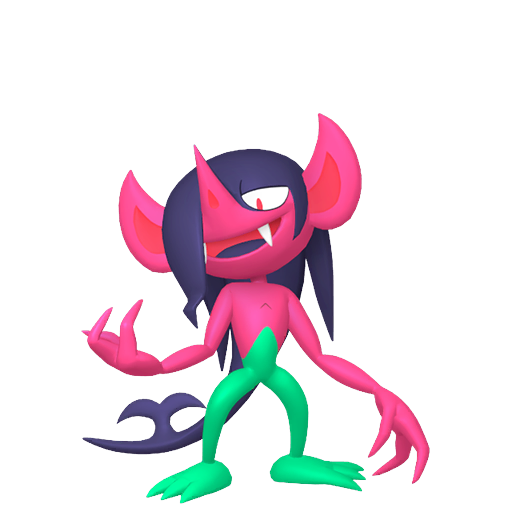
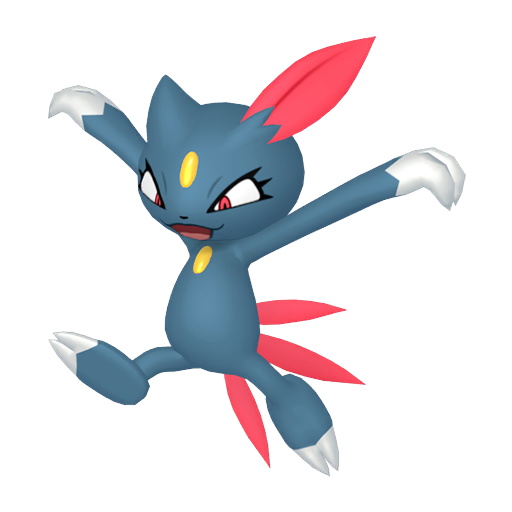
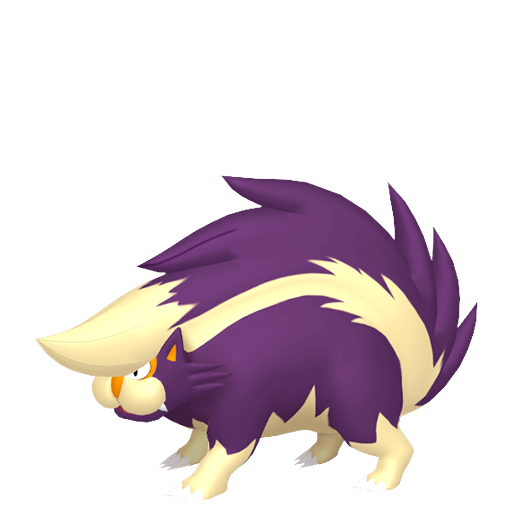
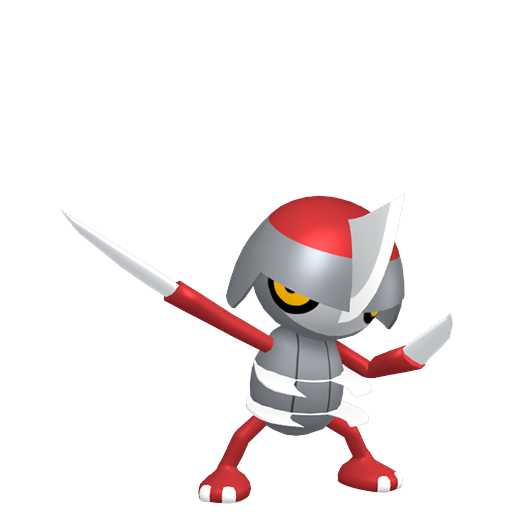
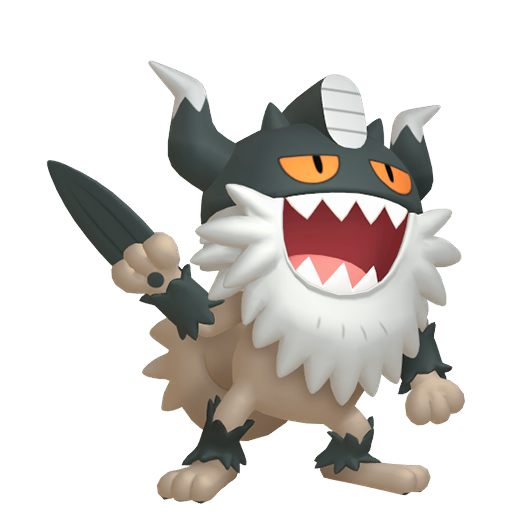
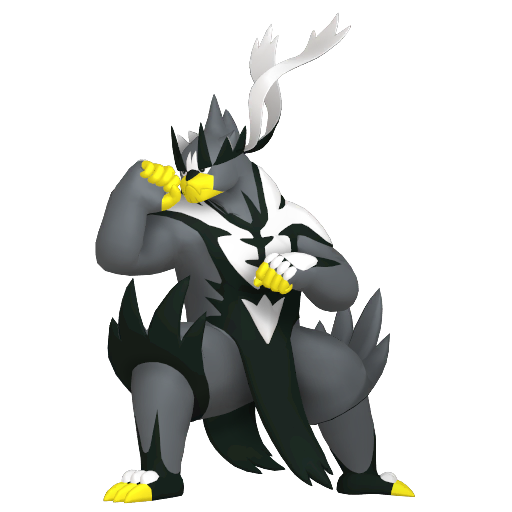
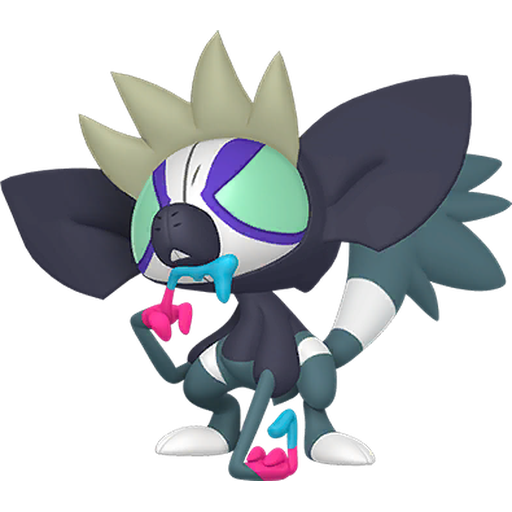
Liepard (45%) has a similar Attack issue, but Speed helps — it can outpace many targets to fire Foul Play before they can set up or act. A reliable answer to physical threats for a Pokémon that couldn't otherwise touch them.
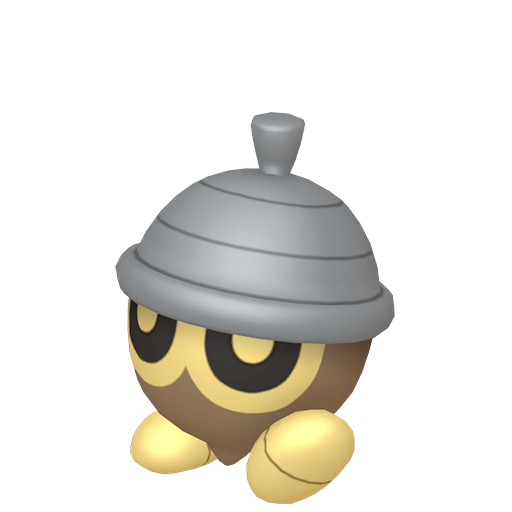
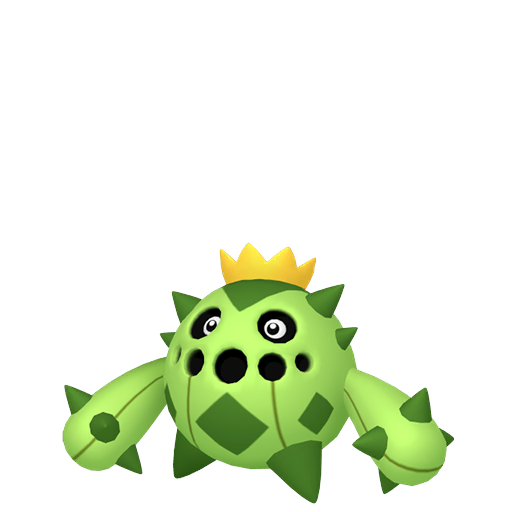
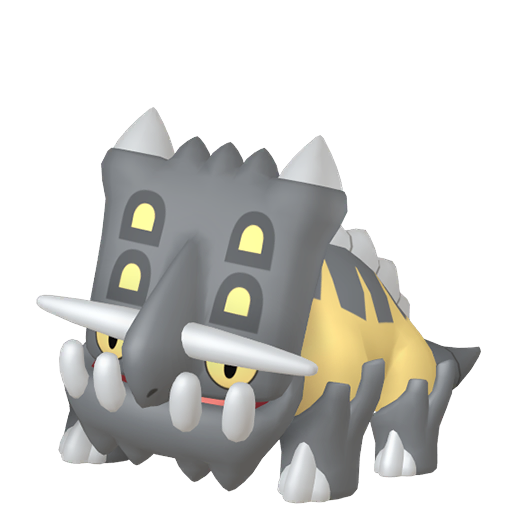
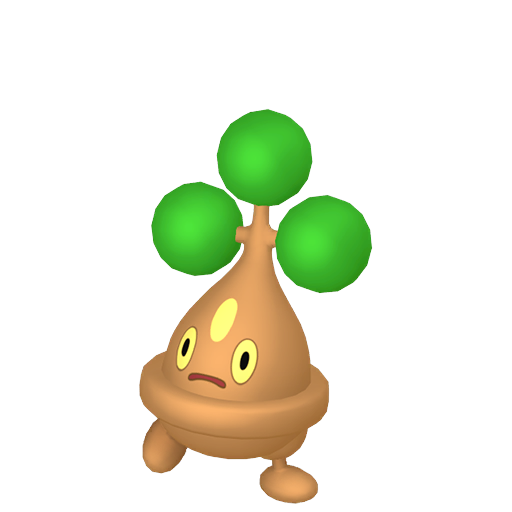
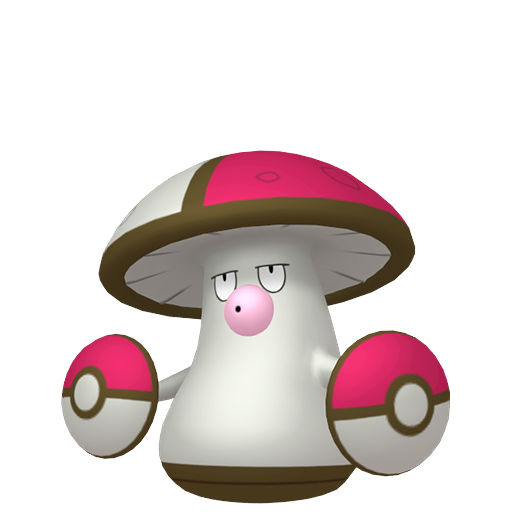
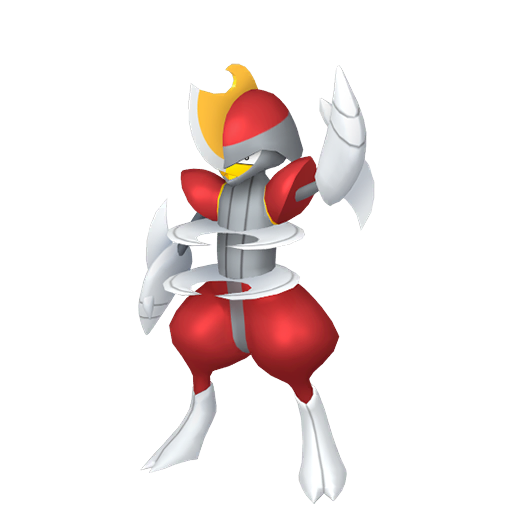
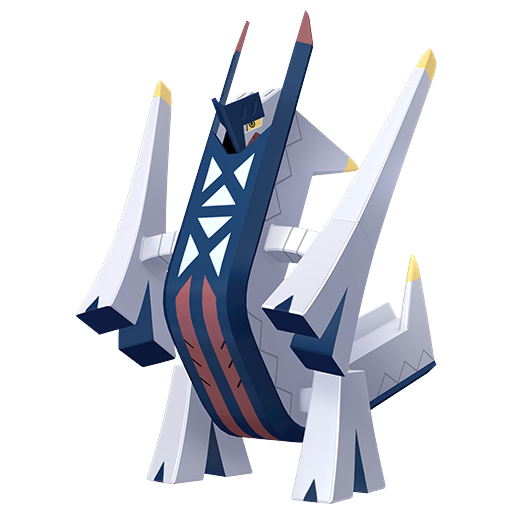
Bastiodon (30%) is a pure support Pokémon with minimal attacking output. Foul Play is its only credible threat against physical sweepers — which matters because it discourages opponents from stacking Attack boosts freely.
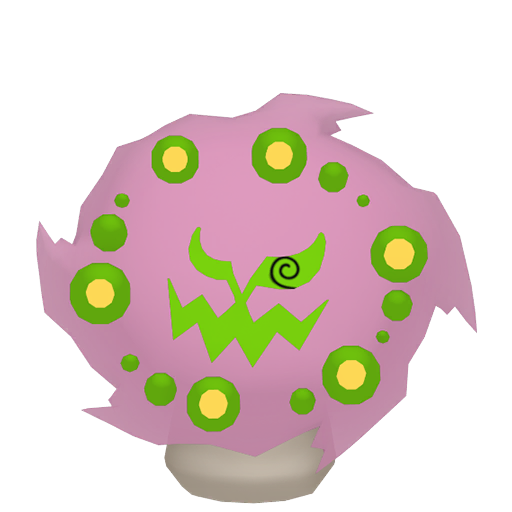
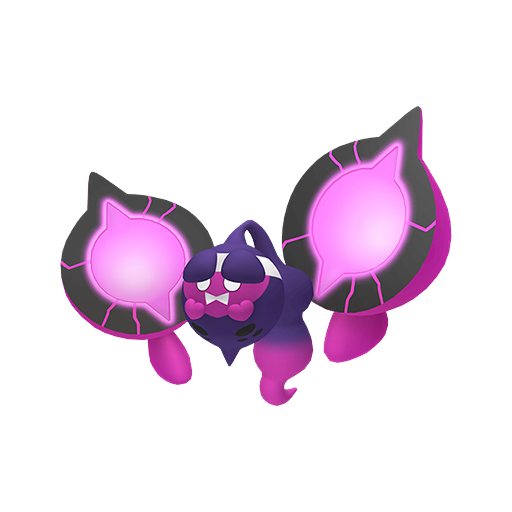
Spiritomb (29%) has a more reasonable base Attack at 92, but still benefits from targeting Attack-boosted opponents. Dark / Ghost coverage makes it relevant against Psychic and Ghost types specifically.
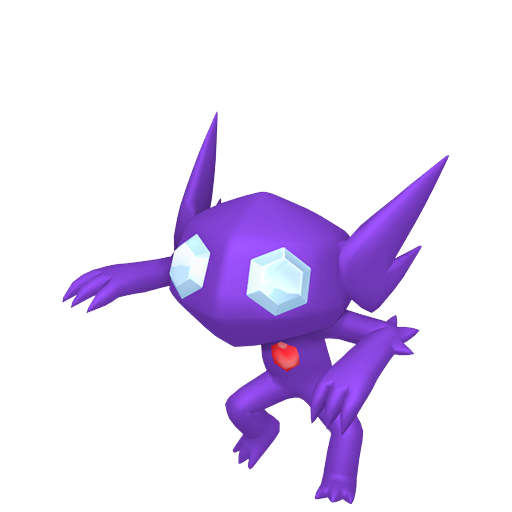
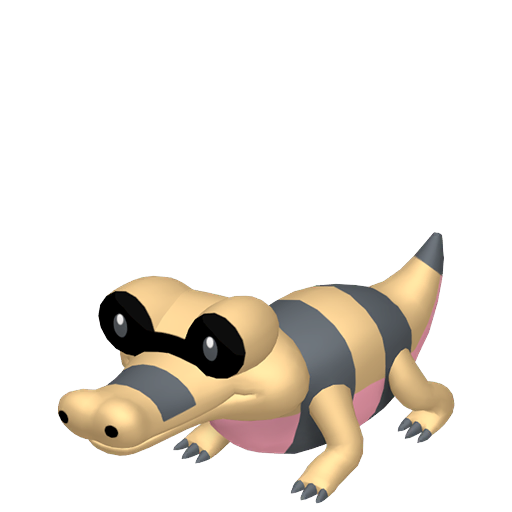
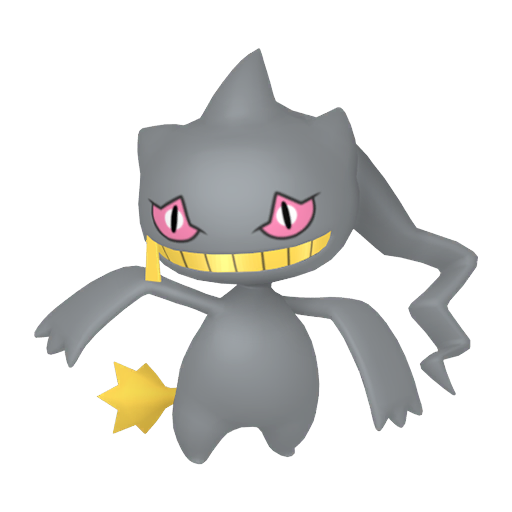
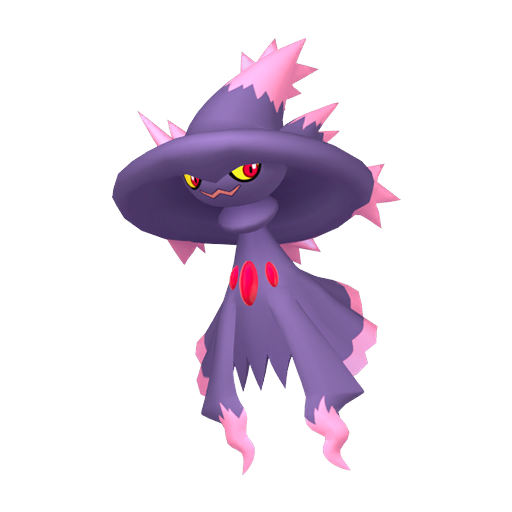
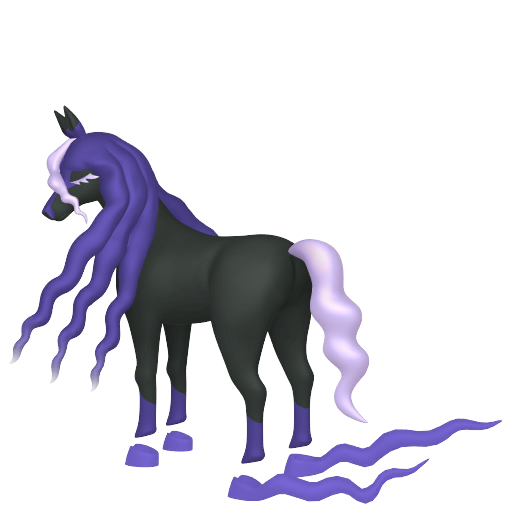
Sableye (31%) runs the same play as Spiritomb — Ghost / Dark typing means Foul Play hits types that match its offensive niche, and bulky support sets pick up the move to answer physical threats.
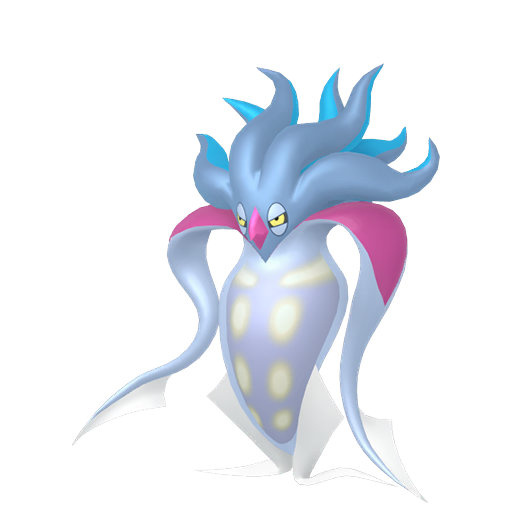
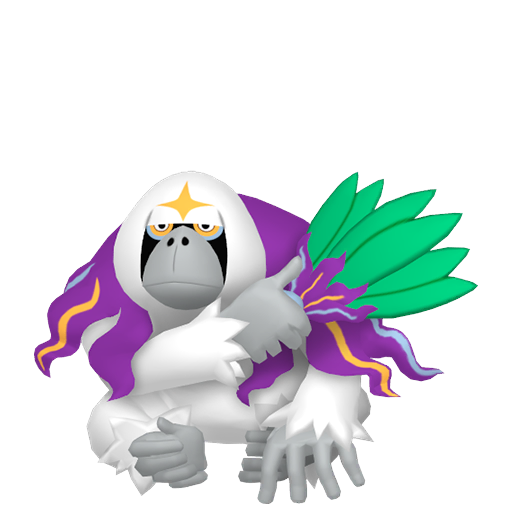
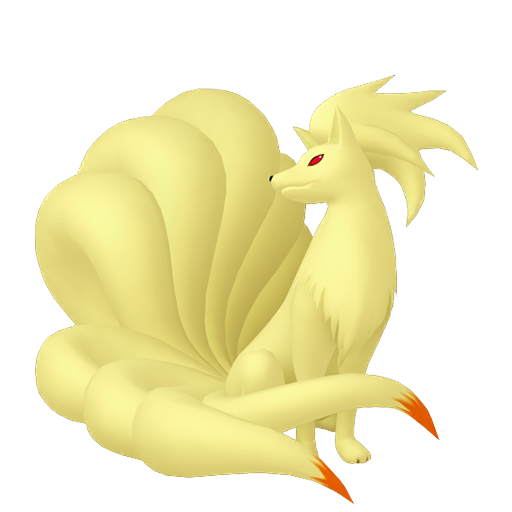
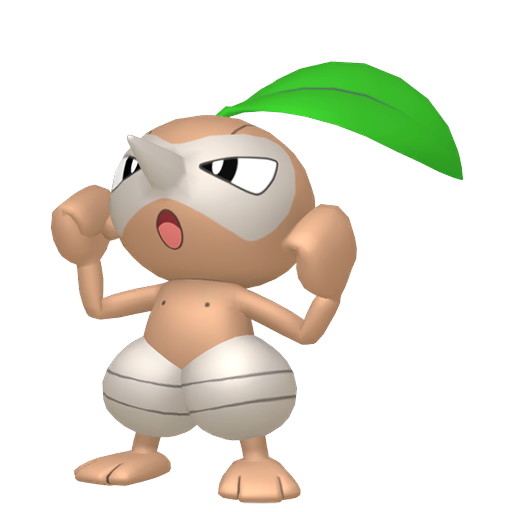
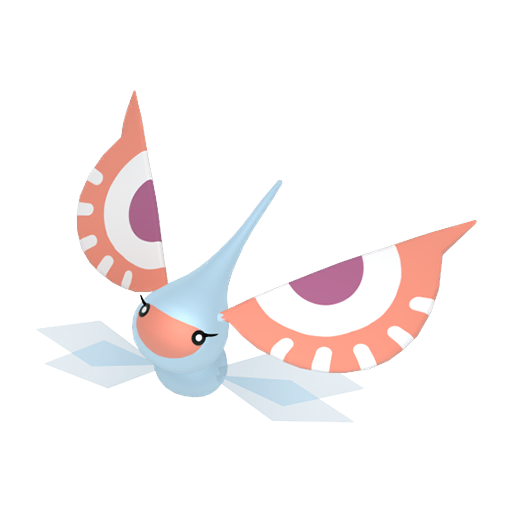
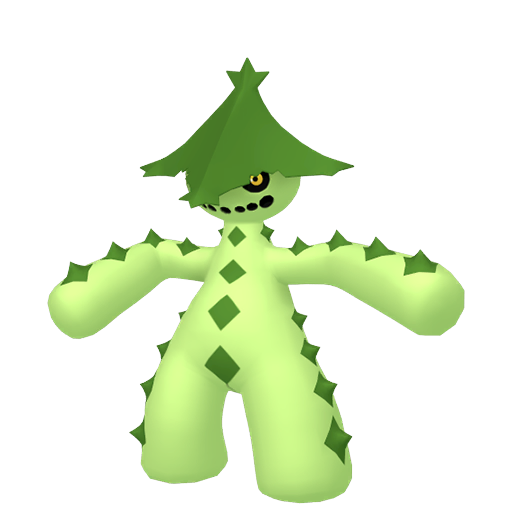
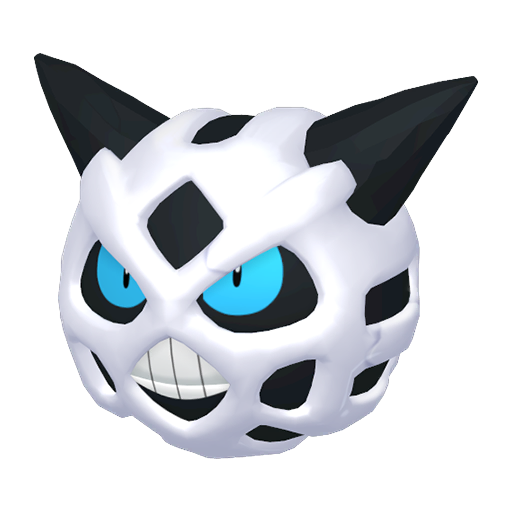
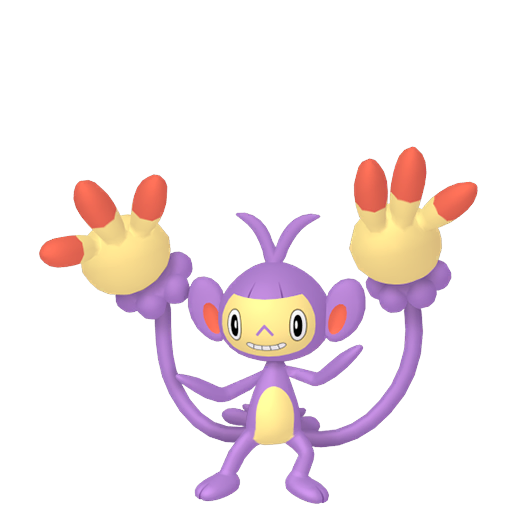
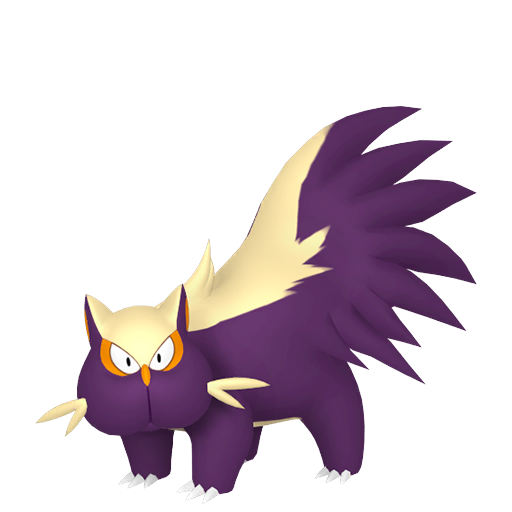
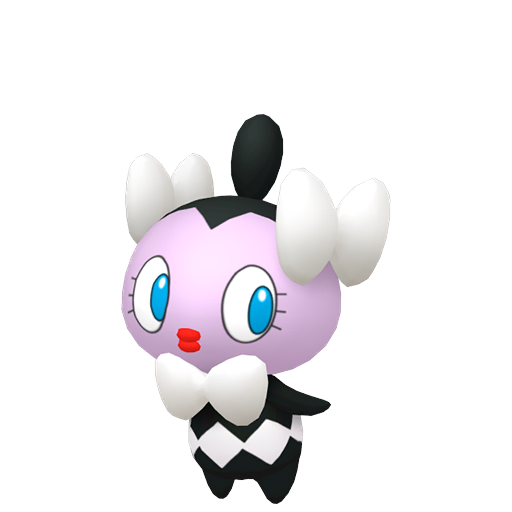
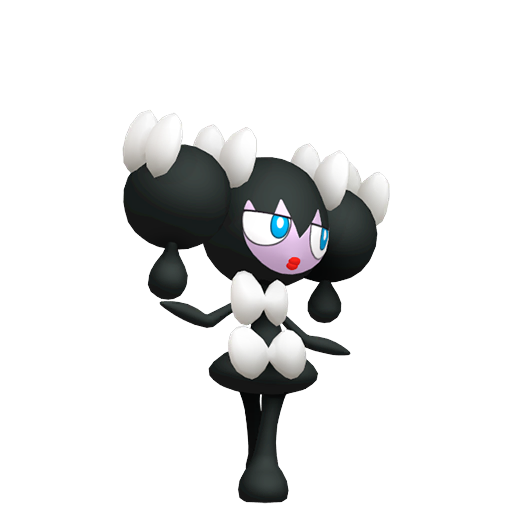
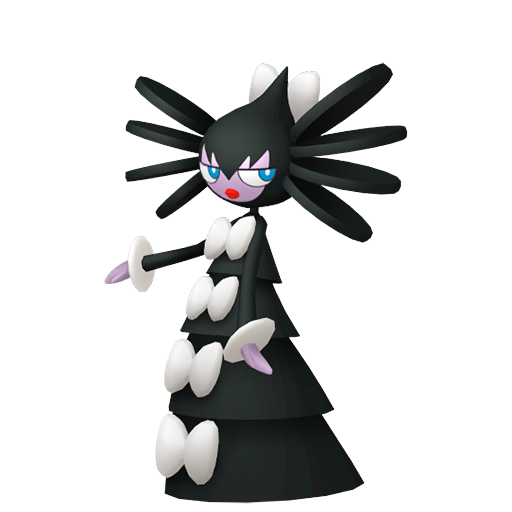
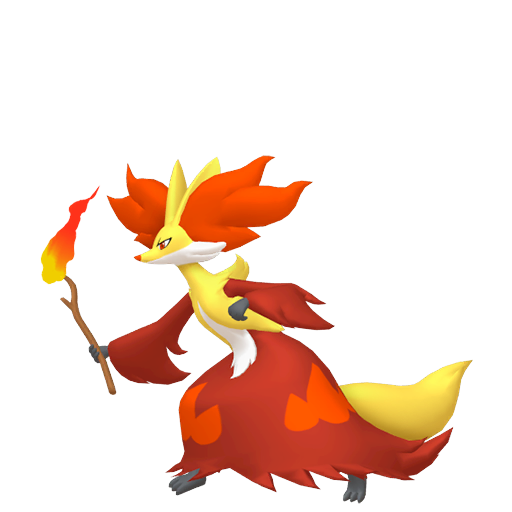
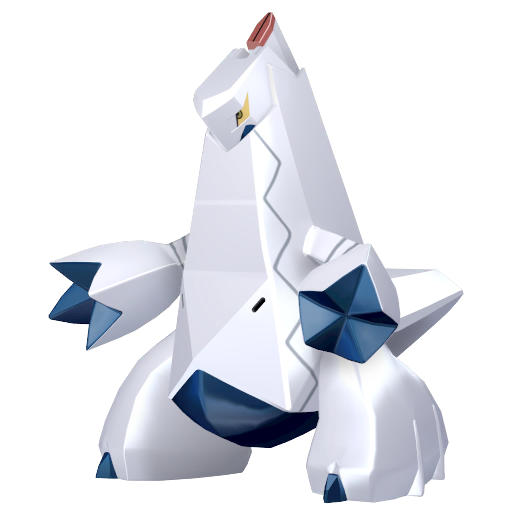
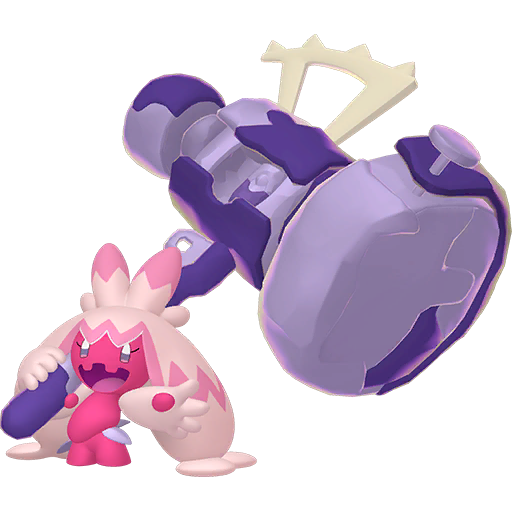
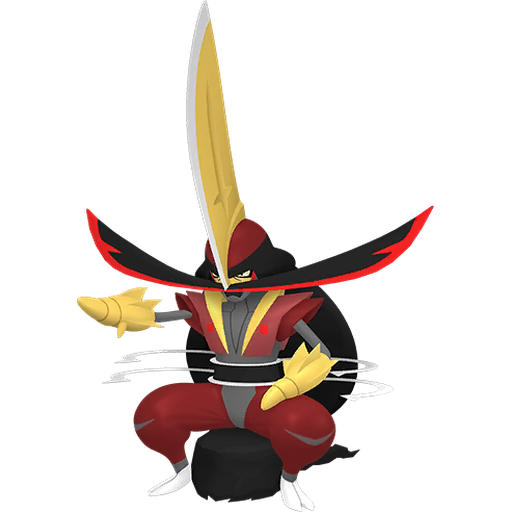
Ninetales (14%), Oranguru (11%), and Stunfisk (22%) all carry it for the same reason: a support Pokémon getting genuine damage against physical threats it would otherwise just have to ignore.
How to use it
Foul Play logic is backwards from normal physical moves — target the Pokémon with the highest Attack, not the weakest defender. Attack-boosted sweepers, high-Attack leads, physical threats that just used Swords Dance — those are ideal targets. Hitting a support Pokémon with low Attack barely does anything.
In doubles, plan around Intimidate timing. If your Incineroar enters and drops the target's Attack before Foul Play lands, the damage goes down. To maximize output, fire Foul Play before Intimidate deploys, or aim at targets Intimidate cannot reach.
The reverse scenario: opponent just finished stacking Swords Dance. Fire Foul Play immediately. The more they boosted, the more you punish them for it. A fast Foul Play user can KO a freshly set-up sweeper before it ever moves — that's the cleanest version of this move's value proposition in doubles.
Tips & strategy
For low-Attack support Pokémon, Foul Play is a defensive tool — it pressures physical threats without needing any offensive investment. Its effectiveness depends entirely on target selection. In doubles, your lead pairing decisions should account for who you need Foul Play to threaten. Put the Foul Play user across from the high-Attack lead you know about, not somewhere it will spend turns attacking 65-Attack supports.
Always check for Rough Skin and Rocky Helmet. Foul Play lands hard against Garchomp — but if it's holding Rocky Helmet, the recoil on your 65-Attack support adds up. Make sure the trade is worth it before committing.