






































































































What it does
Imprison works on a shared-moveset principle: every move in the user's own moveset that an opposing Pokémon also has gets locked out for as long as the user stays on the field. Both opponents in doubles are affected simultaneously. The effect is live — if the user somehow learns a new move mid-battle, it immediately joins the lock. It fails outright if no opponent knows any of the user's moves.
No damage, no type-based interaction (it's Psychic, but the success condition is about moveset overlap, not accuracy). Pure information control: your moveset becomes a constraint on what your opponents can click.
Doubles makes Imprison much better than singles. The reason is simple density. Protect is on almost every team — usually on multiple Pokémon. Tailwind and Trick Room have narrow user pools. The more predictable your opponent's moveset is, the higher the chance you share something meaningful with them. Lock one move and you've often altered both opposing Pokémon's options at once.
Who runs it
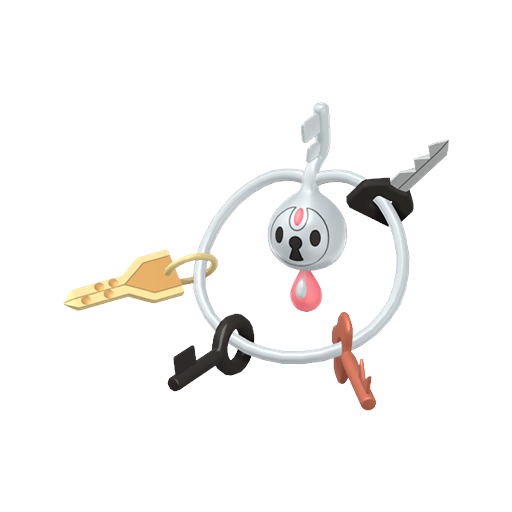
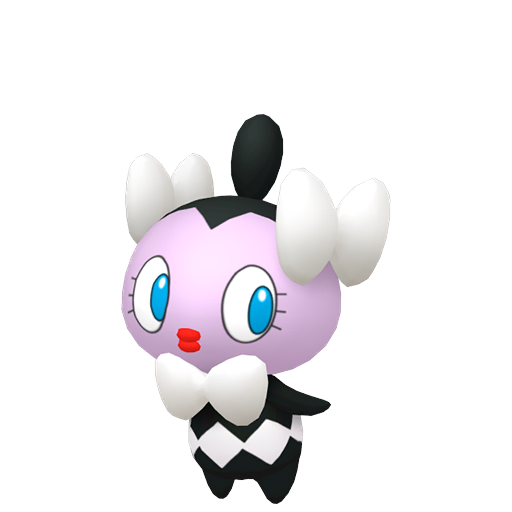
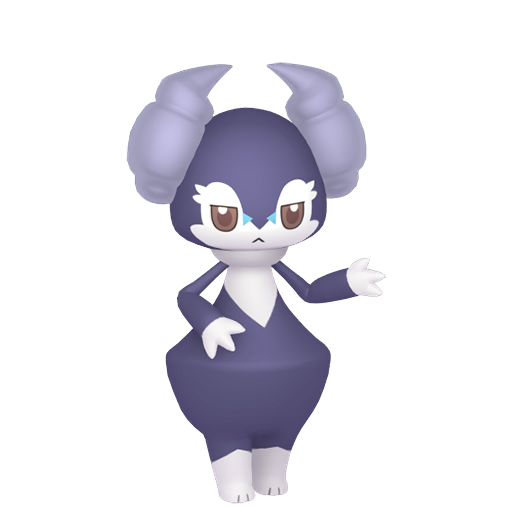
Chimecho (19%) is the highest-use Imprison carrier. It pairs well with support movesets — Heal Bell, Healing Wish, Protect — meaning it almost always shares Protect with whatever faces it. Locking Protect on both opponents opens clean windows for allied attackers to land damage without being dodged.
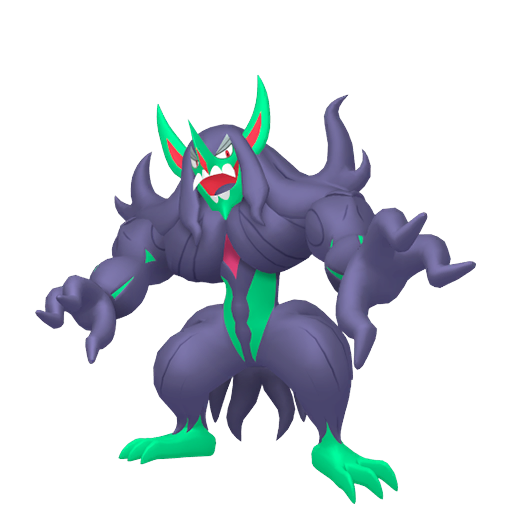
Farigiraf (11%) uses Imprison within Trick Room builds. Farigiraf typically sets Trick Room itself, and Imprison pre-emptively locks opposing Trick Room users from reversing it. The Armor Tail ability also blocks priority moves, so between the ability and Imprison, Farigiraf stacks multiple layers of disruption.
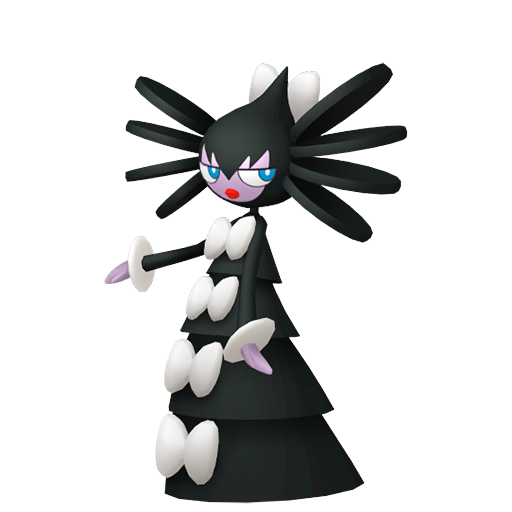
Chandelure (10%) runs Imprison as a moveset-overlap lock. Chandelure commonly carries Shadow Ball, Protect, Fire-type attacks, and sometimes Energy Ball or Will-O-Wisp. Against opposing special attackers sharing any of those, Imprison can cut off a key offensive move at no cost.
How to use it
Imprison is an information-dependent move. It can literally fail if your read is wrong, so the conditions that make it worth the slot are narrow.
Best use cases: (1) You know the opponent runs Protect — which is almost always. Locking Protect off both opponents is an automatic value play; they can't dodge your allied attacks this turn. (2) Mirror or near-mirror matchup where moveset overlap is high. (3) Tournament or BO3 where you've already seen the opponent's team and know the moveset.
The timing within a turn matters. Imprison takes effect at the moment the move executes, not at the start of the turn. A Pokémon that has already used a locked move this turn doesn't lose its action retroactively.
Tips & strategy
Imprison locks by move name, not by category or type. Your Protect locks their Protect. Your Shadow Ball locks their Shadow Ball. Nothing broader than that. This means: the more unique your moveset, the higher your chance of Imprison failing. Always have at least one high-overlap move in the set (Protect is ideal) to ensure the move doesn't land as a waste.
Imprison ends the moment the user switches out, and opponents can predict the switch-in to time their locked moves around it. In doubles, an opponent who sees Imprison incoming can pivot their threatened Pokémon to waste your effect window. Use it knowing the window is limited — extract the value within that window rather than relying on it as a long-term lock.
For teams running Trick Room: some support Pokémon specifically learn Trick Room purely to Imprison it back at Trick Room teams. This is a niche but real construction choice in Champions. If you face a team built around this, your Trick Room setter needs a backup plan.