









































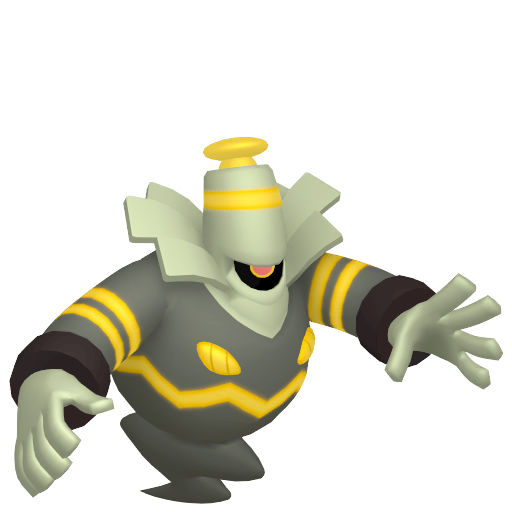





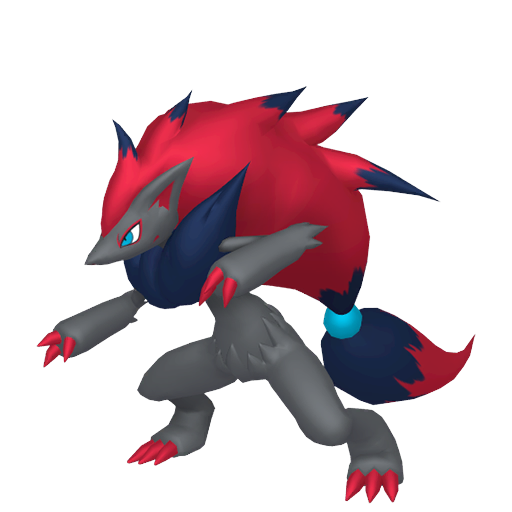



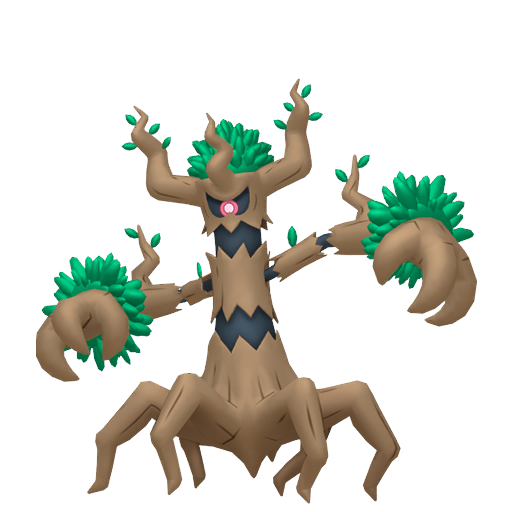










What it does
Pain Split adds together the current HP of the user and the target, then splits that total evenly between both. It isn't categorized as a damage move, so it bypasses effects that trigger in response to taking damage. It also does nothing to a Substitute — the move simply fails if the target has one up, because Pain Split has no damage to block.
The math determines when it's worth using: you need to have less HP than your target for this to heal you. When you're at 10% and the target is at 90%, you recover roughly 40% of your max HP and drain the target by the same amount — one move, two-way swing. When HP values are close, the effect is nearly nothing. When you're healthier than the target, you actually lose HP. Only click it when you're the lower-HP side.
In doubles, the same logic applies. You pick one target; the one with more HP gives you more.
Who runs it
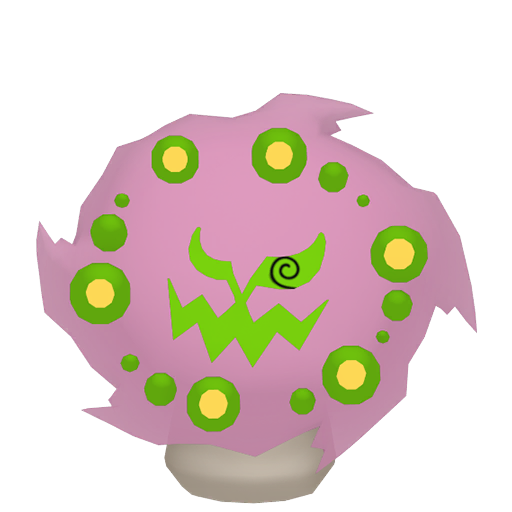
Spiritomb runs Pain Split at 18%, and for good reason — it's essentially the only real recovery move in Spiritomb's accessible movepool. Spiritomb's Ghost/Dark typing stacks up immunities to Normal, Fighting, Ghost, and Psychic, making it extremely durable against the right matchups. But it doesn't learn Recover or Roost, so stall-oriented sets have to use Pain Split to stay alive through extended battles.
The play pattern is clear: use the immunity stacking to avoid damage where possible, let the opponent chip you down a bit, then Pain Split against the healthiest target to restore the deficit. Because Spiritomb's bulk is solid, it can take a few hits before it becomes the lower-HP side — and that's exactly when the move is most efficient.
How to use it
Timing is everything. You want to be clearly below the target's HP before you click it. Coming in at 60% against a fresh opponent is not a good Pain Split moment. Coming in at 30% against a full-health threat you can't KO directly? That's the call.
Check for Substitute before committing. If the target has one up, you're wasting the move — deal with the Substitute first, or redirect to a different target.
In doubles, Spiritomb's low Speed is a subtle advantage for Pain Split: most of the time it moves last, meaning the opponent gets to attack first and lower Spiritomb's HP before the split happens. That makes the equalization more favorable without any extra setup.
Tips & strategy
Pain Split bypasses accuracy and evasion modifiers — it's effectively guaranteed to connect unless the target is in a semi-invulnerable state (mid-fly, mid-dig) or behind Protect. Against evasion-heavy builds, this is a minor advantage.
Paralyze or poison the target first if you can: steady chip damage on the opponent means both sides are dropping HP, but if the opponent takes more chip than you do, the HP gap widens in your favor before you use Pain Split. The goal is always to be the lower-HP side when you click it.
Don't ask Spiritomb to be an offensive threat. Its role in doubles is to absorb Fighting-type burst, outlast pressure through immunities, and use Pain Split to stay relevant into late-game. Keep your main attacker alive; Spiritomb handles the durability side.