











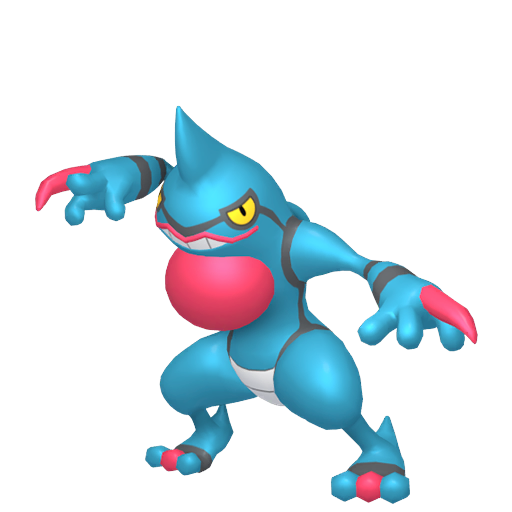






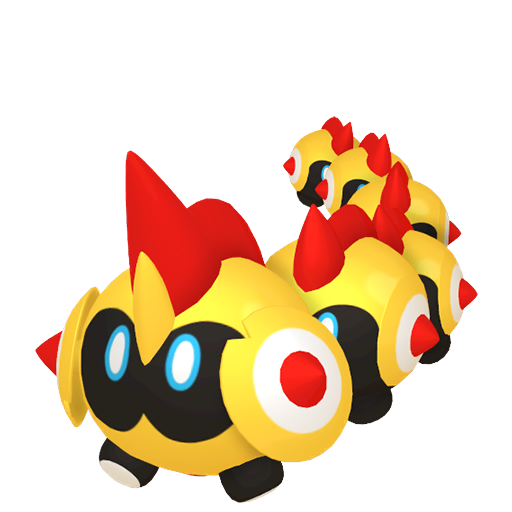

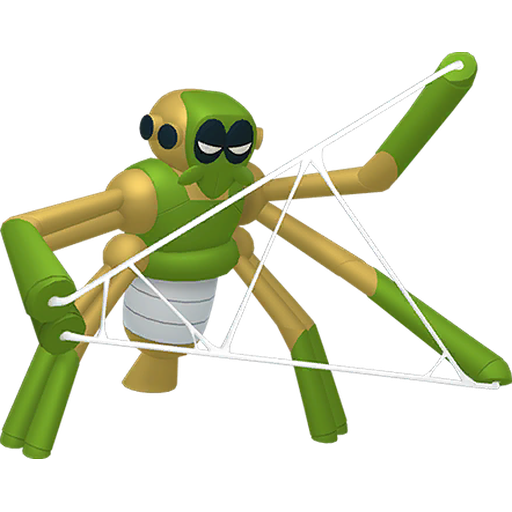

What it does
Upper Hand is a Fighting-type physical move with priority +3. The catch: it only flinches the target if that target also chose a priority move on the same turn. It still deals damage regardless, but the flinch — the part that actually locks out an action — is conditional.
The practical read: your opponent leads with Incineroar and you predict Fake Out. You use Upper Hand. Since both moves have the same priority bracket, your speed determines who goes first. If you outspeed, you land damage and a flinch before their Fake Out ever fires. Their first-turn action is gone.
If your opponent chose a non-priority move that turn, Upper Hand still hits for damage — you just don't get the flinch. So it never completely whiffs on damage, but the disruption only triggers when you call the read correctly.
In doubles, the conditional is actually comfortable to work with. You can see two opposing Pokémon, and if both look like Fake Out threats, targeting the more dangerous one with Upper Hand makes a clear plan.
Who runs it
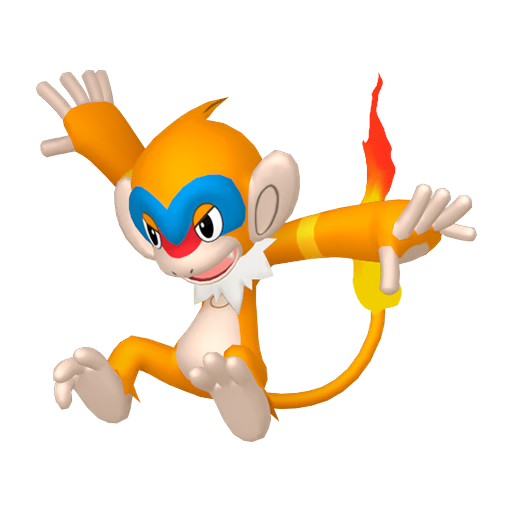
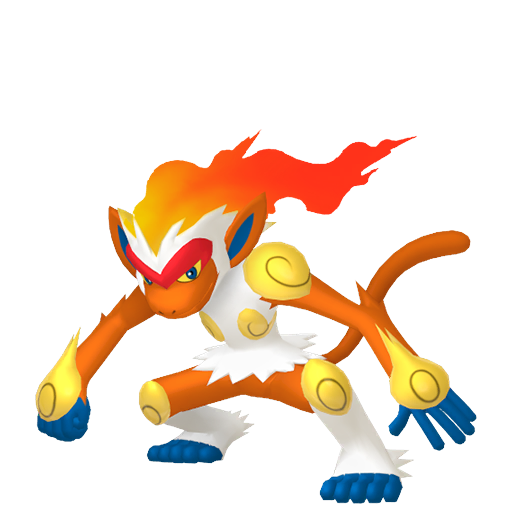
Infernape is the most natural carrier. Speed 108 comfortably outruns Incineroar (Speed 60), so the priority tie always resolves in your favor against the most common Fake Out user. Fire/Fighting STAB adds real bite to the damage.
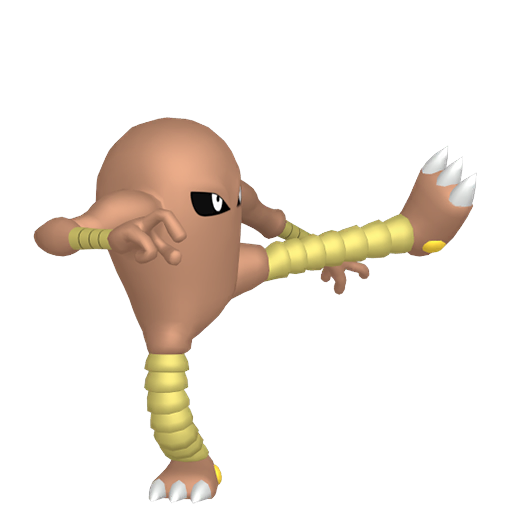
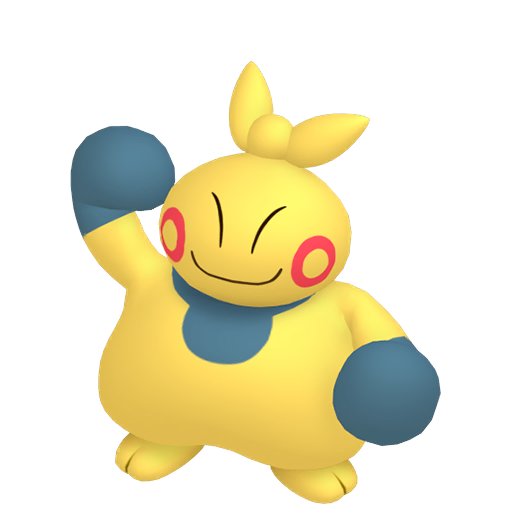
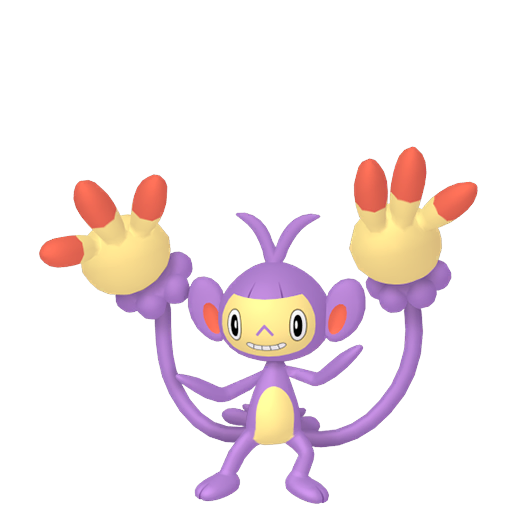
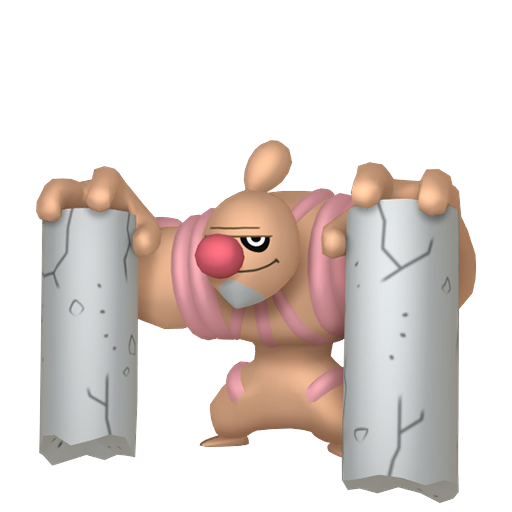
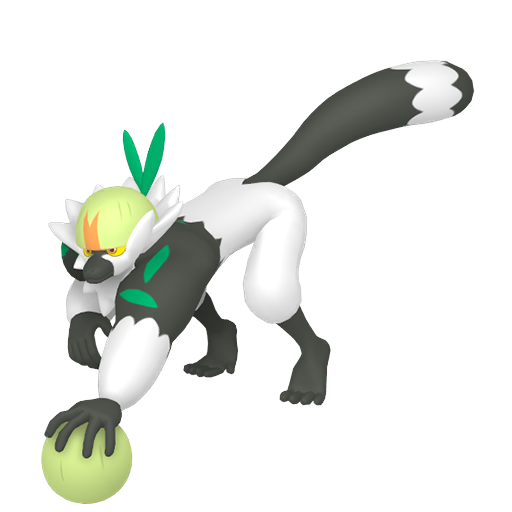
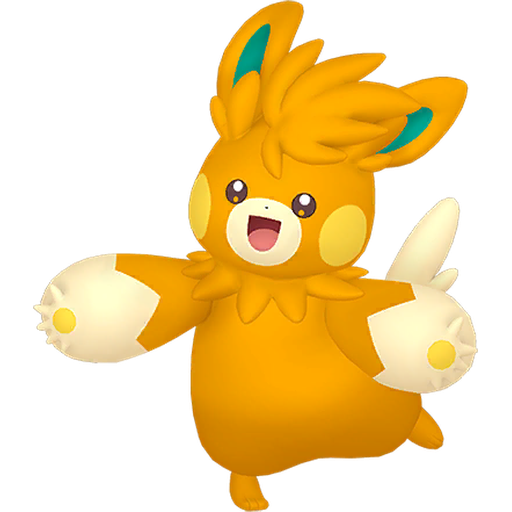
Passimian runs it for similar reasons — Fighting STAB and enough Speed to outpace typical Fake Out leads. Its Receiver makes it a doubles pick even before factoring in move selection, and Upper Hand fills the role of an anti-lead tech.
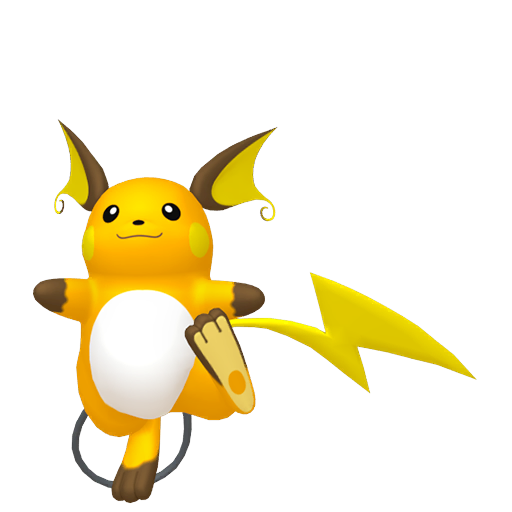
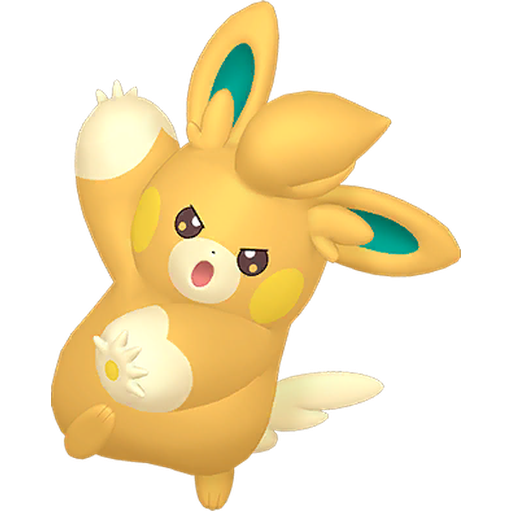
Pikachu rounds out the carriers here. With Light Ball, its damage output is genuine despite the low base power, and Speed 90 means it beats slower Fake Out users to the punch.
How to use it
This is a read-based move. Before committing to Upper Hand, ask: 'Will that Pokémon use a priority move this turn?' The answer is usually yes when facing a known Fake Out lead on the first turn or when an opposing Bullet Punch or Aqua Jet user is in a position where they want to finish you off.
In doubles, the most common setup is predicting Fake Out on turn one against leads that always run it — Incineroar, Kangaskhan. If you read right, you delete their turn-one action AND deal damage. If you misread, you still dealt damage.
Once the opponent has already used their Fake Out for the lead, there's less reason to hold Upper Hand in reserve for the same target — they can't Fake Out again until they switch out. You might pivot to a different move instead.
Tips & strategy
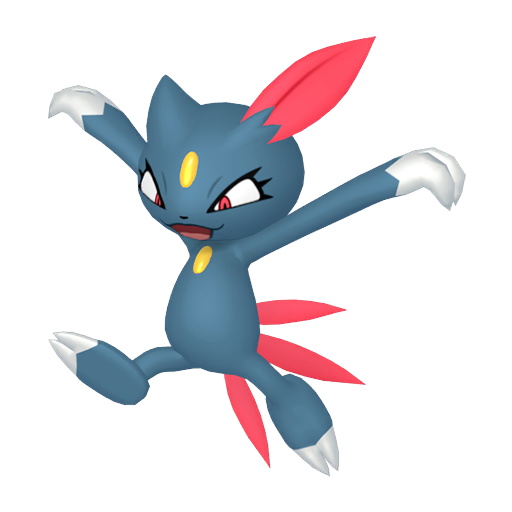
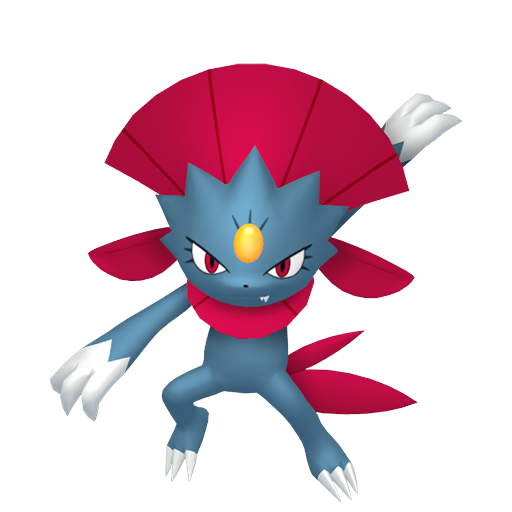
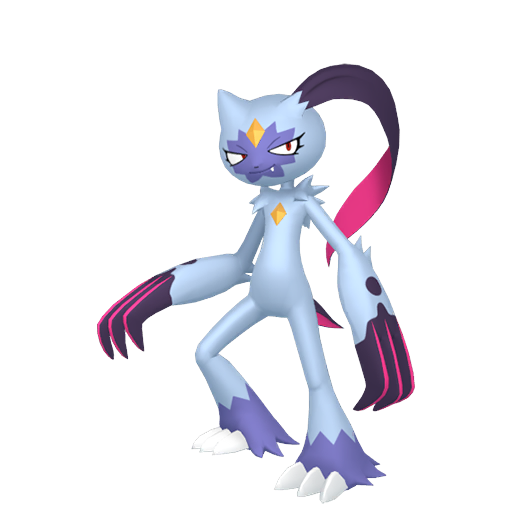
The speed check matters. Priority +3 means you're both in the same priority bracket, so raw Speed decides order. Infernape at 108 reliably beats Incineroar at 60. But if the opponent's Fake Out user is faster than you — like a Weavile (Speed 125) — you can't guarantee going first in the priority bracket, and the whole read falls apart.
Don't confuse Upper Hand with a general-purpose priority attack. It's specifically anti-priority tech. If the opponent stops leading with priority moves, you're holding a Fighting-type move that does decent damage but has no defensive read value. Adjust mid-game.