











What it does
Lum Berry triggers automatically when the holder is inflicted with any major status condition — Paralysis, Burn, Sleep, Freeze, or Poison — and cures it instantly. One use per battle. No move required; the opponent cannot play around it with a switch the way they can with manually used items.
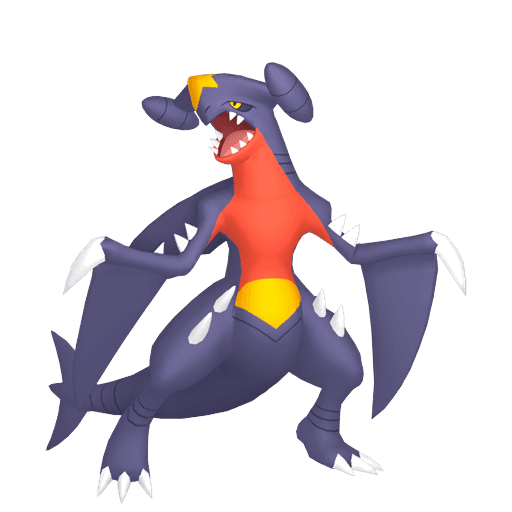
Run the numbers first. Take Gyarados with a Speed Stat Points investment maxed at 32 — at Lv50 that lands around 147 Speed. A Thunder Wave cuts that to roughly 73, meaning a wide band of mid-speed Pokémon suddenly move first: Arcanine at around 167, Garchomp at around 179, even things near base 80 that were previously slower. The +1 Speed from a Dragon Dance that turn is completely erased. Lum Berry cancels the paralysis and keeps that +1/+1 intact — that is the entire point.
Champions status is deliberately weaker than standard formats: Thunder Wave's full-stop chance drops to 12.5%; Sleep caps at 3 turns; Freeze is capped at 3 turns with a 25% thaw chance per turn. Status alone is less dominant — but for a sweeper, the damage isn't the RNG proc. It's that the opponent's status move traded evenly with your setup turn. They spent one turn to waste yours. Lum Berry makes that trade into a zero-for-one in your favour.
Who runs it
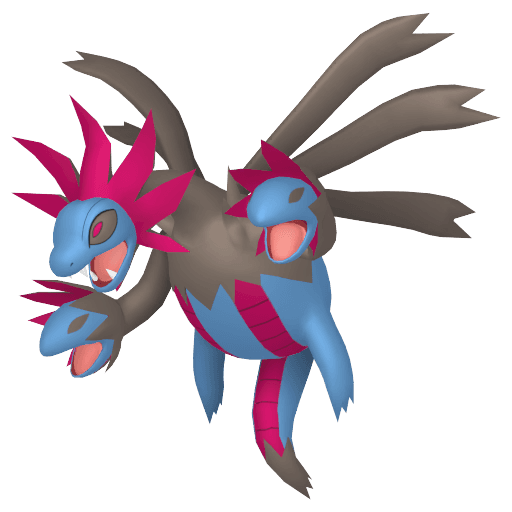
Dragonite: Multiscale handles the first hit, Dragon Dance is the opening move. Every experienced opponent knows this, so turn 1 status attempts — Thunder Wave, Will-O-Wisp — are the most common disruption plan. Lum makes turn 1 status a completely wasted action. Turn 2 Extreme Speed with priority or a second Dragon Dance follows on schedule.
Gyarados: Switches in for Intimidate, then sets up. A Will-O-Wisp landing after entry effectively undoes the Attack drop it just inflicted — the opponent is back to the same damage output, and you're bleeding. Thunder Wave drops it below the mid-speed tier it needs to be above. Lum lets both the Intimidate chip and the setup move carry their full value.
Ceruledge: The Bulk Up into Bitter Blade recovery loop stacks bulk over multiple turns. A Burn mid-chain cuts physical output in half and burns HP through the recovery. Without Lum, the entire loop collapses to one well-placed Will-O-Wisp. Lum is not optional here.
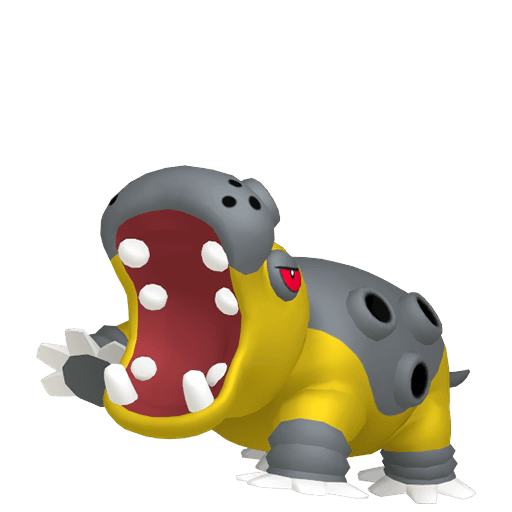
Flareon: Runs Lum Berry at roughly 59% in current usage data. Flash Fire eliminates the Fire weakness, but Poison, Paralysis, and Burn land as normal. Lum patches that gap directly without sacrificing offensive output for a defensive held item.
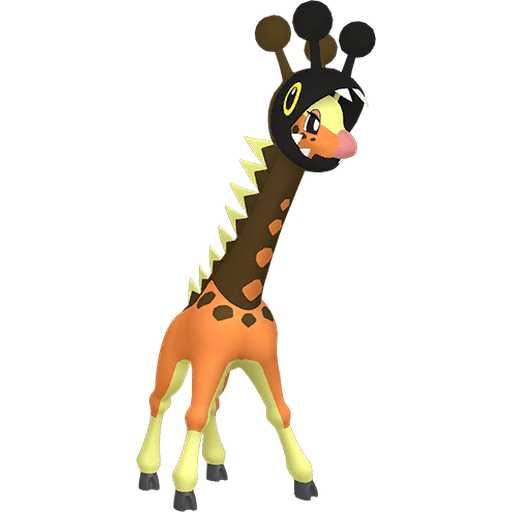
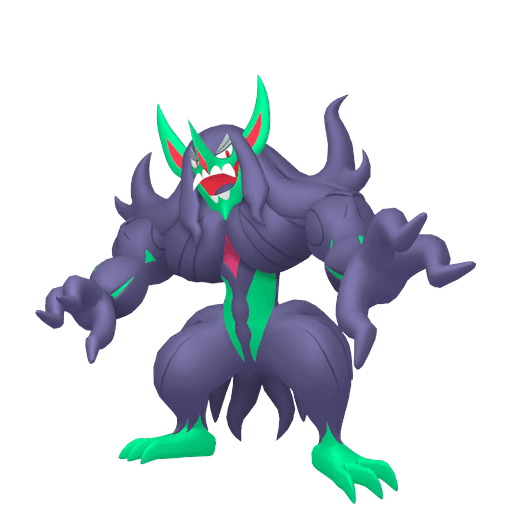
Gliscor: Support-oriented sets often use Tailwind; its own Speed is the prerequisite for getting that off first. A Nuzzle landing before it can move turns a support win into a wasted turn.
Singles and doubles both use it. Doubles pays better — Spore, Thunder Wave, and Will-O-Wisp users can all exist on the same opposing team, meaning your sweeper faces layered status pressure on the same turn. The breadth of what Lum covers is more valuable when more sources exist simultaneously.
How to use it
Standard turn sequence (Dragonite example):
- Turn 1: Use Dragon Dance. Opponent fires Thunder Wave — it hits, Lum triggers immediately, paralysis is removed, +1 Speed/+1 Attack remain.
- Turn 2: You are now faster than you were, opponent used their status slot for nothing. Extreme Speed with priority or a second Dragon Dance follows. Local is defined.
One move, zero net damage to your plan. That is the exchange Lum forces.
On-switch resolution: Lum fires in the same turn you switch in. Gyarados comes in, Intimidate fires, opponent immediately throws Thunder Wave — Lum resolves it that turn, Gyarados moves normally next turn. No lost time.
Doubles execution: Follow Me or Rage Powder from a redirect partner pulls status moves away from the sweeper as a first line. But if the opponent splits attacks, the sweeper with Lum absorbs the status that gets through without the redirect needing to land every time. Critical decision point after Lum fires: does the opponent still have a second status user live? If yes — push or retreat? Staying in against a guaranteed second status move is usually a mistake.
After Lum fires: Status protection is gone. The most common error is continuing to set up reflexively after Lum triggers, then getting caught by a second status move at +2 — the strongest moment to be disrupted. Read the board: if a second status source is obvious, switching out now and re-entering fresh extends the sweeper's actual window more than pushing through does.
Tips & strategy
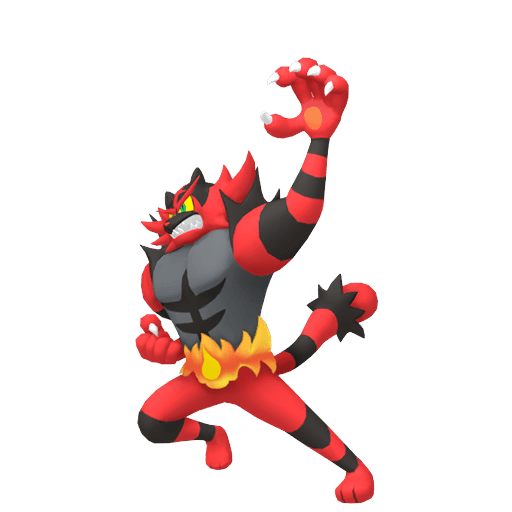
The beginner error: Running a Knock Off user on the opposing team that is fully visible in Team Preview — Incineroar, Urshifu — and then opening with setup instead of Protect. Turn 1 Lum is knocked off. Turn 2 the status move lands with no protection remaining. The fix is straightforward: if the opponent's Knock Off user is in plain sight, turn 1 Protect scouts and forces them to waste or switch. The Lum is only useful while it's held.
Team Preview telegraphs it: Experienced opponents identify your Lum user during Team Preview and plan to trigger it on purpose early — throw a status move turn 1, burn the item, then follow up with a second status move later when the sweeper has no coverage. Knowing this is expected, you have two counters: (1) avoid giving them a clean status turn early so the item never triggers on their timeline; (2) switch out before the second status move lands and re-enter when it matters.
Freeze-specific value: Freeze thaws at 25% per turn with a 3-turn cap. For a sweeper that has already spent turns building boosts, even one to three frozen turns inside the critical window is a full loss. Lum removes it immediately rather than gambling the 25% roll. Against teams with Ice coverage on physical attackers, Lum's freeze insurance is as relevant as its paralysis coverage.
The full counter-play menu: Knock Off before any status move is the cleanest answer. Beyond that — bait Lum with a throwaway status move (Nuzzle before Thunder Wave) to expend the item, then land the higher-value status. Or bypass Lum entirely: Corrosion poisons Steel and Poison types through their normal immunity, though Lum still cures it; alternatively, skip status altogether and focus fire to remove the Pokémon before setup completes.
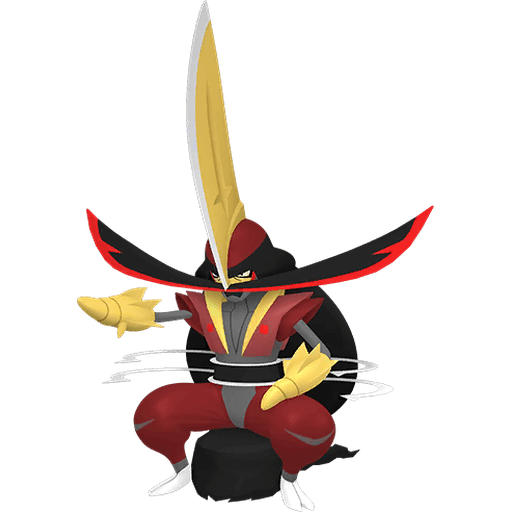
When not to run it: Hit-and-switch attackers — Iron Valiant on Choice Scarf, Urshifu hitting once and rotating out — never intend to stay on the field long enough to build anything worth protecting. On those Pokémon, Choice Band or Life Orb converts the item slot into direct damage output. Lum Berry's value scales linearly with how many turns the Pokémon plans to remain on the field — the shorter the stay, the weaker the case for it.