















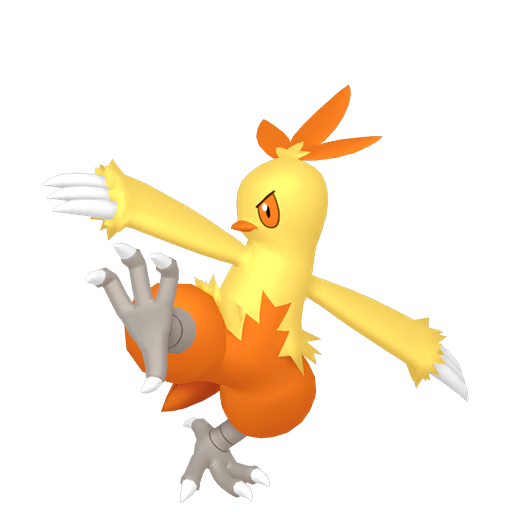
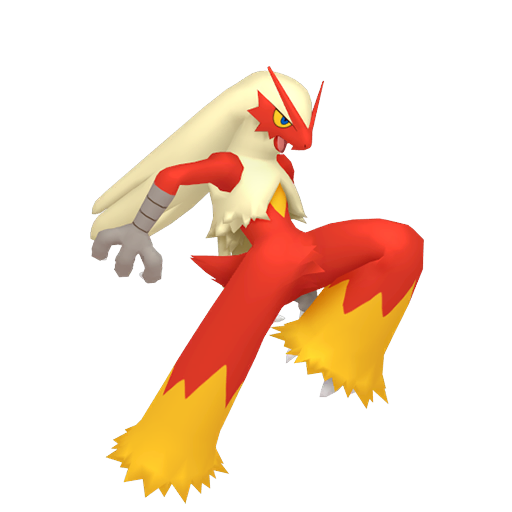



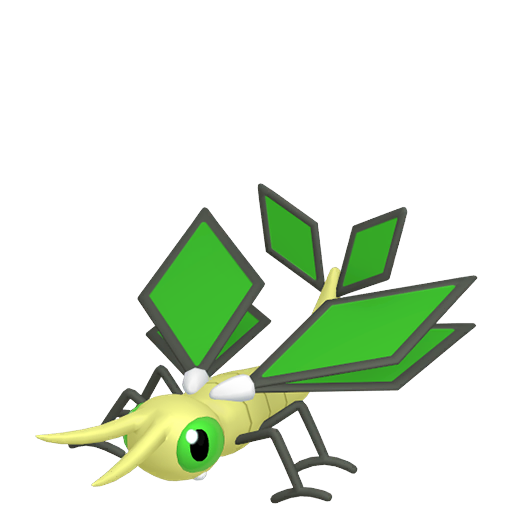



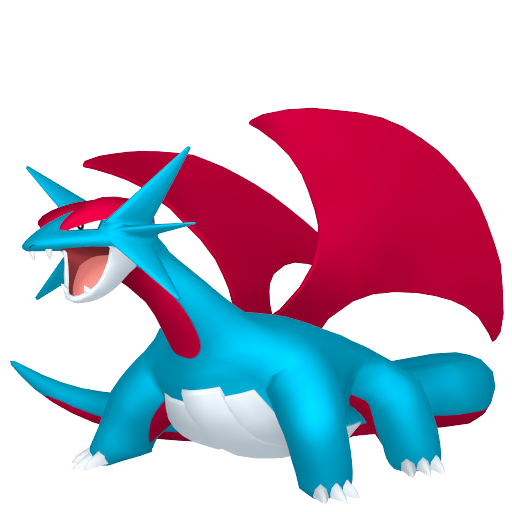























What it does
Heat Wave is a Fire-type special move: 95 base power, 90 accuracy, 10% burn chance. One property drives everything: it's a spread move, hitting both opposing slots simultaneously in doubles.
The spread modifier is ×0.75, which looks like a raw nerf until you work through the full stack. Under sun (×1.5 Fire), with STAB (×1.5), and spread (×0.75), the combined multiplier is 1.5 × 1.5 × 0.75 = 1.6875. Apply that to 95 base power: 95 × 1.6875 ≈ 160 effective power, spread across both targets, with a 90% accurate move. Even without sun — STAB only at ×1.5, spread at ×0.75, net ×1.125 — you're looking at ≈107 effective power hitting two slots for one action. Fire Blast at 110 power and 85 accuracy hits one target. The math isn't close.
Compared to the obvious alternatives: Overheat bases at 130 power but drops Special Attack two stages each use, making it a diminishing-returns tool that collapses in sustained play. Flamethrower is the 95-power 100-accuracy consistency option, but single-target. Heat Wave's niche isn't "highest single output" — it's turn economy: one action applies genuine damage threat to two slots, forcing Protects, forcing switches, forcing your opponent to respond rather than act.
In singles, Heat Wave rarely wins out. The spread benefit vanishes, 90 accuracy undercuts Flamethrower's 100, and it doesn't touch Overheat's ceiling. It exists in singles as a niche pick to avoid the Special Attack drop, nothing more. Doubles is its format.
Who runs it
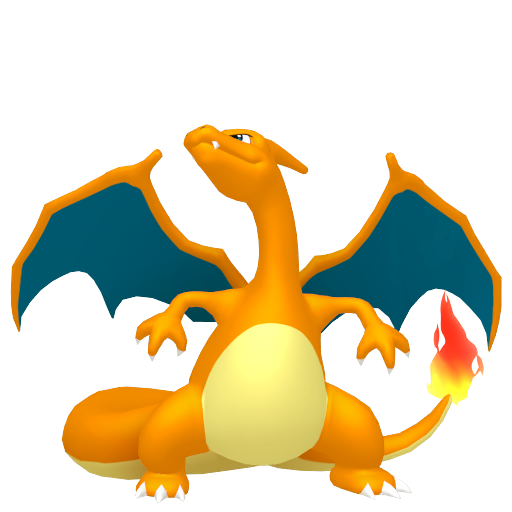
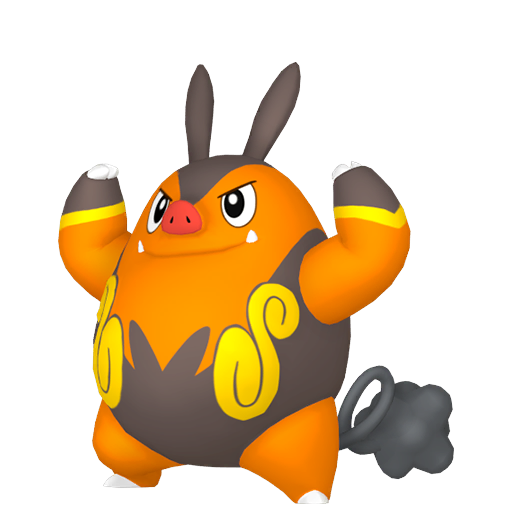
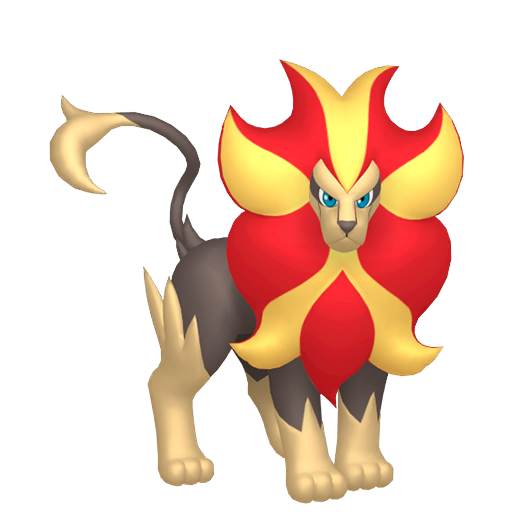
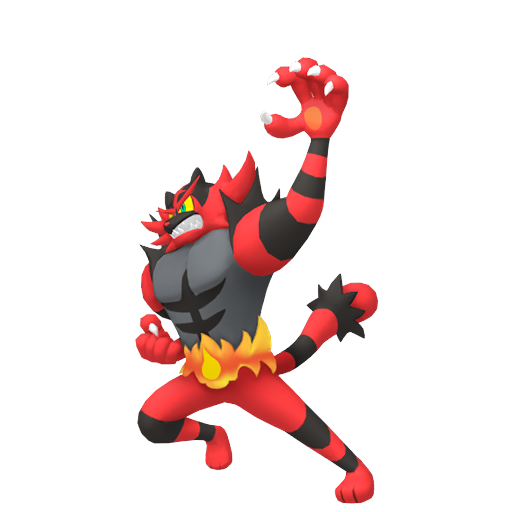
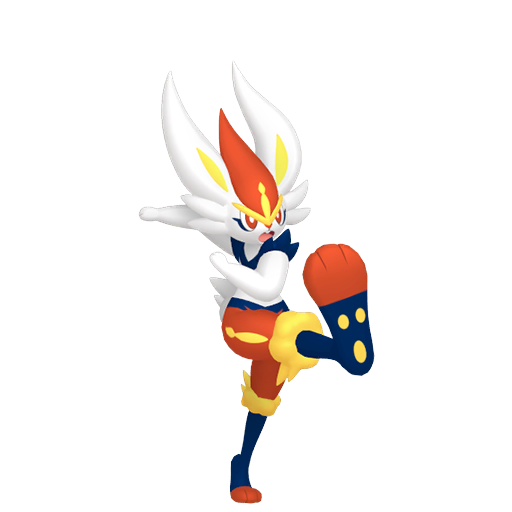
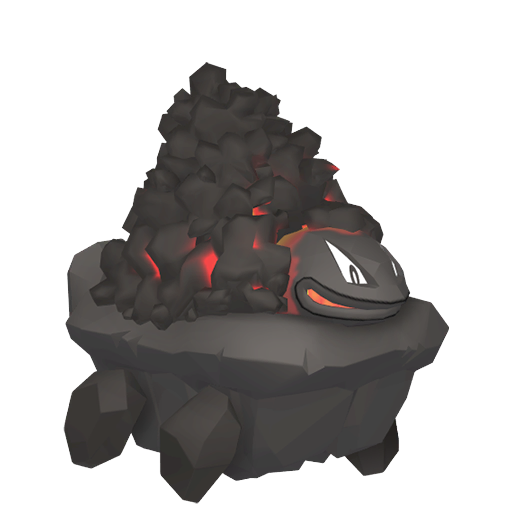
Sun special cores are the primary home. Charizard with Solar Power is the template: Timid nature, Stat Points invested heavily into Special Attack and Speed. Paired with Torkoal for Drought auto-sun and Incineroar for Fake Out disruption, Charizard's Heat Wave under sun is one of the highest-efficiency spread attacks in the format. Torkoal itself runs Heat Wave too (often with Charcoal), serving as both weather setter and meaningful damage contributor — a dual role that explains why it anchors sun teams rather than just enabling them.
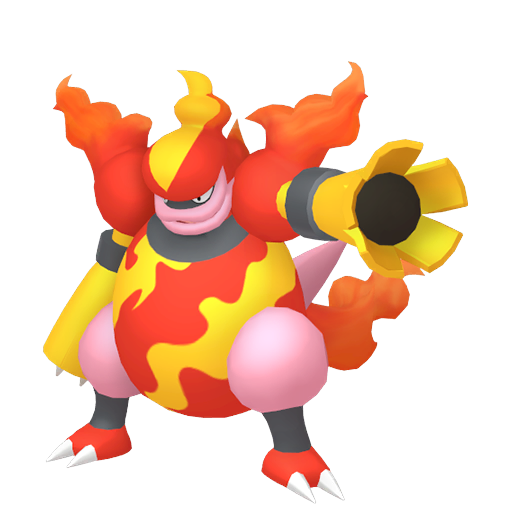
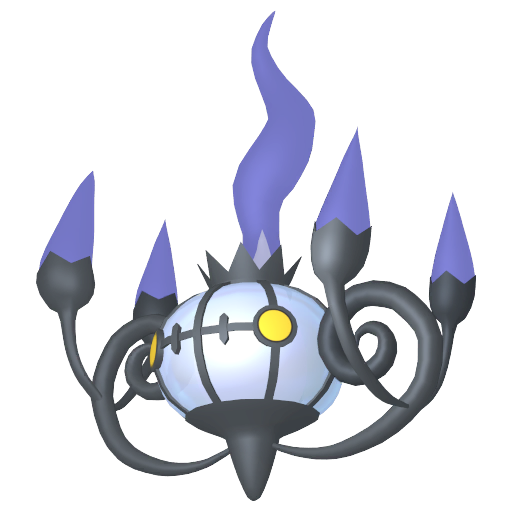
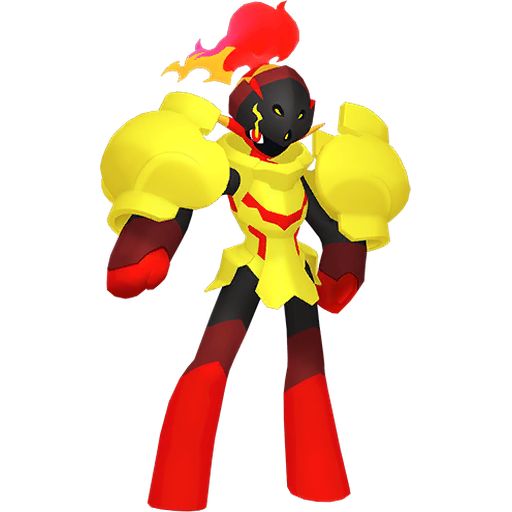
Trick Room Fire-types depend on it heavily. Chandelure is the clearest case: it sets Trick Room or abuses it thanks to very low base Speed, and Flash Fire lets it absorb an opponent's Fire move for a Special Attack boost before firing back with a powered-up Heat Wave. Life Orb adds ×1.3 to each hit but costs 1/10 HP per use — if Chandelure uses Heat Wave ten times under Life Orb, it's dead from recoil alone; the target is to sweep fast under Trick Room rather than outlast. Armarouge follows the same pattern, mixing Wide Guard utility with spread damage output in the same slot.
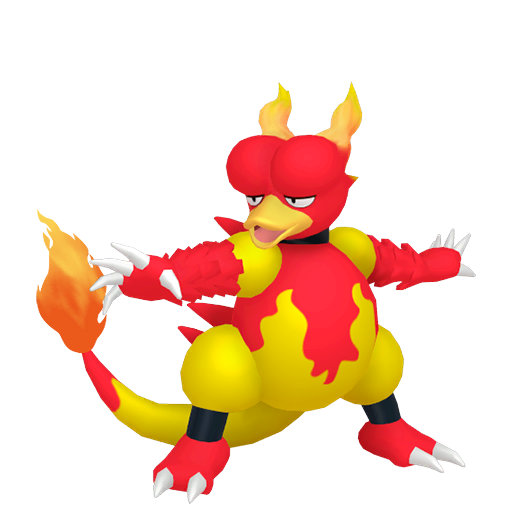
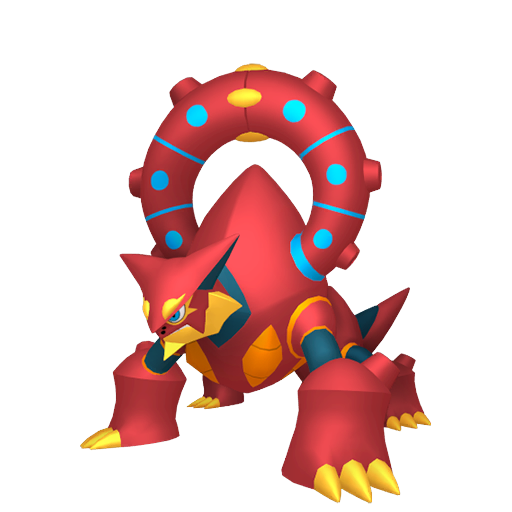
Support-attacker hybrids: Volcarona uses Rage Powder to redirect attacks off its partner and Quiver Dance to set up, while Flame Body punishes physical contact. Heat Wave is its damage contribution — "distraction tank that still threatens the board" is the archetype, not "damage dealer."
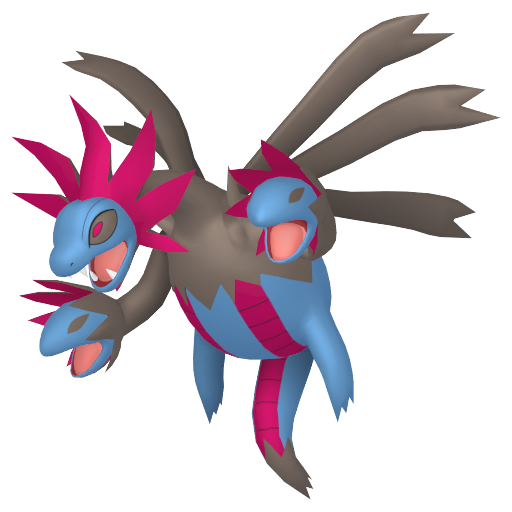
Non-STAB coverage users: Hydreigon has no Fire STAB at all, but Steel-types threaten it badly and are everywhere in doubles. Running Heat Wave means one action hits both opposing Steel-types simultaneously rather than requiring sequential single-target cleanup. This is the core argument for non-STAB spread moves: efficiency comes from target count, not the STAB multiplier.
How to use it
Sun team standard turn pattern (Charizard + Torkoal core):
- Turn 1: Torkoal auto-triggers Drought. Partner Incineroar uses Fake Out to flinch the faster opposing threat, buying a free turn. Opponents haven't had the chance to establish their own game state yet.
- Turn 2: Sun is confirmed. Bring in Charizard and fire Heat Wave into both slots. If opponents didn't Protect on turn 1 (common when they're managing the Fake Out threat), you can lead directly with Heat Wave on turn 1 for immediate board pressure.
- Remaining sun turns: Drought lasts 5 turns under Champions rules. The entire damage plan needs to execute within this window. That's not a long time — prioritize KOs over accumulation.
The Protect read — where Heat Wave earns its slot: The standard doubles Protect pattern is "one slot Protects, the other switches." Against a single-target Fire move, you're blanked — full action wasted. Against Heat Wave, you still hit the switching-in Pokémon (or the non-Protecting slot), landing full spread-modified damage off that action. You're not blanked; you're discounted. That asymmetry is why spread moves are good: your action's floor is higher than your opponent's defense can suppress.
Singles: Not recommended unless you have a specific reason to avoid Overheat's Special Attack drop AND you care about the 5-point accuracy gap between Heat Wave and Flamethrower. That scenario is narrow. Default to Flamethrower for consistency or Overheat for burst.
Trick Room tempo: Chandelure and Armarouge in TR use Heat Wave as accumulated chip damage rather than a finisher. TR already handles the speed problem — just click Heat Wave consistently, grind both HP bars down, and let the math work. You're not looking to one-shot anything; you're looking to leave both opponents weak enough for your team's follow-up to clean.
Tips & strategy
Solar Power HP math — know your exits: Charizard with Solar Power is the scariest Heat Wave platform in the format, but Solar Power drains 1/8 max HP each turn. Under Life Orb, that's an additional 1/10 HP per move used — stacked together, a Charizard using Heat Wave every turn under both conditions loses roughly 18% HP per turn from passive sources alone. At that rate, it survives about 5 turns before self-destructing. The discipline required: before clicking Heat Wave, estimate how many HP thresholds the opponent can survive, and decide whether this attack closes the game or just enables your own self-destruction. A common beginner autopsy: opponent is at 30% HP, player clicks Heat Wave, misses, and Charizard self-kills next turn from Solar Power + Life Orb. The fix is tracking your own HP drain and knowing when to stop attacking and pivot.
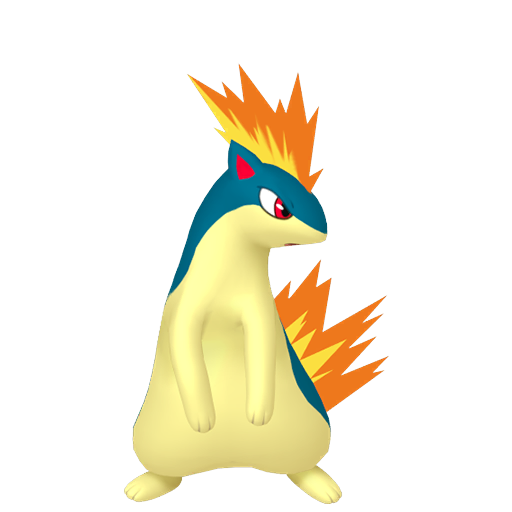
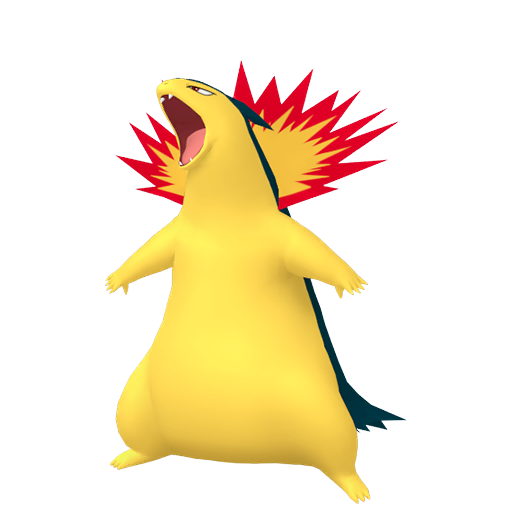
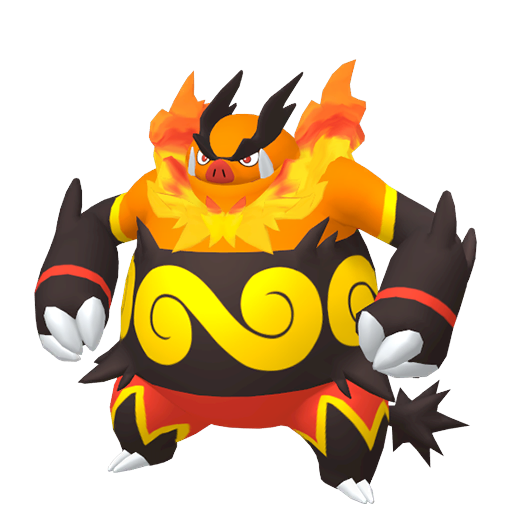
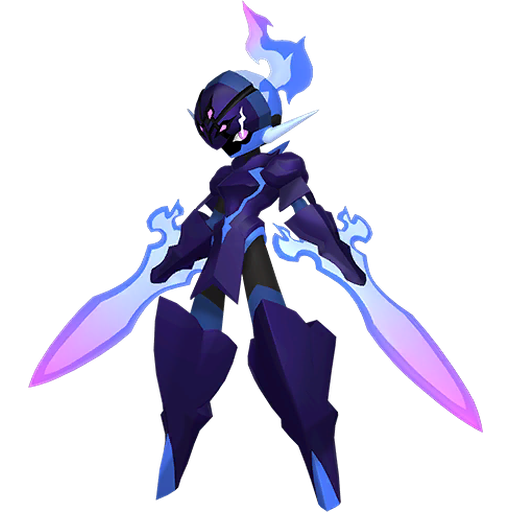
Flash Fire — the read you cannot skip: Chandelure, Armarouge, Ceruledge, and Typhlosion all frequently carry Flash Fire. Firing Heat Wave into an active Flash Fire user doesn't just fail — it hands them a Special Attack boost to use against you. In team preview, if you see any of these Pokémon, mentally flag them: "don't click Heat Wave while this is on the field." If the opponent actively switches one in to absorb your Heat Wave, that's a read — stop clicking Fire moves, threaten with something else until the Flash Fire user is removed, then return to your spread plan.
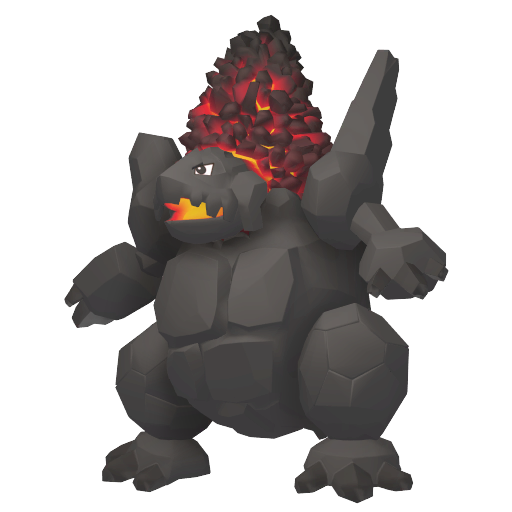
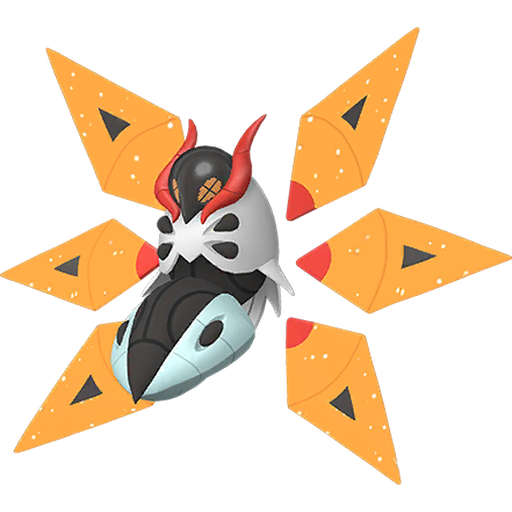
Wide Guard — the blanket shutdown: Steelix, Araquanid, Garganacl, and Chesnaught are among the most common Wide Guard carriers, and they collectively appear often enough that planning around them is mandatory. Wide Guard completely negates Heat Wave on the turn it's used — and unlike Protect, it can't be cycled through by throwing random moves; the opponent can use it again later. The irony is that spread moves are better against Protect than singles moves, but worse against Wide Guard: a spread move blocked by Wide Guard loses both hits, not just one. Counterpressure: threaten the Wide Guard user directly with a faster single-target move or a Pokémon it doesn't want to take a hit from. Force it into Protect instead of Wide Guard, or bait the Wide Guard one turn and switch to a non-spread action the following turn.
Rain erases your entire game plan: Pelipper's Drizzle overwrites sun and halves Fire-type damage. The swing from sun-boosted (×1.5) to rain-nerfed (×0.5) is a factor of three — a Heat Wave that would 2HKO under sun might barely 4HKO in rain. Against rain teams, the correct response isn't to keep clicking Heat Wave hoping something happens; it's to identify Pelipper as a priority target or shift damage output to your team's non-Fire options. This is exactly why doubles teams need secondary damage sources that don't share a rain weakness: Fire-based spread coverage alone cannot carry a game plan against the most common weather archetype.