




















What it does
Avalanche has a low base power that would not normally justify a moveslot. The condition that changes everything: if the target was the last Pokémon to damage the user in the same turn, the move's power doubles.
In doubles, this condition has a specific edge worth knowing. With two opponents, only the last attacker to hit you that turn triggers the doubled power on that target. If both foes attacked you, only the second one to land a hit will let you double Avalanche's power when you target them. Aim at the wrong one and you are stuck with the weaker version.
One mechanic note from the effect: 'Pain Split does not count as dealing damage to yourself' — indirect damage sources do not trigger the condition.
After doubling, the power becomes significant. For a naturally bulky Pokémon, this creates a defensive counterattack loop: let the opponent come to you, eat the hit with your bulk, pay it back double.
Who runs it
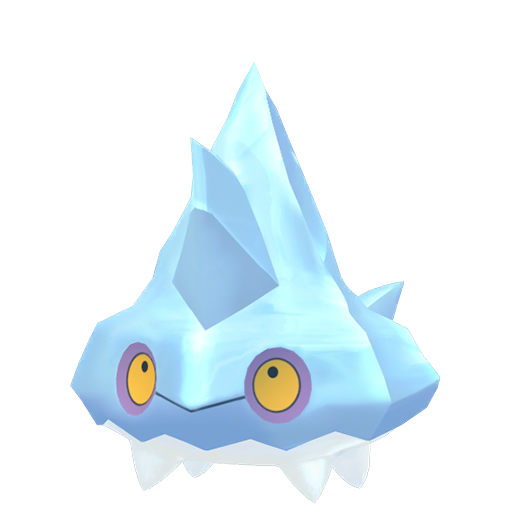
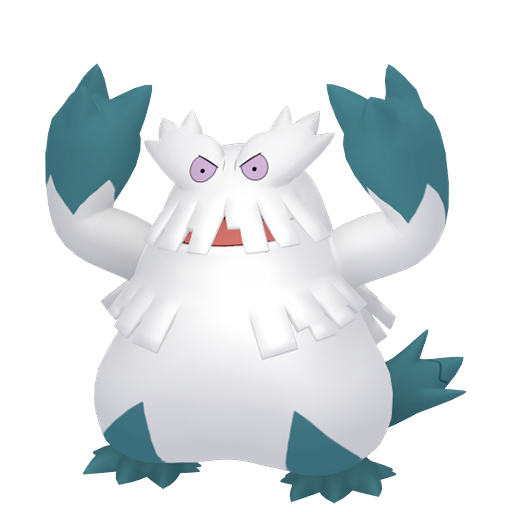
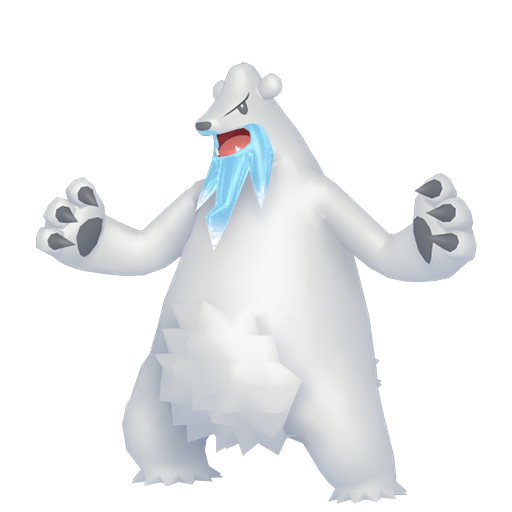
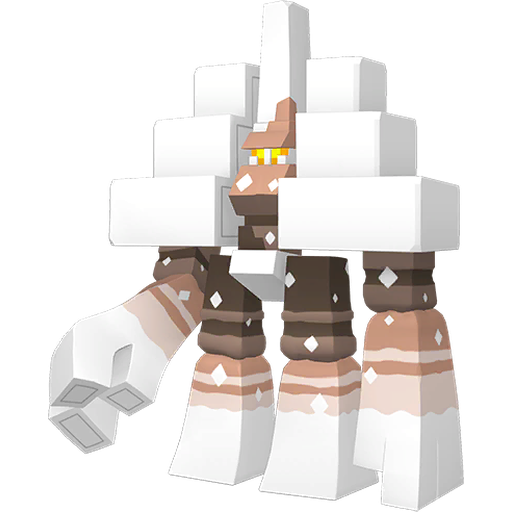
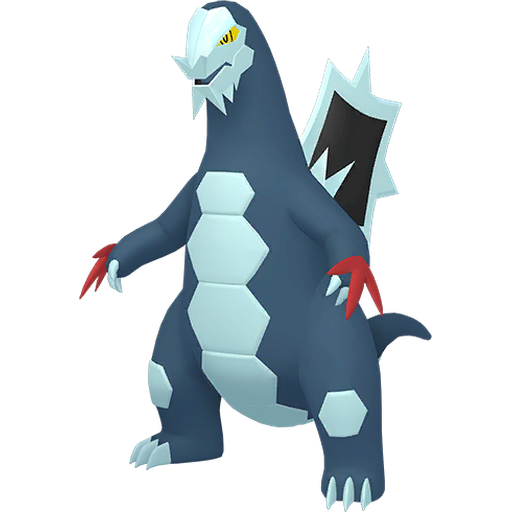
Avalugg uses Avalanche at 10%. It has very high Defense and can absorb physical hits with ease — taking a hit then retaliating with doubled Avalanche power is its exact gameplan. Avalugg is slow, which actually helps: being slow means acting last, which means it is more likely to have been hit before it fires back. Ice STAB also gives it relevant coverage against Dragon and Grass types.
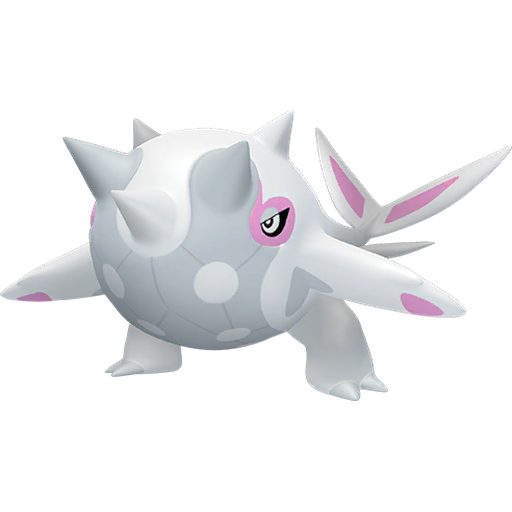
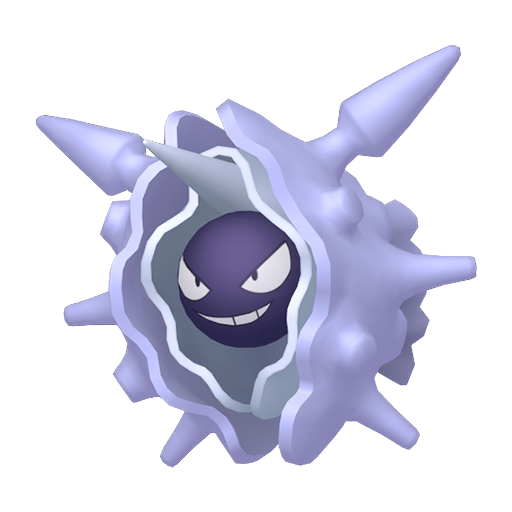
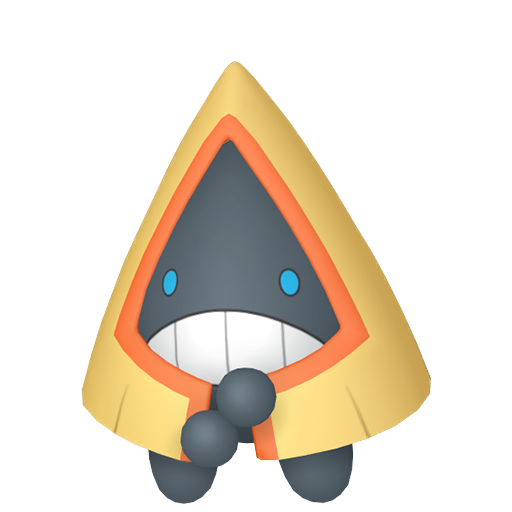
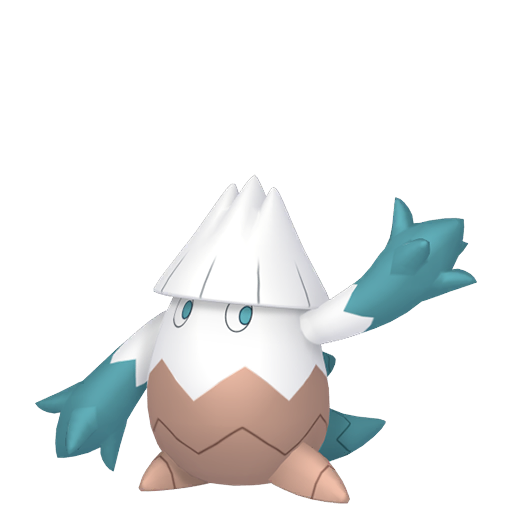
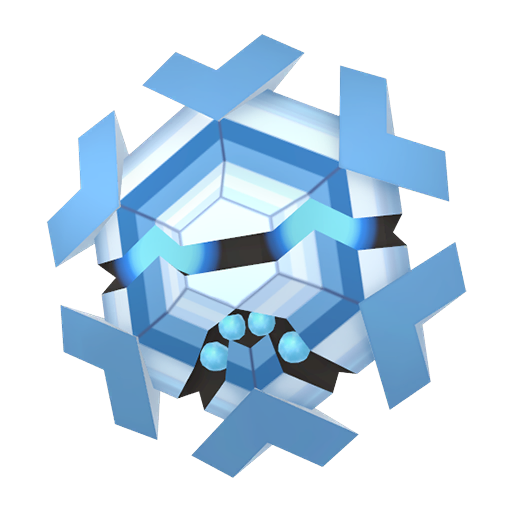
Castform runs Avalanche at 14%, specifically in its Snowy form during hail or snow. In snow, Ice-type Pokémon receive a Special Defense boost, adding some durability. Avalanche gives it a reactive Ice STAB option that pays off once it has taken damage in the same turn — a low-cost way to threaten damage without committing to a purely offensive slot.
How to use it
Using Avalanche means accepting that you will take damage first. Do not look to dodge the hit — staying in and absorbing the attack is how you set up the double. Switching out to avoid damage defeats the purpose.
In doubles, read which opposing Pokémon will move last. That is your Avalanche target. If your read is wrong and you aim at the Pokémon that moved first, you lose the doubled power entirely — you just used a low-power Ice move for nothing.
Slow Pokémon handle this naturally. Avalugg's Speed floor means it almost always acts after the opponent, and that is the condition Avalanche wants. The slower you are, the more reliable the trigger.
Trick Room presents a trade-off. Under Trick Room, slow Pokémon move first — but that means they act before taking damage, which makes the doubled power condition harder to trigger. Decide upfront whether you want the reactive double-power version or just a first-strike Ice move.
Tips & strategy
Avalanche's ideal target is the opposing physical attacker — the same Pokémon that will be hitting you. Avalugg's high Defense means it can absorb a physical hit and still be healthy enough to fire back with doubled power.
Ice coverage hits Grass, Dragon, Flying, and Ground types super-effectively. Against those matchups, a doubled Avalanche can end cleanly.
A doubles-specific read: if the opponent leads with a Fake Out user alongside a main attacker, the Fake Out moves first and the main attacker second. The main attacker is your last-damage source — that is the Avalanche target, not the Fake Out user.