



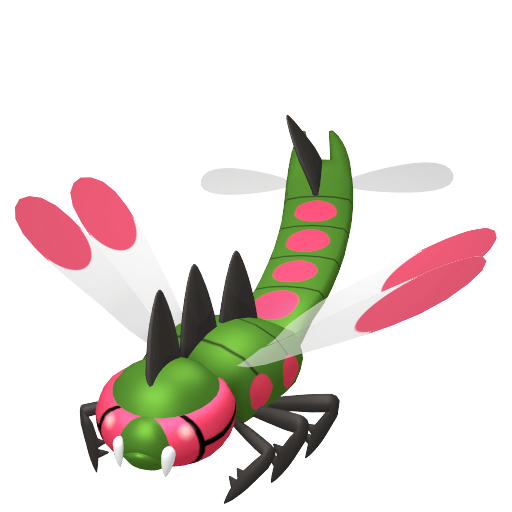
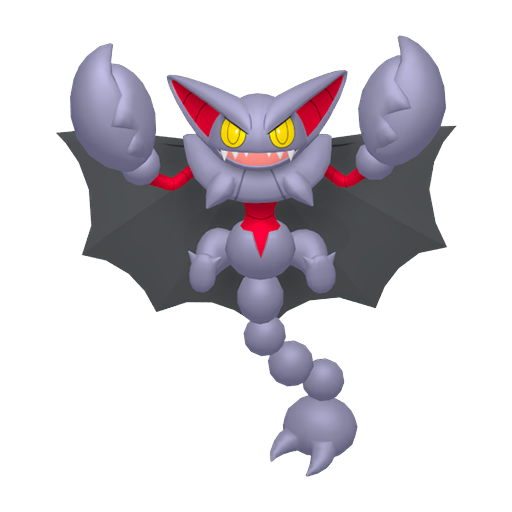
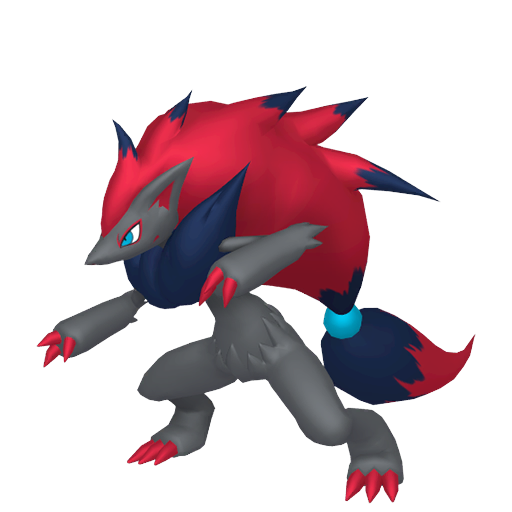
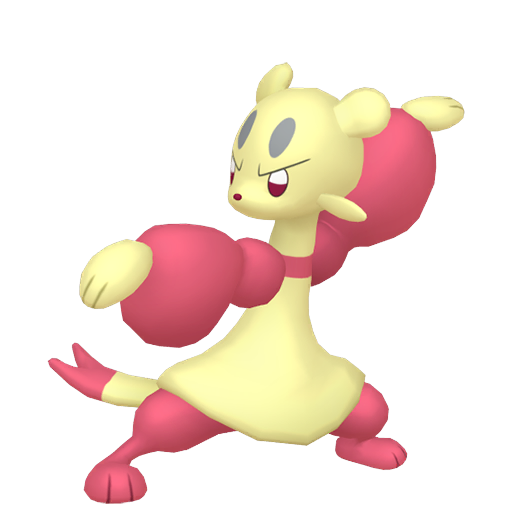








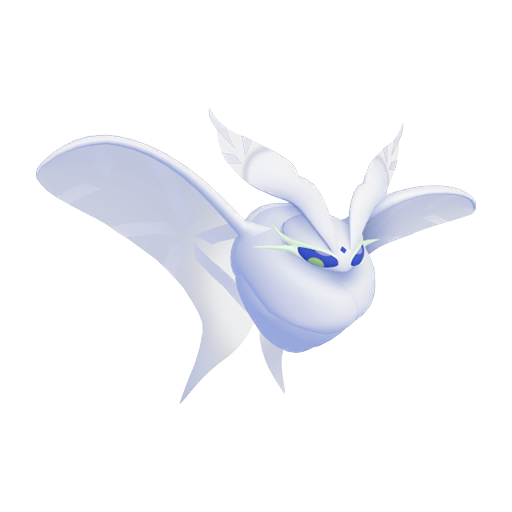
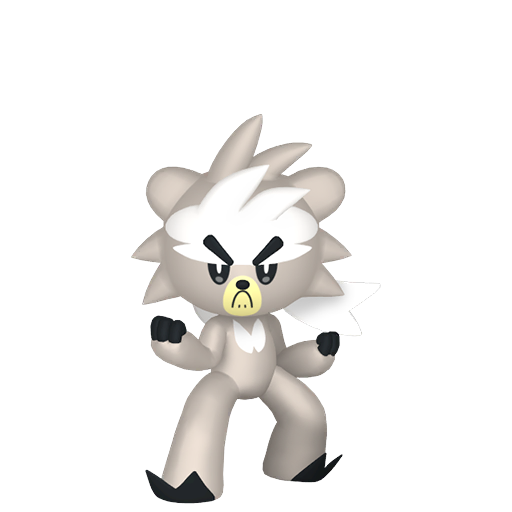
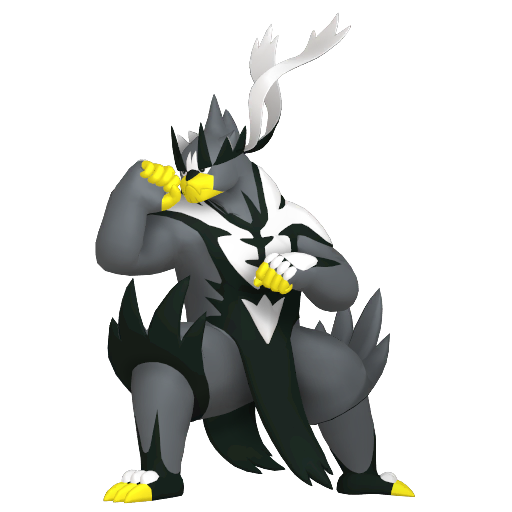



What it does
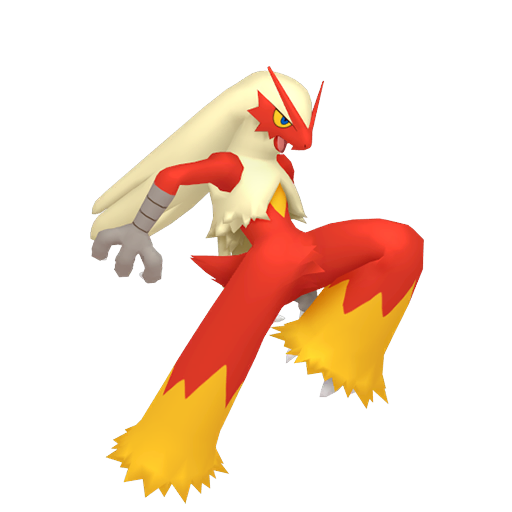
U-turn is a 70-power Bug-type physical move that deals damage, then immediately switches the user out for a Pokémon of your choice from the bench. The damage is secondary — the real value is pivoting without burning a turn.
A normal switch hands your opponent a free action. U-turn deals damage first and forces a dilemma: eat Bug-type chip, or accept the matchup you land in after the pivot. Either way you come out ahead.
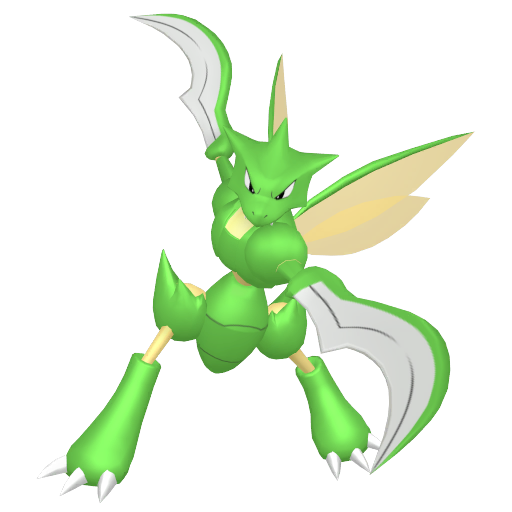
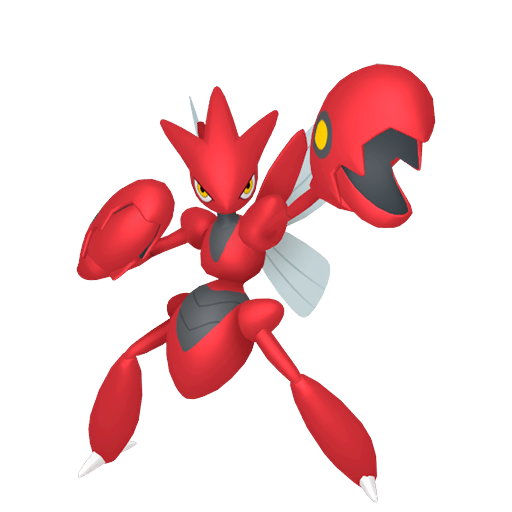
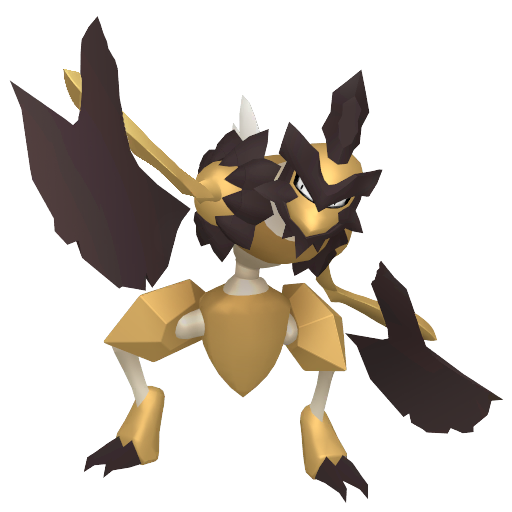
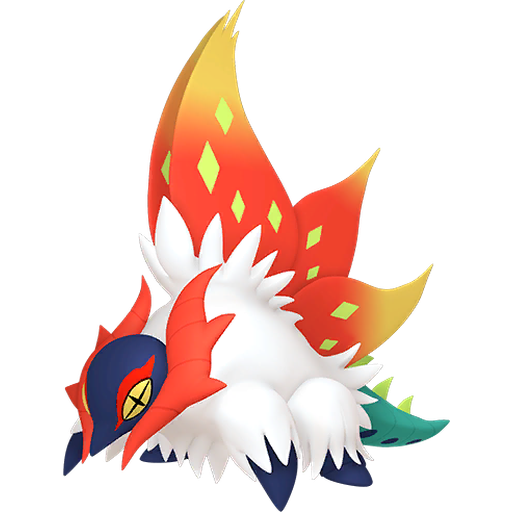
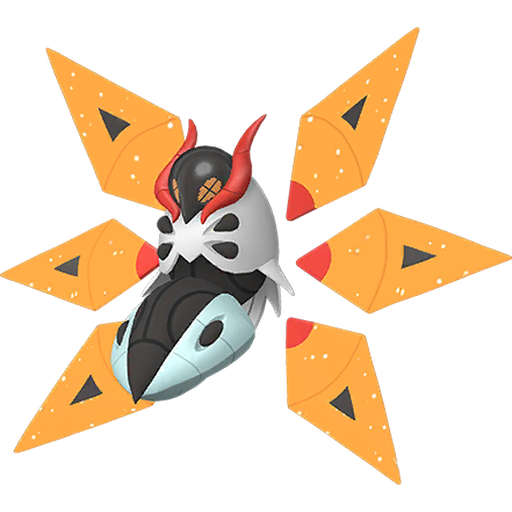
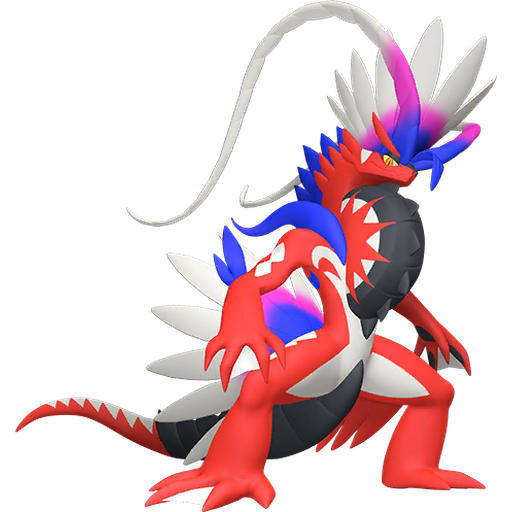
The numbers that make it matter: Kleavor running Choice Scarf hits roughly 219 Speed — faster than almost every unboosted 135-base-Speed threat in the tier. It can move first, land U-turn, and if the target is holding Focus Sash, that chip pops the sash cleanly, letting the next switch-in finish the KO. On paper, 70 power with STAB ×1.5 is 105 neutral effective power — not a nuke, but not negligible chip either. And on Scizor, Technician boosts moves with 60 or less base power by ×1.5 — except U-turn is 70, so Technician does NOT apply. Scizor's value is the 105 neutral-equivalent chip paired with STAB, plus the free escape, not a Technician bonus.
The other key function: Choice Scarf locks a Pokémon into its first move. U-turn collapses "scout + pivot + lock-reset" into one action. The Scarf user returns to the bench still locked to U-turn, but gets redeployed later as a fresh threat.
Who runs it
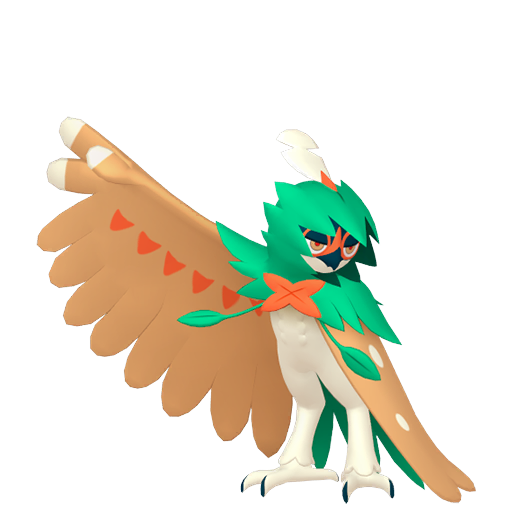
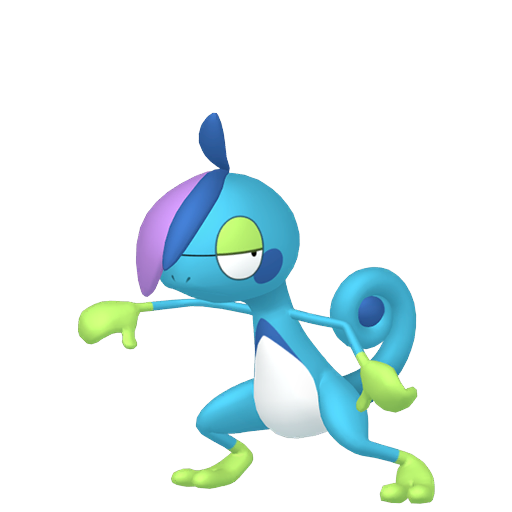
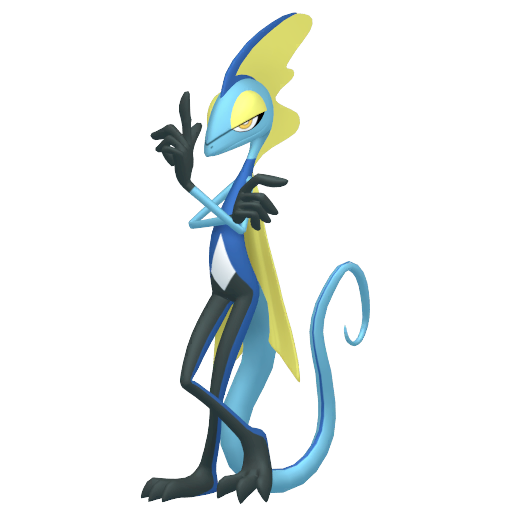
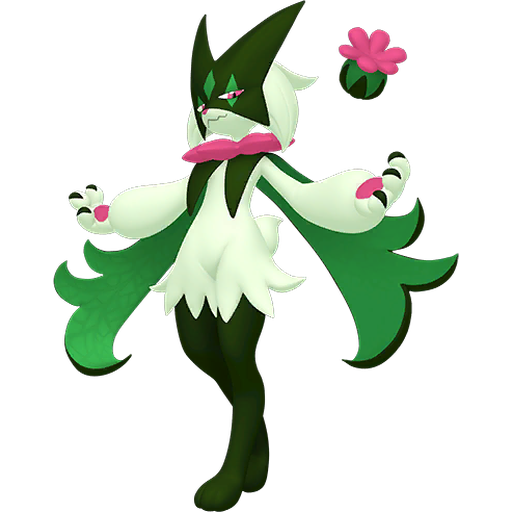
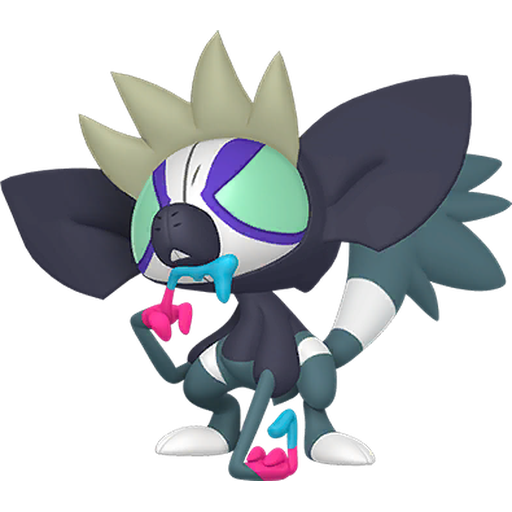
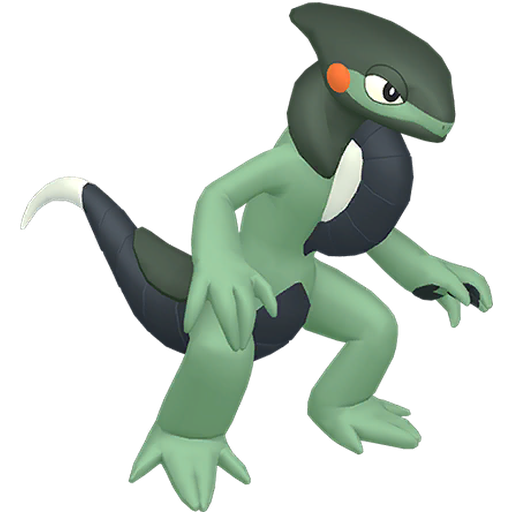
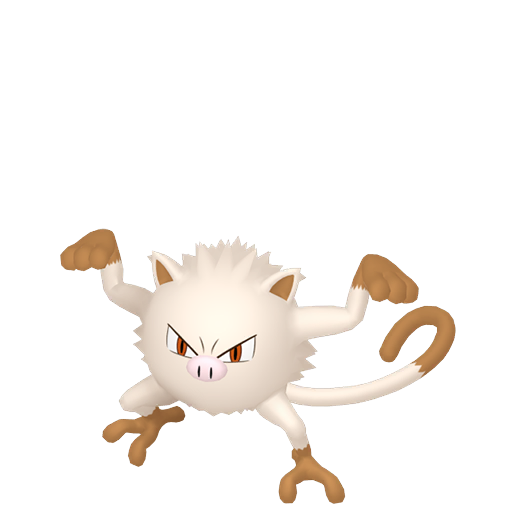
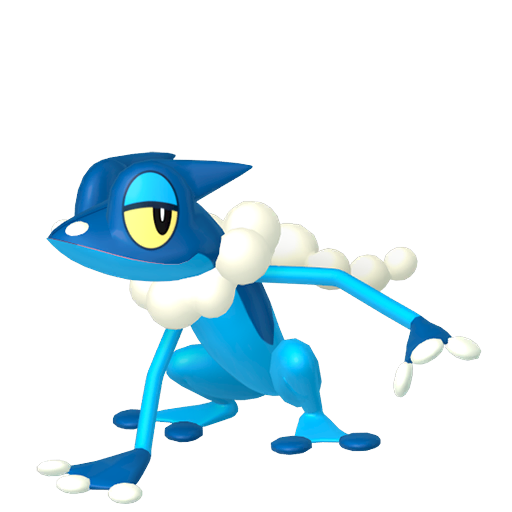
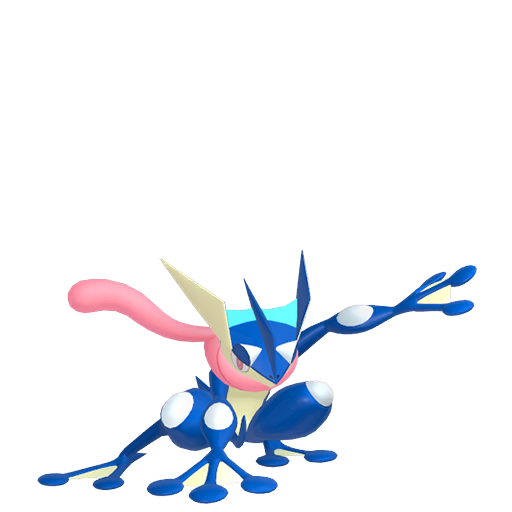
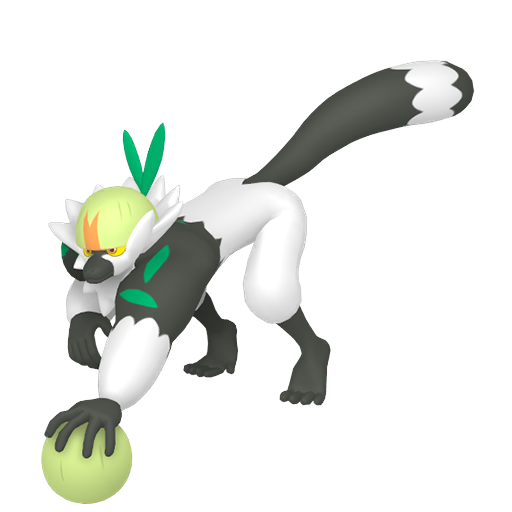
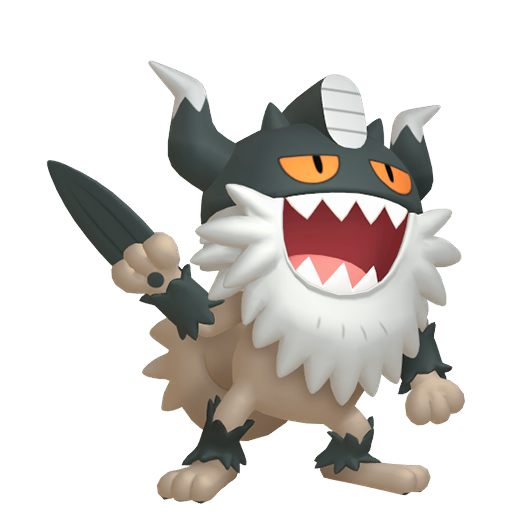
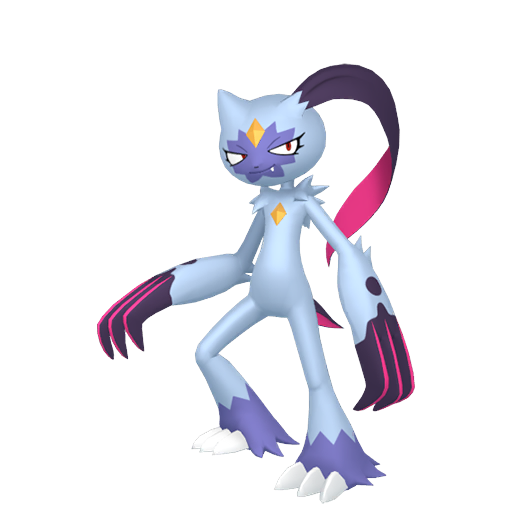
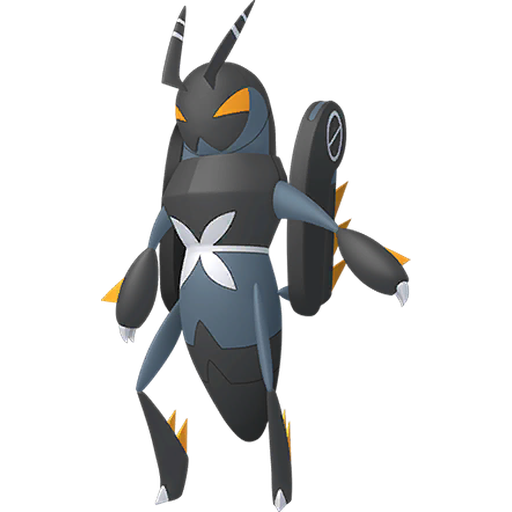
Fast Choice Scarf scouts: Kleavor (Bug/Rock, ~50% usage) has a narrow offensive coverage spread and can't afford to be locked into a wrong move. U-turn is its primary escape valve. Meowscarada (Grass/Ghost, Speed 123, ~184 with Scarf) outpaces nearly every unboosted threat and uses U-turn to bail out of bad matchups without wasting momentum. Greninja (Water/Ghost, Speed 122) pairs U-turn with its form-changing ability: switch in, identify the opponent's type, pivot out, then re-enter later with the right move loaded. The U-turn click is literally step one of its scouting loop.
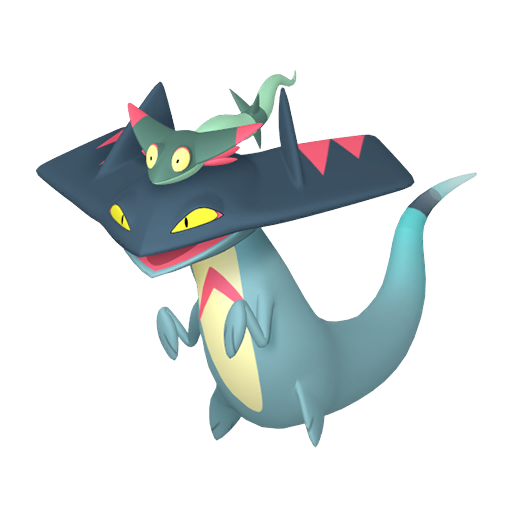
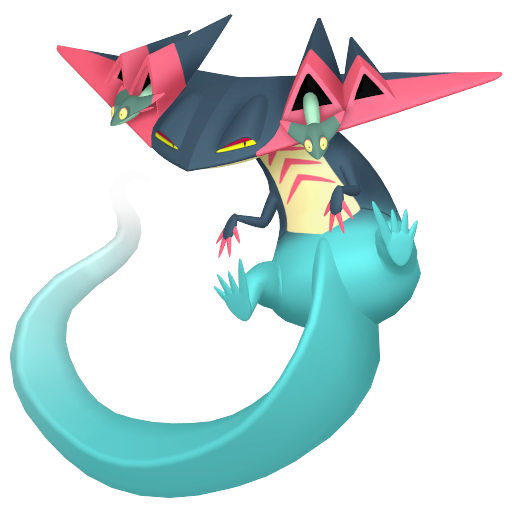
Mid-speed utility pivots: Scizor (Steel/Bug, Speed 65) does not use speed — it uses STAB Bug ×1.5 for 105 effective neutral power on the chip, and the pivot to escape unfavorable responses. Dragapult (Dragon/Ghost, Speed 142, ~21% usage) runs U-turn to stay mobile in bad spots while retaining offensive pressure. It's the glue pivot that connects every part of a team's switch chain.
General rule: fast physical attackers with low switch-in cost benefit most. Slow or entry-punished Pokémon (think slow Rock-types) lose more HP getting into position than they chip on the way out.
How to use it
Singles switch cycle: The core loop is — send in A (favorable matchup) → opponent switches to their answer → read it, click U-turn → bring in B (the check to their switch-in) → B establishes pressure. Every cycle your opponent eats one more chip hit while you keep initiative. The decision point: your current Pokémon can't break through what's on the field, but you predict a switch — click U-turn. Worst case your opponent stays in, eats the chip, you pivot out anyway. Best case you score free damage on their incoming Pokémon.
Entry hazard math in singles: Stealth Rock hits Bug-types at ×2 weakness, so Scizor and Kleavor eat 25% max HP every time they switch in. Three pivot cycles and they've taken 75% max HP in hazard damage alone before a single attack lands on them. Before cycling a Bug-type scout, count the remaining HP against how many more switches you need — don't pivot a 40%-HP Kleavor back in against Stealth Rock.
Doubles: No entry hazards means cycling costs less. But U-turn competes for a slot against Protect, Fake Out, and spread moves. Use it when your Pokémon has genuinely nothing better to do that turn — for instance, your Mega is already on field and your Scarf scout is now dead weight. Pivot it out to bring in a support piece instead.
Tips & strategy
Best timing: Click U-turn when you predict your opponent is switching. Both sides swap, but you landed chip damage on their incoming Pokémon for free. This single interaction, across 2–3 turns a game, is where tempo gaps accumulate.
Mega Evolution interaction: Mega Stone evolution via Omni Ring triggers at turn start, before any move executes. The sequence is: Mega Evolves → uses U-turn → retreats to bench (reverts to base form). Mega Evolution is once per battle. If you just need a scout pivot, don't burn the stone-user on it — send a non-Mega pivot instead and save the Mega turn for when it matters.
Common-mistake autopsy: The most frequent beginner error with U-turn is the "pivot loop trap." The Scarf scout uses U-turn, cycles out, then gets switched back in a turn later and — still locked to U-turn — clicks it again with no real read. The opponent simply parks a check in front of it and the scout becomes a dedicated switch machine with no kill pressure. The fix: only bring the Scarf user back in when you have a specific move to click that isn't U-turn. Before every re-entry, answer the question: "what am I clicking next?" If the answer is U-turn again, you're circling without purpose — leave the scout on the bench and bring in something with work to do.
What stops it:
- Ghost types: Bug attacks are ×0.5 on Ghost, not immune. U-turn still hits for half damage and still triggers the switch. The trap ability below is what actually stops the escape.
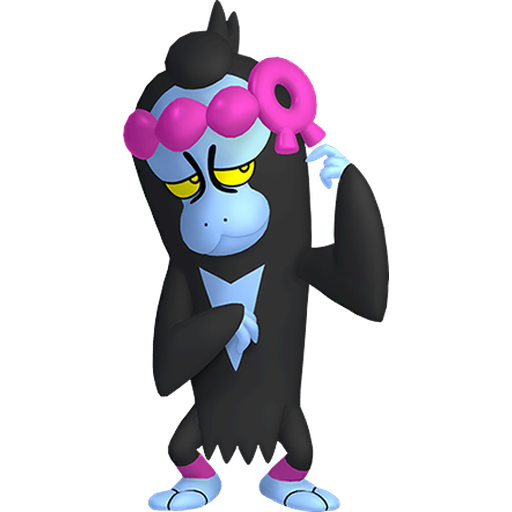
- Trapping abilities: Shadow Tag (Gothitelle line) and Arena Trap (Diglett line) null the switch-out entirely. The move deals damage, the user stays. If you know these are on your opponent's team, don't rely on U-turn as your escape plan.
- Contact recoil: Rough Skin and Iron Barbs deal 1/8 max HP recoil because U-turn makes contact. A low-HP user can faint to recoil before the switch triggers — check the remaining HP before clicking into Ferrothorn at 10% health.
- Sacrifice reads: Opponents can deliberately let a low-HP Pokémon eat the hit to deny your intended switch-in. The pivot goes through, but you land into their preferred matchup anyway. Mix up your pivot targets to keep opponents from pre-positioning their bench around your cycling pattern.