

































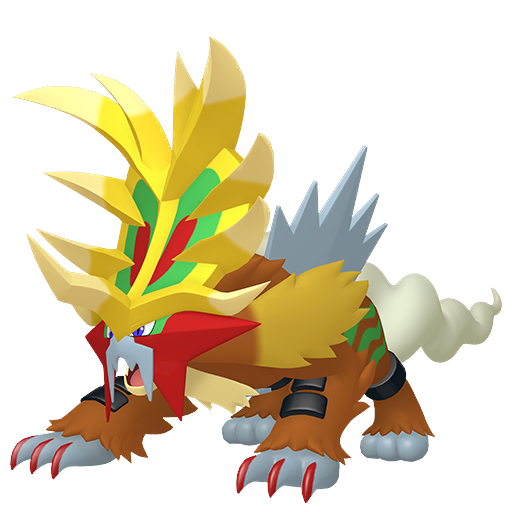
What it does
Temper Flare is a Fire-type physical move. If the user's last move failed — missed, blocked by Protect, or negated by type immunity — the power doubles. If the last move hit normally, power stays at base value.
The key word is 'failed at the action level.' Switching out does not set the condition. A support move that missed (like a sleep move that failed) does trigger it.
In doubles, this creates a specific dilemma for defensive play. An opponent using Protect to dodge your last move triggers the condition — they stall a turn and eat a doubled hit next time. Not protecting means taking the damage immediately. That trade-off is the whole point.
Who runs it
Flareon runs it on about 15% of its Champions sets. With 130 base Attack, it can make the power count — but Flareon's Speed is 65, which means it rarely acts early enough to set up the failure condition on purpose. Usually the condition has to appear naturally or be created by a teammate.
Other Pokémon rarely bother. Stable Fire-type physical options like Flare Blitz don't need a setup condition and hit consistently. Temper Flare is worth the slot when you specifically want to threaten Protect-heavy opponents.
How to use it
The cleanest sequence: predict a Protect turn, let your move fail (either aim at the protecting target or deliberately take a different action), then hit with Temper Flare at doubled power the next turn.
In doubles, redirection moves can trigger the condition too. If Follow Me pulls your attack away from the intended target, that counts as a failed move — and next turn Temper Flare hits at double power against the original target.
Pair Flareon with a Trick Room setter if possible. With 65 base Speed, Flareon acts late and risks being knocked out before landing the doubled hit. Under Trick Room, that slow Speed becomes an asset.
Tips & strategy
The mind game this move creates is smaller than it looks. Opponents who notice you are fishing for failed moves can simply stop using Protect — breaking the cycle at the cost of taking a normal-power hit instead. Whether that trade is in their favor depends on whether the base power is worth protecting against.
Don't treat it as a win condition on its own. It's a conditional bonus — when the condition appears, commit to it; when it doesn't, play it like any other Fire-type physical move.