








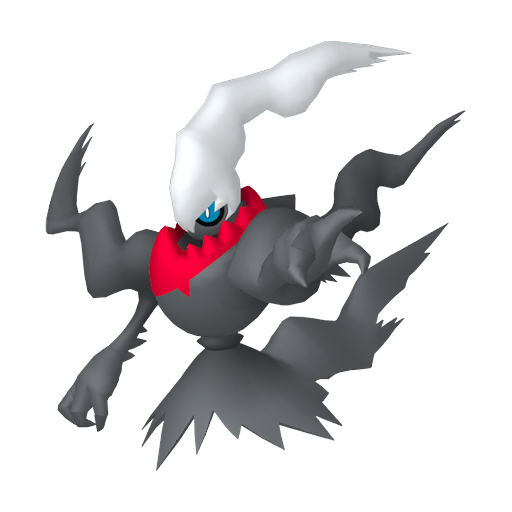

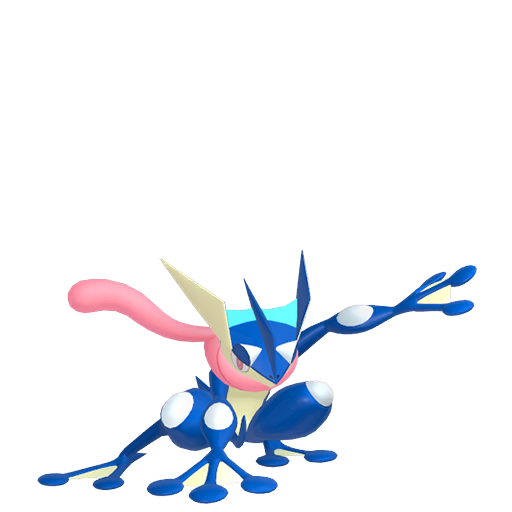
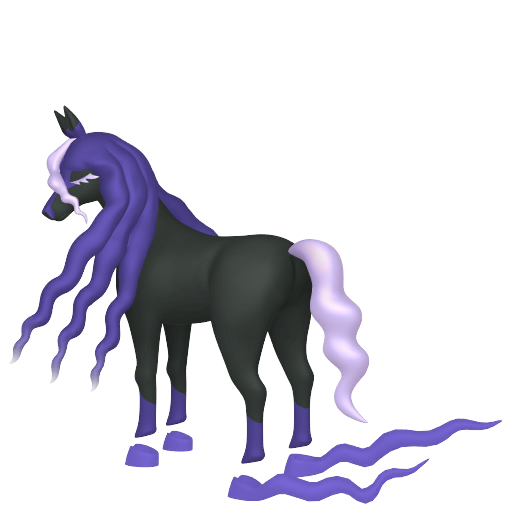






















































What it does
Haze resets every stat stage on the field — Attack, Defense, Sp. Atk, Sp. Def, Speed, accuracy, evasion — for every Pokémon on both sides at once. No damage, no miss chance, no held item or ability can block it.
Here is what that means in practice. Gyarados has a base Speed of 81, which at Lv50 with Stat Points fully allocated to Speed lands around 130. After one Dragon Dance that becomes ×1.5, roughly 195 — fast enough to outrun most non-dedicated speed builds. After two Dances it climbs past 210, and almost nothing without priority moves goes before it. Simultaneously, Attack scales by 1.5×1.5 = 2.25 from its starting value, pushing what was a threatening hit into near-certain KO range even without Life Orb. Haze collapses that 195 back to 130 and that 2.25× multiplier back to 1.0 in a single move slot. That is its entire value proposition.
Contrast with alternatives: Clear Smog targets one Pokémon, deals damage, and can be walled by type immunity or certain abilities. Topsy-Turvy flips boosts into drops, which sounds punishing — but if the opponent switches out immediately, stat drops vanish on exit and the swap was free. Haze has none of those failure modes. The only cost is clearing your own stat boosts too, which is why the right carrier never relies on them.
In Champions there is no Tera, Z-Move, or Dynamax. Setup moves are the primary source of mid-game power spikes. Shutting down setup is often shutting down the opponent's entire win condition.
Who runs it
A Haze user needs exactly two things: bulk to survive while the opponent accumulates stages, and zero personal reliance on stat boosts. Anything that uses Dragon Dance or Swords Dance itself will self-sabotage.
The main carriers:
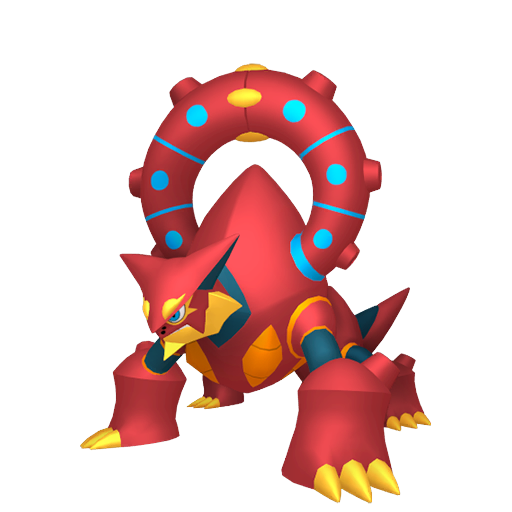
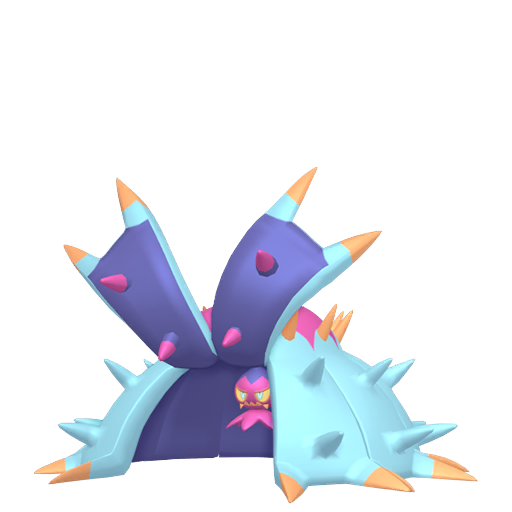
- Toxapex: physically and specially bulky enough to stomach multiple hits, Regenerator keeps it healthy across pivot cycles, and it is genuinely difficult to KO before Haze fires. Gyarados, Volcarona, and Magearna all find their setups answered by this one mon. The catch: Speed 35 means it always moves last and always eats a hit first.
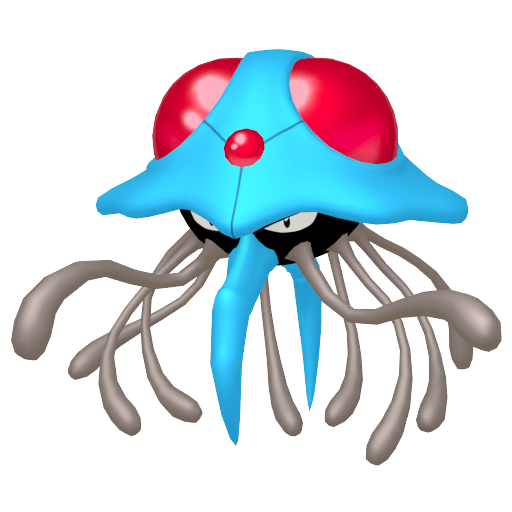
- Tentacruel: base Speed 100 means it outruns most setup threats outright. High Sp. Def walls special sweepers and Regenerator again enables sustainable cycling. It can Haze before a second Dance stacks, which is meaningfully more efficient than hazing after the fact.
- Milotic: exceptional Sp. Def and Marvel Scale doubling Defense when statused make it a strong wall against physical setup lines that mix in burns. Blaziken builds that rely on Speed Boost plus burn pressure are answered here.
- Mantine: base Sp. Def 140, one of the highest in the game. It walls Quiver Dance sweepers (Volcarona, Ribombee) cleanly, and its Water/Flying typing immunizes Earthquake and resists most Water coverage that would pressure it.
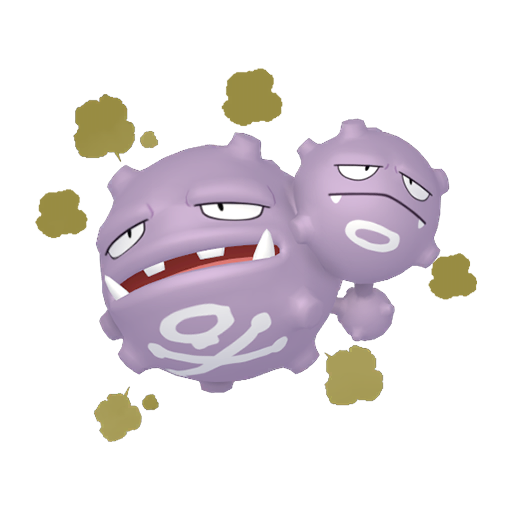
- Weezing: Neutralizing Gas shuts down every ability on the field on entry — Speed Boost, Guts, Contrary all go dark before you even throw Haze. That is double disruption on the same turn.
- Crobat: base Speed 130 outruns almost every setup threat in the game. It can Haze before a second stage stacks, then pivot out with U-turn to maintain momentum. Pure speed efficiency at the cost of middling bulk — the glass cannon option.
In doubles, Haze almost never appears. It strips Tailwind, ally Dragon Dances, and every other buff your own side depends on. Clear Smog or Taunt are almost always the correct doubles tool.
How to use it
Standard singles turn model:
| Turn | Opponent | You |
|---|---|---|
| T1 | Setup threat enters → +1 (e.g. Dragon Dance) | Switch in Haze user, predict tank |
| T2 | Deals damage (+1 boosted) → may set up again | Absorb hit; assess whether +2 is imminent |
| T3 (if not Hazed yet) | Sets to +2, ready to sweep | Fire Haze now, field clears, resume from parity |
The critical decision is whether to Haze at +1 or wait. The answer is almost always wait. At +1 the opponent will typically set up again rather than sweep — Hazing at +1 means you spent your action for zero net gain while they simply rebuild. Use that turn to switch, heal, or deal chip damage instead. Fire Haze when the accumulation is genuinely going to become unwinnable without immediate intervention — typically +2 or when you read a sweep attempt incoming.
Speed as a practical variable: Haze has no priority. Toxapex at Speed 35 always moves last — it eats a hit every time but survives on bulk. Crobat at Speed 130 outruns Gyarados (81), Volcarona (100), and most Shell Smash users (typically mid-speed base stats) — it can intercept before the second stage even stacks. Choosing your carrier is a direct tradeoff between durability and action economy.
Decision tree:
- Opponent is running a Quiver Dance special sweeper → Mantine or Tentacruel absorb and Haze
- Opponent is running a Dragon Dance physical sweeper → Toxapex or Milotic tank and Haze
- Opponent's setup mon carries Taunt → lead Crobat to outspeed and Haze first
Doubles note: If you absolutely must run Haze in doubles, confirm there are no active buffs on your side before firing. In most situations Clear Smog into one target or Taunt to block setup entirely is the right call.
Tips & strategy
Common-mistake autopsy — Hazing at +1: This is the most frequent error. The opponent just set up once. They will almost certainly set up again rather than sweep at +1, or they will switch to a fresh threat and the Haze accomplished nothing. You spent your move on a net-zero outcome while they gained a free turn of setup or information. Action economy is one of the most consequential resources in Pokémon — wasting an action hands the opponent an extra move. The fix: treat +1 as the window for pivoting, healing, or dealing damage. Save Haze for +2 and above, or the specific read that a sweep is coming next turn.
The Regenerator cycle: Toxapex with Regenerator forms a near-unbreakable loop: tank setup hits → fire Haze → pivot out and recover 33% HP → come back for round two. An opponent without a dedicated answer to this cycle is effectively locked out of their setup line. Breaking it requires either a Pokémon fast enough to Taunt Toxapex before Haze, or enough raw power to KO it outright before the move fires — and that power has to survive after Haze clears their boosts.
Baton Pass chain timing: A common misconception is that Haze must land before the pass resolves. It does not. Once the boosts transfer to the receiver, Haze still clears them from that new Pokémon cleanly. The actual skill is reading when the chain ends and positioning your Haze user before the receiver gets a chance to sweep. If your Haze user is slow, consider pre-positioning Crobat to Haze the receiver on arrival.
How opponents beat Haze — two clean lines:
- Taunt: any Pokémon faster than your Haze user blocks the move entirely for that turn. Toxapex at Speed 35 is taunted by virtually everything. If you expect Taunt, Crobat or Tentacruel become the correct Haze carriers — they outspeed the common Taunt leads.
- Raw KO before the move fires: a sweeper at +2 with enough coverage to delete your Haze user before it acts preserves all its boosts. This is the core counterplay line for offense-oriented teams.
Do not confuse with Mist: Mist protects your side from having stats lowered by the opponent for one turn. It does not clear existing boosts on either side. The two moves share nothing functionally — using the wrong one at a critical moment is a free win handed to the opponent.
Champions context: The Stat Points system (66 total, capped at 32 per stat) concentrates investment more sharply than traditional EVs. That means the Defense and Sp. Def thresholds a +2 sweeper crosses are tighter and more decisive — hitting +2 Attack into a 32-invested wall hits differently than it would at standard 252 EVs, because the gap between offense and defense is compressed. Haze returns the field to exactly that compressed baseline, which is exactly where good defensive Pokémon want to operate. In Champions, setup is both more accessible and more punishing when unchecked — making Haze more valuable here than in any recent mainline ladder.