



























What it does
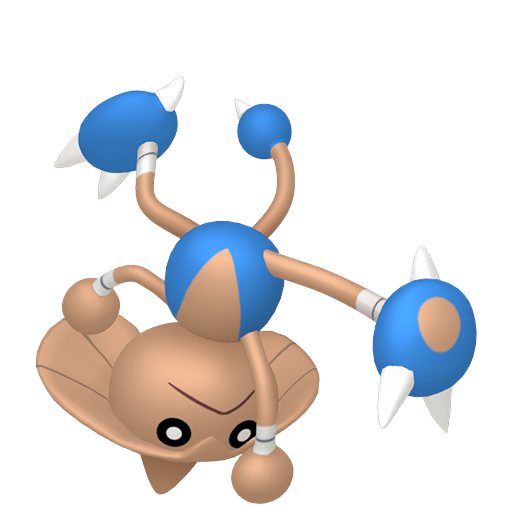
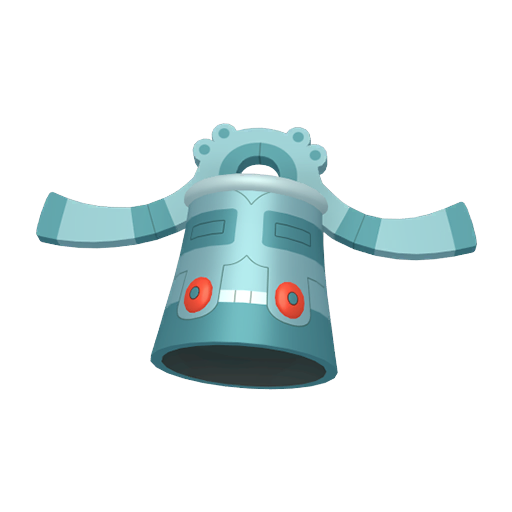
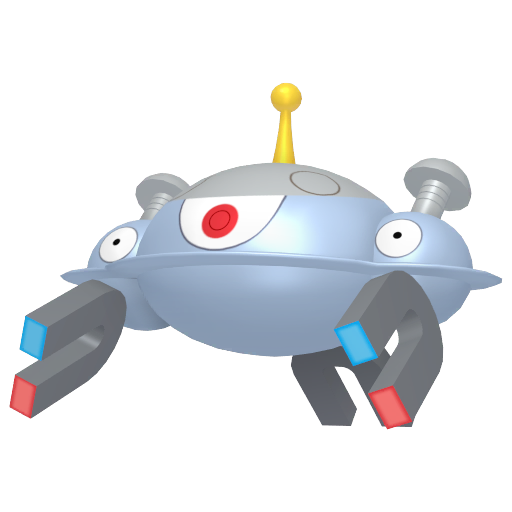
Gyro Ball is a Steel-type physical move with variable power: the slower you are relative to your target, the more damage you deal, up to a maximum of 150. The formula is roughly min(150, 1 + 25 × target speed ÷ user speed). A Pokémon with rock-bottom Speed hitting something at Speed 120+ can nearly max it out every time.
This is the move that rewards the exact opposite of normal competitive logic. Usually you want to be fast. Here, being slow is the whole point. Iron Ball can push the user's Speed even lower to lock in near-max power, though that costs the held item slot.
Steel-type coverage is genuinely good: it hits Fairy, Ice, Rock, and Dragon for super effective or neutral damage across most of the field. If the user is Steel-type themselves, the STAB boost makes this hit even harder. Just remember Steel doesn't threaten Ground — that type hits through it normally, which matters in doubles when your partner might be dropping Earthquake.
Who runs it
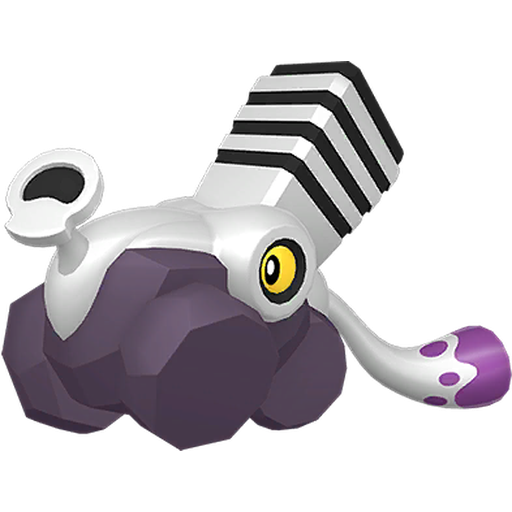
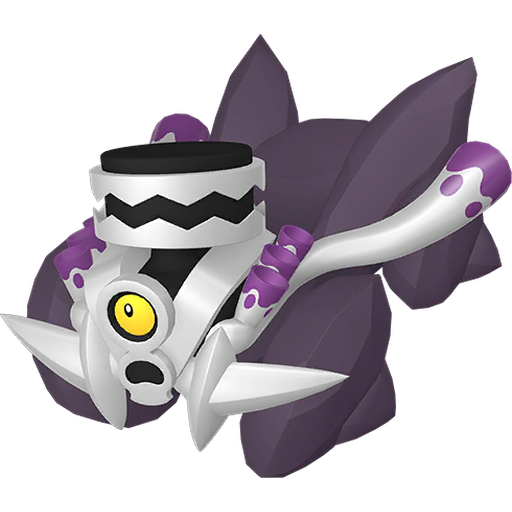
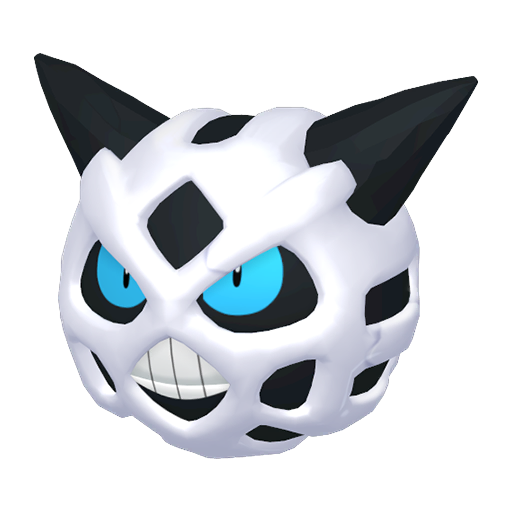
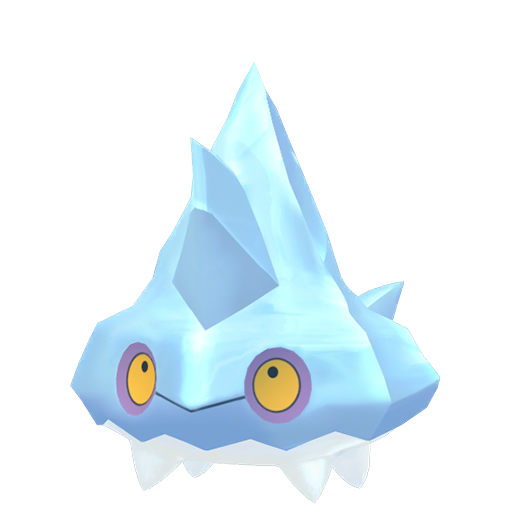
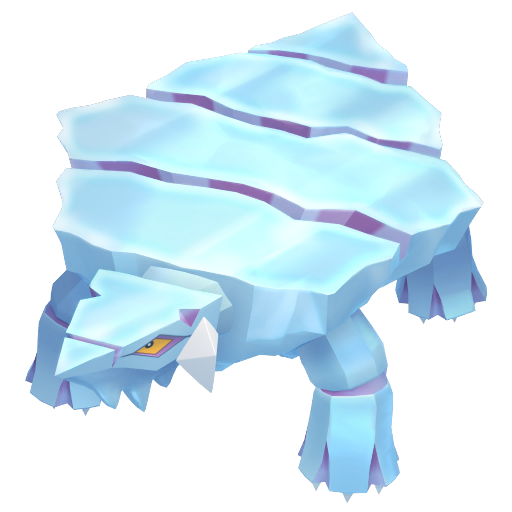
Avalugg (13% usage) is the key carrier here. Its Speed is among the lowest in the game, its physical bulk is massive, and Gyro Ball in its hands is almost always near-capped. The role is physical tank — sit there, absorb hits, and when you do swing back at a fast attacker, the damage is far higher than they expect from something that barely moves.
How to use it
In doubles, pick your Gyro Ball targets carefully: high-Speed frail attackers are exactly where you want to aim — they inflate the power and tend to have low physical bulk, so the hit lands hard. Don't click Gyro Ball into a slow, bulky Pokémon; the power drops off significantly and you're better off with a different move.
Trick Room is the natural partner. It lets slow Pokémon act first, and Avalugg already wants to be under Trick Room. Under that condition, Gyro Ball fires at near max power and gets priority — that's a potent combination.
Tips & strategy
Don't invest any EVs in Speed and choose a Speed-lowering nature. Any Speed gain shrinks Gyro Ball's damage. This is the opposite of standard competitive EV logic, so mark the set clearly if you're sharing it.
One counterintuitive fact: if the opponent uses Tailwind or has Swift Swim, their Pokémon's Speed increases — which actually makes your Gyro Ball hit harder, not softer. The faster they get, the more damage you deal. That's a fun lever to keep in mind when choosing targets during a Tailwind turn.