


































































































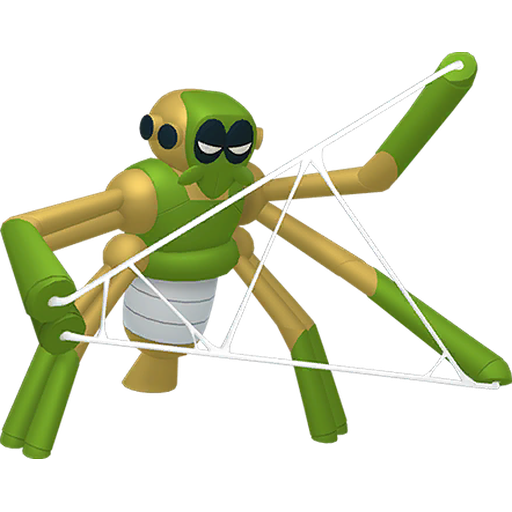


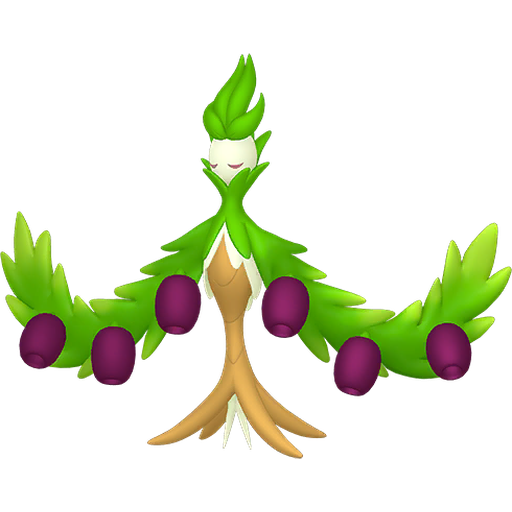



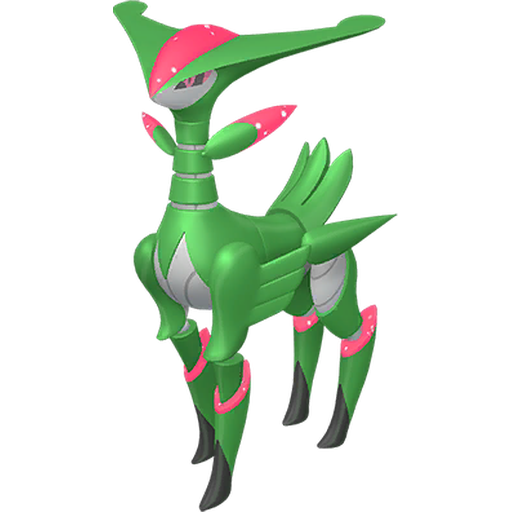




What it does
Giga Drain is a Grass-type special move, base power 75, 100% accuracy. On hit, the user recovers 50% of the damage dealt as HP. Most attacks just deal damage and leave you exactly as vulnerable as before. Giga Drain deals damage and simultaneously reduces how close you are to getting KO'd — it compresses attack and mild recovery into one action.
In doubles, a 75-power single-target Grass move is plenty functional on its own. But the reason to pick Giga Drain over a higher-power Grass move is specifically that drain. You're not spending a turn on Recover, but you're still accumulating HP across the game. Pokémon that can't safely switch out to heal benefit the most — they absorb incoming chip damage by returning fire with Giga Drain instead.
Big Root boosts the drain amount by 30%, but in competitive doubles it's almost never worth a held-item slot. Life Orb or bulk items generally serve the holder better than amplifying an already useful side effect.
Who runs it
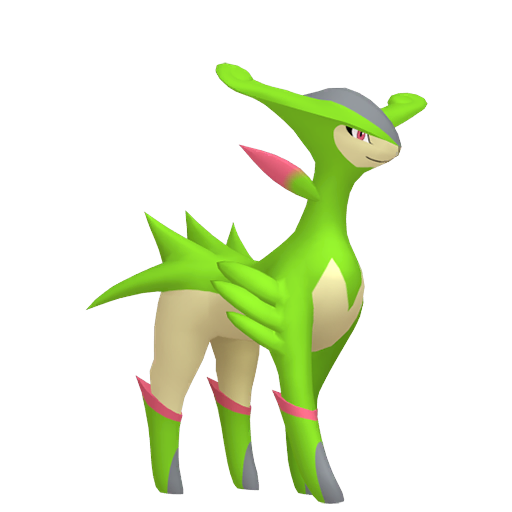
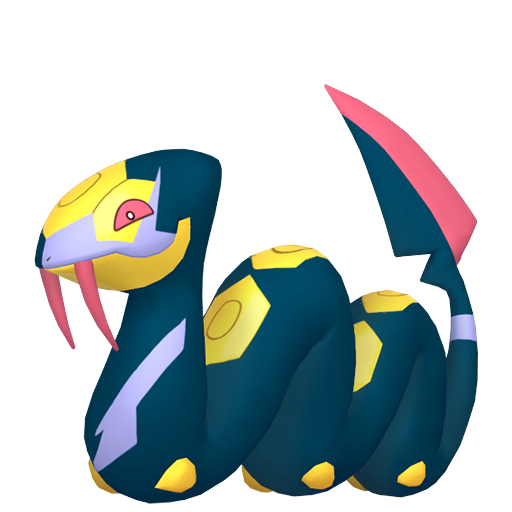
Serperior (37%) is one of the top users in the data. With Contrary, Leaf Storm raises its Sp. Atk instead of lowering it — but Serperior still carries Giga Drain because Leaf Storm is 90% accurate and has a niche it doesn't always need. Giga Drain gives Serperior a clean, no-drawback Grass attack with drain upside for turns when sustaining is more valuable than nuking.
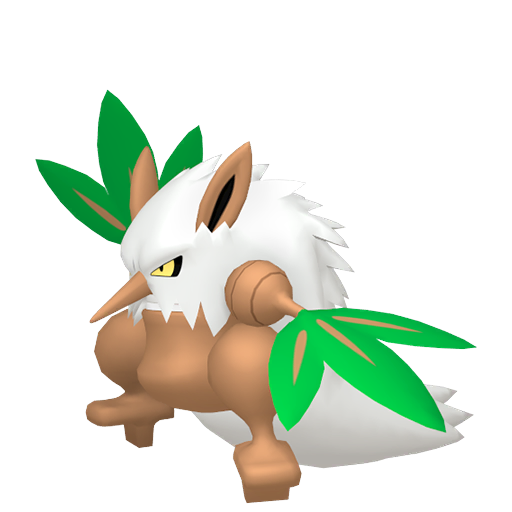
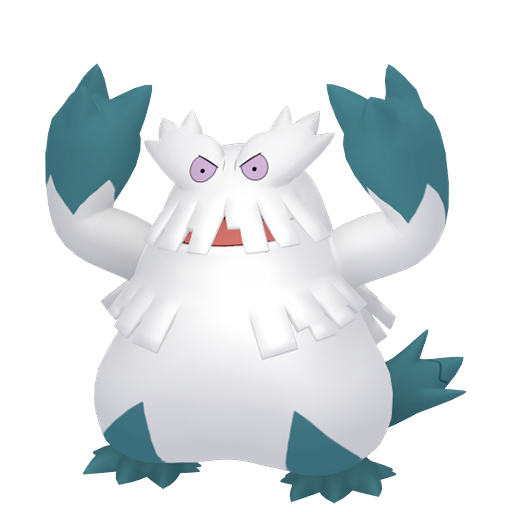
Abomasnow (37%) needs Giga Drain more than most. Its own Hail chip constantly drains its HP outside of turns it acts. Giga Drain partially offsets that passive damage every time it attacks a valid target, buying meaningful extra turns. Grass / Ice dual typing means Water, Ground, and Rock opponents — all of which threaten Abomasnow — are often Grass-weak, so the drain lands against the most relevant targets.
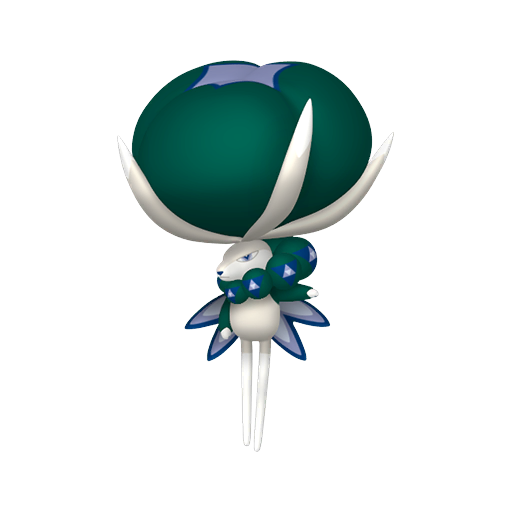
Roserade (28%) has Speed and Sp. Atk to actually threaten with Giga Drain. The sustain keeps its HP line high enough to avoid being removed by splash damage, which matters in doubles where you have no control over the second opponent's targeting.
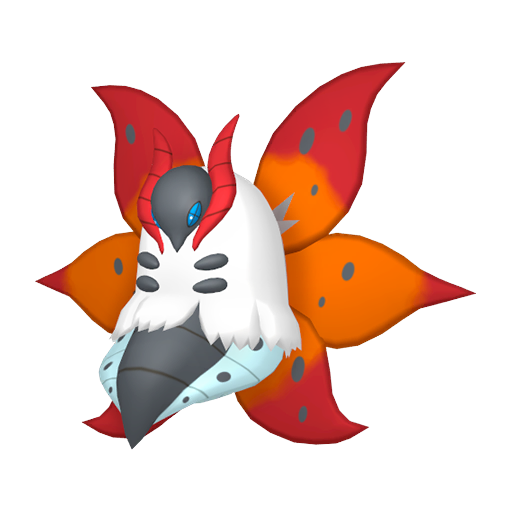
Volcarona (22%) carries it to cover Water, Ground, and Rock opponents — all super effective against Fire — while recovering HP during the Quiver Dance setup turns it needs to reach full damage output.
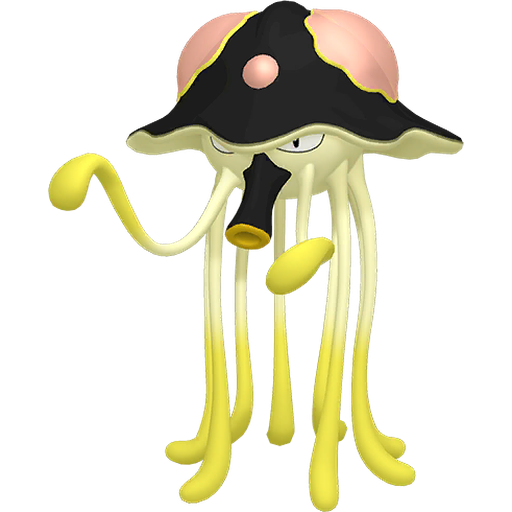
Polteageist (19%) is a glass cannon. The drain gives it a margin against Water types before it can fire off a boosted Shell Smash sweep.
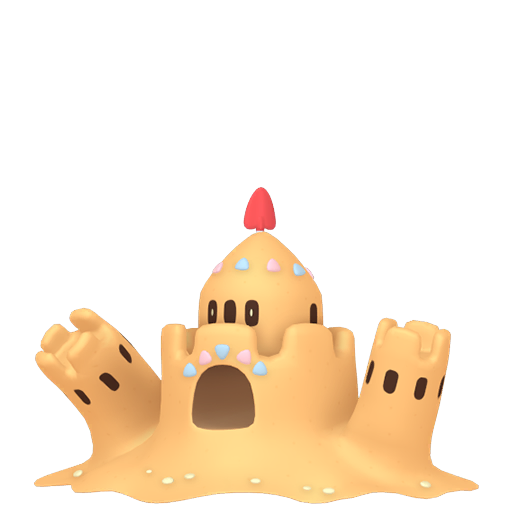
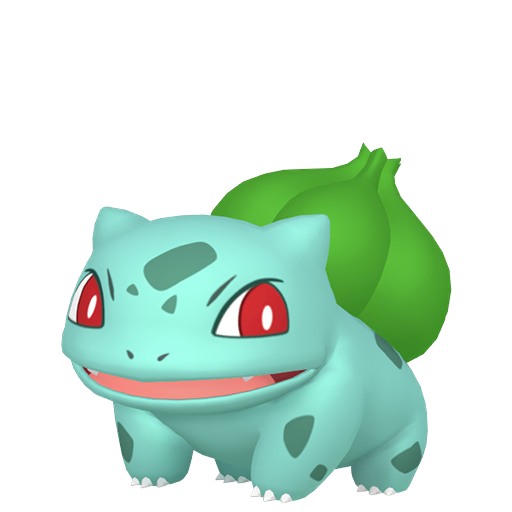
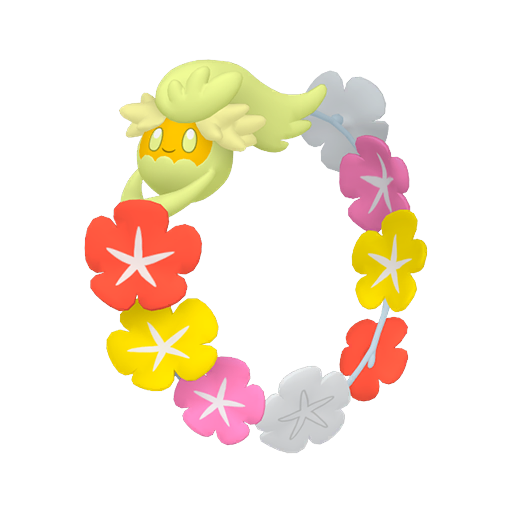
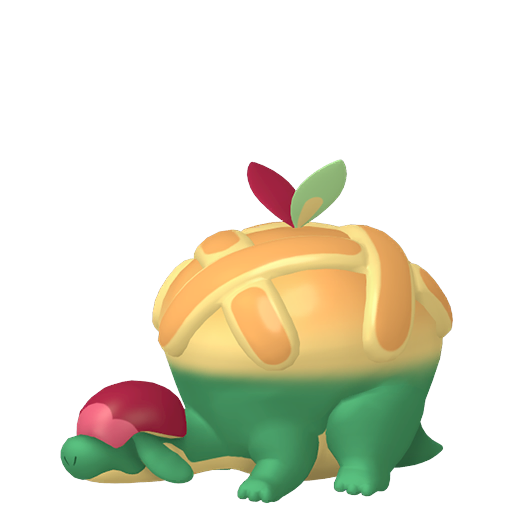
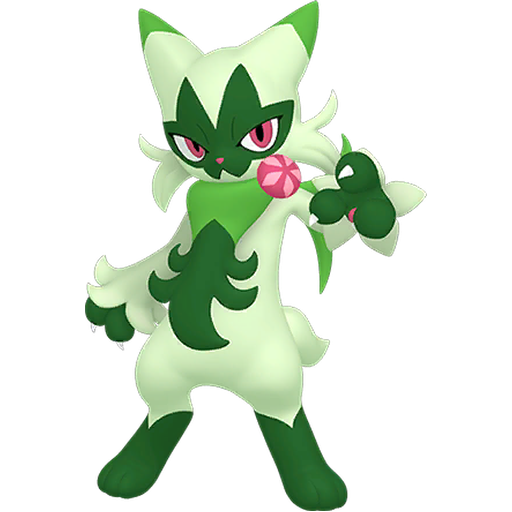
Appletun (9%), Venusaur (9%), and Florges (8%) run it for the same core reason: output that sustains, rather than a higher-power Grass move that gives up the recovery.
How to use it
Giga Drain is worth the most when you're hitting a target the Grass type actually threatens and your own HP is already under pressure. Each hit in that window isn't just dealing damage — it's extending how many turns you can remain active.
Don't use it expecting a fast KO. At base 75 power single-target, it's a sustained-pressure tool, not a one-shot. Pick it for turns you need to stay on the field, not turns you need to end the game.
Against Trick Room teams, slow Pokémon like Abomasnow move first under reversed Speed, meaning they fire Giga Drain before the opponent can retaliate. The drain in that window reduces how much punish they absorb before the priority flips back.
Tips & strategy
The Leaf Storm versus Giga Drain split is the question you'll actually face in teambuilding. Leaf Storm hits at 130 power but drops Sp. Atk by two stages — on a Pokémon without Contrary, the second Leaf Storm is dramatically weaker. Giga Drain is 75 power with no drawback and a heal. Most users carry both: Leaf Storm for the target that has to die now, Giga Drain for sustained output across a longer field.
In drawn-out games — especially against Trick Room — Giga Drain's drain accumulates. More turns mean more recovery. In fast games decided in two or three turns, the healing barely matters and a higher-power move is better. Read the pace of the match.