




















What it does
Quick Claw gives the holder a 20% chance each turn to move first within its priority bracket, ignoring the Speed comparison. Priority bracket is the key phrase: it only applies within the same priority tier. Protect at +4 priority still resolves before any Quick Claw-triggered 0-priority attack. What it does is let the holder fire, say, Earthquake before a faster Garchomp fires its own — both are 0-priority, and 20% of the time the holder goes first.
Probability breakdown: it triggers once every five turns on average. When it fires on a slow Pokemon, it can land a KO before taking the hit that would have ended it. It can apply confusion before the opponent attacks. It can set up before the opponent can stop it. The other four turns, the holder just acts in normal Speed order — slower as always, no compensation.
That's the whole mechanic: an independent 20% die, once per turn, first strike if it hits, nothing if it doesn't.
Who runs it
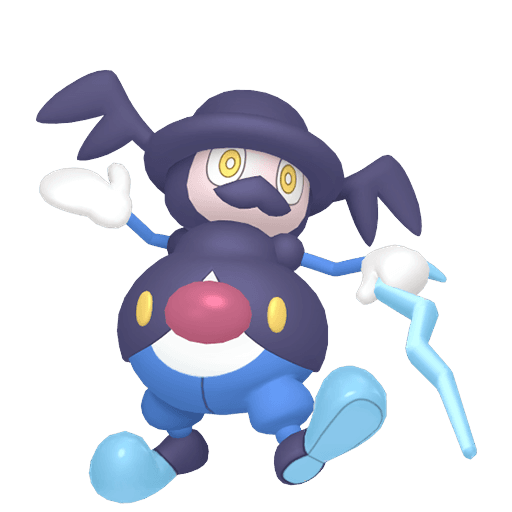
Ditto (25%): after Transform, Ditto's Speed is usually lower than the target's — base 48 means it trails even after copying the spread. Quick Claw gives transformed Ditto a chance to move first, which adds real threat to an already hard-to-read Pokemon.
Machamp (10%): base 55 Speed, always slow. Its No Guard makes every move connect. Quick Claw firing means a guaranteed-hit Dynamic Punch goes first — and confusion landing on the opponent's lead before they act can wreck the turn. This is one of the few setups where Quick Claw has real logic behind it.
Steelix (6%): base 30 Speed, almost always last. Quick Claw is a pure gamble — if it fires, Steelix attacks before taking damage; if not, it goes last as usual.
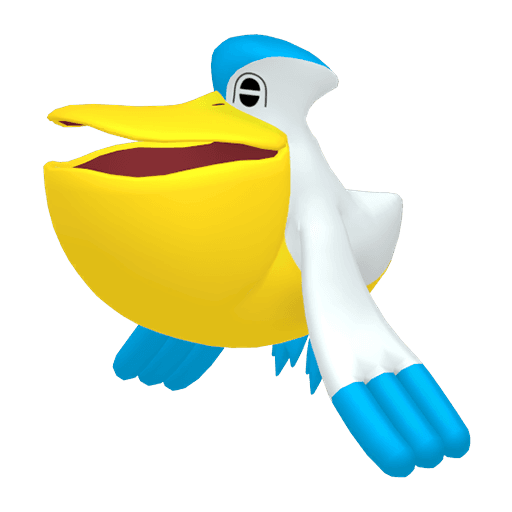
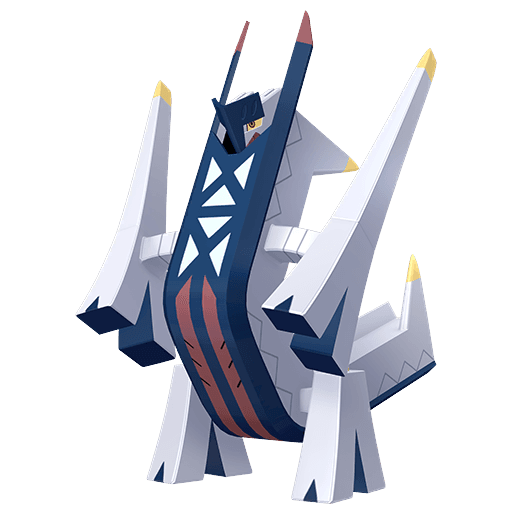
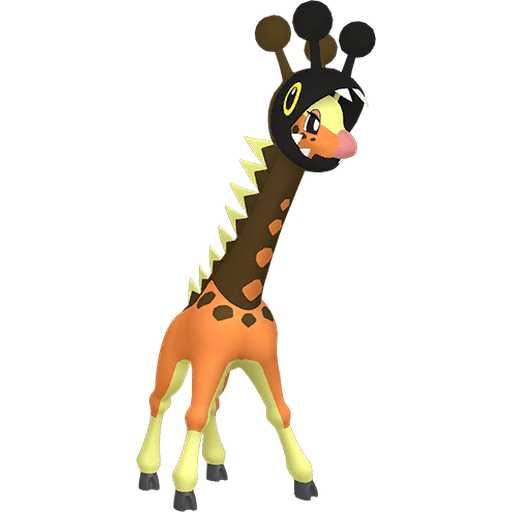
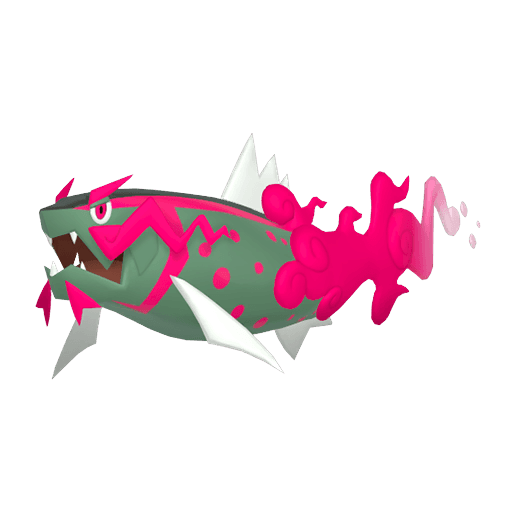
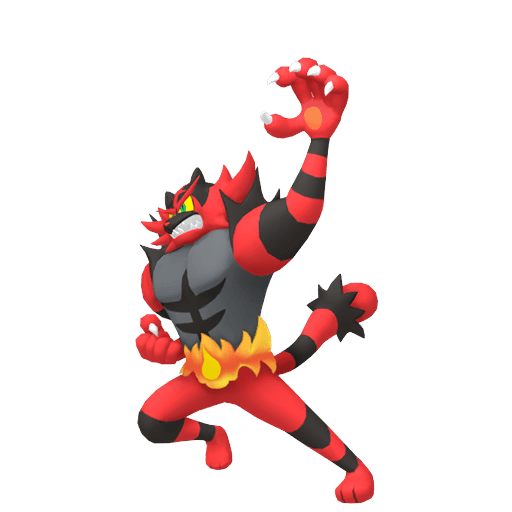
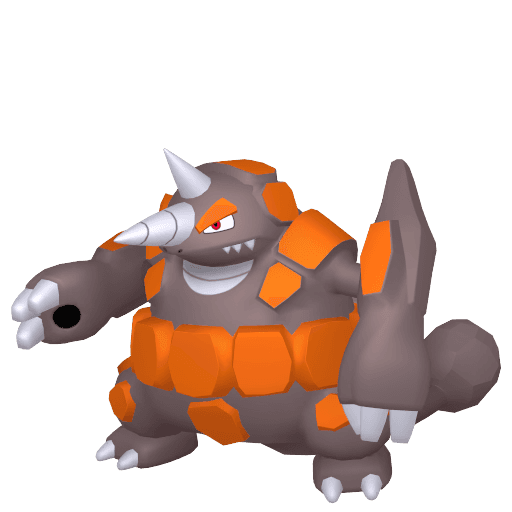
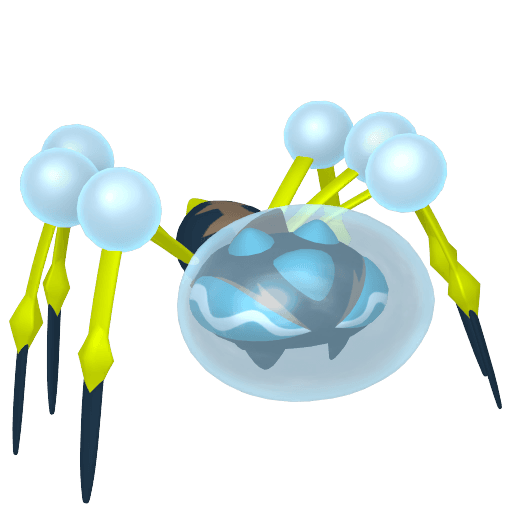
Arbok (5%), Gyarados (3%), Charizard (2%), Tsareena (1%), and Empoleon (1%) all sit low — individual choices, not a meta trend.
How to use it
The situation where Quick Claw pays off: your Pokemon moves last anyway, has a high-power attack, and landing it first would either KO the opponent or shift the game state hard. Quick Claw becomes a free roll at first strike — no cost if it doesn't trigger, a real upside when it does.
Where it doesn't work: fast Pokemon that already move first (nothing to gain), support Pokemon where you need reliability — you can't base a Tailwind plan on 20% — and anything with a clearly better item option.
At lower ladder levels, a slow Pokemon moving first causes disproportionate disruption because opponents aren't ready for it. At high levels, they read slow threats and prepare regardless, so Quick Claw firing doesn't guarantee a flip.
Tips & strategy
The honest take: you cannot plan around Quick Claw. Any win condition that depends on the 20% trigger is a coin flip dressed up as a strategy.
The right mental model is to treat it as a free surprise bonus, not a Speed-compensation item. It occasionally saves a game. Most turns it doesn't do anything a better item wouldn't do more reliably. Top players skip it because they don't want a 20% roll deciding tournament outcomes.