




























































What it does
Muddy Water is a special Water-type move with 90 base power and 85% accuracy. The key property in doubles: it's a spread move that hits both opposing Pokémon, and each target has roughly a 30% chance to have its accuracy lowered by one stage. Spread moves hit at 75% power in doubles, but both targets get hit, and both roll independently for the accuracy drop.
Accuracy -1 stage means a move with base 100% accuracy now connects at around 75%. A Stone Edge from an opposing Garchomp that 'should' hit suddenly has a real chance of going wide. That's not a negligible variance — in a match-deciding turn, accuracy pressure changes how both sides make decisions. The opponent starts considering whether to preserve that move for a cleaner moment or switch out and reset.
Compare it to Surf: Surf has 100% accuracy, the same base power, no secondary effect. Muddy Water trades 15% accuracy for the chance to apply field-wide vision disruption. On rain teams, both appear frequently. If the team needs reliable output — say, to guarantee a knockout threshold — Surf is the safer tool. If you want to pile on pressure and make the opponent sweat their next high-power move, Muddy Water earns its place.
Rain boosts Water moves by 1.5×. That's the primary reason Muddy Water appears on rain teams: you're already outputting meaningful damage in rain, and the accuracy chance is a bonus layer of pressure.
Who runs it
Politoed (29%) is the classic rain setter who sometimes runs Muddy Water as its main spread attack — it needs some offensive presence, and hitting both opposing Pokémon while setting up accuracy disruption fits its support-attacker hybrid role.
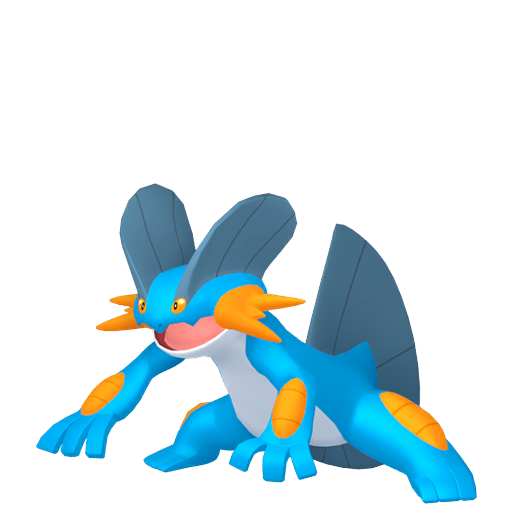
Milotic (29%) runs Muddy Water for the same reason: high Special Defense lets it survive, and a spread move that also threatens accuracy drops makes it more dangerous than a pure tank. Bulky Water types get an offensive option out of it instead of only soaking hits.
Blastoise (23%) with Rain Dish or Assault Vest can use Muddy Water as its offensive contribution — spreading damage and accuracy pressure without requiring huge damage output means even a defensive build gets meaningful chip.
Bellibolt (19%) is the Electric/Water attacker that benefits from having a spread Water option. Muddy Water gives it a tool to threaten both sides simultaneously alongside its Electric moves.
Vaporeon (13%) usually runs more support-oriented sets, so Muddy Water shows up occasionally when the team wants some offensive disruption from the Wish-passer slot.
Slowking (13%) is another bulky special attacker that uses Muddy Water for spread coverage to complement its support role.
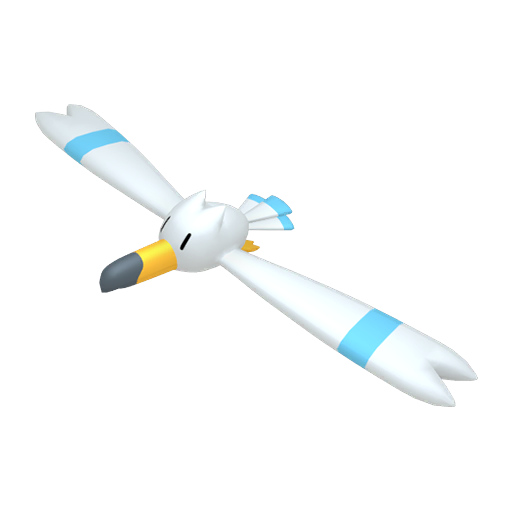
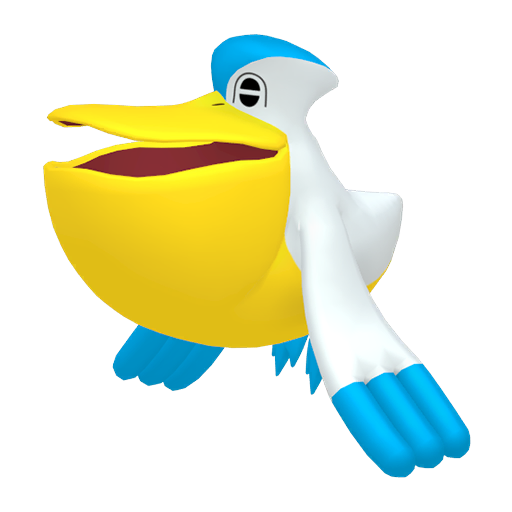
Pelipper (12%) mostly exists to set rain and doesn't lean on its attack stat, so Muddy Water on Pelipper is relatively rare — the usage number reflects that.
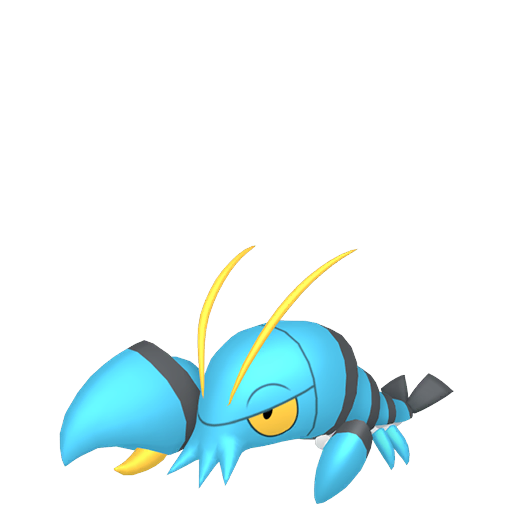
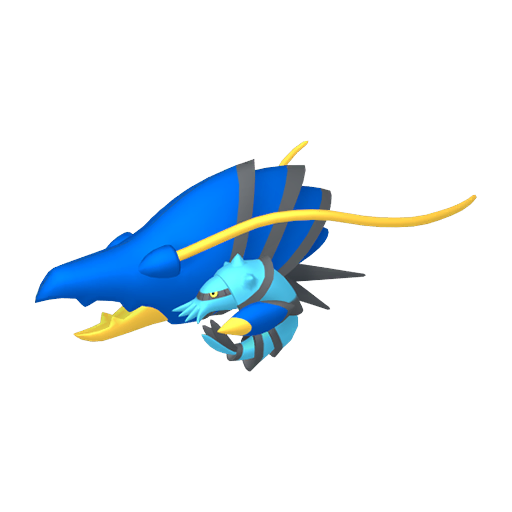
Clawitzer (6%) has Mega Launcher, which boosts pulse moves — but Muddy Water isn't a pulse move, so it loses out to Water Pulse on Clawitzer builds.
How to use it
In doubles, the value of a spread move comes from not wasting the turn hitting only one target. Muddy Water's ideal scenario is when you want to apply pressure across both positions — either chip both opponents toward a knockout threshold or make their high-variance moves feel riskier.
Pairing with a Fake Out partner is standard doubles practice. Your partner Fakes Out one target, and you click Muddy Water. The target under Fake Out can't act this turn, so effectively you're doing full spread work against the free target while the Faked target also takes the 75% hit (and rolls for accuracy drop) without being able to respond. The accuracy drop on either side is always useful, even when the damage itself is halved.
Muddy Water's accuracy pressure is most valuable against opposing Pokémon that rely on powerful but imprecise moves — think Stone Edge, Dragon Rush, anything in the 80% accuracy range. After a -1 accuracy stage, those moves are genuinely unreliable. Forcing the opponent to either fish with compromised accuracy or switch out to reset is a real tempo gain.
Don't treat the accuracy drop as guaranteed — it's a 30% roll per target. Each hit gives an independent chance, so there's no 'use Muddy Water and the opponent is definitely disrupted' calculation. Factor it in as a probability, not a certainty.
Tips & strategy
Muddy Water's own 85% accuracy is its quiet liability. A spread move that misses is a full wasted turn — both targets untouched, no accuracy pressure applied. In turns where you need to confirm a knockout, switch to a more accurate option. Muddy Water is for board pressure turns, not finish turns.
Accuracy drops reset on switch-out or via Haze. Don't build a five-turn plan around keeping accuracy debuffed — treat it as a two-turn window of probability. The disruption works now and probably next turn; after that, assume the opponent has found a reset.
Weather competition is the main thing that makes Muddy Water under-perform. If the opponent runs Drought or Sand Stream and manages to override your rain in the early turns, you lose the 1.5× Water boost and Muddy Water becomes a lower-priority option at full cost. Build the team with a plan to maintain rain, not just to assume it.
The best-case scenario for Muddy Water is both targets rolling the accuracy drop. Now the opponent has two Pokémon with compromised vision, and every choice they make next turn involves higher uncertainty. That information pressure — not the damage number — is why experienced players keep Muddy Water on rain-team Water-types.