





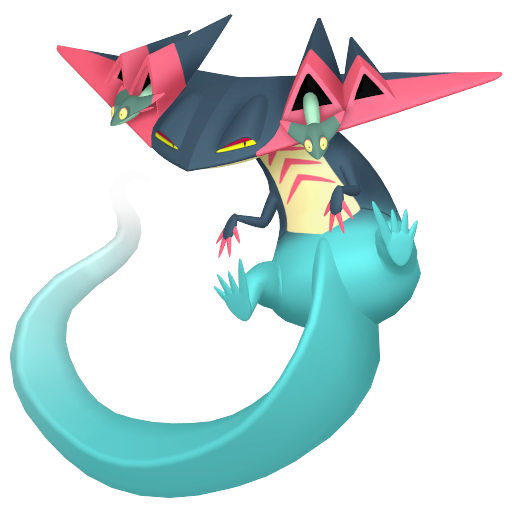







What it does
Dragon Dance raises the user's Attack and Speed by one stage each — a 1.5× multiplier on both. One turn of setup, two critical stats. That's the core efficiency advantage: almost every other setup move only touches one stat.
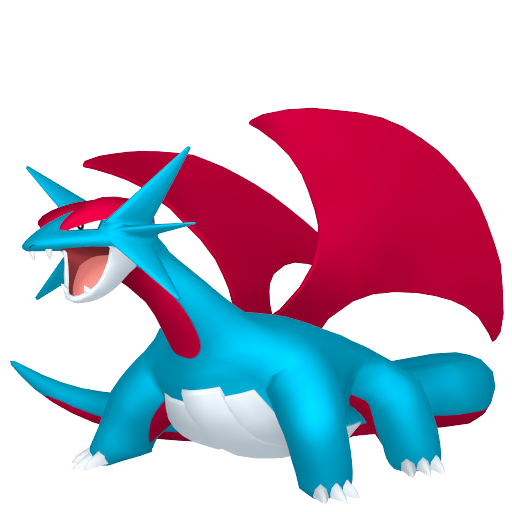
Run the numbers. Take Salamence: base Speed 100, Lv50, neutral nature, no Stat Points in Speed — in-game Speed stat lands around 155. One dance brings that to 155 × 1.5 = 232. What does 232 outspeed? A Choice Scarf on a base-90 Speed Pokémon reaches about 202; on a base-100 hits about 225. Both fall below 232. A single Dragon Dance makes most Scarf revenge killers in the mid-speed range obsolete.
Attack follows the same math. Salamence's physical Attack sits around 145 at Lv50 neutral; post-dance that's roughly 217 effective Attack output. Against average physical bulk, the damage jump is enough to shift many 2HKOs into 1HKOs — and that's with the in-game 85–100% damage roll factored into the probability.
Hard limit: Dragon Dance does nothing for Sp. Atk. Special attackers want Calm Mind or Nasty Plot instead.
Who runs it
Two hard requirements: a physical attack gameplan, and a realistic path to earning one free turn. The sweet spot is physical Pokémon in the base 80–100 Speed range — one dance jumps them past the natural speed of most trained opponents.
Named archetypes:
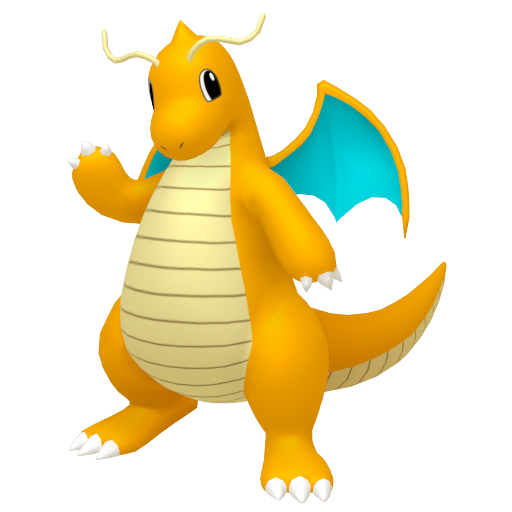
- Dragonite: base 91 Speed, not elite — but Multiscale at full HP absorbs almost any hit, which is exactly the setup window. Post-dance Speed hits roughly 214. Extreme Speed provides priority insurance if the sweep runs into trouble.
- Gyarados: base 125 Attack, base 81 Speed. One dance lifts Speed to about 183, clearing most non-Scarfed mid-tiers. Water/Flying sidesteps Ground entirely. Mega Gyarados via Mega Evolution shifts to Water/Dark — drops the Dragon weakness and pushes Attack to 155, making the post-dance threat significantly bigger.
- Salamence: as above, one dance reaches the 230 Speed tier and clears most Scarfed base-90/100 users. Wide physical coverage (Outrage, Earthquake) means few things can switch in safely after the boost.
- Garchomp: base 102 Speed, dance brings it to roughly 237 — elite Speed territory. Ground/Dragon coverage hits almost the entire field; doesn't need a Scarf to be fast, so the dance slot goes into more coverage or setup.
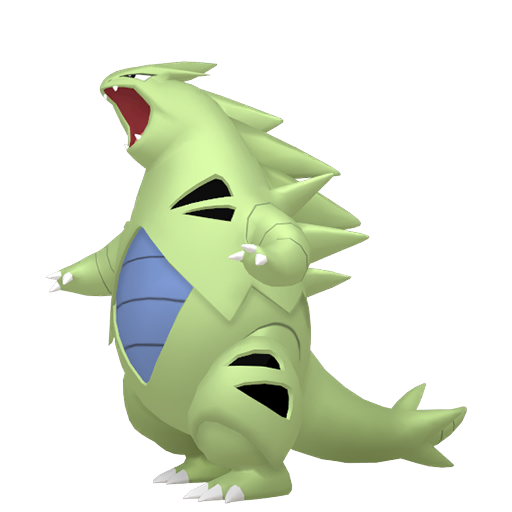
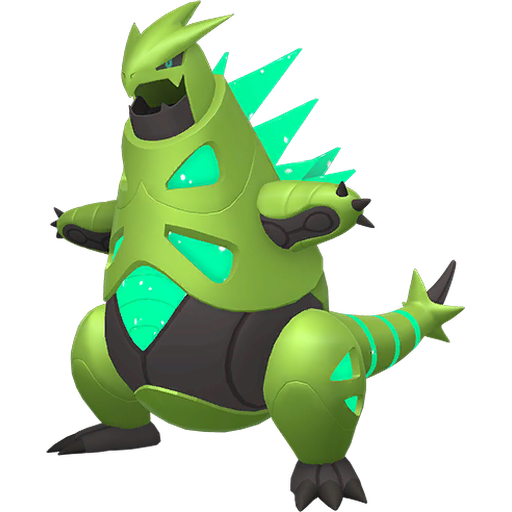
- Tyranitar: base 61 Speed (about 143 post-dance) barely clips the mid-tier Speed range, but base 134 Attack becomes roughly 201 after the boost — most physical walls buckle. Sand from Sand Stream also chips the opponent every turn, shrinking the margin for error on their side.
- Scizor: normally slow at base 65, but Mega Scizor via Mega Evolution hits 150 Attack. Post-dance Speed (~146) becomes workable, and Bullet Punch as a Technician-boosted priority move provides a fallback when Speed alone isn't enough.
Base 130+ Speed Pokémon rarely need the boost — they're already clearing the field. Base 70 and below usually require two dances before Speed meaningfully opens things up, and two setup turns in a real match is a luxury that almost never arrives cleanly.
How to use it
Singles:
Entry timing is the whole game. You need a free turn: switch in on a move that can't touch you (type immunity, a Pokémon locked into the wrong move via Choice item, a forced switch), then dance. Classic pattern — burn a lead to pressure one of the opponent's Pokémon, pivot the dancer in on the opponent's switch turn, use Dragon Dance. If they can't KO the dancer on the following turn, the sweep has started.
The key decision tree: if the opponent still has a priority user (Mach Punch, Extreme Speed) or a Scarfed counter that survives the dance and outspeeds you, handle those first. Bringing the dancer in with those threats alive is burning a turn for nothing — or handing the opponent a free KO on a boosted Pokémon.
Doubles:
Two opponents acting simultaneously doubles the disruption windows. Dragon Dance in doubles needs partner cover:
- Follow Me or Rage Powder redirects both attacks away from the dancer for one turn.
- Fake Out suppresses one opponent on the setup turn, cutting incoming damage in half immediately.
- The dancer itself can carry Protect — stall a turn while the partner deals with threats, then dance the next turn.
One successful dance in doubles usually gives enough of an edge to start winning exchanges, but pivot to attack immediately after. Opponents who see the dance coming will often switch to a status move (Thunder Wave, Will-O-Wisp) on the very next turn to waste the boosts.
Tips & strategy
Common-mistake autopsy. The single most frequent error: dancer sets up once, opponent doesn't KO it, player dances again instead of attacking. At higher levels this almost always loses — the opponent let the first dance happen because they had no answer ready, then used that turn to bring in a counter. The second dance just hands over the dancer for free. One dance, then attack. The second dance is only correct when you've confirmed nothing the opponent has left can stop you — and that situation is rarer than beginners think.
Burn is the hardest counter. Will-O-Wisp halves physical Attack — it doesn't reduce the stat stage, it applies a separate 0.5× modifier, so it directly cancels out the ×1.5 Attack gain from Dragon Dance. Speed is still boosted, but the damage output is ruined. If the opponent runs Rotom, a Ghost-type, or any Fire-type that loves throwing Will-O-Wisp, bring Lum Berry to absorb one status hit, or remove that Pokémon before sending in the dancer.
Paralysis in Champions is different from what SV players expect. Full-stop chance is 12.5%, not 25% — Thunder Wave is less crippling on pure luck rolls. But Speed halving is still guaranteed on application, which kills the entire Speed portion of the dance. If the opponent has a Thunder Wave user still alive, that threat needs to go before the dancer comes in.
Priority ignores Speed boosts entirely. Mach Punch (+1 priority, Fighting) and Extreme Speed (+2 priority) always move before the dancer regardless of how many dances have landed. Fighting-type priority against Dragon-type sweepers is a double problem — type weakness on top of Speed nullification. A danced Dragonite at half HP versus a Conkeldurr with Mach Punch is a clean KO that the dance did nothing to prevent.
Named exception — Unaware. Pokémon with this ability (Quagsire, Clefable) compute damage as if all stat changes don't exist. Your +2/+2 dancer hits them for the same damage as an un-boosted attacker. This is the hardest stop to the sweeper gameplan; if the opponent has an Unaware Pokémon, the dancer needs to either be replaced with a special attacker or be preceded by removing that Pokémon first.
Entry hazard pressure. Stealth Rock cuts 25% HP on every switch-in (more for Rock-weak types), which directly collapses the Multiscale window for Dragonite and compresses every dancer's margin for absorbing a hit during setup. Keep hazard removal in your team or confirm rocks aren't up before committing the dancer to a dance turn — a dancer that dies mid-setup doesn't just lose the boosted mon, it loses the entire tempo investment.