



















What it does
Intimidate lowers the Attack stat of every opposing Pokémon by one stage the instant the ability holder enters the field. No move used, no turn spent — it just happens.
A worked number: One stage is a ×0.67 multiplier. Take Landorus Incarnate Forme with base 145 Attack — after the drop it effectively operates at 97, below the baseline 100 tier. In a format where damage rolls across 16 steps from 85% to 100%, that -33% often converts a high-probability KO into a "needs max roll" scenario — which is as good as saving a Pokémon's life. It doesn't always matter, but when it does, it turns the game.
Two Intimidate triggers push the target to ×0.50 (-2 stages); three get to ×0.40 (-3 stages). In practice, -2 stages reduces most physical attackers to a nuisance. -3 stages makes a physical attacker decorative.
Doubles multiplies all of this by two: one switch-in cuts the physical output of both opposing Pokémon simultaneously. You're paying zero resource cost — no move slot, no turn, no item — to reshape the damage math for the entire opposing side. And since it retriggers on every switch-in, the effect compounds across a game.
Who runs it
Incineroar is the canonical Intimidate carrier in Champions doubles, and it isn't close. The reason isn't Intimidate alone — it's the three-piece suite: switch in for Intimidate, use Fake Out to waste an opponent's action, then Parting Shot to pivot out while dropping both Attack and Special Attack on the remaining target. The next Pokémon comes in safely, and Incineroar can re-enter later for another Intimidate trigger. That loop is what makes it the most complete support pivot in the format.
Gyarados + Gyaradosite does two jobs in one slot. It enters, drops both opposing Attacks via Intimidate, then Mega Evolves through Omni Ring — its ability changes to Mold Breaker, but the Intimidate already fired on entry before the evolution resolved. The opponent just had their physical output cut, and now faces a boosted physical attacker on the same turn. The tempo swing is brutal.
Arcanine is the fastest Intimidate user in this tier pool (base 95 Speed, versus Incineroar's base 60), which means the Attack drop often lands before the opponent's physical attacker can move on turn 1. The real value-add is the Will-O-Wisp layer: Burn in Champions halves Attack, and stacked on top of Intimidate's one-stage drop, physical output falls below 34% of its pre-entry value. One Pokémon, two mechanics, near-complete physical suppression.
Landorus (Incarnate Forme) is the singles-focused Intimidate user. Ground/Flying typing gives it an independent threat profile — immune to Earthquake, able to pressure Steel types — so entering for the Intimidate isn't purely defensive; it's also threatening a real attack back. In singles, where switch turns are more exposed, that dual-use matters.
How to use it
Doubles — leading for maximum coverage: Put your Intimidate user in the lead slot. On turn 1, both opposing Pokémon take the Attack drop. Your partner's immediate options open up — hits they shouldn't have survived become survivable, matchups that looked risky become workable. From there the decision tree splits:
- Opponent is a full physical team? Stay in and fight or support.
- A specific threat needs handling? Use Parting Shot to pivot out, bring in the counter, and bank a second Intimidate trigger for when you switch Incineroar back in.
- Board already under control? Preserve the Intimidate user's HP to cash in the second trigger on a critical turn later.
The stacking sequence in action: Turn 1, Incineroar enters (Intimidate, -1 Attack) → Turn 2, Fake Out to freeze one target + Parting Shot to pivot out → Turn 3, Incineroar re-enters (Intimidate, -2 Attack). The opposing physical attacker is now at half output. Your resource allocation can shift entirely away from tanking physical hits, freeing turns to address other threats.
Singles — matchup-based pivoting: The play is reactive. When the opponent switches in a physical attacker, you switch in your Intimidate user. You take the drop for free, then decide: fight the matchup or pivot out again. The core principle: switching in Intimidate is never an empty turn. Every entry extracts a real concession from the opponent — their physical attacker spends at least one turn in the weakened state, and if they switch it out and back in, that's a turn they spent managing your ability instead of executing their gameplan.
Tips & strategy
Psychic types are immune (since Gen 6). Intimidate does nothing to Psychic-type Pokémon — the drop simply doesn't register. Switching Incineroar into Gardevoir or Alakazam accomplishes nothing on the suppression front. This matters most when you're relying on the Intimidate to buy your partner safety — against a Psychic-type attacker, that safety doesn't come.
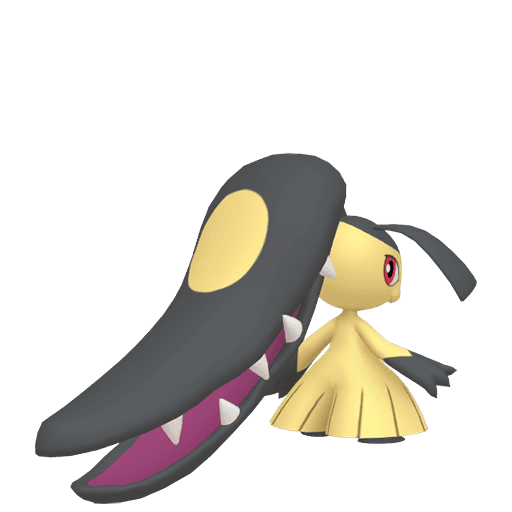
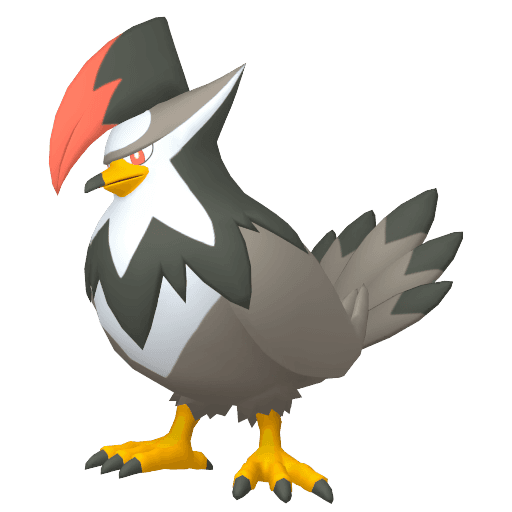
The biggest trap: Defiant and Competitive. This is where the loop breaks. Braviary (Defiant), certain Thundurus sets, and Milotic (Competitive) respond to any stat drop — including Intimidate — by gaining +2 in their attacking stat. Your Intimidate trigger becomes a free setup move for them. In a stacking scenario where you're re-entering Incineroar repeatedly, every cycle hands Braviary another +2 Attack. Scouting for these in Team Preview is critical. If you see one, abandon the Intimidate cycling plan and neutralize the Defiant/Competitive Pokémon through other means before attempting any stat pressure.
The beginner mistake — switching Intimidate into a special attacker: New players often see a dangerous situation and instinctively switch in Incineroar, only to realize the opposing Calyrex or Kyogre runs Special moves entirely. Intimidate has zero effect on Special Attack or Special moves. You've burned a switch, put Incineroar in front of a heavy special attacker, and gained nothing. The fix: read the opposing win condition's damage type during Team Preview. Intimidate is a physical suppression tool — special threats require bulk, type resistance, or a dedicated check, not an Intimidate pivot.
Haze and Clear Smog erase everything. If the opponent runs either move, every Attack drop you've accumulated disappears instantly. Three Intimidate cycles undone in one action. Against teams likely to run these moves, keep the stacking plan shallow and focus on converting the early drop into actual KOs rather than banking on sustained suppression.
Burn stacking — Arcanine's niche: Will-O-Wisp halves Attack (a ×0.50 multiplier); Intimidate's one-stage drop is ×0.67. Combined, physical output drops below ×0.34 of the original. Arcanine delivers both in one slot, which is why it's the most resource-efficient single Pokémon for shutting down a physical-oriented opposing team.