
































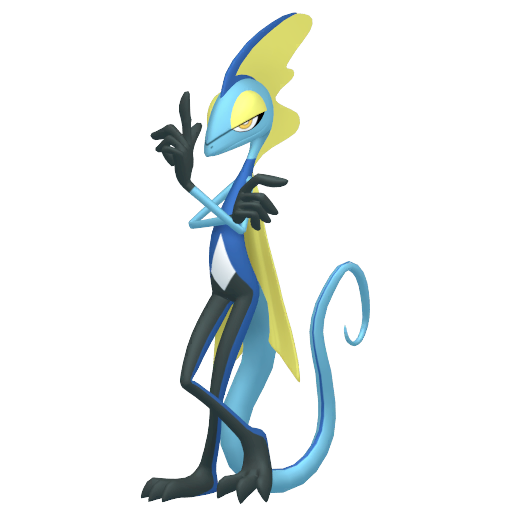



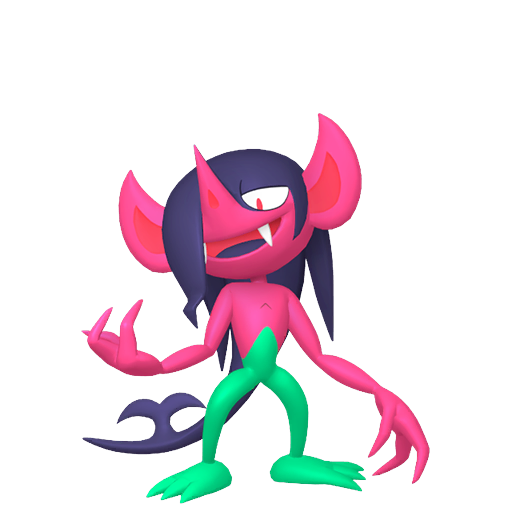
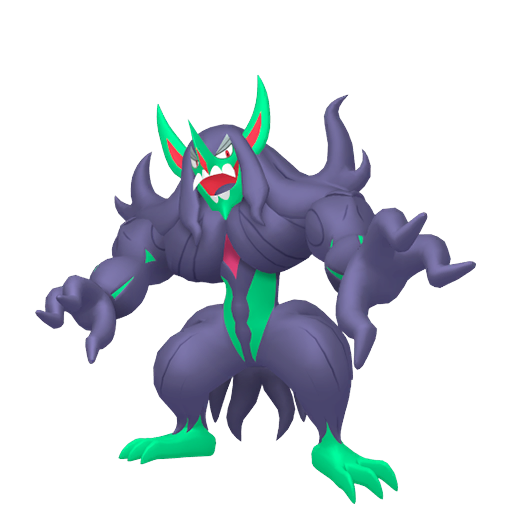
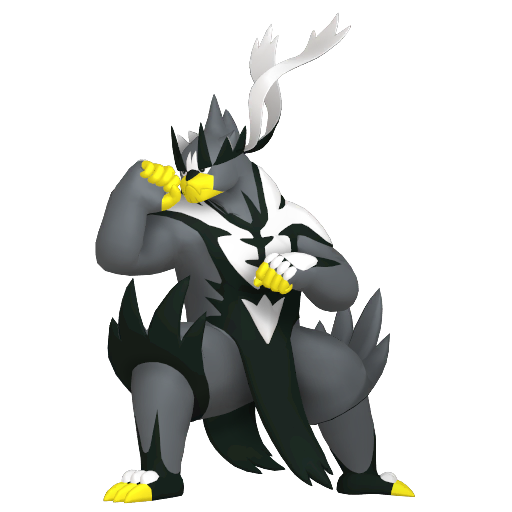



























What it does
Sucker Punch is a 70-base-power Dark physical move with +1 priority. The trigger condition: the opponent must be using a damaging move on the same turn. Switch, status move, Protect, setup — any of those make it fail entirely, no damage, wasted action.
That conditional is exactly why the move rewards experience — but the numbers justify running it. STAB ×1.5 pushes effective power to 105. Take Kingambit as a reference: at Lv50 with 31 IVs and a reasonable Stat Points spread into Attack, it sits around 167–170 Attack. Against a frail special attacker with no Defense investment, 105 effective power at that attack stat is a clean 1HKO or very reliable 2HKO — and it arrives before the opponent moves. Champions damage rolls in 16 steps between 85–100%, so even a low roll usually keeps a KO in range when the math favors you.
The second reason is speed compensation. Incineroar, Tyranitar, Bisharp — the classic Dark-type powerhouses — all have base Speed of 65 or below. In Ranked Battles they get outsped by most offensive cores. And in Champions, the reliable speed-control tools have been trimmed: Paralysis full-stop drops from 25% to 12.5%, Sleep is capped at 3 turns, and Freeze clears at 25% per turn with a 3-turn hard cap. When status control is less reliable, priority moves carry proportionally more weight. If you can't paralyze your way to going first, you read your way there.
Who runs it
The core profile: high Attack, naturally low Speed or a specific speed gap to cover, and preferably Dark typing for STAB.
Incineroar: The most ubiquitous Sucker Punch user in doubles. With base 60 Speed it isn't outspeeding anything — but it doesn't need to. The play pattern is Fake Out on the first turn to stop one threat, Intimidate cutting the other side's Attack, then Sucker Punch on the turn the opponent commits to cleaning up. These three effects together control tempo without needing a single high-Speed stat. It is a pressure management system, not just an attacker.
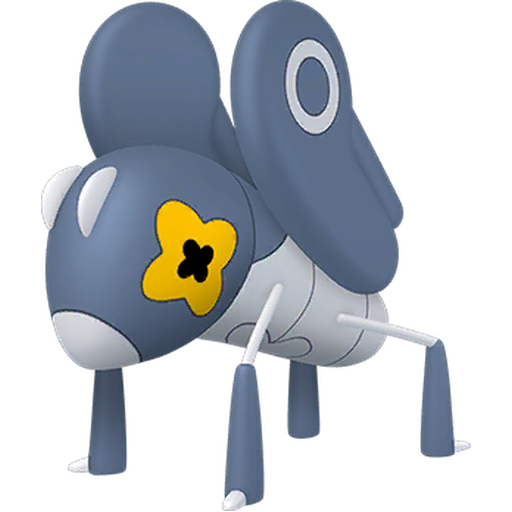
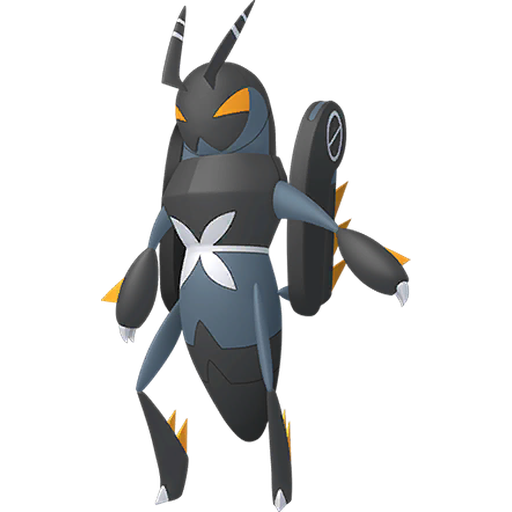
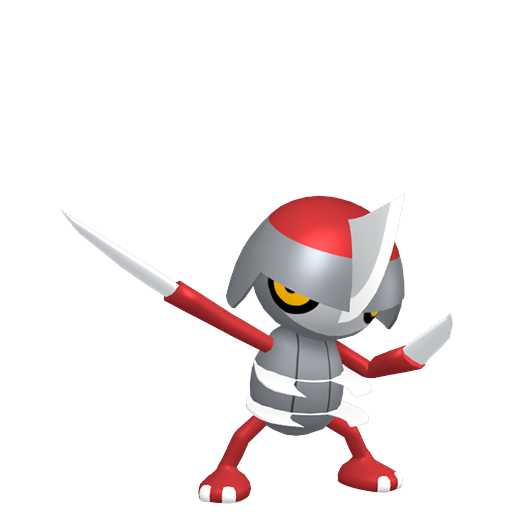
Kingambit (or Bisharp pre-evolution): Defiant makes this archetype uniquely hostile to the standard gameplan of throwing Intimidate at it — Attack rises one stage instead of falling, and then the boosted Sucker Punch hits at 105 effective power from a higher base. The opponent faces a dilemma: drop Intimidate and feed a boost, or don't use Intimidate and face a hit anyway. Either way, Sucker Punch is the move that cashes in.
Weavile: Already fast enough that priority is rarely needed for Speed reasons, but against Choice Scarf users or after a Tailwind expires, Sucker Punch closes the gap. High Attack and Ice + Dark dual STAB coverage make this less of a backup tool and more of an extended reach option.
Mega Gyarados (holding Gyaradosite, triggering Mega Evolution): After Mega Evolution it picks up the Dark type and Attack climbs to 155. Plug that into 105 effective power from STAB Sucker Punch — most medium-bulk targets don't survive it. This turns an already strong priority move into one of the hardest-hitting priority attacks in the format.
How to use it
Singles read framework: The clearest trigger point is when the opponent is in your KO range and has no obvious reason to switch or stall. Prototypical scenario — your Pokémon is at mid HP, opponent's attacker is in clean-up mode and threatening to sweep: choosing Sucker Punch maximizes expected value here because if it lands you take the KO and preserve your Pokémon; if it fails you absorb damage but you were losing that exchange anyway. What you want to avoid is using it when the opponent is comfortably ahead — they have every incentive to set up or switch, and your failure rate skyrockets.
Doubles turn structure: Doubles adds a second axis of reads. Before committing Sucker Punch on a target, check what the opponent's partner is doing:
- If the opponent's redirection user (Follow Me / Rage Powder) is already fainted or statused → proceed freely toward your intended target
- If there's a fresh Quick Guard user at full health on the opposing side → the entire +1 priority bracket is blocked this turn, don't use Sucker Punch
- If the opponent has been hit by Taunt this turn → they can only use damaging moves, Sucker Punch connects with near certainty, fire away
- If the opponent has an Eject Button equipped → a chip hit from your partner could bait a forced switch, sending Sucker Punch into the wrong target mid-turn
Tips & strategy
Common mistake autopsy — using it from a winning position: The beginner error is firing Sucker Punch when ahead on HP and board state. From a winning position, the opponent has every reason to switch or use a setup move — the move fails more often than not, and you've given away a free turn. The fix is treating Sucker Punch as a reactive tool: it fires when the opponent is in a forced-attack situation (low HP, Taunted, threatening a sweep), not when you want priority. Read the incentives, not just the matchup.
The Taunt lock — manufacturing the trigger: Pair Sucker Punch with Taunt support. Once an opponent is Taunted, they cannot use non-damaging moves, so the trigger condition is effectively guaranteed. Incineroar running Fake Out + Sucker Punch alongside a teammate's Taunt in doubles is a textbook pressure package in Champions — it compresses the opponent's options to near zero over the first two turns.
Hard counters:
- Quick Guard: Blocks all +1 priority on your side in doubles — one move shuts down Sucker Punch and every other priority move simultaneously
- Armor Tail: The ability flat-out blocks moves with priority greater than 0; Sucker Punch cannot hit through it
- Switching: Cleanest counter, no prediction required — the move fails and the opponent safely pivots in a check
- Prankster users using status moves: Prankster-boosted priority status can arrive in the same bracket or above, disrupting your read by making the opponent's "non-attacking" action feel like an attacking one
Interaction worth knowing — Justified: Any Pokémon with Justified gains one Attack stage whenever it takes a Dark-type hit, including from Sucker Punch. In doubles, if your partner has Justified, you can stage the board so the opponent feels pressured to throw Sucker Punch at your partner — they waste their turn on a hit that ends up giving your partner an Attack boost. It's a niche interaction, but against an opponent who doesn't know about it, it's a free turn of tempo.