








What it does
Life Orb does exactly two things: multiplies the damage of every move you use by 1.3×, then takes 1/10 of your max HP back at the end of the turn.
Worked number: Champions damage rolls land between 85% and 100% of the calculated value in 16 equal steps. Suppose a move at full damage would deal exactly enough to leave a target at 5% HP — a near-miss every single time. With Life Orb, that same move now deals 1.3× as much, shifting the entire damage window upward. A situation that was a 0% KO rate without the item can become a guaranteed KO with it. One extra KO per game means one fewer turn the opponent gets. That's the entire argument for the item.
Compared to Choice Band or Choice Specs: the Choice items give a bigger multiplier (1.5×), but they lock you into one move. The opponent sees what you clicked and pivots accordingly — a Ground-immune switch in after your Earthquake, a resist swap after your Moonblast. Life Orb gives you 1.3× while keeping every move available every turn. Earthquake now, Protect next turn while your partner clears a threat, Dragon Claw the turn after against a different target — the opponent can't safely pivot because they don't know what's coming.
The cost is real and accumulates fast: 10% HP after the first move, 30% after three, 50% after five. Most Life Orb users aren't intended to survive the whole game. They come in, deal maximum damage, and eventually go down. The item is designed for that arc.
Who runs it
Life Orb wants: wide movepools (no-lock is worthless if you'd click the same move anyway), high offensive stats (1.3× scales best from a big base number), and no defensive item they need more than the damage boost.
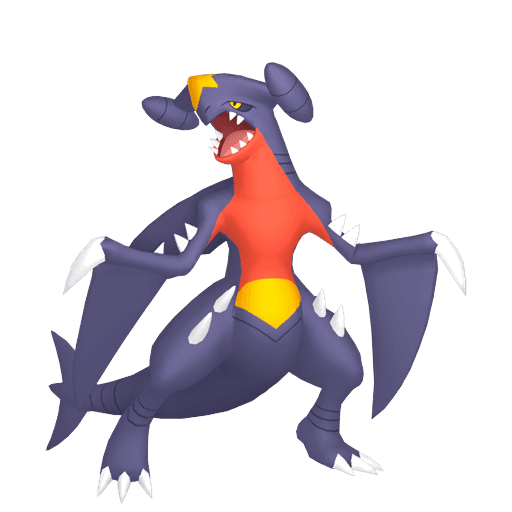
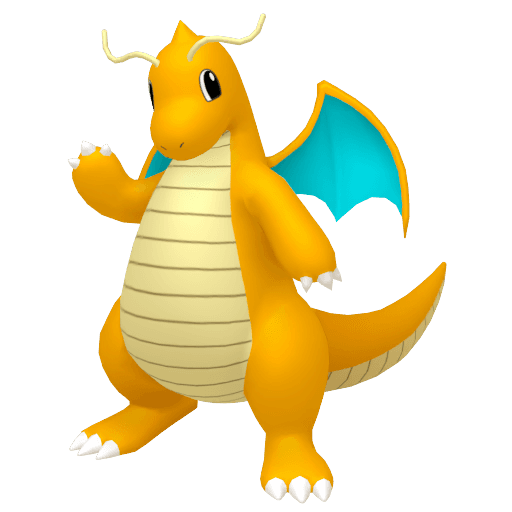
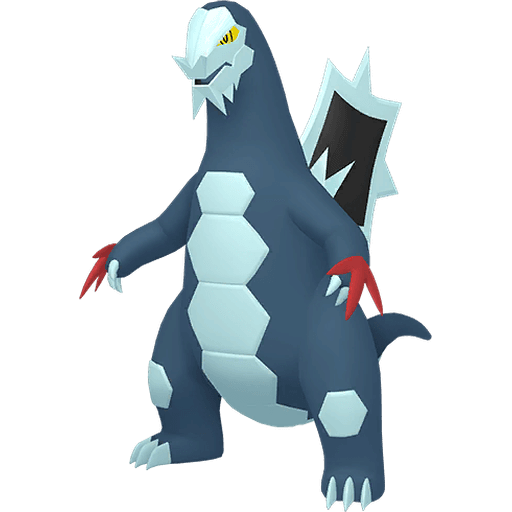
Garchomp — the physical multi-tool: 130 base Attack, three moves that cover genuinely different targets. Earthquake pressures a wide range of opponents, Dragon Claw hits Dragon-types cleanly, Stomping Tantrum doubles in power after a failed move (like a Protect or miss) and provides Normal-type coverage. With Life Orb, any of these pushes over KO thresholds on the right target — and the opponent can't safely pivot after any of them, because they never know what's coming next. A Choice Band Garchomp that clicks Earthquake gives the opponent a free turn to send out something immune; the Orb version doesn't create that opening.
Flutter Mane — special power ceiling: Already sits at a very high special attack stat. Life Orb pushes Moonblast, Shadow Ball, and Thunderbolt into a range where a single hit can end most Pokémon that don't resist it. Singles players use it as the primary offensive win condition of the team.
Landorus with Sheer Force — free 1.69× multiplier: Sheer Force multiplies moves with secondary effects by 1.3× and cancels those secondary effects. Mechanically, the Life Orb recoil is treated as a secondary effect of the item — so Sheer Force cancels it too. The result: you get Sheer Force's 1.3× AND Life Orb's 1.3× on applicable moves, multiplying out to 1.69×, with zero HP cost per turn. This is one of the highest-efficiency Life Orb interactions in Champions and is only available on Pokémon that actually have the ability.
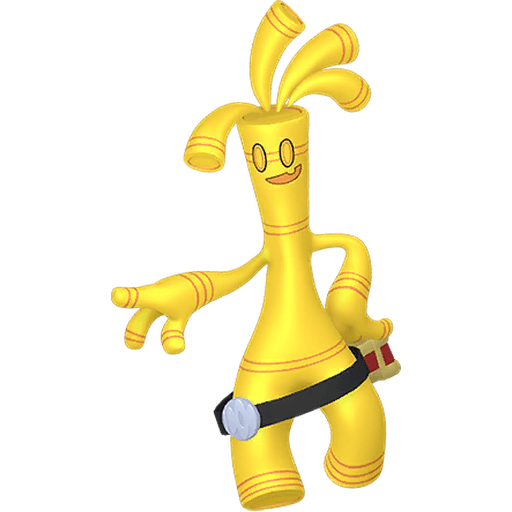
Clefable and Alakazam with Magic Guard — pure free boost: Magic Guard blocks all indirect damage, which includes the Life Orb recoil. These Pokémon get a 1.3× damage boost at literally zero cost. No HP bleed, no clock ticking. The item becomes strictly better than holding nothing.
One hard constraint: a Pokémon holding a Mega Stone cannot also hold Life Orb. Mega Evolution via the Omni Ring takes the held item slot entirely. Your Mega gets its power from the transformation itself; the teammates around it are the natural Life Orb users.
How to use it
Singles — turn structure: The Life Orb user functions as your primary pressure piece. The rhythm usually looks like this:
- Turn 1: Read the matchup, click the best attack. Down 10% HP.
- Turn 2: The opponent either forces a switch (because the damage threatens a KO) or stays in and eats another hit. You read the switch target and either follow up or click Protect.
- Turns 3–4: You're at 70–80% or lower. This is where the decision gets real — do you keep attacking, or preserve the Orb user by switching out and coming back later?
The key checkpoint: once your Orb user drops below roughly 30% HP, a Choice Scarf revenge killer can cleanly KO it. Staying in to fire one more attack only makes sense if that attack guarantees a KO on something important. Otherwise, switch out and reset. The value of a healthy Orb user late-game is usually higher than the value of one more hit with a near-fainted one.
Doubles — key differences: Pair the Orb user with support that buys it a safe first turn — Fake Out to flinch a threat, Follow Me or Rage Powder to redirect attacks away. Because you're unlocked, you recalculate targets every single turn: Earthquake into both opponents this turn, then a single-target move next turn when the board changes. Watch for the Earthquake-ally interaction — the move hits your own partner if they're grounded and not using Protect themselves. Either coordinate Protects with your partner or switch to a move that doesn't splash. Doubles also focuses damage down faster; an exposed Orb user without any support gets eliminated before contributing. Protect on the Orb user during turns where the partner needs to act buys time, saves HP, and lets the partner clear threats without the Orb user taking chip.
Tips & strategy
Speed targeting in Champions: Life Orb users almost never invest in maximum Speed for no specific reason. The right approach is to identify the Speed benchmark you need to beat — a particular common threat on ladder — and allocate exactly enough Stat Points to clear it. Champions uses a 66-total / 32-per-stat cap on Stat Points, which is completely different from Smogon's 252 EV system. Don't copy Speed spreads from competitive databases without recalculating — the numbers will be wrong.
Bleed math in practice: The countdown is 10 turns to self-KO from Life Orb alone. Realistically, your attacker goes down in 4–6 turns. The number that actually matters is: how many moves do I still need to deal, and will I survive to deal them? If you need two more KOs but you're at 25% HP, you probably get one hit off before a fast opponent's attack puts you in range of being KO'd. Recognize that moment early. Protect to hand the turn to your partner, or switch out, is usually worth more than the extra hit.
Status interactions — doubled punishment: In Champions, paralysis applies a 12.5% full-stop chance with Speed halved for the duration; sleep caps at 3 turns; freeze auto-thaws after 3 turns. Paralysis hits Life Orb users twice over: the Speed halving can cost you the first-move advantage you built your entire spread around, and the 12.5% full-stop means you might eat a turn of Orb bleed without getting an attack out at all. Against teams with heavy paralysis support, weigh whether your Orb user can function in that environment.
Common mistake — wrong Pokémon: The most frequent beginner error with Life Orb is putting it on a Pokémon that needs a defensive item to function. Iron Hands is the textbook case: its role is to stay on the field repeatedly, absorb hits with solid physical bulk, and recover HP through Drain Punch to extend its presence. Give it Life Orb and you've made Drain Punch recovery insufficient to offset the per-turn cost — the bleed wins, and the Pokémon's core loop breaks. Assault Vest is the correct item because it strengthens what Iron Hands actually wants to do. Life Orb belongs on Pokémon designed to hit as hard as possible and exit; not on Pokémon designed to stay.
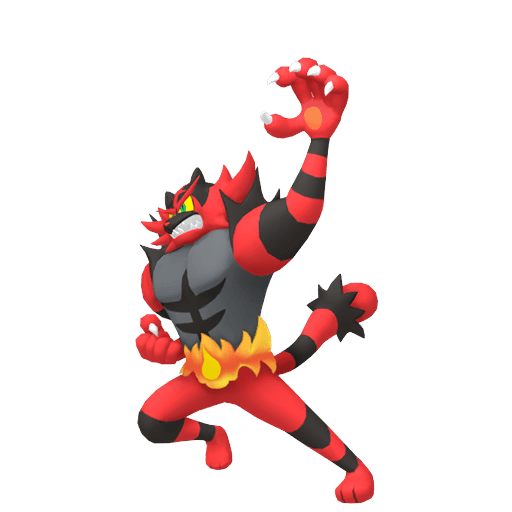
What shuts it down: Knock Off removes Life Orb permanently in one hit — every subsequent attack loses 1.3× for the rest of the battle, no recourse. A single successful Knock Off completely defuses the threat level of an Orb sweeper; this is one of the cleanest ways to neutralize the item. Intimidate (like Incineroar, a doubles staple) cuts physical Attack by one stage, which can flip a physical Orb user from a guaranteed KO to just short of it — turning your "win condition" into a non-answer. Faster Choice Scarf revenge killers wait for the Orb user to bleed to 40–50%, then clean it up before it gets another turn.