





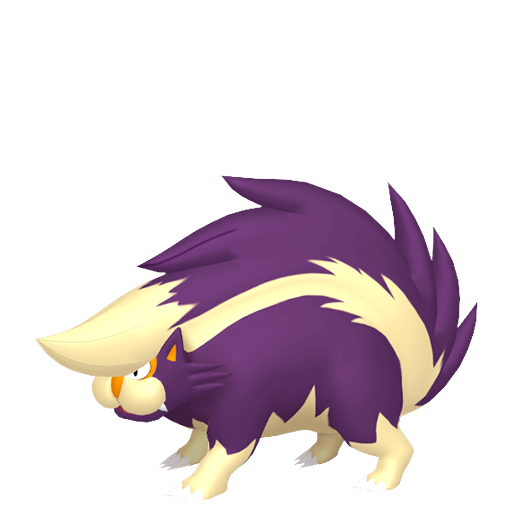
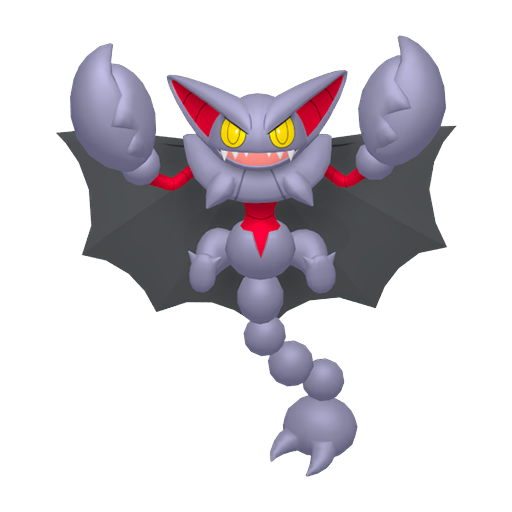



What it does
Toxic Spikes places a hazard layer on the opponent's side of the field. One layer: any grounded, non-Poison, non-immune mon that switches in gets poisoned. Two layers: switch-ins are badly poisoned instead — the escalating damage starts at 1/16 max HP and grows each turn. A Poison-type switching in removes the hazard entirely. Rapid Spin clears it from the user's side; Defog clears the opponent's side.
The mechanics are sound. The problem in doubles is structural. Matches typically last three to four turns, there is far less switching than in singles, Flying types and Levitate users are immune, and setting two layers requires two full turns of investment — a steep cost in a format where every action has immediate impact. The move's ceiling requires conditions doubles rarely provides.
So the honest framing: this is a niche doubles tool. It can pay off in the right matchup, but it is not a carry option for most team builds.
Who runs it
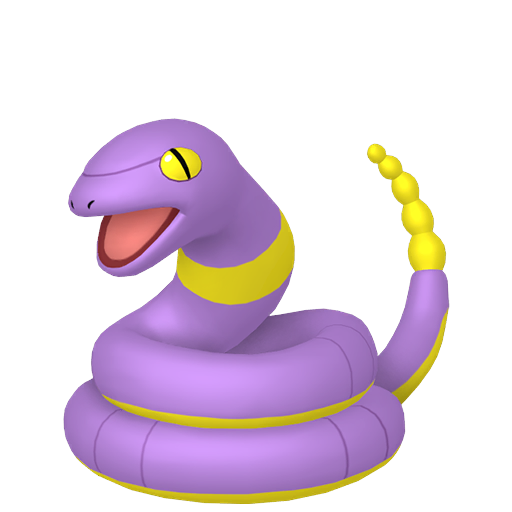
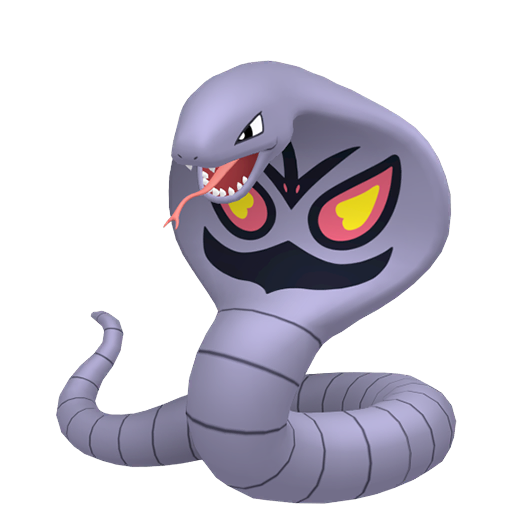
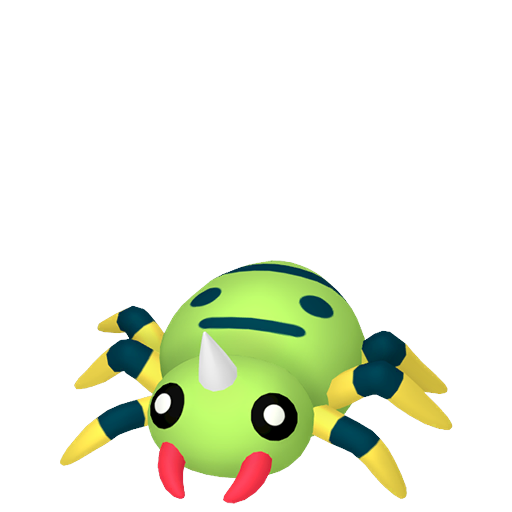
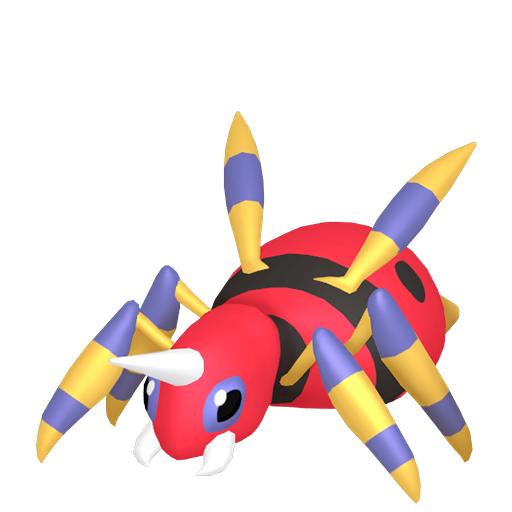
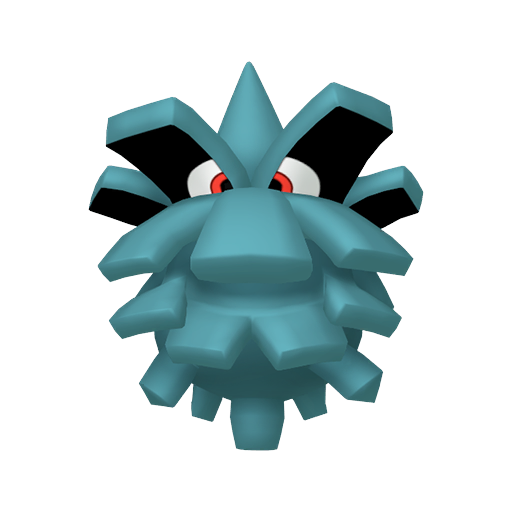
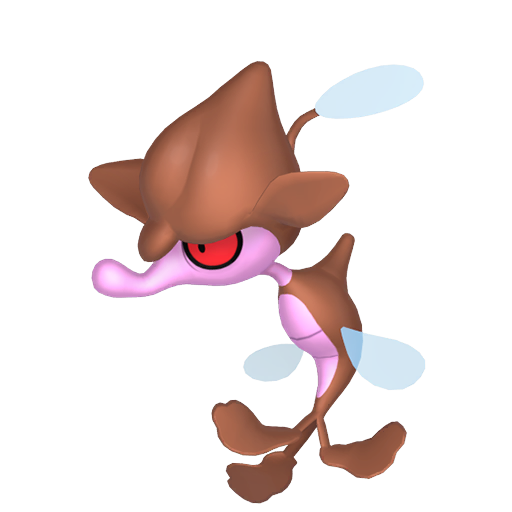
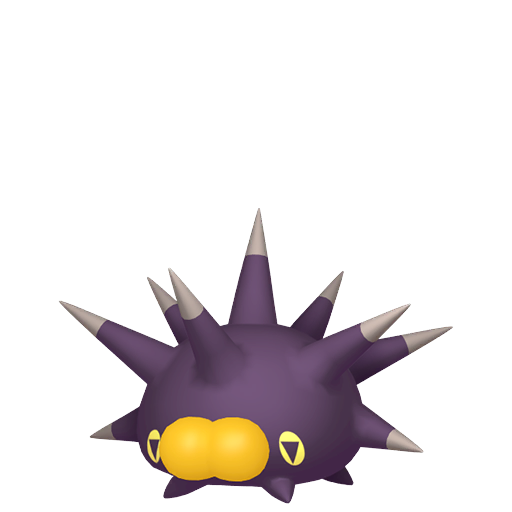
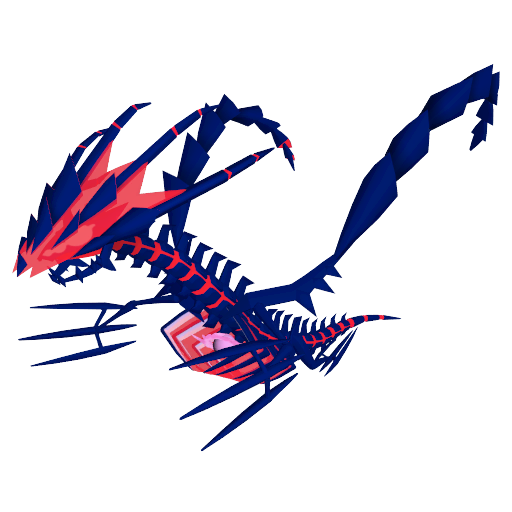
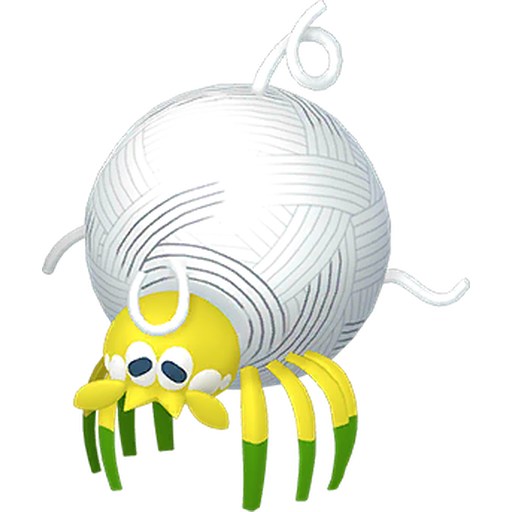
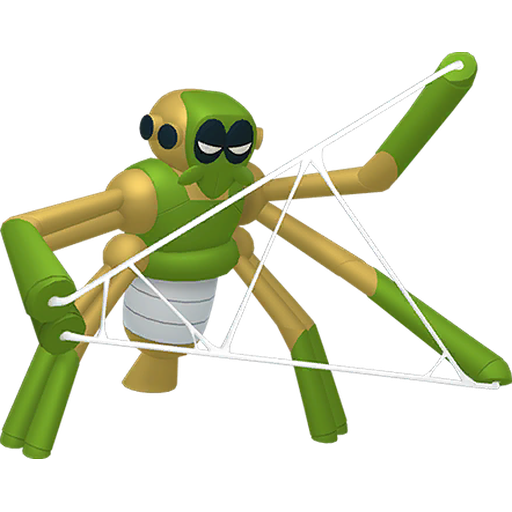
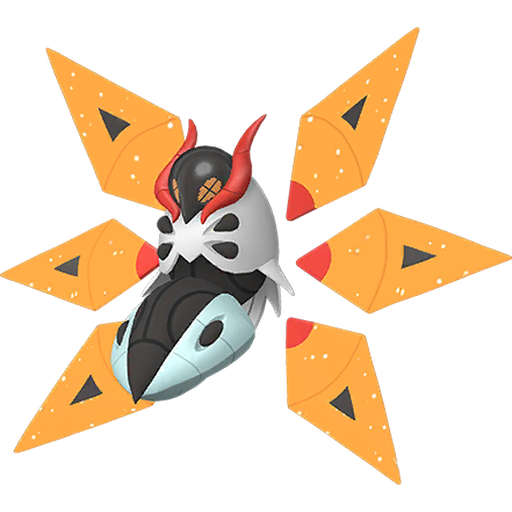
Ariados (25%) makes the most coherent case for Toxic Spikes in this format. Its role is already built around slow-burn disruption — it brings web support to reduce opponent speed, and Toxic Spikes layers on additional attrition. When Ariados faces a team that leans on switching or plays a longer-game style, the combo can grind out value that faster teams cannot easily answer. The hazard is part of a system, not a standalone choice.
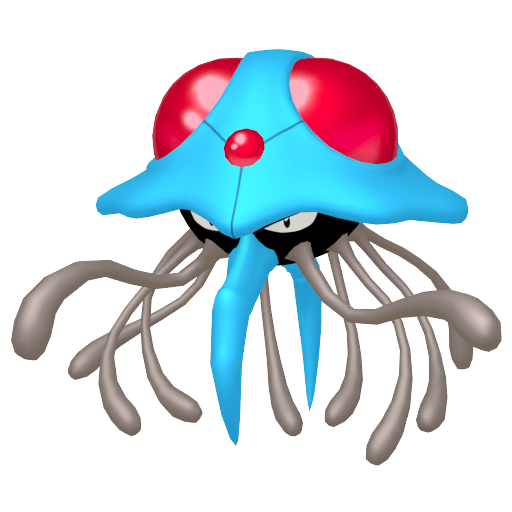
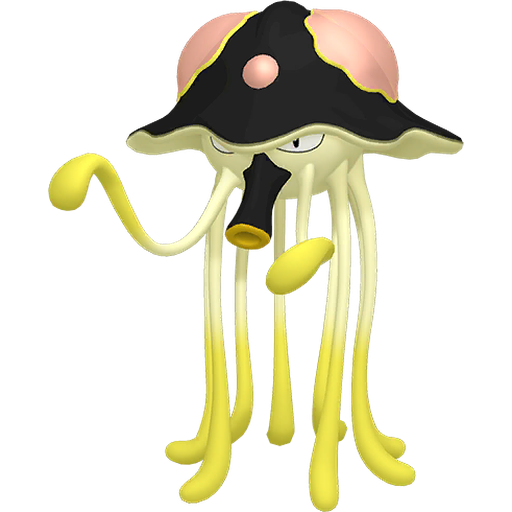
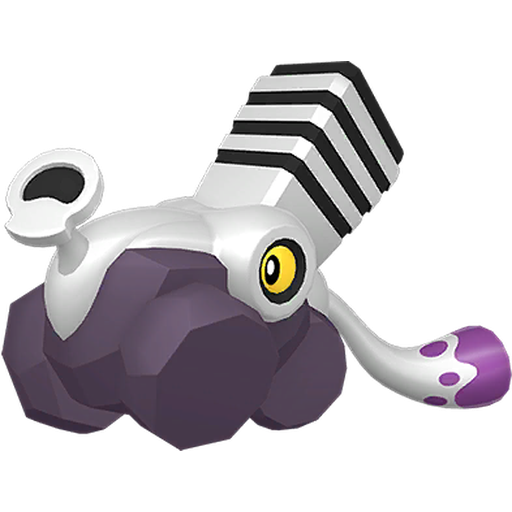
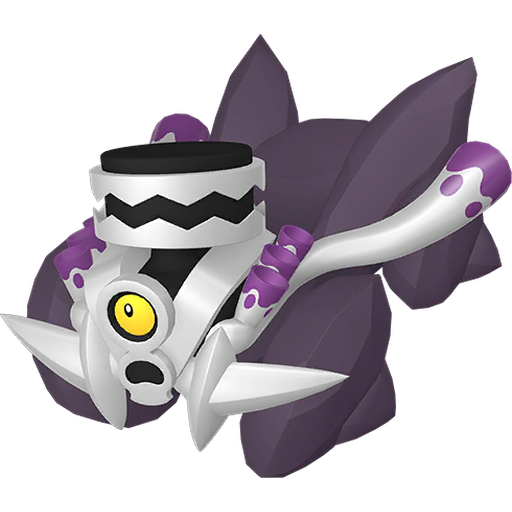
Toxapex (12%) running Toxic Spikes is genuinely rare. Its more common sets rely on direct poison moves and recovery utility, with hazard setting delegated to a partner. The Toxapex-centric field control set does exist — Regenerator lets it cycle in and out repeatedly while maintaining the hazard — but it is a specialized build that requires the rest of the team to support the long-game plan.
How to use it
There are conditions that make Toxic Spikes viable in doubles, and the move underperforms without them:
The opponent's team is built around switching or weathering the mid game. Against burst offense teams that close out in three turns, you will rarely see the return on two turns of setup.
You have verified the opponent does not have a Poison-type ready to walk in and absorb the hazard. Losing two layers to a single Poison-type switch-in is the most painful way this strategy collapses.
Gravity support changes the math significantly. Under Trick Room or alongside Gravity moves, even normally immune Flying-types can be forced into contact with the spikes, dramatically widening coverage. Teams that pair Toxic Spikes with Gravity shift the move from niche to genuinely threatening.
Time the setup for when you have established board advantage. Spending a full turn on hazards from a losing position rarely recovers the tempo. Use it when the opponent needs to react to your board state — that forces the switching you need to convert the hazard into damage.
Tips & strategy
Always aim for two layers. The difference between regular poison (fixed 1/8 chip) and bad poison (escalating from 1/16) is enormous over several turns. When the opponent sees two layers are down, switching becomes actively painful, which forces them to play out matchups they would rather avoid — that indirect field pressure is its own form of value.
Identify hazard removal before you commit. If the opponent has a clear Rapid Spin or Defog user, or leads with Flying-types that never touch ground, your Toxic Spikes may be neutralized the same turn they are set. Factor the probability of removal into whether this slot is worth it — against a heavy hazard-removal team, a different move nearly always outperforms.
In multi-game formats like group play or brackets, the value of persistent hazards rises. If the opponent lacks reliable removal, a hazard set in game one carries psychological weight in game two. Champions bracket play may have rounds where this matters.
One mechanical note: Toxic Spikes bypass Synchronize, which normally reflects poison back at the user. You can poison through a Synchronize user without mirroring the status — a small but relevant edge in specific matchups.