
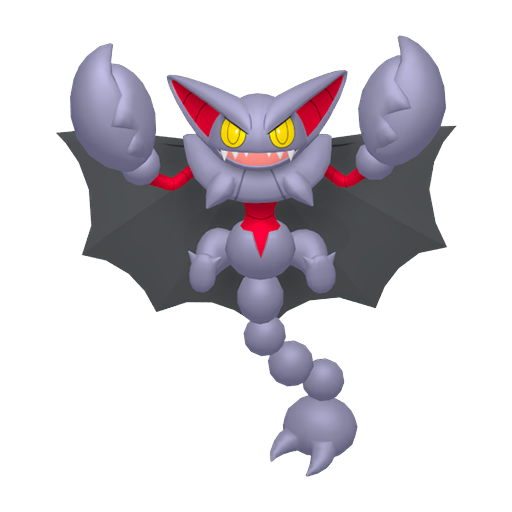
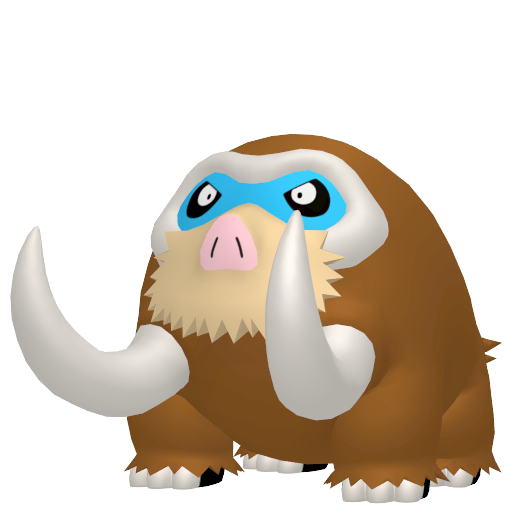
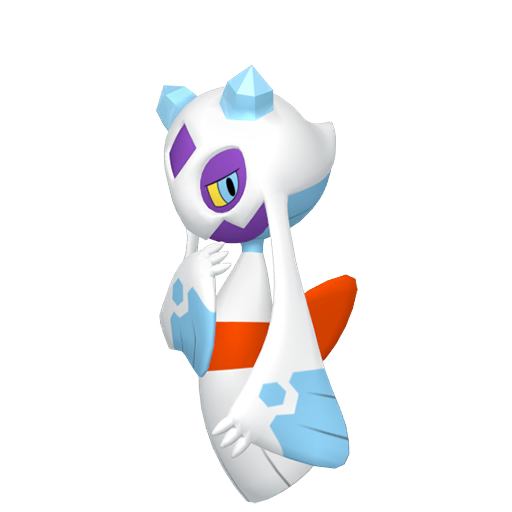
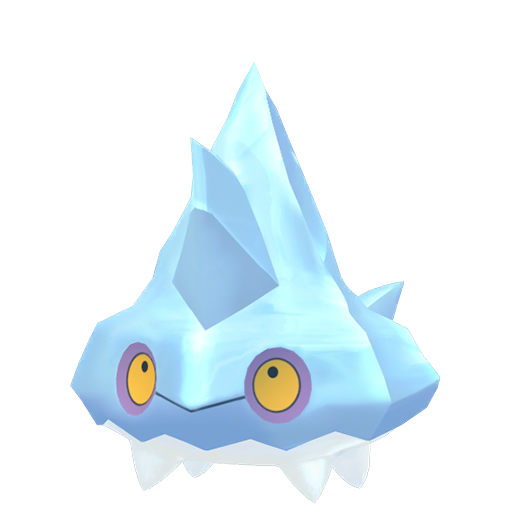




What it does
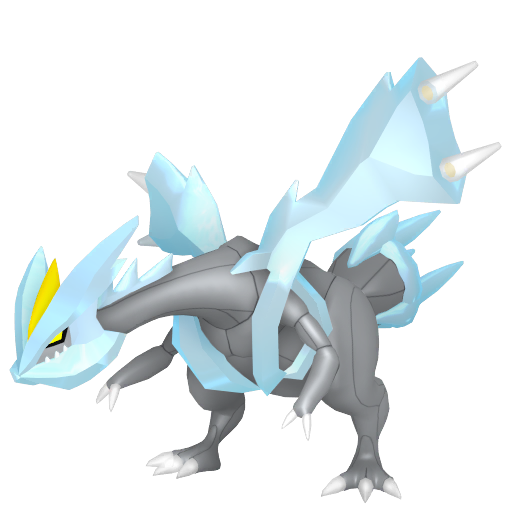
Ice Fang is a physical Ice-type move with two independent side effects: a chance to freeze the target, and a separate chance to cause a flinch. Both can trigger on the same hit — or neither. Freeze locks the target out of action entirely until they thaw; flinch wastes their turn that same round, but only if you moved first.
Physical Ice-type coverage is genuinely scarce. That's the real reason Ice Fang shows up on physical attackers — for Pokémon without a Special Attack orientation, this is one of the few ways to threaten Grass, Flying, and Dragon types in the same move slot. In doubles it hits a single target, unlike Icy Wind which spreads and drops Speed on both foes, but their roles don't overlap anyway.
Who runs it
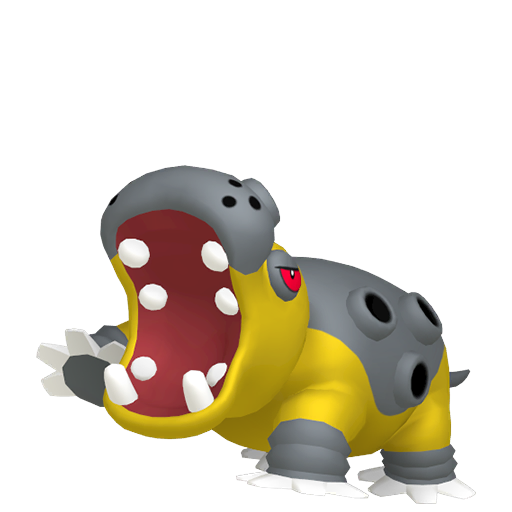
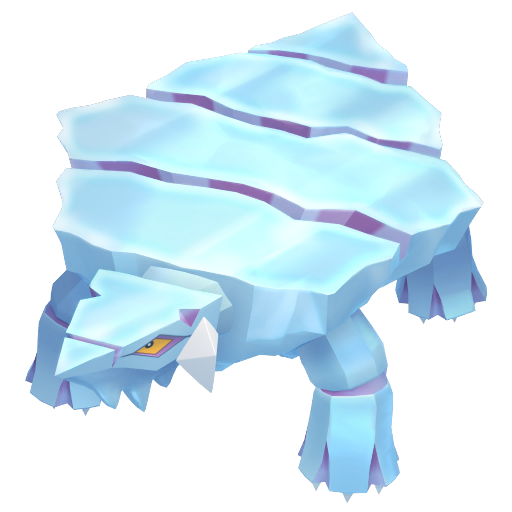
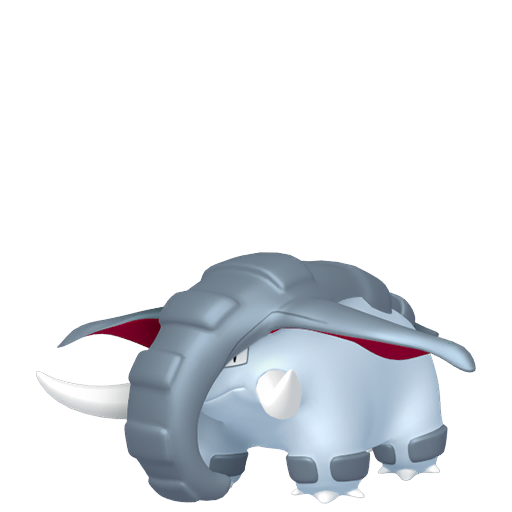
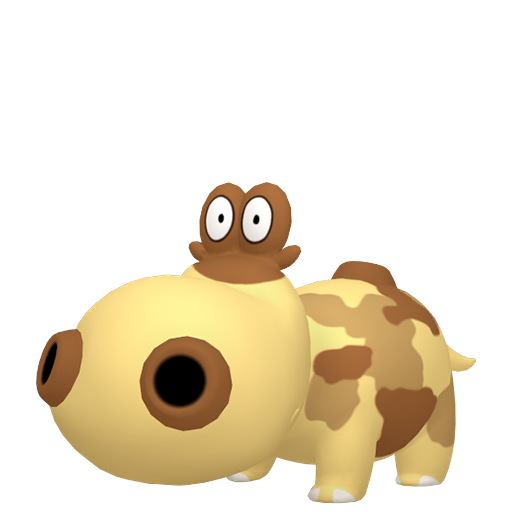
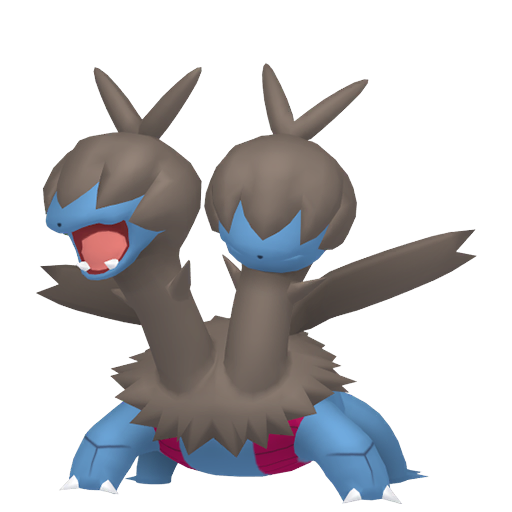
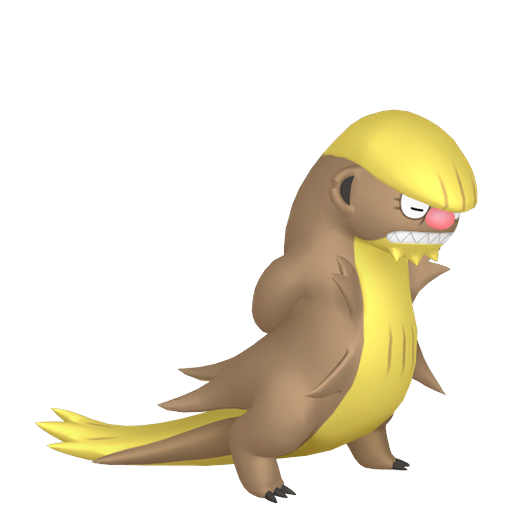
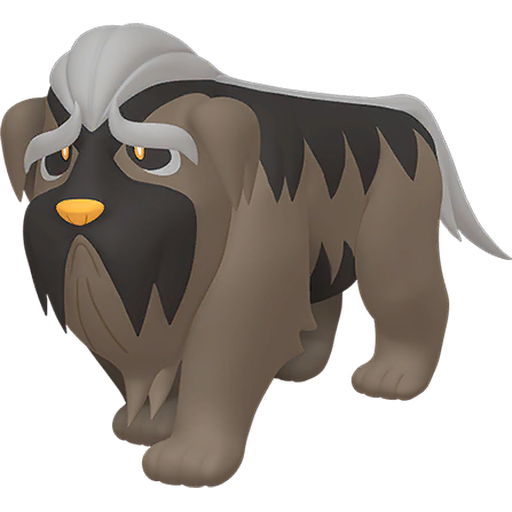
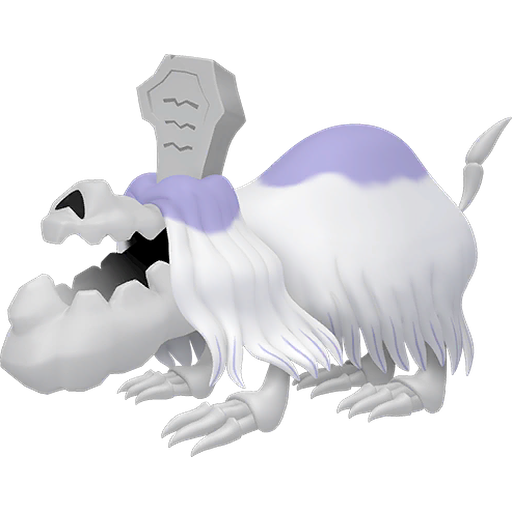
Hippowdon carries it at the highest rate. Hippowdon sets sand and walls physical hits with sky-high HP and Defense — without Ice coverage, Grass and Flying types can sit comfortably in front of it. Ice Fang fixes that.
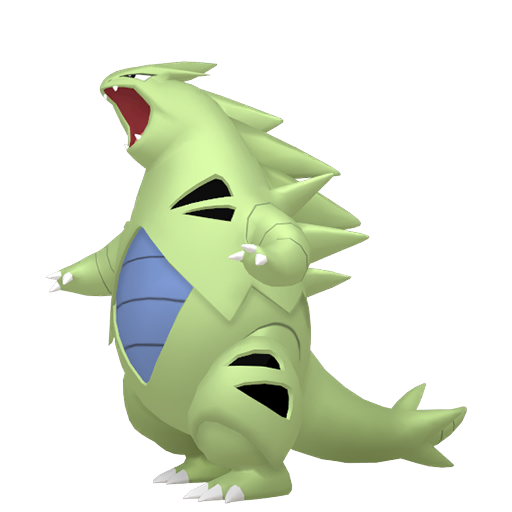
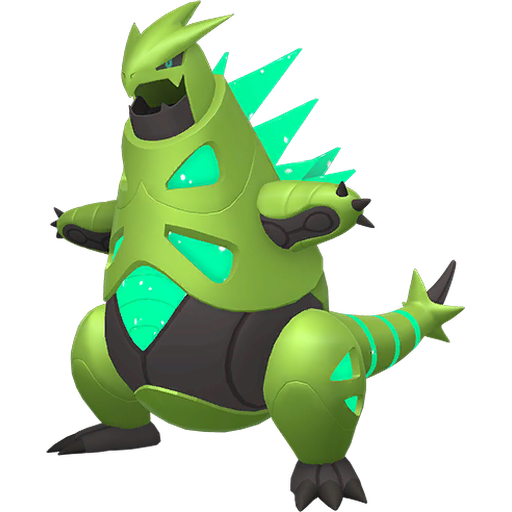
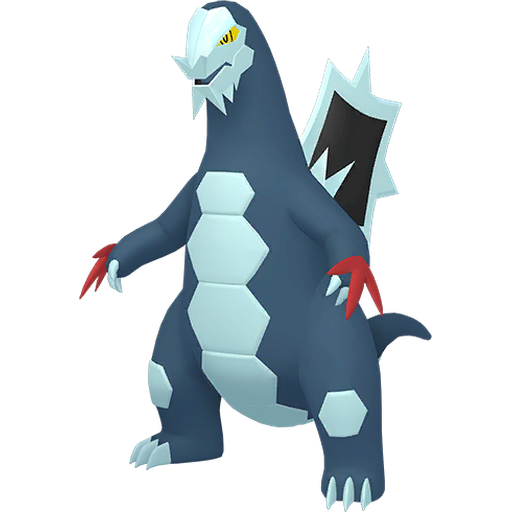
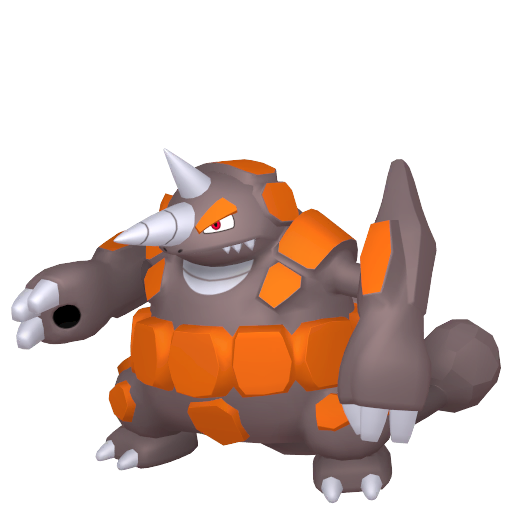
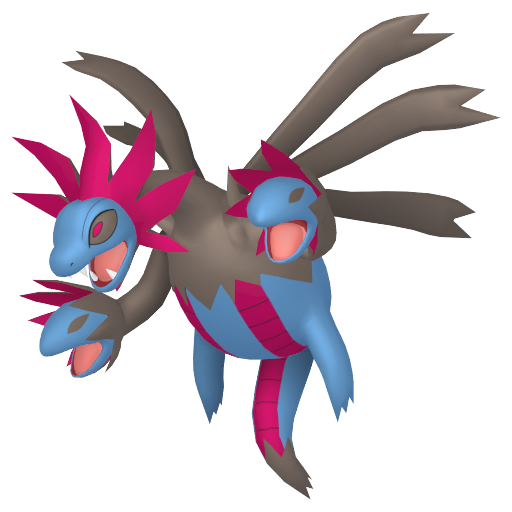
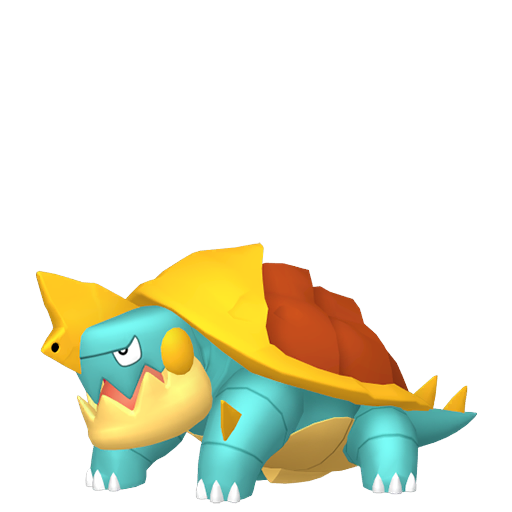
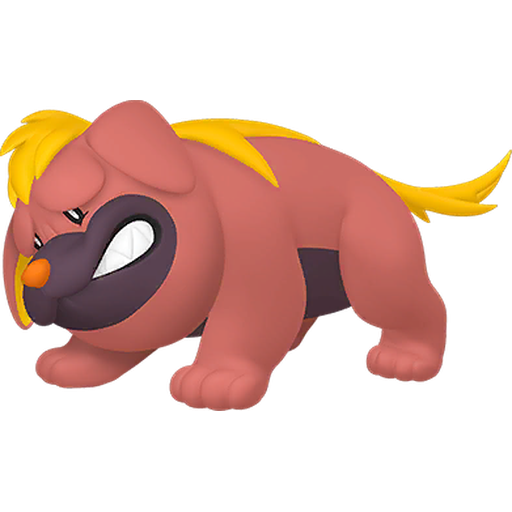
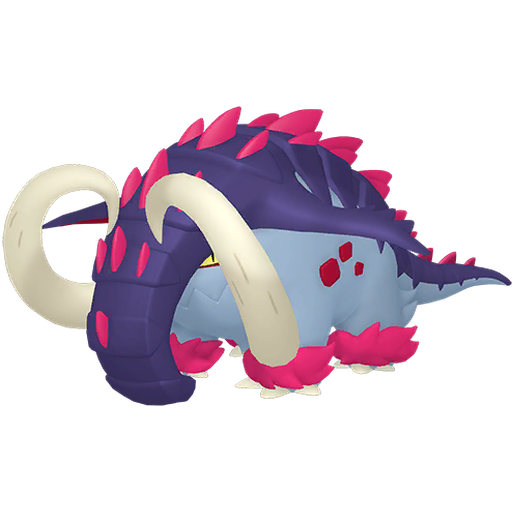
Tyrantrum uses it to fill a gap. Rock/Dragon typing already has Rock STAB for plenty of targets, but Ice coverage hits the Dragon matchups that Rock misses. With Tyrantrum's high Attack, even a move that isn't max Base Power hits hard.
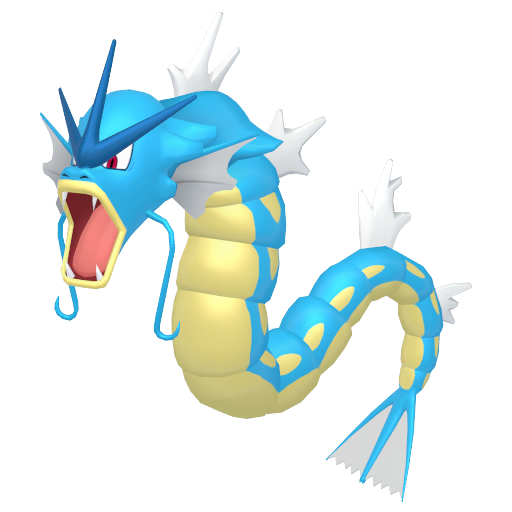
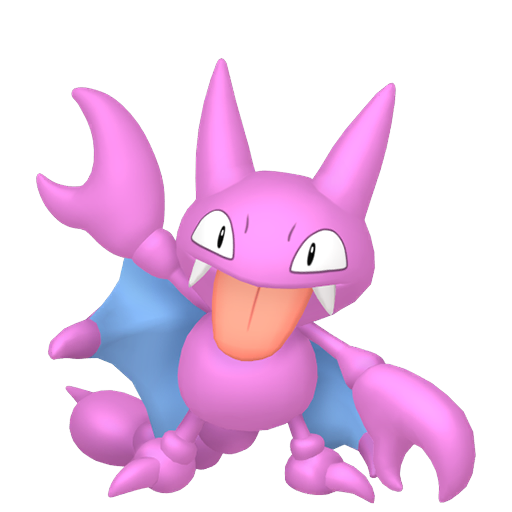
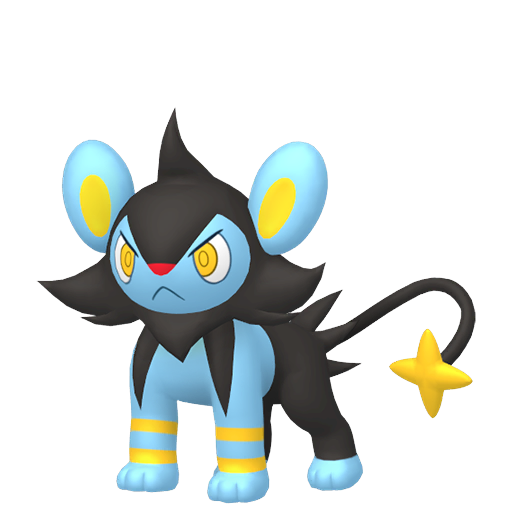
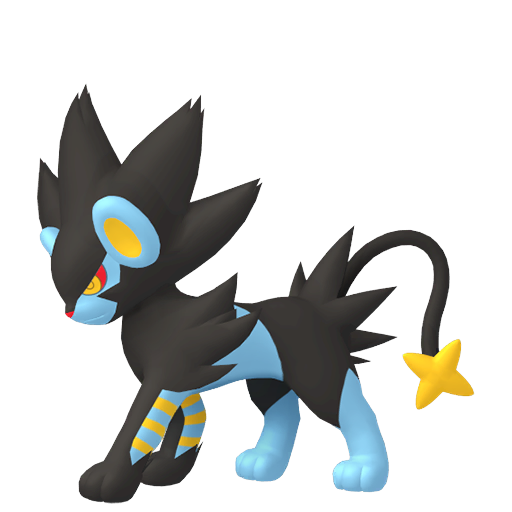
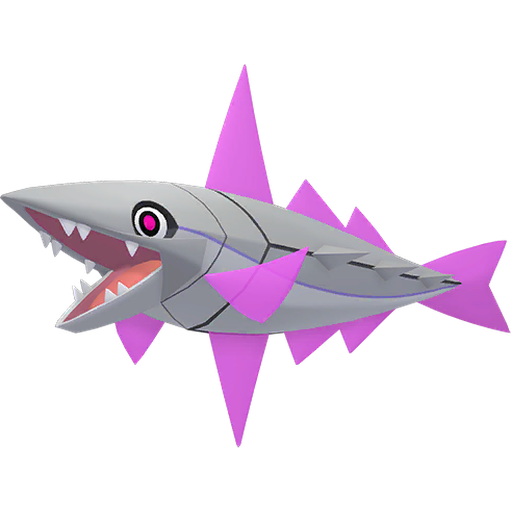
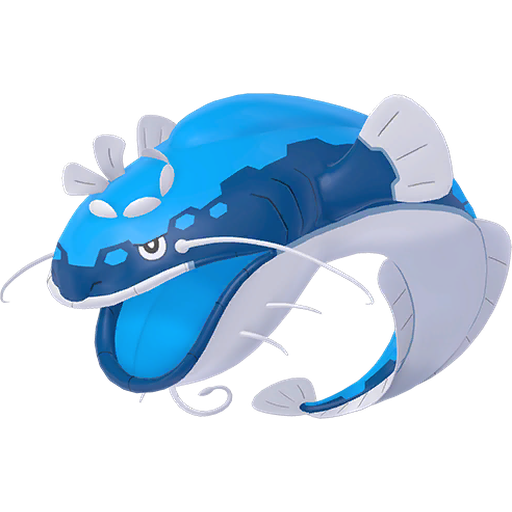
Gyarados and Luxray appear at lower rates but for the same reason — both are physical attackers who want Ice coverage to reach Grass and Flying types they can't otherwise threaten cleanly.
How to use it
In doubles, use Ice Fang when you've identified Grass, Flying, or Dragon-type threats on the opposing team. Don't plan around the freeze proc — the probability isn't high enough to build a gameplan on. Treat it as a bonus when it fires.
Flinch from Ice Fang can occasionally buy a turn for a partner who needs to set something up — Trick Room or a weather move — but only if your attacker is faster than the target. Hippowdon isn't particularly fast, so flinch is situational at best.
When freeze does land in doubles, the opposing partner will usually move to support or swap out immediately. Don't count on freeze holding the target down for more than a turn or two.
Tips & strategy
Both side effects together create quiet psychological pressure. Your opponent doesn't know if the next hit will freeze their active Pokémon, which nudges them toward more conservative swap decisions even when the probability is low.
Against Trick Room teams, slow carriers like Hippowdon get an extra angle — when Trick Room is up, their Speed disadvantage flips. A flinch under Trick Room can interrupt the opposing team's key slower Pokémon on a turn they expected to move first.
Ice Fang works best as the third coverage move alongside Rock or Ground STAB, not as a primary damage source. It's a plug for a type gap, not the main event.