
















What it does
Flip Turn is a 60-power Water-type physical move. After it connects, the user immediately withdraws and you send in a replacement from the bench.
The number looks underwhelming. The clause is everything. A raw switch hands the opponent a free turn — they attack, set up, or reposition at zero cost. Flip Turn attacks first and switches second, so the opponent can only respond once your replacement has already landed. You essentially collected a switch for almost nothing.
Here is what "almost nothing" looks like in real numbers. A Basculegion holding Choice Scarf has roughly 167 Attack at Lv50 with 31 IVs and a reasonable Stat Points investment. Against a neutral-typing Pokémon with around 120 Defense, Flip Turn lands at approximately 22–26% of its HP (damage rolls at 85–100% in 16 steps, so expect variance). That chunk is not your main damage — it is your switch fee. A normal switch costs you the opponent's full action (potentially 150+ BP coming at your face). Flip Turn converts that tax into 22–26% coming out of the opponent instead. The math tilts in your favor every single time.
Water coverage helps too. Resistances are limited to Water, Dragon, and Grass. Everything outside those three families absorbs the 60-power chip cleanly, making it expensive for opponents to hard-switch in reckless counters.
In singles Ranked Battles, Flip Turn's real ceiling appears when combined with Stealth Rock. You spread hazards, then pivot repeatedly — every time the opponent is forced to switch in, they eat 6.25–25% entry damage (scaling with weakness tiers). Your own switched-in Pokémon pays nothing to enter. Over four or five turns, that asymmetry compounds into a winnable game.
Who runs it
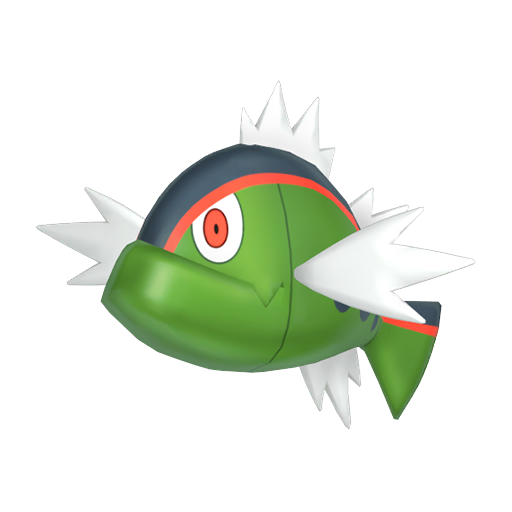
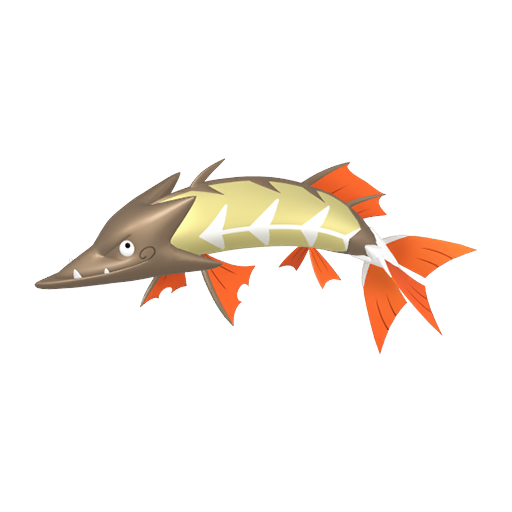
Basculegion carries it at roughly 52% — the highest rate of any user. The moveset is almost always Last Respects / Aqua Jet / Wave Crash / Flip Turn, held item Choice Scarf. Choice Scarf locks you into one move per stay, which would trap you in dead situations — Flip Turn is the only exit that doesn't waste the turn. More importantly, every time Basculegion leaves via Flip Turn and a fainted ally count increases, Last Respects gains another 50 BP (capping at 350). Flip Turn is the bridge between "locked Scarf" and "freely cycling Last Respects stacks."
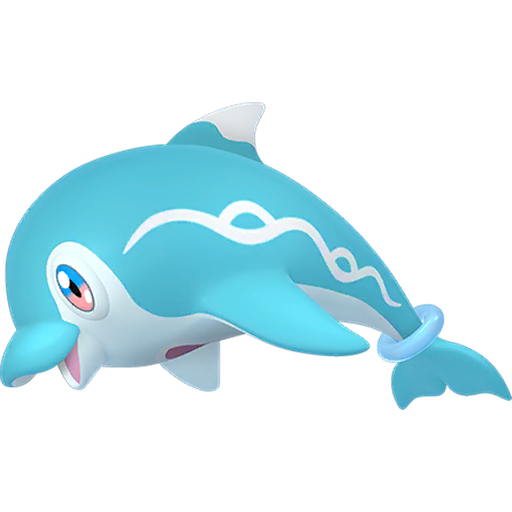
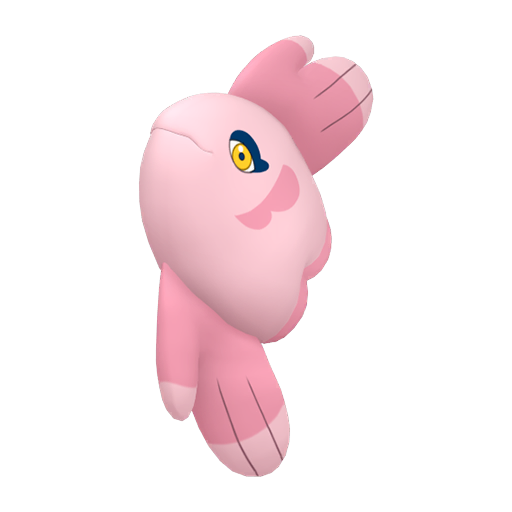
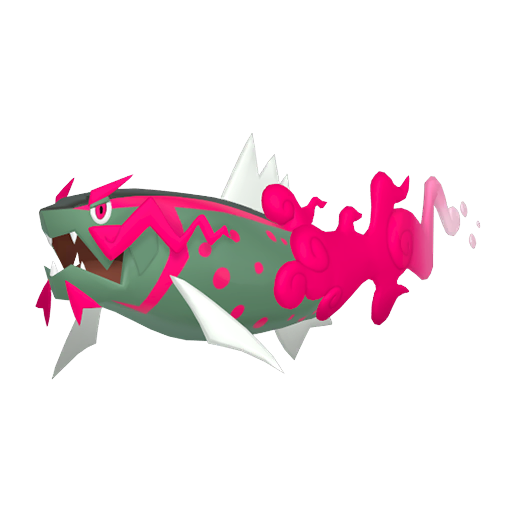
Palafin runs it at roughly 43%, but the motivation is completely different. Zero To Hero triggers when Palafin switches out, not in. Flip Turn deals Water damage, then triggers the form change in the same action — the opponent eats a hit before they can react to the transformation. Hero Form's Attack sits at 160, making it one of the hardest late-game threats in the format. The opponent needs to answer Palafin before Hero Form arrives, which is a fundamentally different defensive problem than dealing with it after.
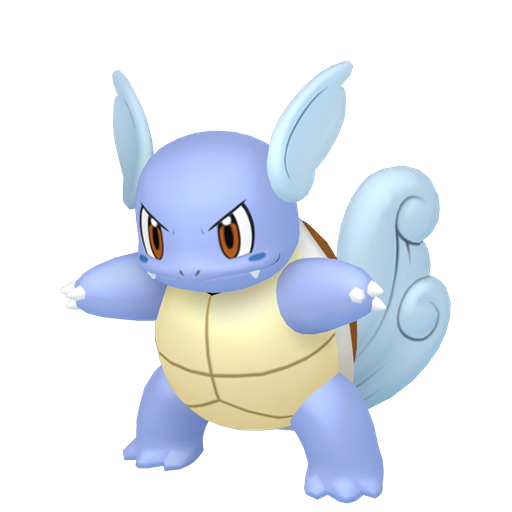
Blastoise sits at around 52% in doubles, almost always in a Fake Out package. Turn 1: a partner Fake Out flinches one opponent, Blastoise uses Flip Turn on the other target, and a new threat enters the field. Three relevant things happen simultaneously — disruption, chip damage, and a free switch-in. Flip Turn only hits a single target in doubles, so it carries no ×0.75 spread damage reduction. The effective power is identical to what it would be in singles, and the free switch is a bonus on top.
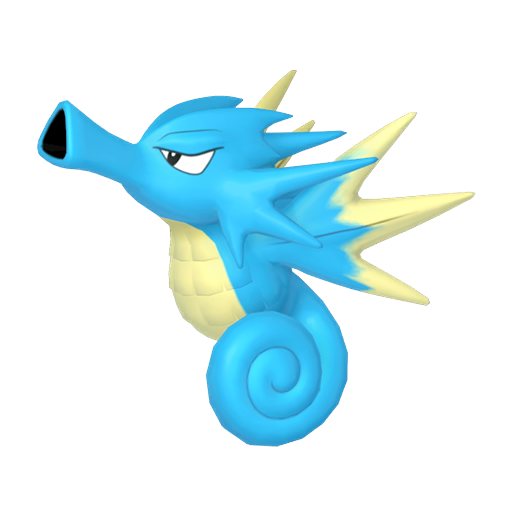
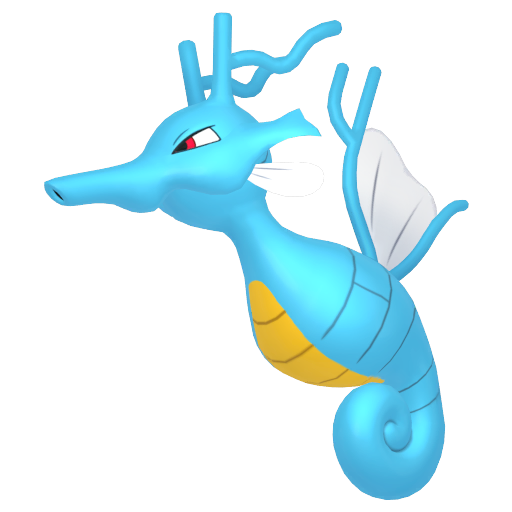
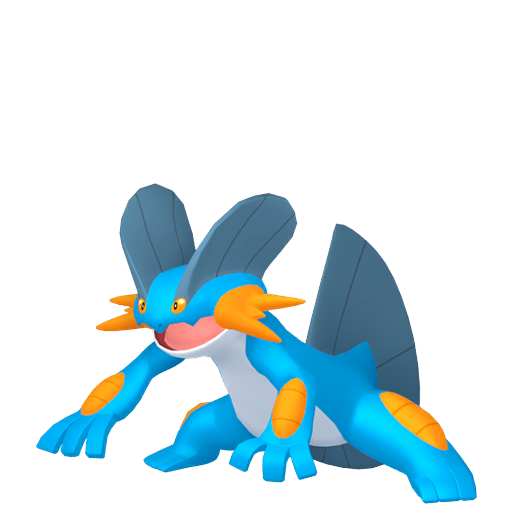
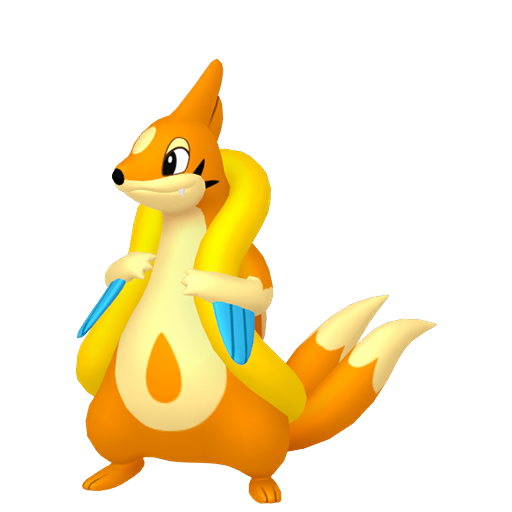
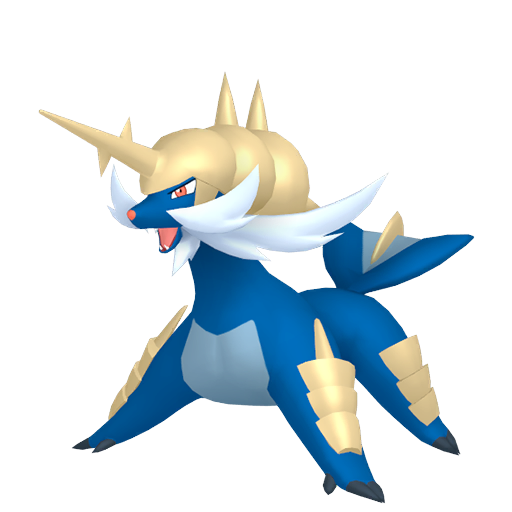
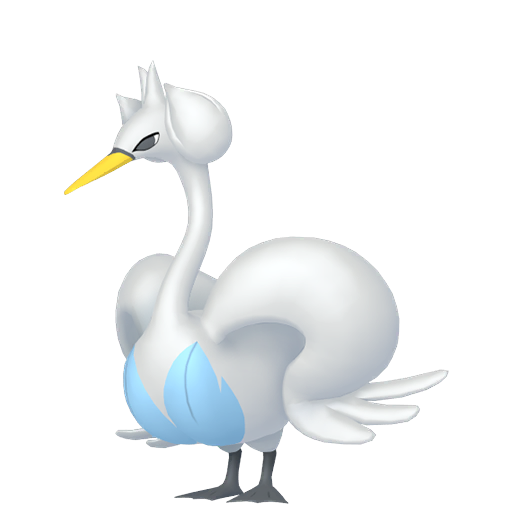
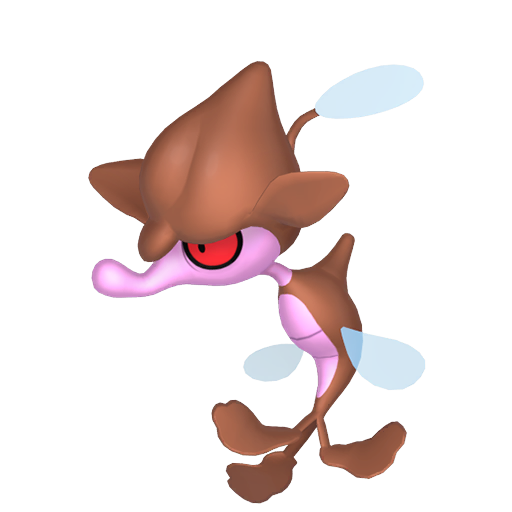
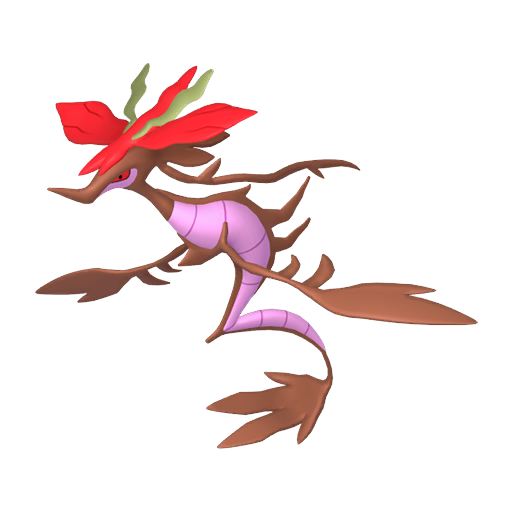
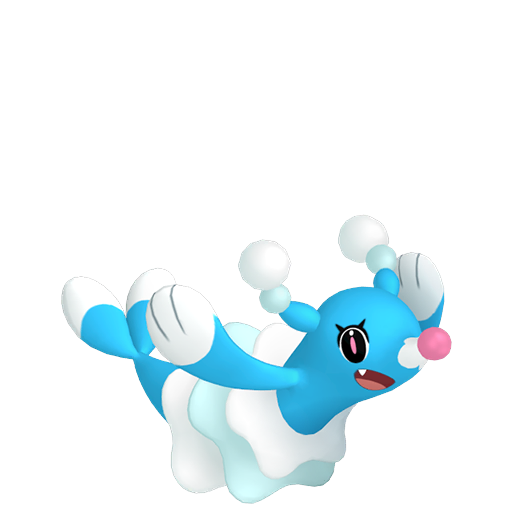
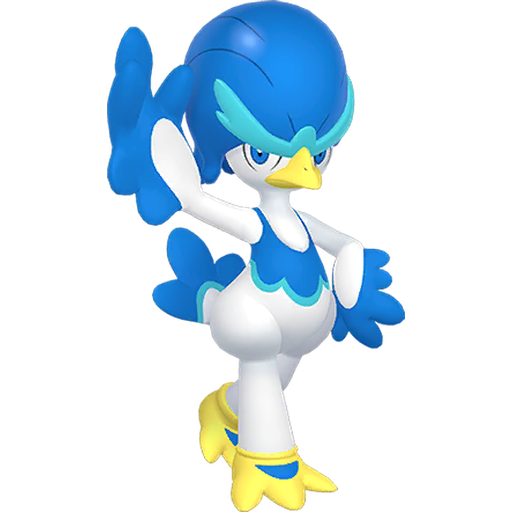
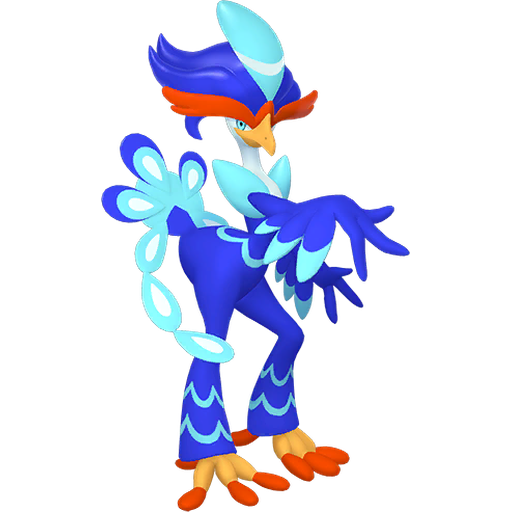
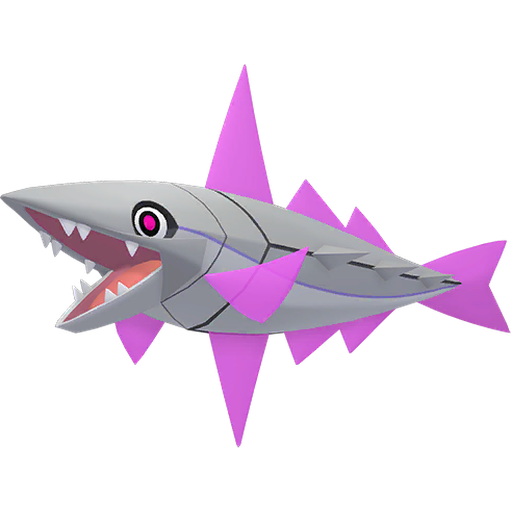
Simipour (~36%) and Quaquaval (~10%) also use it as flexible pivots, typically holding Weakness Policy or Life Orb for supplementary roles.
How to use it
Singles rhythm loop:
Turn 1: spread Stealth Rock, or use Flip Turn if the opponent switches and you want to chip and reposition.
Decision tree from there —
- Can you cleanly finish the opponent this turn? → Use your main damage move, not Flip Turn
- Can't finish, but staying in also loses? → Flip Turn, bring in the better matchup
- Opponent likely clicking Protect? → Don't throw Flip Turn into it; pivot differently or switch directly
The profitable pattern: Flip Turn out, opponent's new Pokémon enters and eats Stealth Rock damage, your new Pokémon enters without paying anything. Two turns, a full hazard tier of asymmetric chip done — and you are still ahead in position.
Basculegion Choice Scarf route:
Turn 1: opponent sends in a Water resist or physical wall → Flip Turn for 22% chip, zero turn cost.
Turn 2 onward: pivot back in when conditions improve, Last Respects now at 200+ BP with accumulated fainted count.
Doubles Fake Out + Flip Turn template:
Turn 1: partner Fake Out locks opponent A out of action; Blastoise Flip Turn hits opponent B and exits; threat C enters.
Turn 2: threat C faces opponent A who wasted Turn 1, and opponent B who is already damaged. Your momentum is total.
Palafin transformation timing:
Lead Palafin, use Flip Turn Turn 1 to hit and trigger Hero Form on switch-out. Critical check: if the opponent has an Intimidate user ready to enter, Hero Form drops one Attack stage on arrival. Decide before the transformation whether you need to neutralize the Intimidate first or whether 160 base Attack minus one stage is still enough to do your job.
Tips & strategy
The most common beginner mistake: slotting Flip Turn as a damage move.
STAB Water brings its effective power to 90, which at Lv50 in Champions rarely closes games on its own. Some players run both Wave Crash and Flip Turn expecting two Water hits — and end up with a moveset that neither kills nor pivots efficiently. The correct framing: Flip Turn occupies exactly one slot as the exit button, and damage is handled by Wave Crash, Hydro Pump, or Last Respects in the remaining slots. One tool for one job.
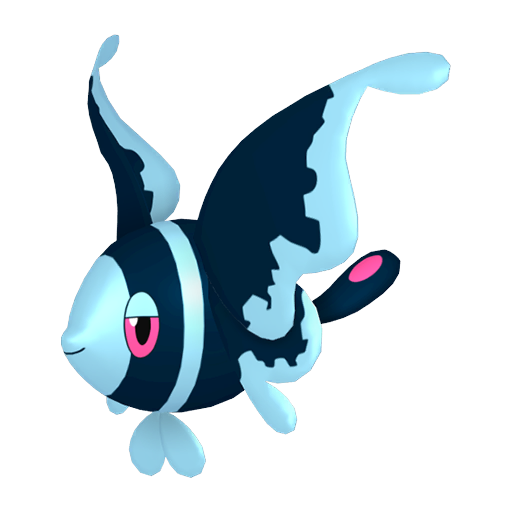
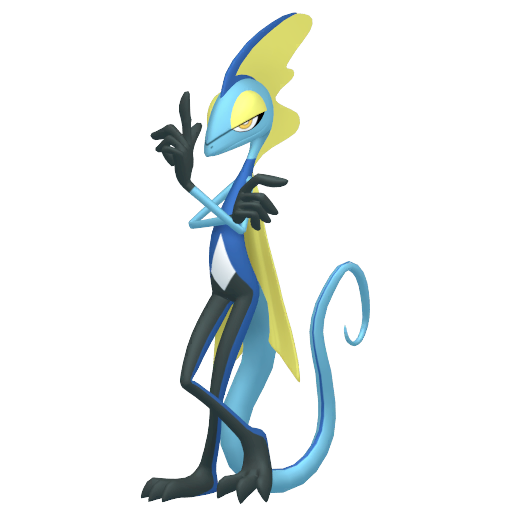
Suction Cups is the hard counter. Pokémon with Suction Cups (notably Inkay line) are completely immune to forced switches. Flip Turn hits them for 60-power Water damage, and then the user stays put — no pivot happened. Trapping moves like Mean Look applied to the user produce the same result. Scan the opponent's team preview for Suction Cups; if it is there, Flip Turn becomes a plain low-power Water move and your positioning plan needs a fallback.
Stat stage resets are a real cost. Anything the Flip Turn user accumulated — Swords Dance boosts, Dragon Dance layers — vanishes on exit. This sounds obvious but is easy to miss under pressure: if you spent two turns stacking boosts and then the matchup forces a Flip Turn retreat, those turns are gone. Flip Turn users should generally not be the Pokémon you plan to set up with; setup sweepers and pivot roles want to live on different team slots.
Protect shuts down the whole move. Protect absorbs both the damage and the switch — neither resolves. In doubles, many Pokémon default to Protect on Turn 1. If you throw Flip Turn blindly into a Protect, you hand the opponent a free turn and your own switch does not happen, which is strictly worse than doing nothing.
Flip Turn's value is not its 60 base power. It is the recurring cost reduction on every switch you make with it. Used correctly, each Flip Turn turn is a free repositioning that happens to deal chip damage along the way — and those incremental edges are what singles and doubles tempo games are decided by.