
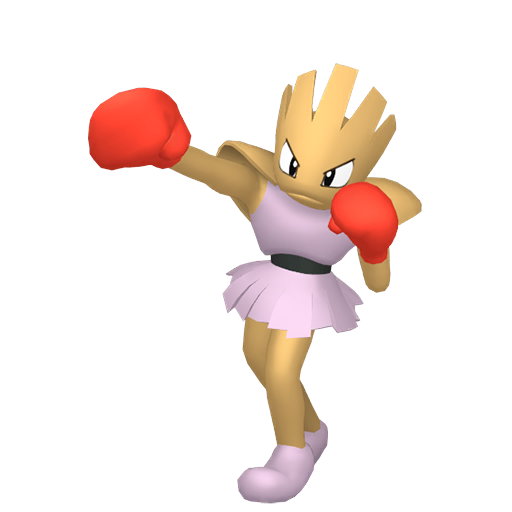
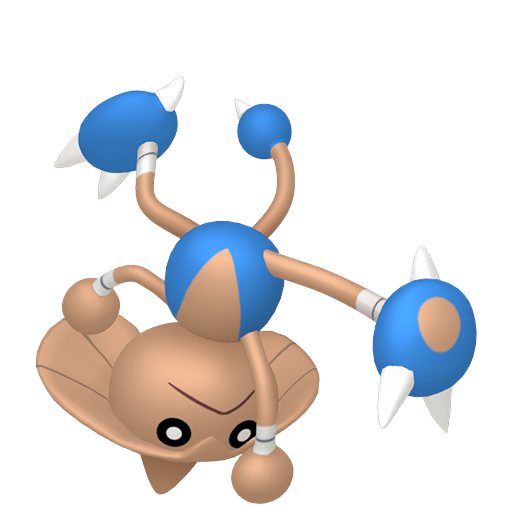




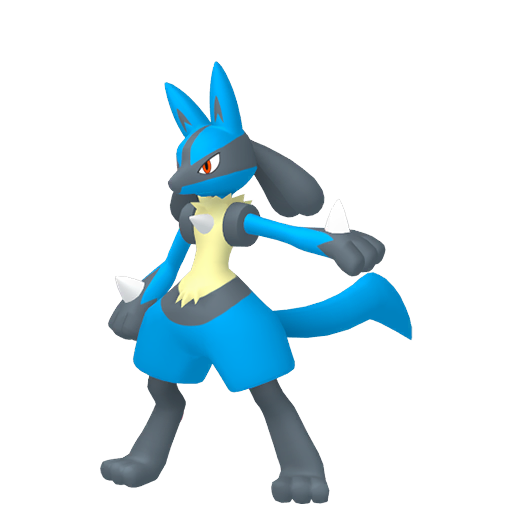
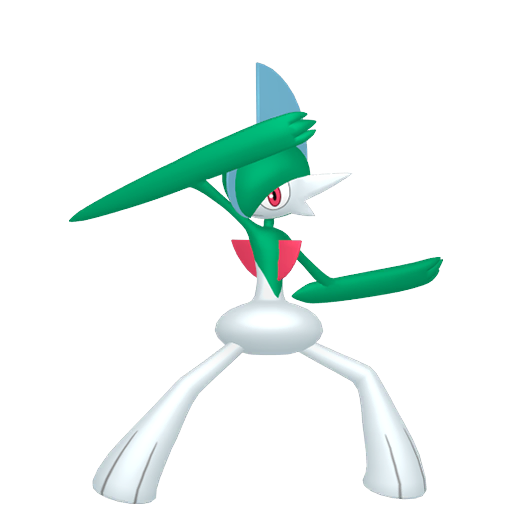















What it does
Quick Guard sets a barrier on your side of the field for the current turn, blocking all moves with priority strictly greater than 0. The defining word is "your side" — it protects both of your Pokémon simultaneously, not just one. That is the entire reason the move exists, and the entire reason Protect cannot replace it in doubles.
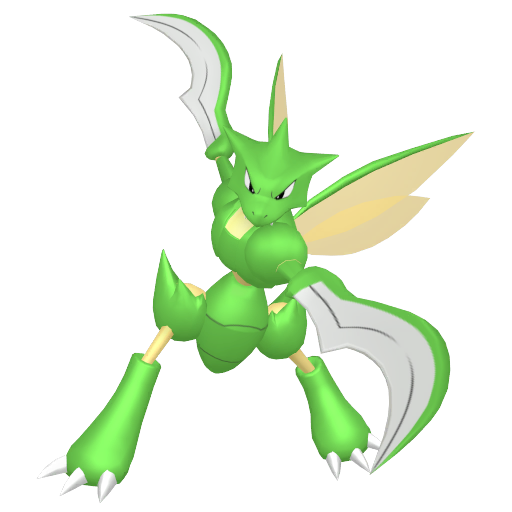
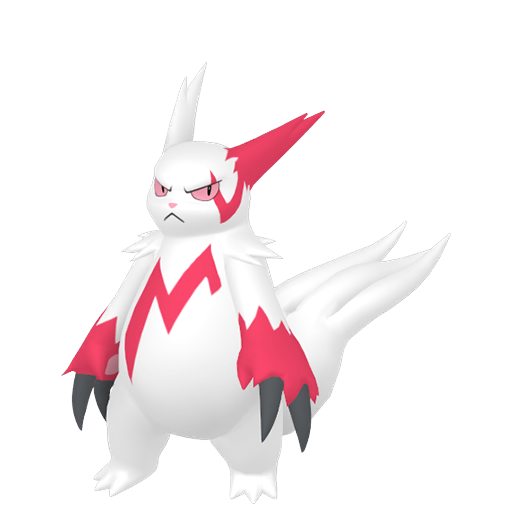
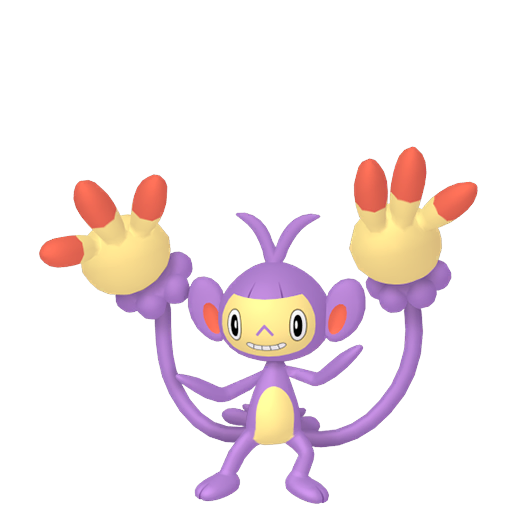
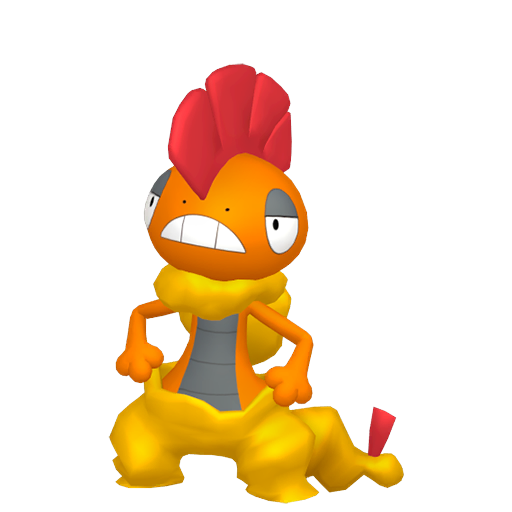
A worked number to make this concrete. Dragonite running Extreme Speed (priority +2, STAB ×1.5) at full Attack investment has roughly a 60–70% chance of knocking out a Sneasler sitting at 75% HP. Quick Guard drops that probability to exactly 0% for both your active Pokémon in one slot. At the same moment, it also shuts down Kingambit's Sucker Punch, Scizor's Bullet Punch, Basculegion's Aqua Jet, and any Fake Out on the field — the entire category, one action.
Champions has not touched the priority system. Fake Out is still the Turn 1 metronome that forces a free turn of damage or flinch; Incineroar and Kangaskhan run it at close to 100%. Gale Wings keeps Talonflame's Flying-type moves at +1 priority, which means even Tailwind itself is a priority action. In singles, this move is useless — your one Pokémon is already covered by Protect, and attacking is strictly better than guarding.
Who runs it
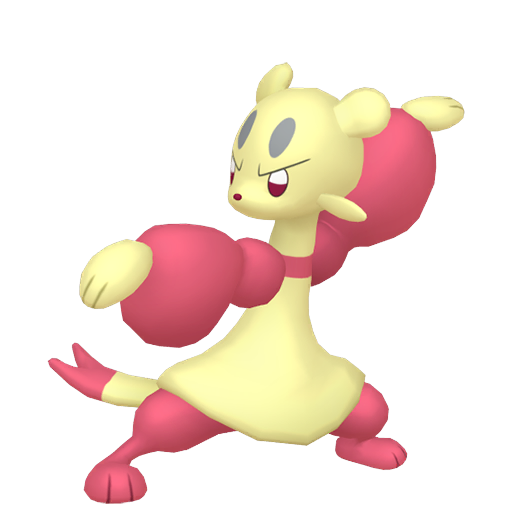
Quick Guard has priority +3, so it nearly always moves first regardless of the user's Speed. The real filter is slot cost: the user has to be worth spending a move slot on support rather than offense.
-
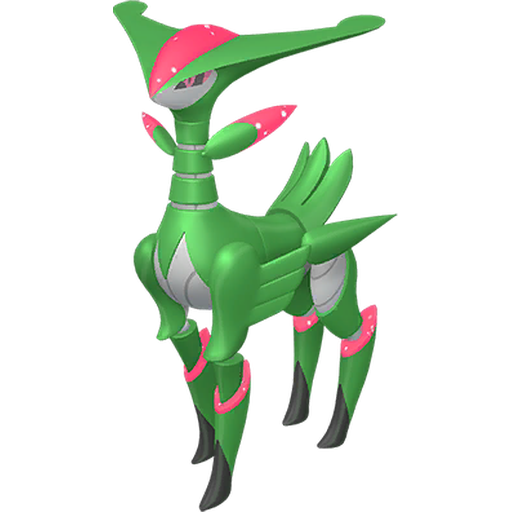
Talonflame: Gale Wings makes it a natural priority user and speed control anchor. Max Stat Points in Attack and Speed, Jolly. The standard set pairs Quick Guard with Tailwind: against teams with Fake Out users, Quick Guard goes up on Turn 1 so partners like Garchomp (roughly 70% teammate rate) or Sneasler (~32%) can act freely; against teams with no priority moves, Tailwind goes up instead and you gain speed control a turn earlier. One Pokémon, two protection modes, decided at team preview.
-
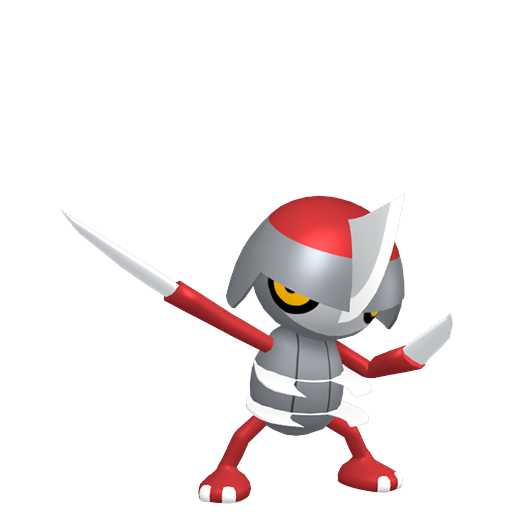
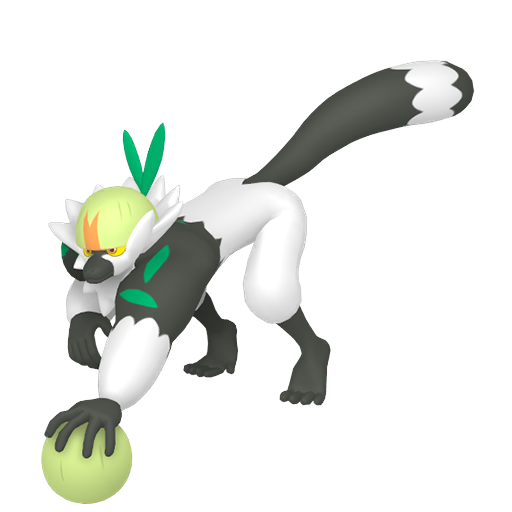
Passimian: Defiant gains Attack when hit by Intimidate, but getting Faked Out still wastes its turn. Quick Guard gives it a clean Turn 1 to throw Close Combat or Rock Slide immediately, and protects whatever partner it is carrying through the sequence. About 12% of Passimian sets run it.
-
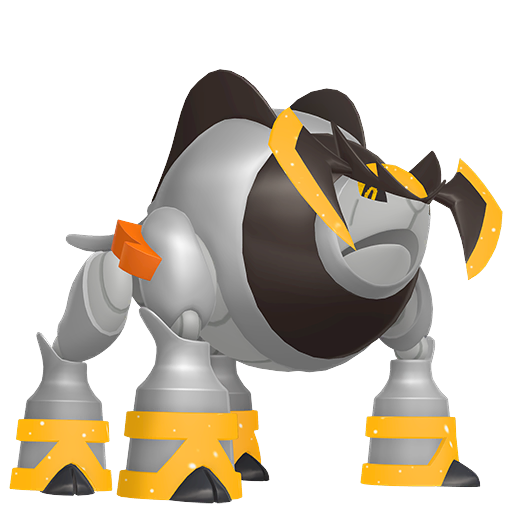
Whimsicott: Prankster gives its status moves +1 priority. Combined with Quick Guard's native +3, a Prankster Quick Guard effectively moves at +4 — it is the fastest possible action in the game. Standard partners like Urshifu are terrified of Fake Out, and Whimsicott fills the same turn with Tailwind, Encore, or Moonblast depending on the matchup. One slot does enormous work.
How to use it
The bread-and-butter play: Turn 1 Quick Guard into a free setup.
See Incineroar or Kangaskhan in Team Preview. Your Talonflame (or Whimsicott) uses Quick Guard; your partner executes their plan. The Fake Out hits the Guard, does nothing, and you have gotten a completely free turn of setup while burning the opponent's highest-value action. That is the trade, and it is worth it.
The Turn 1 decision tree (using Talonflame as the example):
- Opponent has Fake Out users → Quick Guard first, protect the partner's action;
- Opponent has spread moves (Earthquake, Rock Slide) but no priority → Wide Guard is the better read;
- Opponent has neither → go straight to Tailwind and gain speed control a turn earlier.
Never use it twice in a row. Like Protect and all Guard moves, consecutive use causes failure. Two turns of Quick Guard is a donated free turn to the opponent. Turn 2 must be an attack, a pivot, or Tailwind — always.
In singles: Don't. Quick Guard does nothing in a one-Pokémon format. The slot belongs to Protect or an attacking move.
Tips & strategy
The single most common beginner error: auto-Quick Guard every turn you see Incineroar.
The opponent reads this. Turn 1 they throw Fake Out as expected, and you guard correctly. Turn 2 you Quick Guard again — but they switch to Flare Blitz for full damage, or pull Parting Shot to drop your partner's Attack and pivot out, then Fake Out again on Turn 3. You guarded twice, lost two turns of output, and fell behind. The fix: Quick Guard is at its highest value on Turn 1. After that, vary your reads. The opponent's Fake Out loses most of its value once the opponent's setup is already done or disrupted — don't let anticipating it cost you the game.
The named counter: Feint.
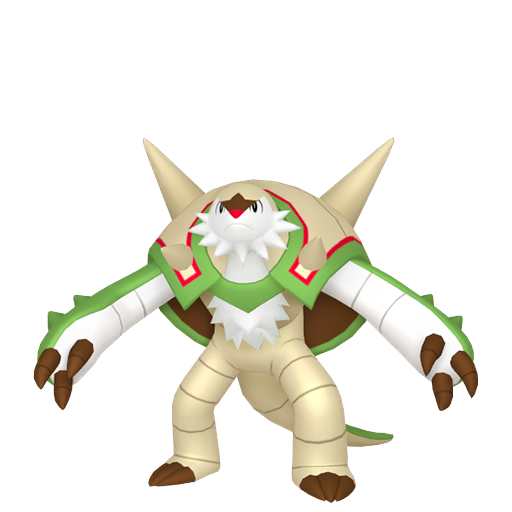
Feint has priority +2 and specifically breaks Wide Guard and Quick Guard on contact. Your guarded allies become exposed that same turn. Maushold (~24% usage), Passimian (~15%), Chesnaught (~13%), and Tinkaton (~10%) all run Feint for exactly this purpose. If you see a Feint user in team preview, Quick Guard becomes a liability unless you can predict they won't lead it. Either respect the Feint and skip the Guard, or use that turn to deal damage instead.
Stack with Wide Guard when available. Talonflame learns both. Quick Guard stops priority; Wide Guard stops spread moves (Earthquake, Rock Slide). Against an Earthquake-core team, Wide Guard will matter more than Quick Guard most turns — choose based on what the opponent actually threatens, not habit.
What it cannot stop. Moves with priority 0 or negative go through untouched — Trick Room, Vital Throw, and so on. Sucker Punch is a special case: if you use Quick Guard, Sucker Punch fails on its own because its activation condition (the target must be using an attacking move) is not met — Quick Guard doesn't "block" it so much as make the condition false. The outcome is the same, but the logic matters when calculating whether the opponent will even try it.