






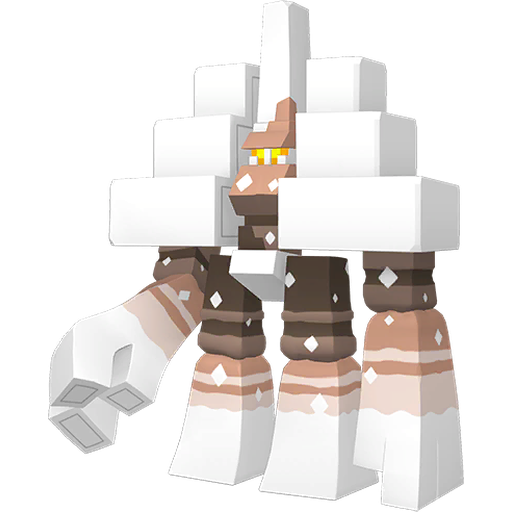
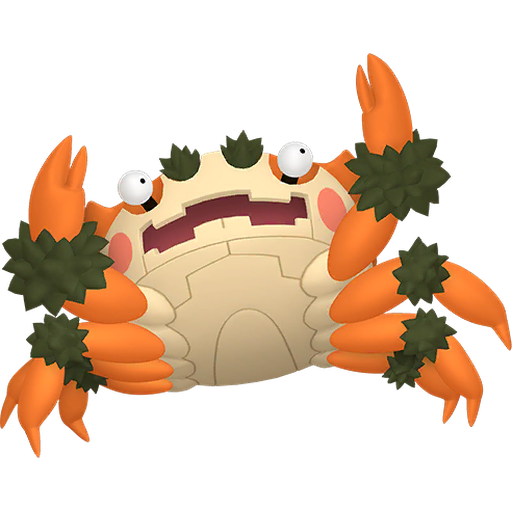
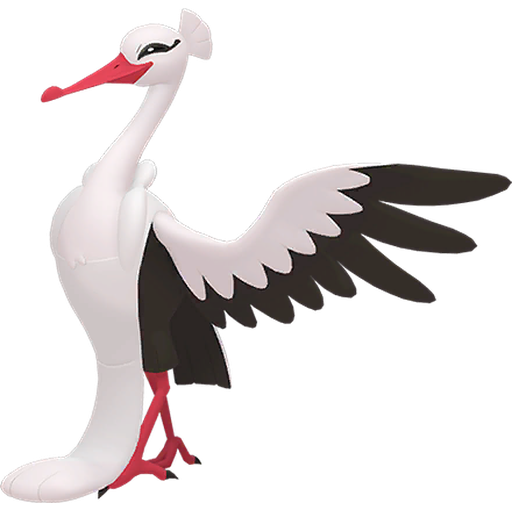

What it does
Power Gem is a Rock-type special move with 80 base power, single target, no secondary effect. Its value is straightforward: deal Rock-type damage to whatever is in front of you. 80 power is a solid middle-range baseline, and Rock's type chart is more useful than it gets credit for — it covers Fire, Flying, Bug, and Ice, four types with real doubles representation.
The single-target nature is worth noting. Power Gem does not spread, does not inflict a secondary effect, and does not interact with the field. It exists to reliably hit the thing you point it at for Rock damage. That specificity is not a limitation — it is the point. Targeted removal is the goal, not field pressure.
Rock special moves are also genuinely scarce. The type's physical options are plentiful, but most high-Special-Attack Pokémon that want Rock coverage have limited options. Power Gem is one of the cleanest answers to that gap.
Who runs it
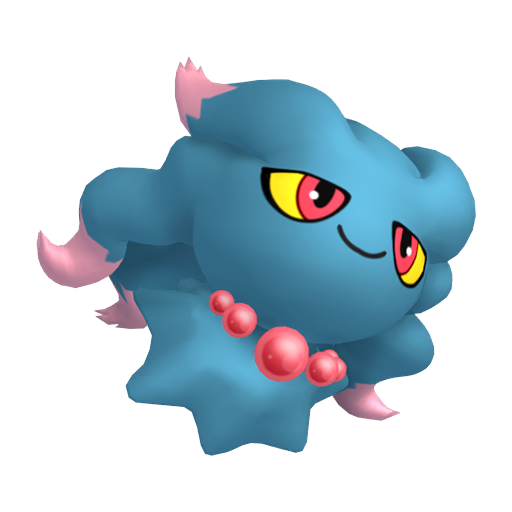
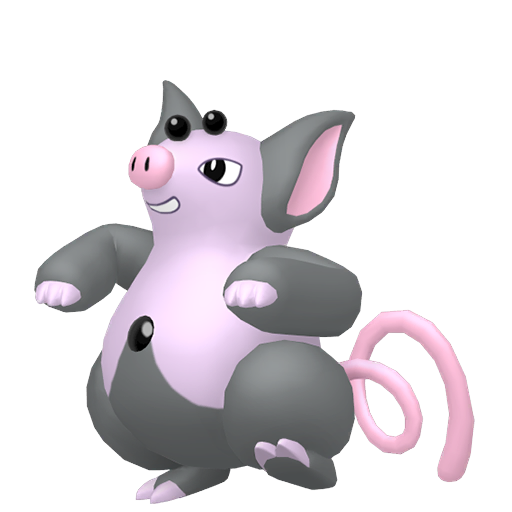
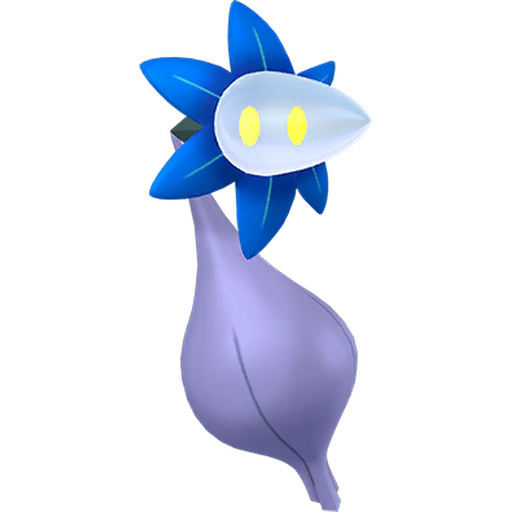
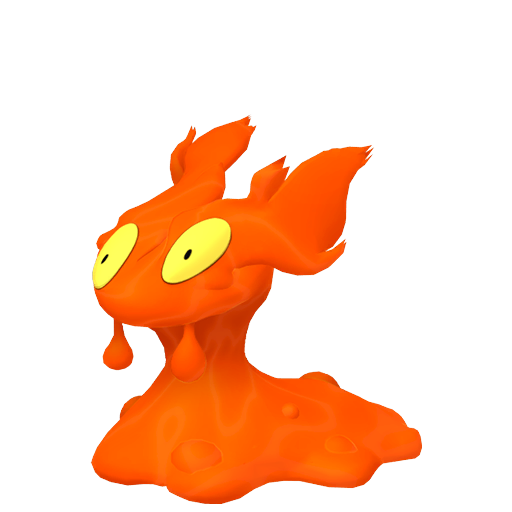
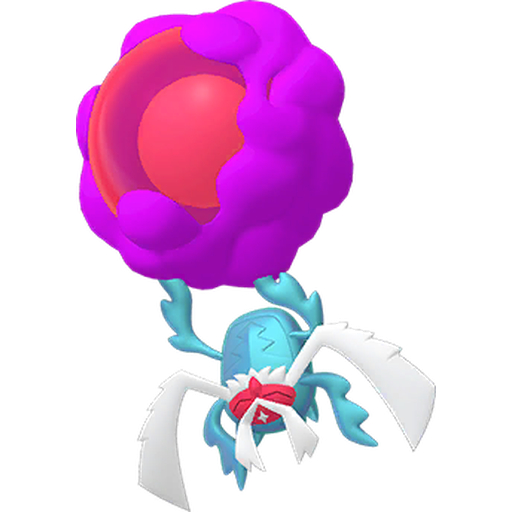
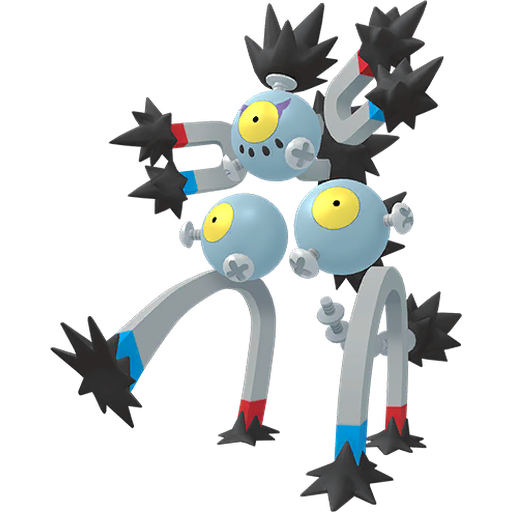
Glimmora (92%) is the entire reason this move matters in Champions. It is a Rock/Poison special attacker whose Toxic Debris ability automatically sets Toxic Spikes when hit by a physical move — meaning it does damage while its field effect accumulates passively. That creates an unusual dynamic: Glimmora is both a damage dealer and a passive hazard setter, and it does not need to spend a turn on setup to be both.
Power Gem is the engine behind the damage side of that plan. Without it, Glimmora loses its best STAB and becomes much easier to hold at arm's length. With it, Glimmora can threaten meaningful damage while naturally provoking the physical hits that trigger Toxic Debris. The opponent is forced to deal with two problems simultaneously: the Rock damage from Power Gem and the mounting hazard layer from its ability.
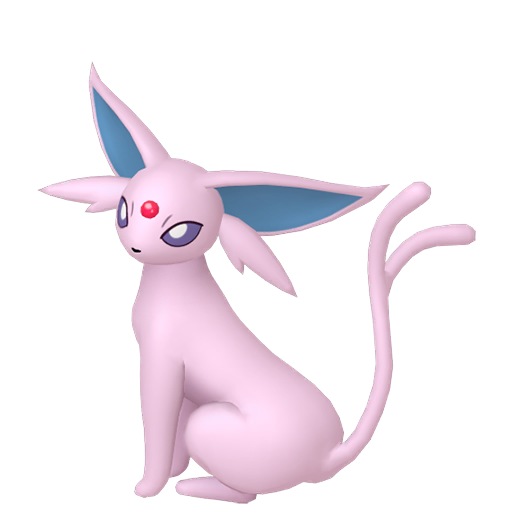
Espeon (20%) uses Power Gem for pure coverage. As a Psychic-type special attacker, its STAB reaches deep but has specific blind spots — Fire, Flying, and Bug are all super-effective against it, and those are exactly the types Rock covers. Espeon's Power Gem is not about STAB; it is about having an answer when the opponent brings its dedicated counters.
How to use it
On Glimmora, the plan is direct: stay on the field, deal Rock damage with Power Gem, and let Toxic Debris do its work whenever physical moves land. The ideal targets are the Flying, Bug, Fire, and Ice types that Power Gem hits for super-effective damage — and those happen to be common in doubles, including Tailwind setters and fast physical attackers.
The key tactical point is that Glimmora splits the opponent's attention. Clearing the Toxic Spikes requires either switching in a Poison-type or spending a Rapid Spin/Defog turn. Ignoring them means accumulating badly poisoned damage. Dealing with Power Gem damage is a separate track running in parallel. Teams that lack clean answers to both often find one of them getting through.
For Espeon, the usage pattern is more situational: hold Power Gem for when the opponent brings something Rock-weak that your Psychic moves cannot threaten. Against Steels and Poisons that blank Psychic, Rock coverage does nothing — the value is specifically when Fire, Flying, or Bug counters appear.
Tips & strategy
When building around Glimmora, account for the fact that it will take physical hits. Toxic Debris only triggers from physical contact, so the set needs to absorb at least some physical moves to function. Power Gem with Glimmora's solid Special Attack usually deals enough to remove key targets before it goes down — the rhythm is 'do your damage, set the hazard, let the next mon inherit the field.'
Rock coverage against Tailwind teams is undervalued. Flying-type Tailwind setters are a recurring archetype in the Champions meta, and Glimmora carries a hard type matchup advantage against them. When the opponent sets Tailwind, Glimmora's Power Gem gives you an immediate threat to the mon that accelerated the whole team.
For Espeon specifically: evaluate the coverage necessity before the match. If the opponent's team contains none of the Rock-weak types Power Gem is there to hit, the move slot contributes nothing that game. Reading the opponent's team before the match and confirming that Fire, Flying, or Bug threats are actually there is how you validate running this on Espeon.
Finally, the Power Gem plus Toxic Debris pairing on Glimmora creates a two-track threat: direct chip from the move and escalating poison from the hazard. The opponent cannot fully answer both with a single response, which is why Glimmora remains a strong format presence even with one move doing most of the heavy lifting.