











What it does
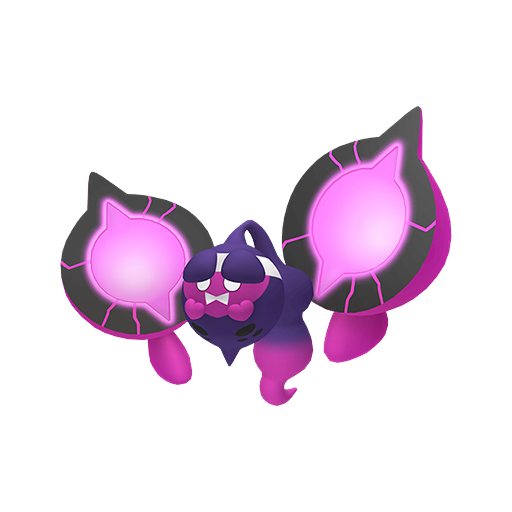
Phantom Force is a Ghost-type physical two-turn move. Turn one: the user vanishes and is immune to all attacks for that turn. Turn two: the user returns and strikes the target, bypassing Protect and Detect on that target entirely. If the target used Protect on turn two, it doesn't matter — Phantom Force lands.
In doubles, Protect is one of the most important tools in the format. The whole rhythm of many teams relies on Protect turns for safe windows, partner action coverage, and stalling for turns (weather, Trick Room, Tailwind). Phantom Force breaks that rhythm specifically: when facing a Phantom Force user, clicking Protect on the anticipated strike turn does nothing. The opponent must either directly attack the user, switch the intended target out, or accept the Phantom Force hit. This forces a decision-tree change every time the user is present.
Turn one vanish also gives the user a completely free dodge turn. The trade-off: the user does nothing on turn one except disappear, costing one action worth of output or support.
Banned from selection by Sleep Talk.
Who runs it
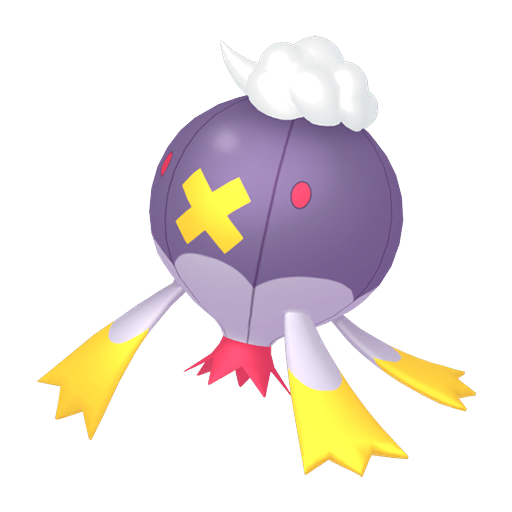
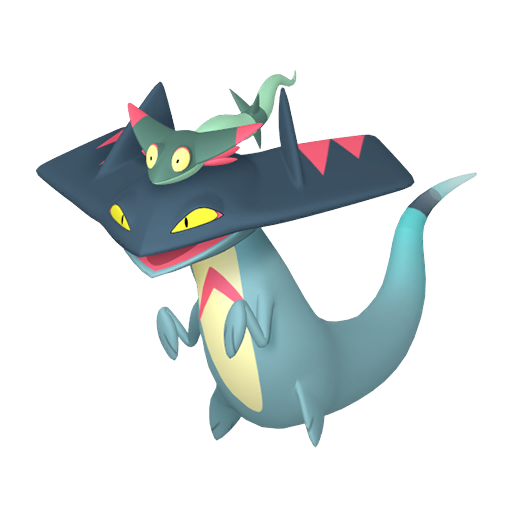
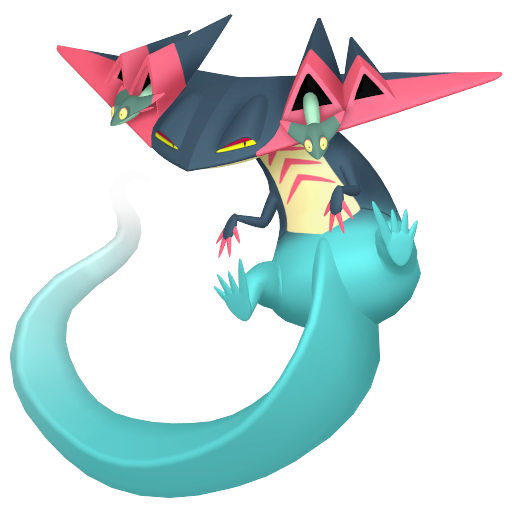
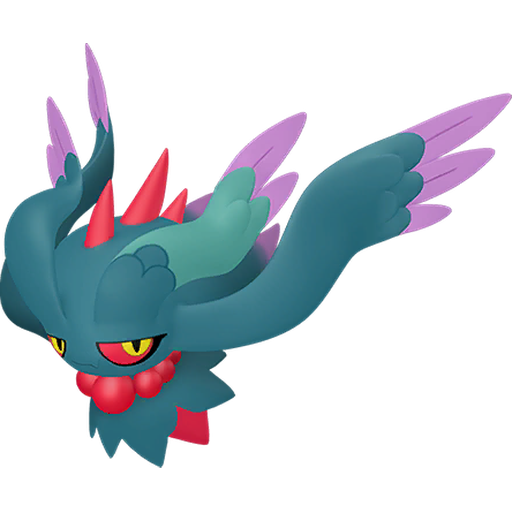
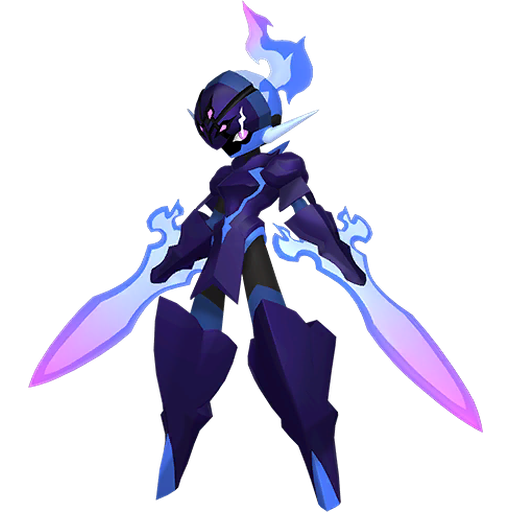
Dragapult (44% usage) is the primary user. Dragon/Ghost with base 142 Speed — it almost certainly moves first on the vanish turn, and returns on turn two to deal Ghost physical damage through any Protect the opponent clicks. The threat of Phantom Force + the genuine offensive presence of Dragapult forces opponents into uncomfortable decisions every turn it's on the field.
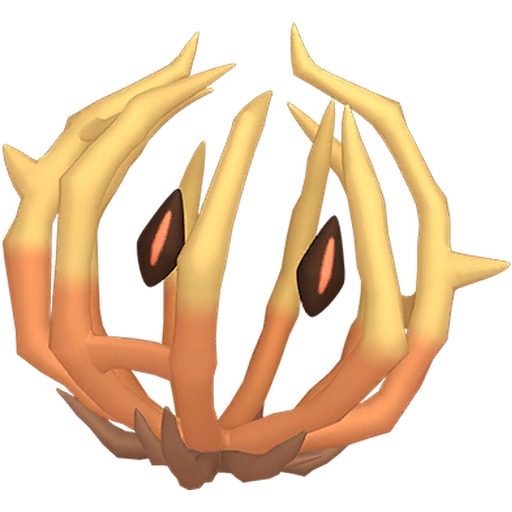
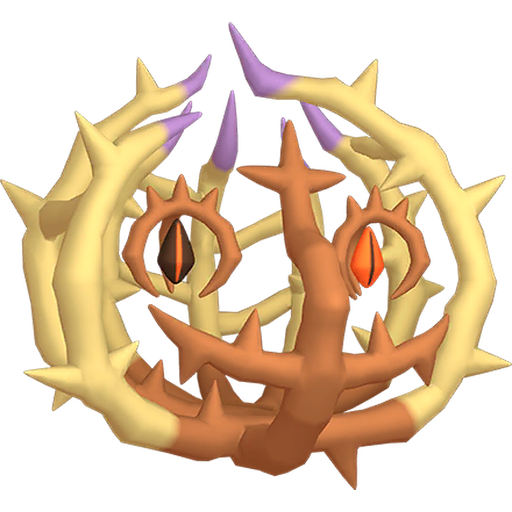
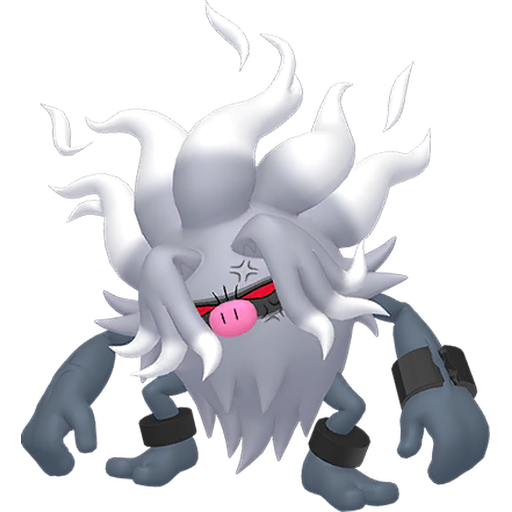
Trevenant (13% usage) uses Phantom Force partly for the turn-one dodge (surviving a turn it would otherwise be KO'd) rather than purely for the Protect bypass. Slower and more utility-oriented than Dragapult, its usage reflects a niche role in specific compositions.
How to use it
The ideal doubles scenario: you predict the opponent will Protect on the upcoming turn, use Phantom Force, and two turns later land an untouchable Ghost hit through their protection while staying safe on turn one. Your partner continues acting normally on turn one — the vanish only affects the Phantom Force user.
Tips & strategy
The most common Phantom Force counter-play: switch out the intended target on turn one (while the user is vanished). Phantom Force then lands on whatever came in — and the incoming switch-in might have Ghost resistance or outright immunity. Reading a Phantom Force correctly and cycling the target to a resistant switch-in is a clean way to punish it.
Phantom Force bypasses Protect and Detect. Wide Guard covers spread moves and operates on a different protection mechanic — it doesn't interact with single-target Phantom Force, so Phantom Force still lands against a Wide Guard turn (Wide Guard is not Protect/Detect).
On turn one, while vanished, the user cannot be targeted by Earthquake (or other moves that can't hit semi-invulnerable targets). Opponents who know a Phantom Force is incoming can still attack the partner or position for turn two.