

























What it does
Life Dew is a Water-type status move that restores 25% of max HP to the user and all allied Pokémon currently on the field. No damage, no targeting an opponent — just healing to everything on your side at once.
In singles, 25% recovery is modest compared to moves like Recover (50%) and you can only heal yourself. In doubles, the math shifts: one action heals two Pokémon simultaneously. If both of your Pokémon are at 75% HP after taking chip, a single Life Dew brings both to full. That is two Recover-equivalent actions for the cost of one.
Compare it to alternatives: Heal Pulse heals an ally for 50%, but only one target, and you cannot heal yourself with it at the same time. Berries like Sitrus Berry trigger once and passively. Life Dew is the only move that repairs both sides of your doubles field simultaneously, making it the highest-efficiency healing tool in situations where both Pokémon have taken damage.
Who runs it
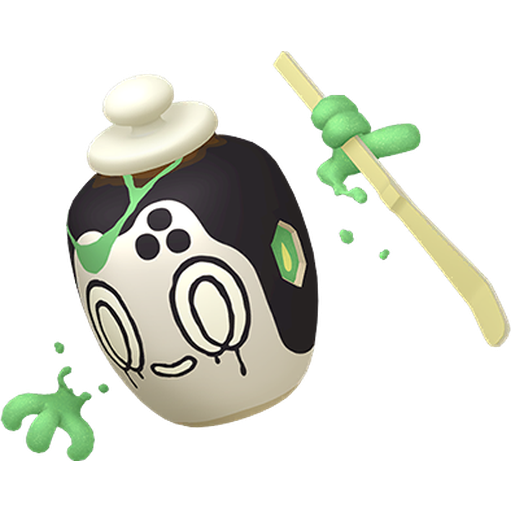
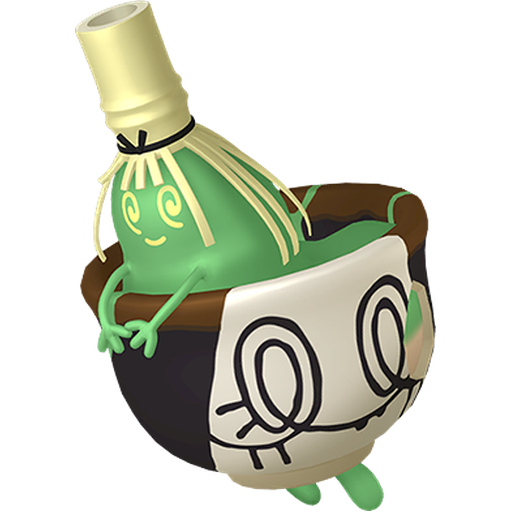
Sinistcha at 55% is the core carrier. It is a Ghost/Grass support Pokémon with good Special Defense — it stays on the field and uses Life Dew to keep both Pokémon on its side healthy enough to survive hits and continue attacking. Its job is triage: prevent chip damage from accumulating into KO range.
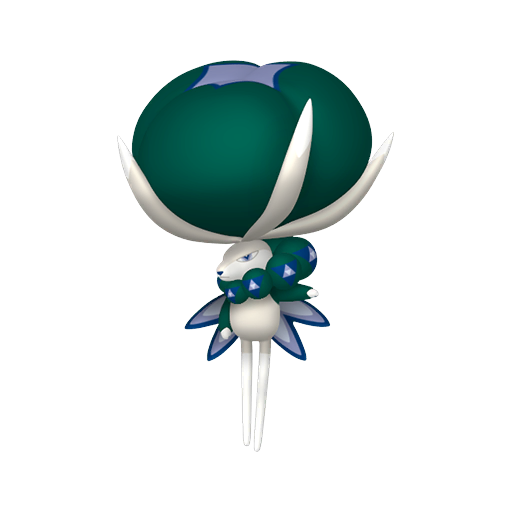
Goodra at 21% and Milotic at 23% are sturdy support anchors that can survive a few hits and keep using Life Dew across multiple turns. Clefable at 17% uses Magic Guard to avoid passive chip, letting it stay in longer and accumulate more heal turns. Blastoise at 16% fills a similar role with its physical bulk.
How to use it
Pick the right turn: Life Dew has zero value when your Pokémon are at full HP — overhealing is wasted. The best turn is when both of your Pokémon have taken chip damage and are sitting at ranges where one more hit might KO them. Pulling both out of KO range in a single action is the full value of this move.
Do not reflexively protect when healing is more valuable: Support Pokémon often face the choice between Protect and using a move. If your partner is about to take a threatening hit, protecting with them is the right call. If the opponent is going for a single-target move on your partner and your other Pokémon also needs HP, Life Dew heals two simultaneously and gives your partner the buffer to survive the hit.
Doubles synergy: Sinistcha healing an offensive Pokémon that took chip from a spread move is the cleanest use case — the offensive Pokémon continues operating at near-full health, the incoming spread damage is negated, and the heal happened for free relative to the next turn's damage output.
Tips & strategy
Psychic Noise shuts it off: If the Life Dew user gets hit by Psychic Noise, recovery is blocked for two turns — Life Dew will fail to heal during that window. Track whether your healer has been silenced.
Trick Room timing: In Trick Room builds, slow Pokémon move first — which means a slow support Pokémon can use Life Dew before the offensive Pokémon acts, topping them off before their attack turn. This is a legitimate reason to run a slower healer over a faster one in TR teams.
Do not telegraph your support turn: Using Life Dew tells the opponent your support Pokémon committed to healing rather than attacking. If they have a high-priority or double-targeted play ready, you have given them a free turn on your attacker. Every Life Dew use requires a read on what the opponent is likely to do.