

































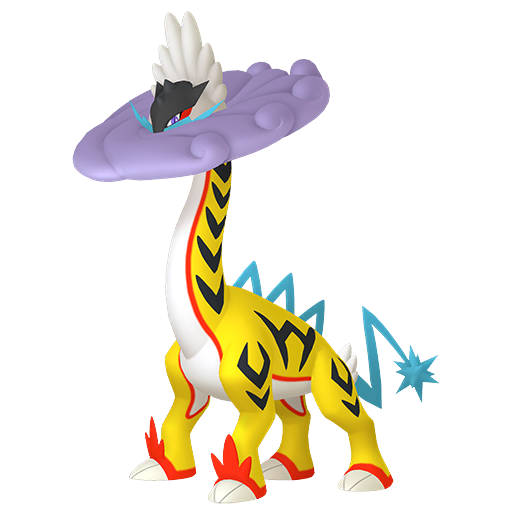
What it does
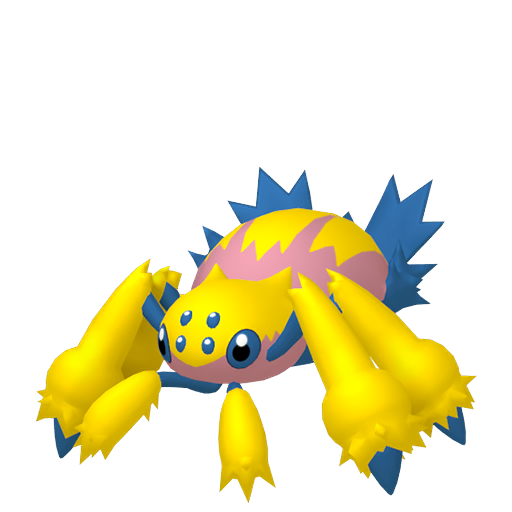
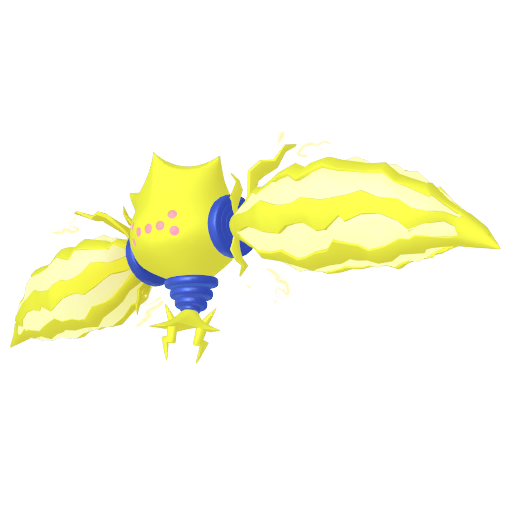
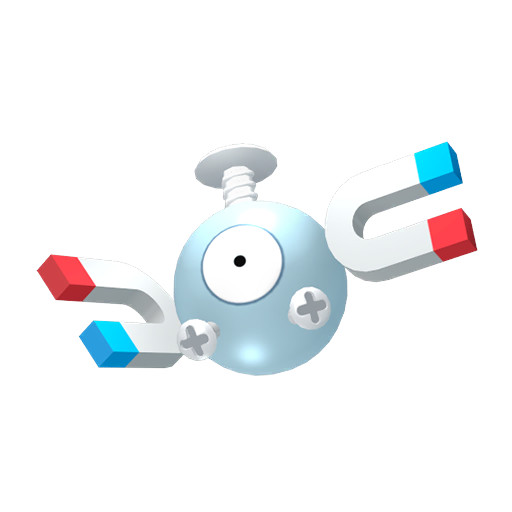
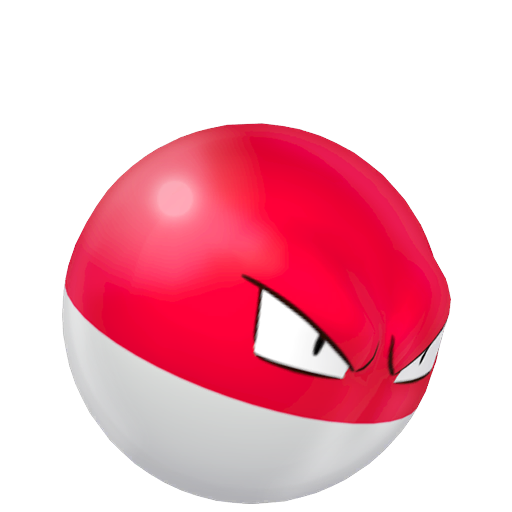
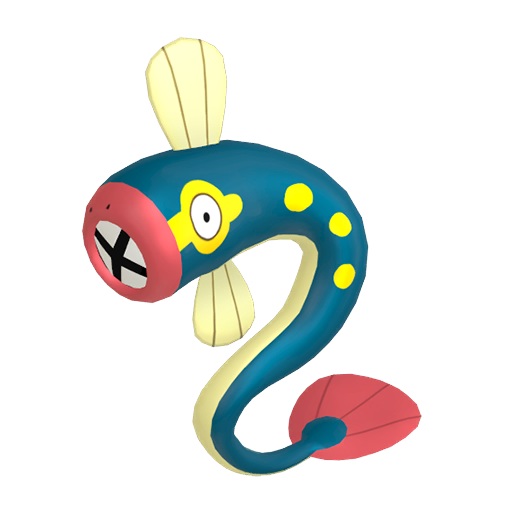
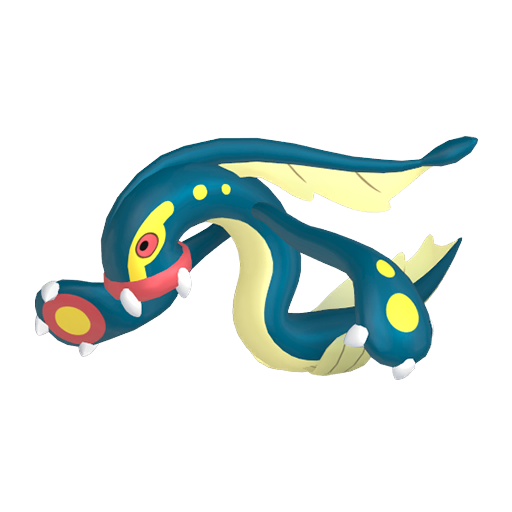
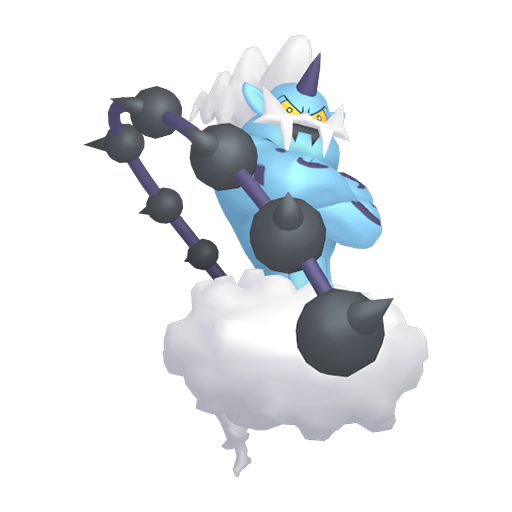
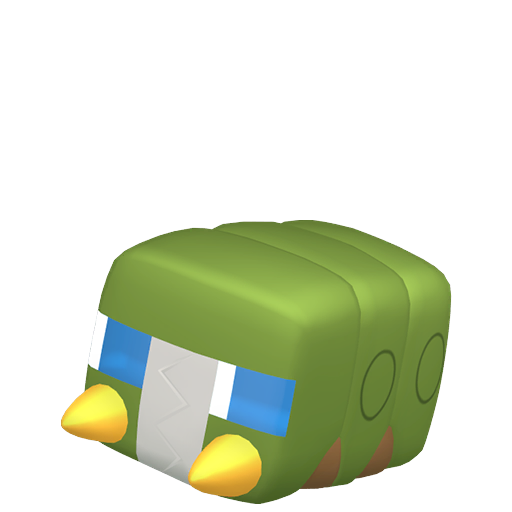
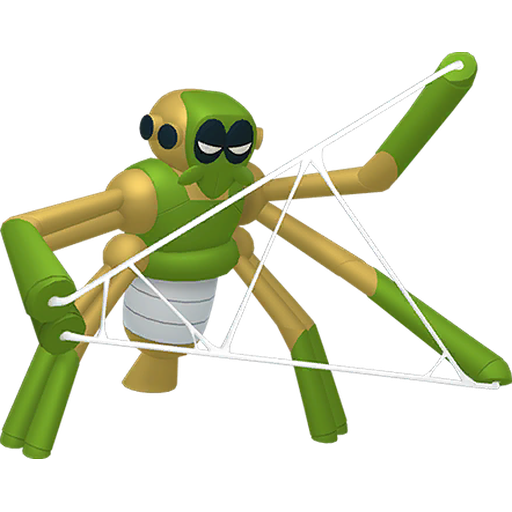
Electroweb is a 55-power, 95-accuracy Electric-type special move that always drops every target's Speed by one stage after dealing damage. In singles it hits one target. In doubles it hits both opposing Pokémon simultaneously — spread damage applies the ×0.75 multiplier (effective ~41 power per target), but both targets take the Speed drop.
Here is why that Speed drop is worth a moveslot. At Lv50, a Timid Jolteon with 32 Stat Points in Speed lands at roughly 147 Speed. A standard Garchomp sits around 137. That ten-point margin is thin. A −1 Speed drop multiplies the target's effective Speed by 2/3: a 130-Speed threat drops to about 86, a 120-Speed target to about 80. Either way, something that was outrunning half the field is now losing to it. That outcome is unconditional — no 12.5% full-stop gamble like Thunder Wave paralysis in Champions. The drop lands, it sticks until they switch, and every subsequent turn happens at their disadvantage.
The hard ceiling: Ground types are fully immune. Garchomp and Excadrill absorb it with zero effect. Know what is across from you before committing the turn.
Who runs it
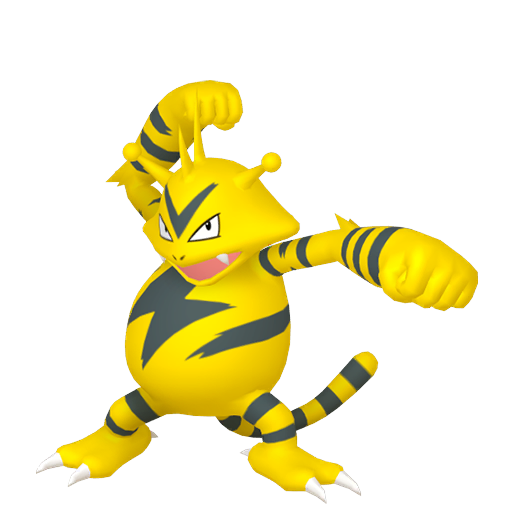
The primary users are fast Electric-type special attackers — Pokémon that already out-Speed opponents and want to compound that lead into a permanent structural edge.
- Jolteon: about 57 % of competitive Jolteon run this move, their third most common pick. Standard build is Focus Sash, Timid, 32 Stat Points in SpA and Speed. The role is speed-control support, not primary damage — it drops Speed for a physical partner like Sneasler or Garchomp to close under favorable conditions.
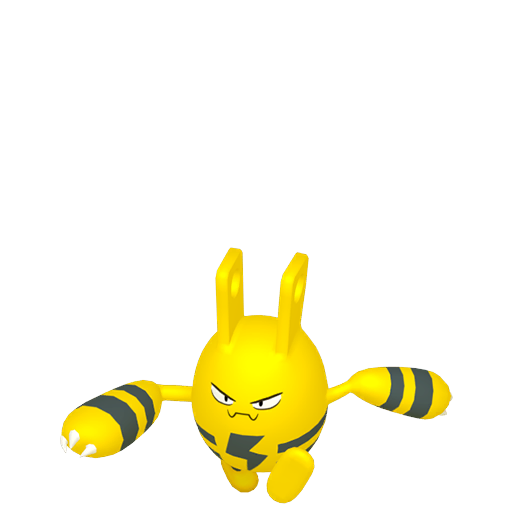
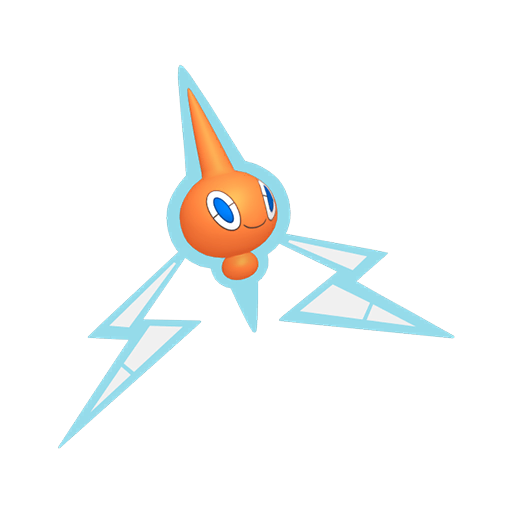
- Emolga: ~57 % usage. Usually paired with Volt Switch and Speed Swap in a pivot-heavy team. Electroweb pressure before pivoting out ensures the incoming partner has a Speed tier advantage before it even acts.
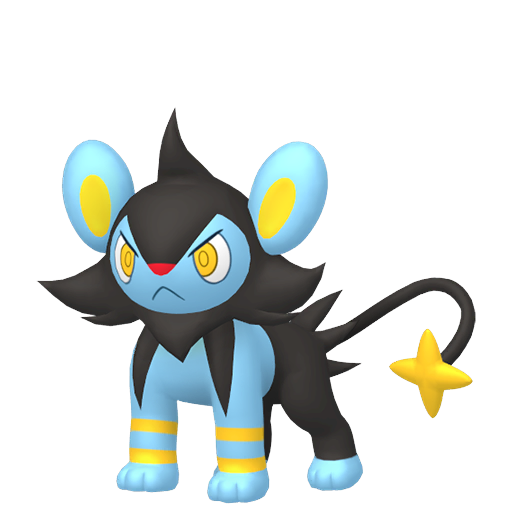
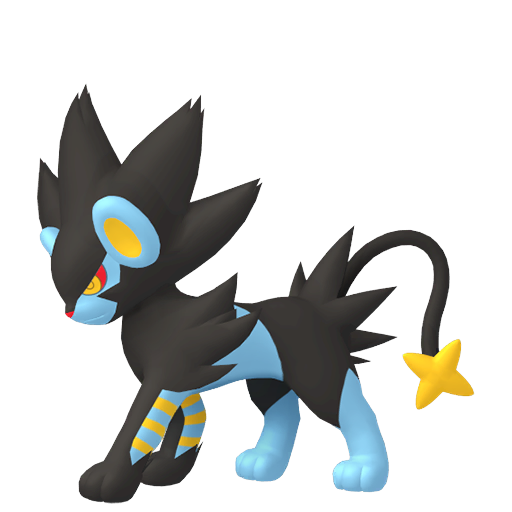
- Luxray: ~36 % usage. Plays a layered-debuff control role: Snarl drops SpA, Electroweb drops Speed, making the opponent both slower and weaker in the same turn sequence.
- Heliolisk: ~34 % usage. Uses its serviceable Speed to land Electroweb first, then pivots with Volt Switch to keep tempo and avoid exposure.
Skip it when: your team already commits a slot to Tailwind or Trick Room for speed control. There, 55-power spread damage is weaker than Thunderbolt for raw output or Volt Switch for positioning.
How to use it
Singles: When you know the opponent is a few Speed points ahead — close enough that a drop will flip the turn order — lead Electroweb to secure priority on the following turn. If they switch, the drop resets; re-evaluate whether the new matchup is worth burning another Electroweb or switching to your main damage move.
Doubles (core use case): One move simultaneously pressures both opposing Speed tiers. That is the efficiency argument. Core two-turn pattern:
Turn 1 — Electroweb into both targets (~41 effective power each, guaranteed −1 Speed to both); partner uses Fake Out to flinch one of them. The opponent is now operating with one Pokémon stunned and both at −1 Speed.
Turn 2 — both opponents act later than they normally would. Physical sweeper (Sneasler, Garchomp) moves first under the new Speed order, targets the weaker or higher-priority threat.
If either opponent switches, their Speed drop resets. At that point, consider Volt Switch to keep pressure and reset your own positioning rather than burning Electroweb again into an unknown switch-in.
When the opponent has a Ground type on their side, Electroweb only hits the non-Ground target — identify the slot before committing so you do not waste the turn on the immune side.
Tips & strategy
Stacking drops: Speed stages accumulate to −6. Two consecutive Electroweb turns on the same target reach −2 Speed — that 130-Speed threat is now operating at roughly 57 effective Speed, and almost anything on your team will be moving before it. Against defensive, non-switching cores, stacking is a clean way to neutralize a threat without spending a KO turn.
Intimidate synergy: Incineroar drops Attack on entry through Intimidate; Electroweb drops Speed in the same turn. The opponent now hits softer AND moves later. Both debuffs persist as long as neither target switches, which means the passive pressure compounds across multiple turns.
Common-mistake autopsy: The most consistent beginner error is targeting blindly in doubles when a Ground type is present. You see two opposing Pokémon, you press Electroweb expecting to hit both — but you have aimed at the Ground-type slot, and the move connects for zero on that side. The whole turn is wasted. The fix is to identify both opposing types before selecting the move, confirm neither slot is Ground-immune, and if one is, redirect your targeting so Electroweb hits only the vulnerable side (your partner handles the Ground type that turn).
What turns it off:
- Volt Absorb (notably, Jolteon itself) and Lightning Rod (Rhyperior) absorb Electric moves entirely — no Speed drop, and Lightning Rod targets gain SpA +1. Aiming Electroweb at either of these is actively harmful.
- Motor Drive (Emolga) converts Electric hits into a Speed boost — the exact opposite of what you want.
- Pivot-loop teams running heavy Volt Switch and U-turn rotation can keep switching to reset Speed drops before they compound, reducing Electroweb to near-useless chip in that matchup.