

What it does
Dual Wingbeat is a Flying-type physical move that strikes twice. Each hit rolls accuracy and damage independently. Both hit most of the time; the first missing doesn't guarantee the second fails.
The double-hit mechanic has specific implications. Contact-triggered effects resolve per strike — opposing Flame Body or Rocky Helmet each fire twice if both hits connect. Loaded Dice heavily improves per-hit accuracy on multi-hit moves, making Dual Wingbeat more reliable in that setup. Against a Substitute, each strike independently chips at the sub's HP — two hits may break it outright.
No recoil, no secondary effect. That's the core advantage over Brave Bird: you keep every HP you enter with. Combined total damage from two hits is competitive, without the bleed.
The one downside vs. a single-hit move: accuracy is rolled twice. There's a small chance only one hit connects, halving your effective output. In high-stakes games, this variance occasionally matters.
Who runs it
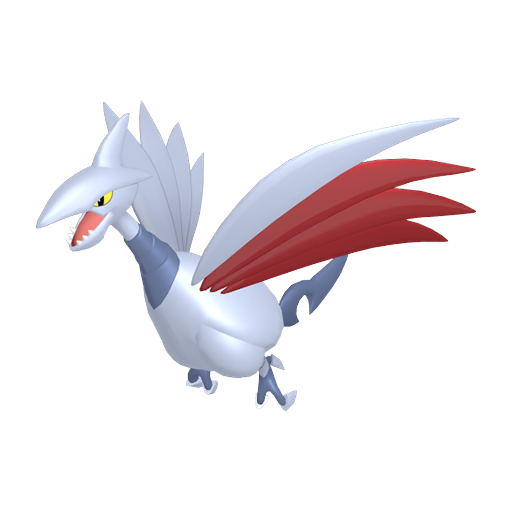
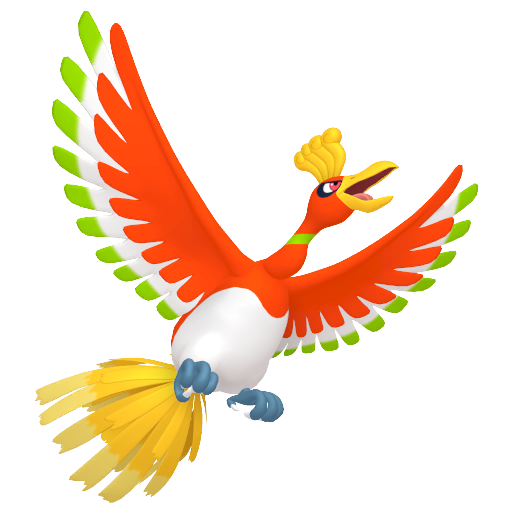
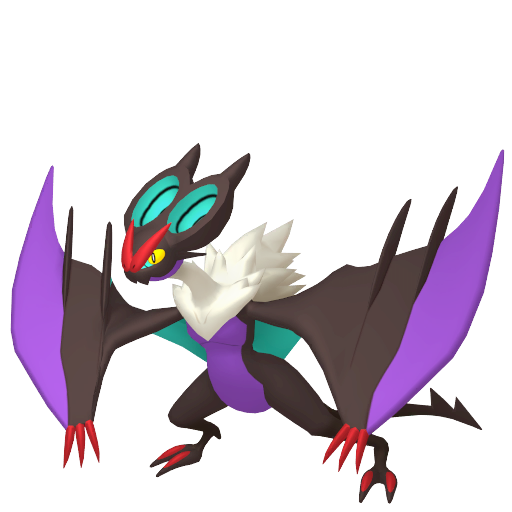
Aerodactyl (84%) is the most common carrier. Extreme speed, solid Attack, and Dual Wingbeat as its Flying STAB without paying Brave Bird's recoil tax. That sustainability matters for a Pokémon that wants to keep acting every turn.
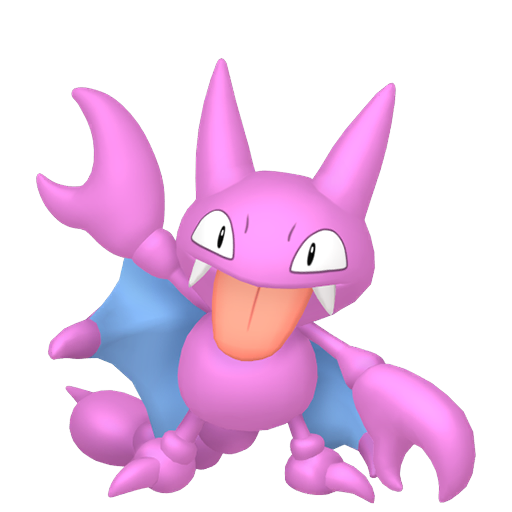
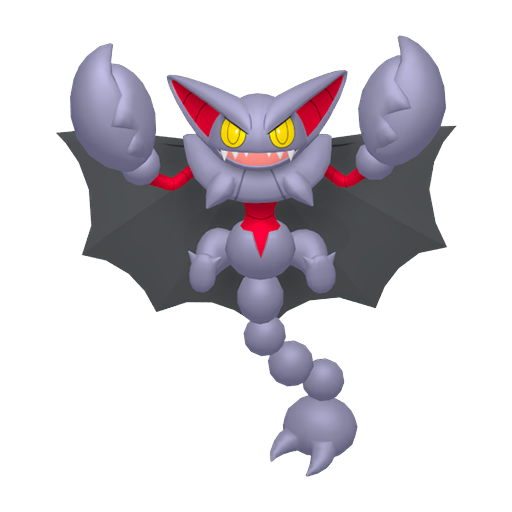
Gliscor (71%) is Ground/Flying and uses Dual Wingbeat for Flying-type STAB coverage — particularly relevant against Grass and Fighting types.
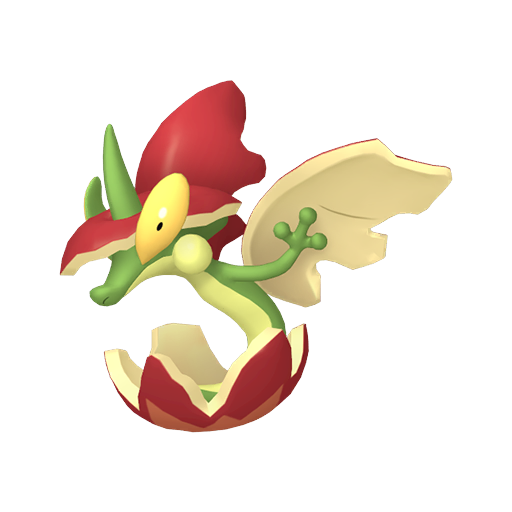
Flapple (42%) is Grass/Dragon, so Flying isn't its primary type — Dual Wingbeat is coverage rather than STAB here, but it plugs a gap.
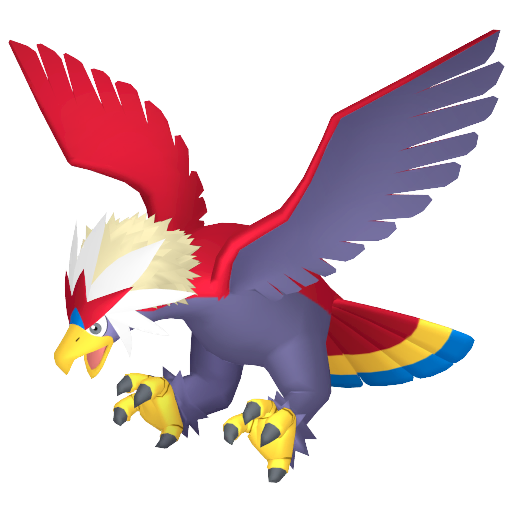
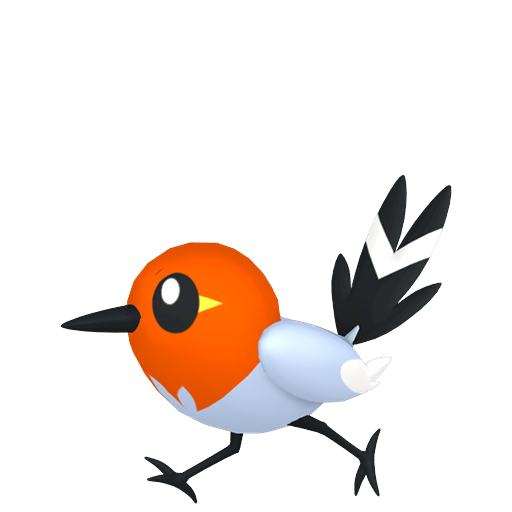
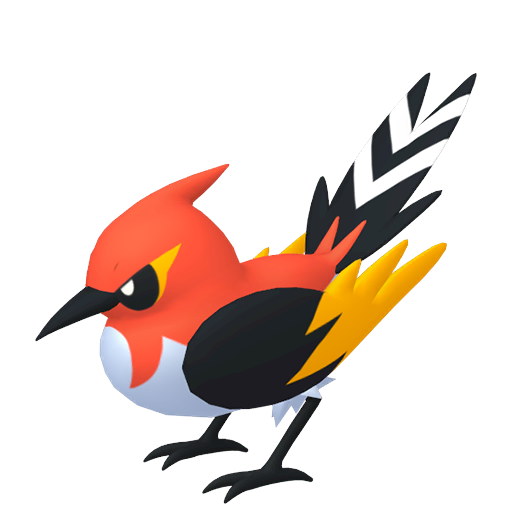
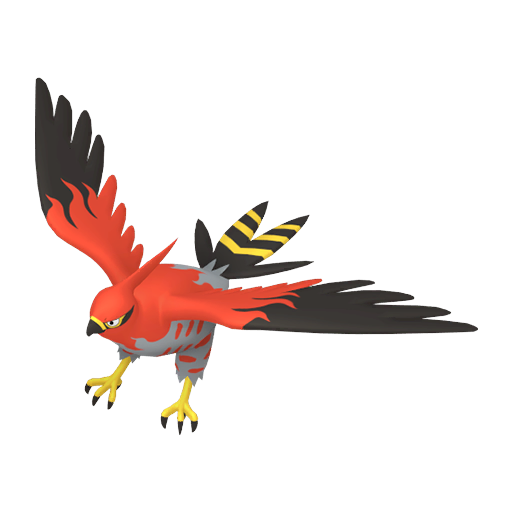
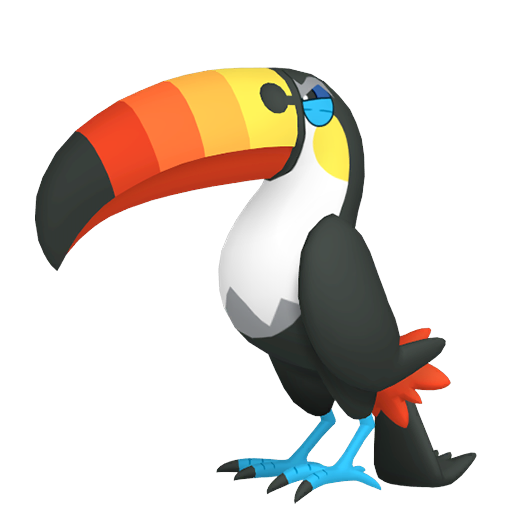
Talonflame (27%) has access to Brave Bird but sometimes opts for Dual Wingbeat when HP preservation is a priority in the teambuilding plan.
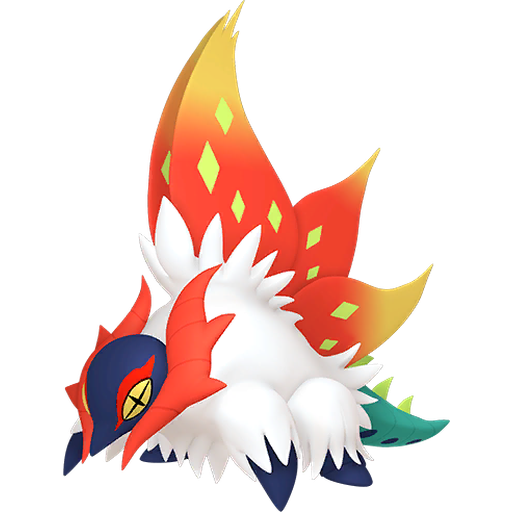
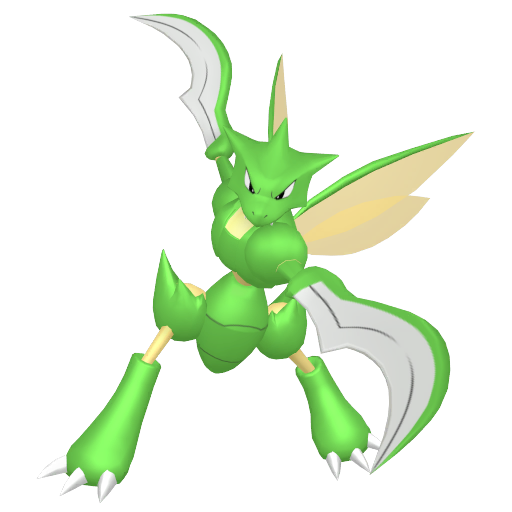
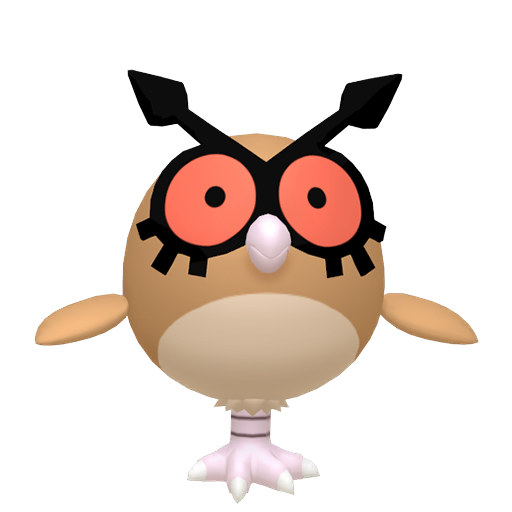
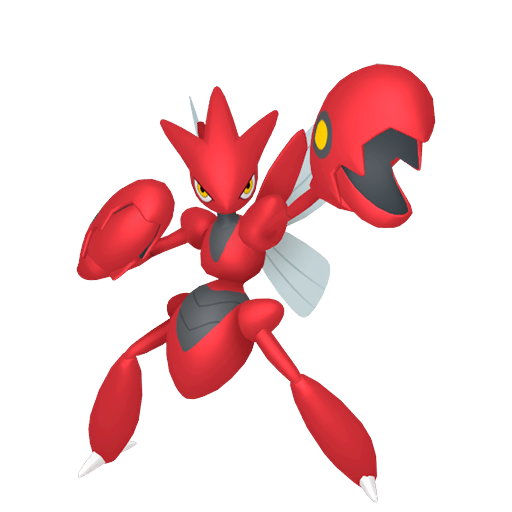
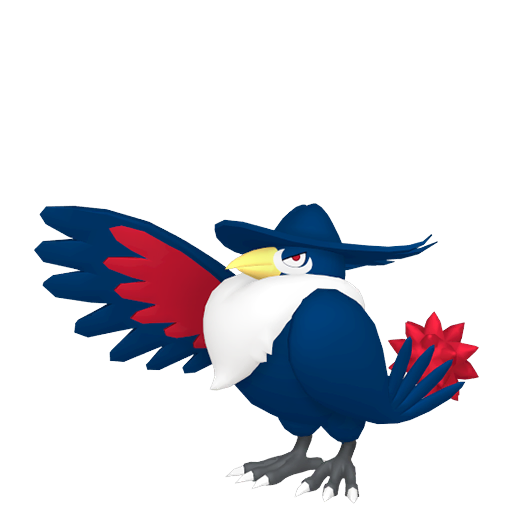
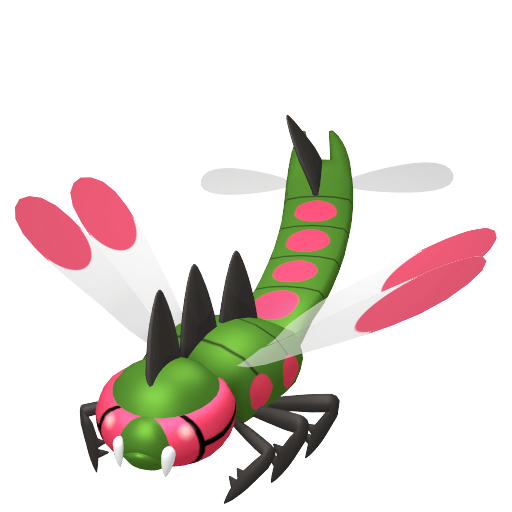
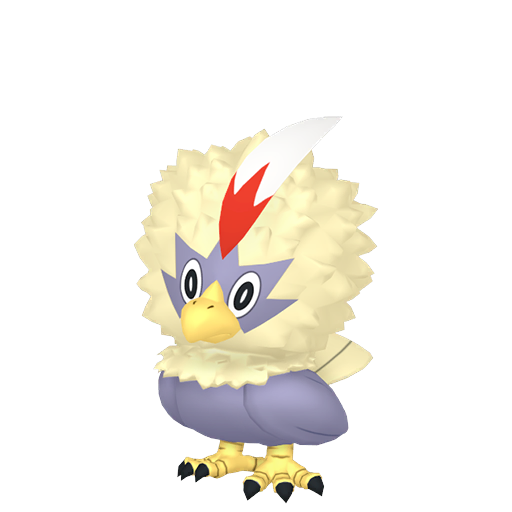
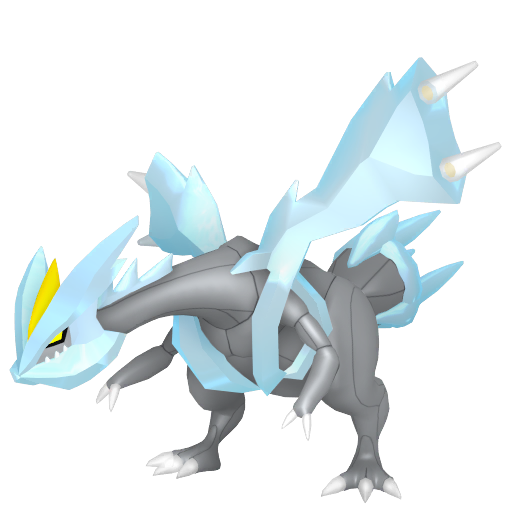
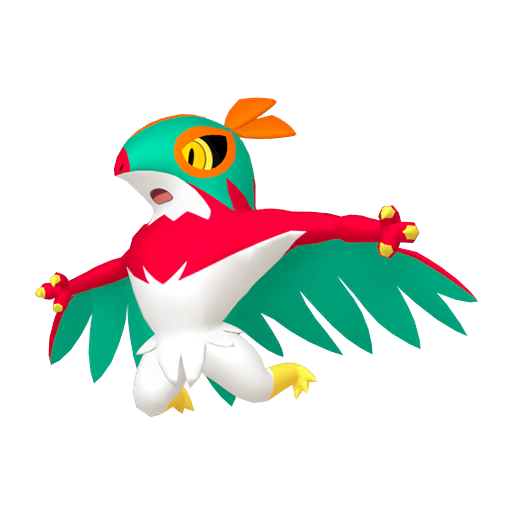
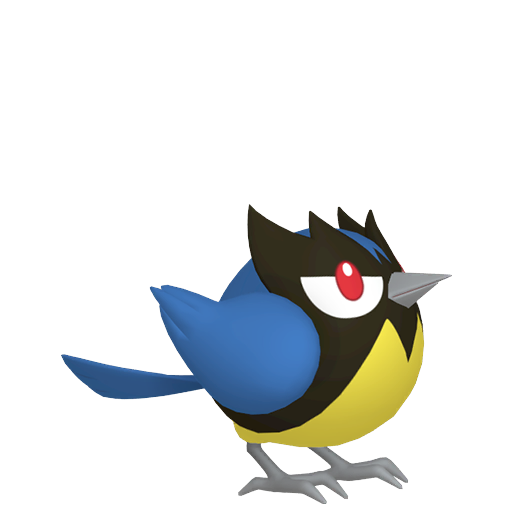
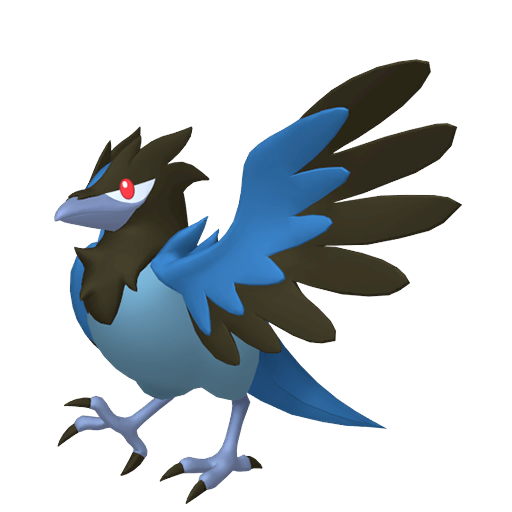
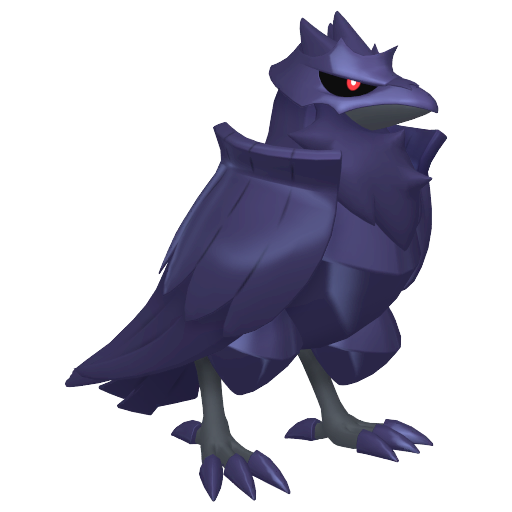
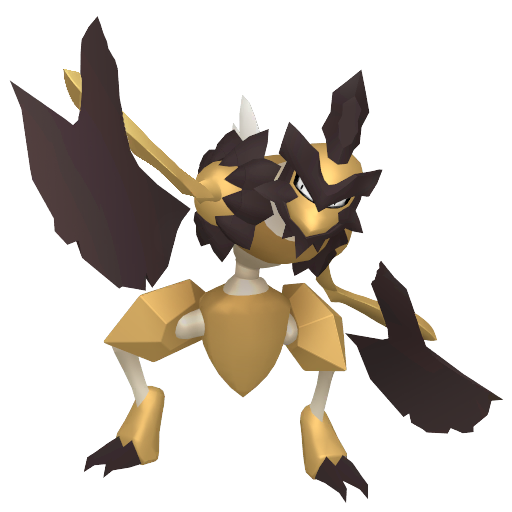
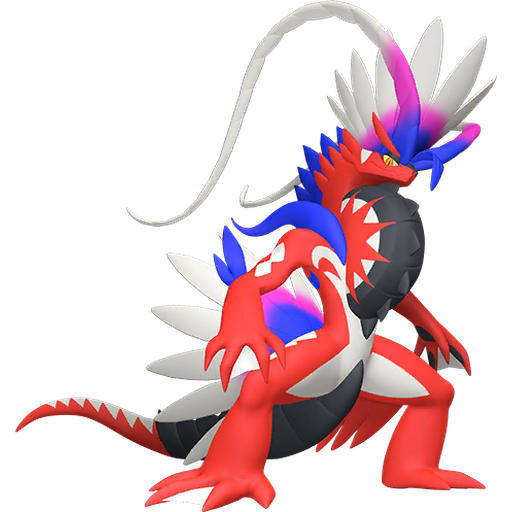
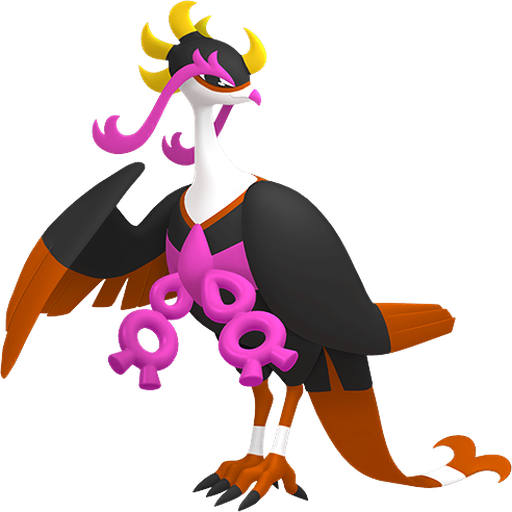
Scizor (13%), Hawlucha (14%), and Kleavor (13%) each get Flying coverage from this move in different contexts.
How to use it
The basics: Dual Wingbeat into Fighting, Grass, and Bug types where Flying super-effectiveness matters. Two hits with no self-damage means you can click it repeatedly without bleeding out — something Brave Bird can't say.
Against a Substitute: both strikes hit the sub. If it breaks on the first, the second hit lands on the real target. If the sub is bulky, both hits just chip it. Useful to know when the opponent is hiding behind a sub.
In doubles, Dual Wingbeat is single-target. Use it against the specific target you want to pressure. Pair it with Tailwind — your own speed is elevated, which means you act before slower threats and can fire off both strikes before they can respond.
Choosing between this and Brave Bird: pick Brave Bird when you need maximum single-hit power and can accept HP loss. Pick Dual Wingbeat when you're managing HP budget or plan to use the move several times in a match.
Tips & strategy
Without Loaded Dice, you roll accuracy twice. That rarely matters, but rare failures in a close game can flip the outcome. Don't build a win condition that requires both hits with no backup plan — the small but real miss chance is a factor to acknowledge.
Contact effects fire twice. If you know the opponent has Flame Body, two contact hits mean double the burn chance hitting you. Factor that in before clicking.
Speed is Aerodactyl's main asset. At extreme Speed, it fires both hits before most threats can respond — that's the situation where Dual Wingbeat is at its strongest. Against faster targets, you may take a hit first, which changes the risk calculation entirely.