








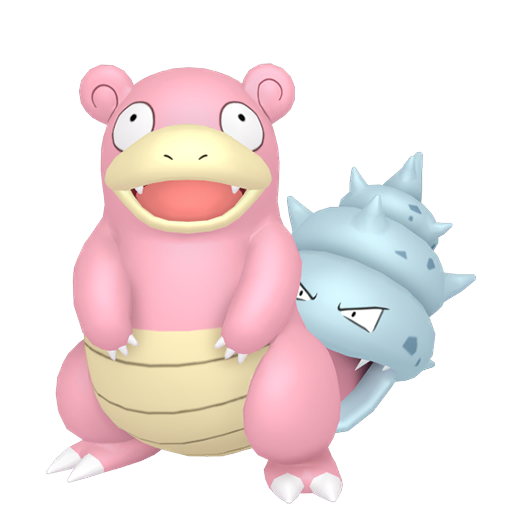











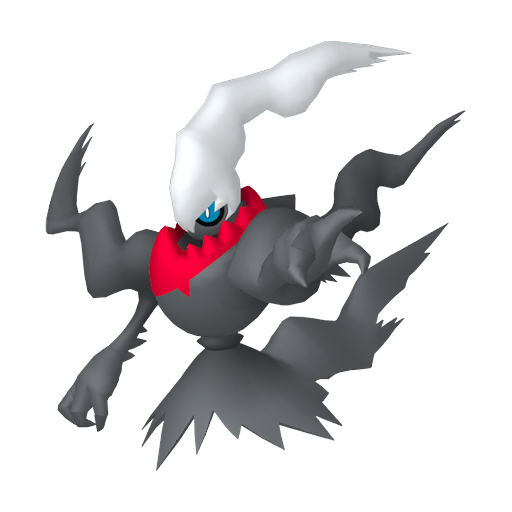


















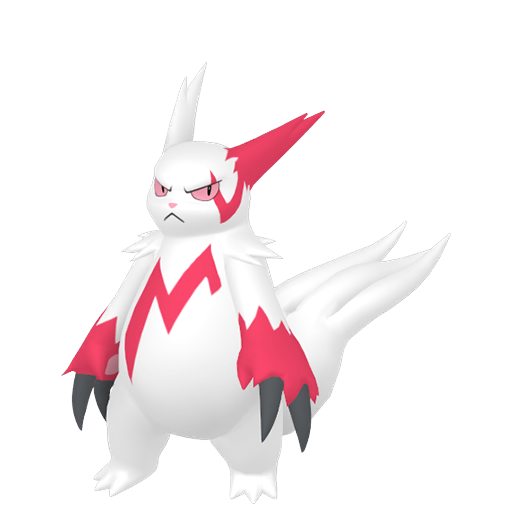













What it does
Disable seals the move the opponent used last turn for 4–7 random turns. That slot cannot be selected while sealed. The effect ends when the target switches out or the timer expires. Disable fails outright if the target hasn't moved since entering, failed to act this turn, has 0 PP on the last-used move, or already has a move disabled.
The most important numbers: Choice Scarf multiplies the holder's Speed by ×1.5, but simultaneously locks them into a single move. Disable that one move and the opponent's options collapse to "do nothing" or "switch" — you've effectively deleted their turn. A concrete example: Basculegion with Choice Scarf runs Last Respects, reaching roughly 77×1.5 ≈ 115 Speed — enough to outrun most unboosted threats and clean sweep. Disable Last Respects and the sweeper has no meaningful output. Switching out also resets Last Respects's stacking counter, so either path costs the opponent something. Garchomp locked into Earthquake works identically — after a Disable, switching means abandoning ground pressure, staying means playing on secondary moves.
Versus Encore: Encore forces the target to keep using the same move (but they escape by switching); Disable removes the move entirely without compelling the target to act at all. Running both on the same team against Choice-locked opponents is double insurance — Encore if they're stuck using it, Disable if they want to stop.
Who runs it
Sableye with Prankster is the competitive benchmark. Prankster raises Disable to +1 priority, letting Sableye seal what the opponent used last turn before they act this turn. This is not reactive — it's preemptive. In doubles, the standard pairing with Basculegion runs like this: turn 1, use Fake Out on the primary threat (it acts, generating a move record); turn 2, Disable seals that move while Basculegion fires freely into whatever is left. The Prankster priority means no speed comparison matters.
Ninetales uses Disable on roughly 15% of sets as a flex tech slot, targeting offensive switch-ins that rely on a single attacking move. Paired with weather setup it adds a soft disruption layer that costs only one moveslot.
Other Champions learners — Gengar, Dragapult, Gardevoir — theoretically can run it, but without priority or a commanding speed tier, ensuring the Disable lands before the threat acts is unreliable. The competitive pool essentially begins and ends with Prankster users.
How to use it
Basic sequence: Opponent uses a move → next turn use Disable on them. Outspeeding lets you go same-turn; Prankster removes the speed consideration entirely.
Doubles chain: Turn 1 — a partner lands Fake Out on the primary threat (this creates the move record needed). Turn 2 — Disable seals that threat's move; your attacker acts freely against the other target. If you need to lock down both opponents simultaneously, a partner running Encore on the second target burns the entire opposing side's turn.
Singles: Disable here is primarily information pressure. The opponent is forced to switch (giving you a free turn) or play into weakened options. It's sharpest against Choice Scarf revenge killers that rely on one move to threaten — sealing that move leaves them with zero meaningful plays this turn.
Edge case worth knowing: if the opponent used Protect last turn, Disable seals Protect itself — sometimes actively useful if you want to break Protect cycling and force through damage.
Tips & strategy
Common mistake autopsy — the missed window: The highest-value Disable turn is when the opponent is Choice-locked. A lot of players notice the lock, hesitate, and don't act — then the opponent switches out, breaks the lock, and re-enters cleanly. The fix: the moment you identify a Choice item (either scouted from team preview or confirmed by the repeated move), mentally queue Disable for your next free turn. That window can be as short as one or two turns.
The second common mistake — using Disable defensively: Disable is a front-loaded pressure tool, not a desperation stall. Using it while your own side is low on HP and the opponent already controls the board just wastes a turn. It belongs in turns 1–3 to create tempo asymmetry, not in the back half of a losing game.
Prankster's Dark-type blind spot: Prankster status moves fail against Dark-type Pokémon entirely. Incineroar, Kingambit, and Murkrow are all immune — Disable simply does nothing when your Prankster user targets them. Keep a separate disruption option for Dark-type threats.
Mental Herb — the one-time counter: Key support Pokémon sometimes carry Mental Herb to shrug off Encore, Taunt, and Disable. It fires exactly once, then is gone. You can deliberately bait it early with a lower-stakes Disable attempt, burning the shield so a partner's Encore or follow-up Disable lands clean later.
Switching breaks everything: Switching out instantly ends the Disable and also clears a Choice lock, so against non-Choice opponents the psychological game matters more than the mechanics. Predict the switch, act into it — the threat of Disable is sometimes worth more than the actual move, since it forces conservative play from opponents who would otherwise click their best move freely.