
























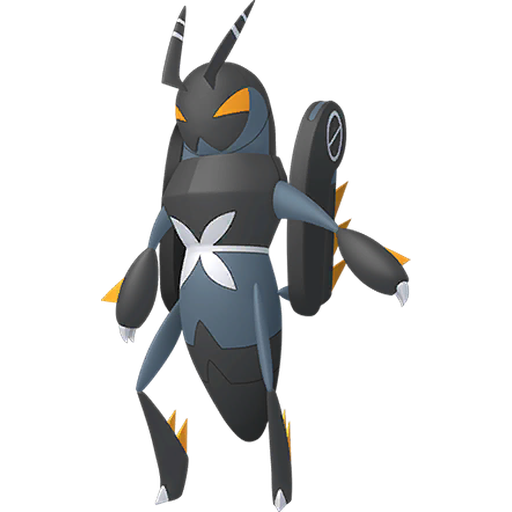














What it does
Detect is a Fighting-type status move that makes the user immune to all directly-targeted moves for the remainder of the turn. It functions identically to Protect. The key distinction: they're treated as separate moves for the consecutive-use failure check. Using Protect one turn then Detect the next resets the success chance, allowing you to chain protection turns indefinitely by alternating.
The move fails if the user acts last in the turn — Speed order matters. Users who go last cannot use Detect safely in that situation.
After consecutive uses (Detect → Detect, or Protect → Protect), each repeat has a 50% failure rate. Alternating with Protect eliminates this. Keep that in mind for support Pokémon that need reliable protection across multiple turns.
Effects Detect does NOT block: delayed damage from Future Sight and Doom Desire (if those resolve this turn); Feint (it breaks through protection and ends the effect); Perish Song; Curse's curse effect; Shadow Tag; moves that only copy the user's actions. Detect also cannot be called by Assist or Me First.
In doubles, protection is one of the most tactically dense tools available. One Detect can: absorb a spread attack; let your partner act freely while you're safe; gather turn information by seeing what the opponent chose; cycle a Wish heal safely.
Who runs it
Flareon at 87% has low physical Defense. Detect lets it dodge the Ground and Water moves that would otherwise put it down while it waits for a switch or a partner to remove the threat.
Espeon at 60% combines Detect with Magic Bounce: status moves are reflected, and Detect handles direct attacks. The combination is unusually hard to break through non-physical means.
Vaporeon at 43% pairs Detect with Wish — use Wish, switch or Protect the next turn so the heal lands safely, cycle again.
Leafeon at 42%, Sylveon at 36%, Umbreon at 14%: all support-oriented Eeveelutions that value the protection turns for survivability and status cycling.
Conkeldurr at 12% and Machamp at 9% use Detect defensively to dodge priority moves and spread damage aimed at them during key turns.
How to use it
The most common doubles application: read that your opponent will click a specific threatening move, use Detect to absorb it, and let your partner act freely in the safe window. Against Fake Out leads, Detect on the Fake Out target is the clean answer.
Alternate Detect and Protect consistently across turns to maintain reliable protection without triggering the 50% failure. This rotation is standard knowledge in competitive doubles and worth internalizing.
Don't Detect if you're acting last this turn — it fails without benefit.
Tips & strategy
Skilled opponents predict your Protect/Detect and work around it — switching, clicking a non-move action, or saving a spread attack for the next turn. Don't fall into predictable protection habits. Mix timing and frequency.
Feint breaks through protection and allows the follow-up move to hit. Watch for opponents running Feint, as it directly invalidates the Detect turn.
Espeon's Magic Bounce plus Detect creates a two-layer defense that's genuinely hard to interact with. Most conventional disruption either gets reflected or blocked — opponents generally have to go through direct attacking damage to deal with it.