




























What it does
Volt Switch is a 70-power Special Electric move that forces the user to switch out after landing — you pick who comes in. It belongs to the pivot family alongside U-turn and Flip Turn.
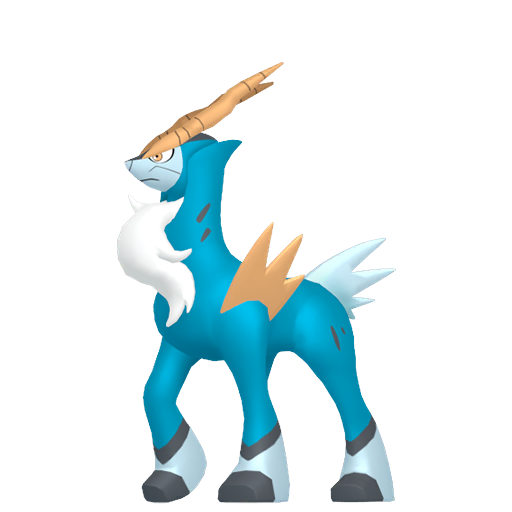
Why 70 power is enough. The number isn't the point; the simultaneity is. A normal switch hands the opponent a free attack turn. Volt Switch lets you chip damage and exit on the same action. Take Tapu Koko as a worked example: base 95 Special Attack, Electric Terrain boosts Electric moves ×1.5, STAB adds another ×1.5. That scales Volt Switch to an effective 157.5 power before EVs and Stat Points — enough to strip 25–35% from mid-bulk targets while you're already waving goodbye. The terrain keeps running for whoever you bring in next, so one click buys both a chip and a buffed entry window.
The dead zones. Pure Ground-types are immune to Electric, so Volt Switch deals no damage and the user does not switch out — the turn is completely wasted. Lightning Rod and Volt Absorb go further: the move is absorbed, the user stays in place, and the absorber gains a Special Attack boost or HP recovery. You didn't just fail to pivot; you handed the opponent a free stat gain. In Doubles, double-check your own ally's ability before clicking — routing Volt Switch into your own Lightning Rod partner is a self-inflicted disaster.
Who runs it
The best Volt Switch users share three traits: fast enough to threaten real damage, threatening enough to force switches, and valuable enough that rotating them repeatedly matters.
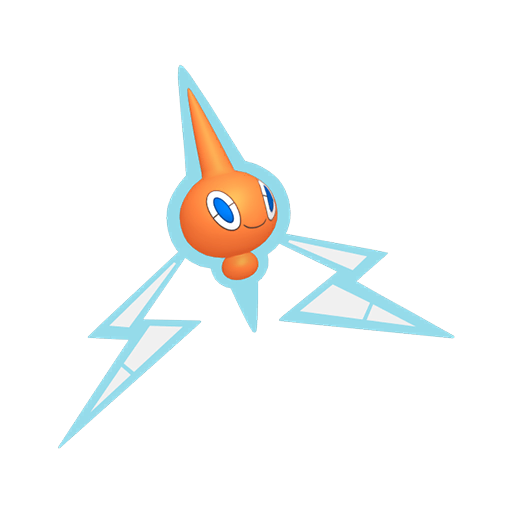
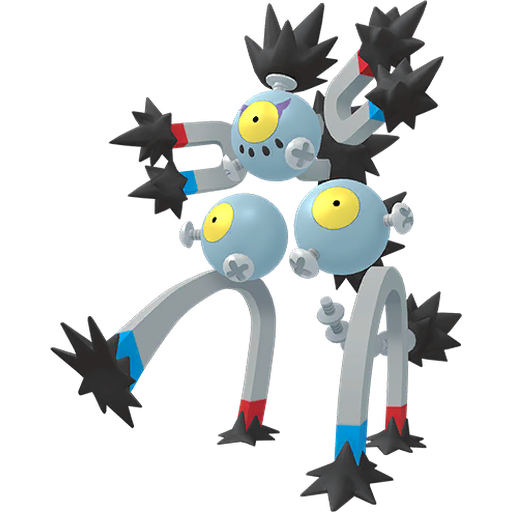
- Rotom (various forms): The most common Singles pivot. Wash Form's Special Defense of 107 lets it absorb hits before cycling out; Heat Form covers its own Ground weakness with Fire coverage. The move lets it scout endlessly with no ground-type on the opponent's side — the cycle almost never runs dry.
- Tapu Koko: Base 130 Speed, Electric Terrain activates on entry. Volt Switch in terrain does genuine damage rather than tickling — opponents can't afford to just eat it, so they swap, and you pick the ideal counter to their swap-in. The terrain buffs your incoming ally too, compounding the advantage every cycle.
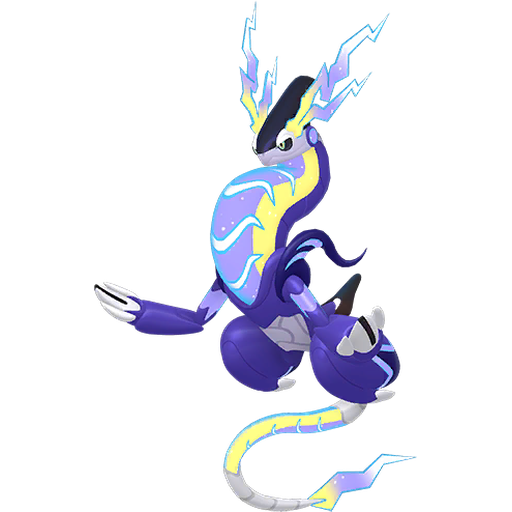
- Miraidon: 135/135 Speed/Special Attack with permanent terrain. The hardest Volt Switch user to play around; almost nothing can afford to tank it, which means every click is a forced rotation the opponent doesn't want.
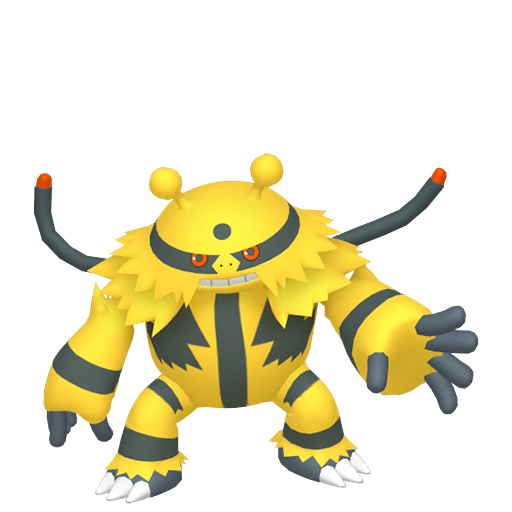
- Manectric (holding Manectite via Omni Ring): Gains Intimidate on Mega Evolution. The anchor of the Intimidate loop — see the strategy section below.
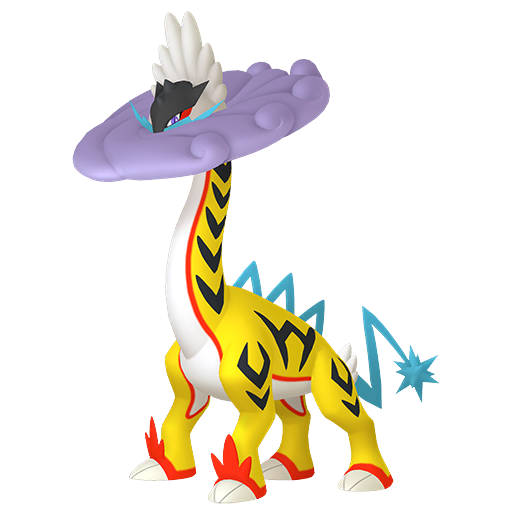
- Zeraora: Base 143 Speed, one of the fastest pivots available. Primarily a physical attacker, so Volt Switch trades raw damage for safe exit. Think of it as a scout tool that also happens to deal Special damage.
- Jolteon: 130 Speed but paper-thin bulk. Excellent for a single scouting pivot in the early game; sustained cycling is unrealistic once its HP drops.
In Doubles, the pivot logic shifts. Volt Switch earns its slot when an Electric-type has done its job for the turn and needs to clear the field cleanly — for instance, Tapu Koko opening with a pivot to bring a Mega Evolution candidate in safely, buying the turn they need without eating a hit.
How to use it
Singles: the three-step loop
- Opponent switches in a "safe" answer to your Electric-type → click Volt Switch → chip damage lands, you bring in the counter to their switch-in before they've acted. You're now in a 2-for-1 position.
- Uncertain what's coming next? Click Volt Switch as a free scout — you deal damage, see what they send in, then pick your actual response. Compare that to a blind switch, where you learn nothing and deal zero damage.
- Opponent just revealed a game-changing move (Dragon Dance, Earthquake, a coverage move that walls your team) → don't waste the turn doing nothing. Exit via Volt Switch and at least collect the chip on the way out.
Decision tree (if-then):
- Ground-type on the field → do not click; use another move or switch manually.
- Opponent just outsped you after a boost → don't plan another cycle next turn; send in a bulkier teammate to absorb the incoming hit instead.
- Your own HP below ~30% → reconsider cycling; the next entry could mean getting picked off before doing anything.
Doubles differences
Doubles already has two Pokémon active, so tempo control runs on a different axis. Volt Switch here is an exit tool, not a core cycle strategy. Its upside in Doubles: it's single-target, so it avoids the 0.75× spread penalty that hits Discharge. Its cost: burning a full action slot on a swap is expensive when you could have hit both targets with a spread move. The call is worth it mainly when your Electric-type has finished its contribution and a fresher teammate creates better matchups. Also: if Garchomp is using Earthquake next to your Electric-type this turn, pivot out first to avoid the ally damage.
Tips & strategy
The Intimidate loop, broken down
Manectric enters → Intimidate fires, dropping the opponent's Attack by one stage (×0.67). It clicks Volt Switch, deals chip, exits. You cycle it back in → Intimidate fires again, now ×0.44 of the original. Two loops later, most physical attackers are nearly defanged. Pair with a solid physical wall cycling in and out alongside it and you've run a sustained debuff system without needing a single Charm or Screech. This is one of the few ways Singles can proactively grind down an opponent's offensive core through switching rather than straight damage.
Choice Specs: the counterintuitive lock
Choice Specs locks you to one move — on paper, locking Volt Switch sounds wasteful. In practice, if you're switching out every turn anyway, the lock never bites. Specs boosts the damage by 1.5×, so your "free" chip on each exit becomes genuinely threatening, and the opponent still has no idea who's entering next. The prerequisite: have a backup plan for Ground-types, or the lock becomes a death sentence the moment they reveal one.
Common mistake autopsy
"My Tapu Koko clicked Volt Switch into the opponent's Garchomp. Nothing happened. I gave away a free turn."
Root cause: pattern-matching "Electric-type on field → click Electric move" without checking the target's typing. The fix is mechanical: during Team Preview, mark every Ground-type on the opponent's squad. Mid-battle, the moment you see one on the field, mentally cross Volt Switch off the menu until it's gone. The Doubles variant of this mistake is even more punishing — clicking Volt Switch when your own partner has Lightning Rod, absorbing the move, keeping your user in place, and handing a free Special Attack boost to your own teammate (who probably didn't need it and certainly didn't want the attention).
What shuts it down
Ground-types wall it cold: Garchomp, Landorus, Hippowdon, Gastrodon (double immunity — Ground blocks Electric, Water Absorb blocks any Water follow-up). Identify these in Team Preview and build a pivot-free line for those matchups.
Shadow Tag and Arena Trap prevent switching entirely, turning your entire pivot game plan into dead weight. Check whether these abilities are legal under the current Champions ruleset before assuming they're a threat.
Speed pressure counters the cycle indirectly: if the opponent is fast enough to KO whatever you rotate in before it acts, the pivot loop becomes a loss spiral. Solve this in team building — ensure your pivot targets have enough bulk or speed to actually survive entry and act.
Champions status reminder: Paralysis triggers only 12.5% of the time. Don't use Thunder Wave as a crutch to "guarantee" safe Volt Switch windows — it simply isn't reliable enough. Invest Stat Points in Speed or set up Tailwind for consistent speed control instead. Mega Evolution via Omni Ring happens at the start of the turn and doesn't block the Volt Switch action — you can Mega and pivot on the same turn without issue.